Bird dogs have been trusted companions of hunters for generations. Known for their sharp instincts, keen noses, and remarkable loyalty, these dogs are bred to find, flush, or retrieve birds with unmatched skill.
From energetic pointers that freeze at the scent of game to retrievers that glide through water to bring back ducks, every breed offers unique strengths. In this guide, we’ll explore the most popular Bird Dog Species, their hunting styles, and how to choose the right partner for your adventures.
Types Of Bird Dog Breeds
Bird dogs are special hunting dogs. They help find and retrieve birds. Different breeds show unique skills. Some dogs point at birds. Others flush or retrieve them.
Pointers
Pointers are known for finding birds. They stop and point with their nose. They tell hunters the bird’s exact location.
-
English Pointer
-
German Shorthaired Pointer
-
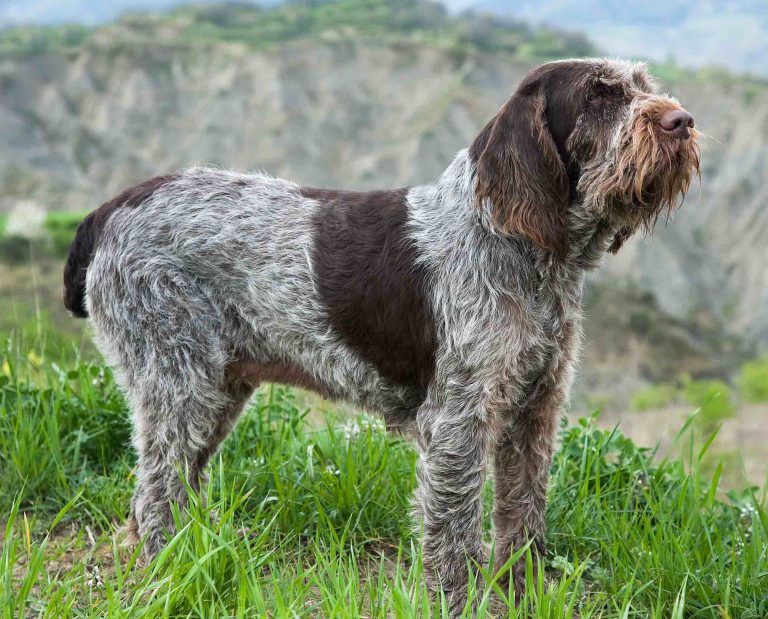
German Wirehaired Pointer
Setters
Setters move quietly to find birds. They "set" or crouch near the game. Setters help hunters get close quietly.
-
English Setter
-
Irish Setter
-
Gordon Setter
Spaniels
Spaniels flush birds from thick cover. They move fast and scare birds into the air. Spaniels have strong noses. They are also good at retrieving.
-
English Springer Spaniel
-
Cocker Spaniel
-
Clumber Spaniel
Retrievers
Retrievers bring back shot birds. They use a soft mouth to carry gently. They swim well. They work great in water.
-
Labrador Retriever
-
Golden Retriever
-
Chesapeake Bay Retriever
Pointer Breeds
Pointer breeds are a bird dog type used for hunting. They find birds and show their location. These dogs are fast and smart. They have a great sense of smell. They work closely with hunters.
English Pointer
The English Pointer is a classic bird dog. It has a muscular body. Its coat is short. This breed points strongly. It freezes silently toward the bird.
-
Height: 23-28 inches.
-
Weight: 45-75 pounds.
-
Coat: Short and smooth.
-
Temperament: Energetic and friendly.
German Shorthaired Pointer
This pointer is a versatile hunting dog. It can point, retrieve, and track. This breed has a short, spotted coat. It is strong and trains easily.
-
Height: 21-25 inches.
-
Weight: 45-70 pounds.
-
Coat: Short, dense, water-resistant.
-
Temperament: Smart and eager to please.
Weimaraner
The Weimaraner is a large pointer breed. It is known for its sleek gray coat. This breed is fast. It has great endurance. It points and retrieves well.
-
Height: 23-27 inches.
-
Weight: 55-80 pounds.
-
Coat: Short, smooth gray coat.
-
Temperament: Loyal and energetic.
Retriever Breeds
Retriever breeds are popular hunting dogs. They bring back game after the shot. These dogs are friendly. They swim well. They make great family pets.
Labrador Retriever
The Labrador Retriever is a popular breed. They are smart, friendly, and trainable. Labs have short, dense coats. This protects them in cold water. They love to swim and fetch.
-
Weight: 55 to 80 pounds.
-
Coat colors: black, yellow, chocolate.
-
Temperament: Gentle, outgoing, and active.
Golden Retriever
Golden Retrievers have beautiful golden coats. They are friendly, loyal, and patient. These dogs enjoy the outdoors. They swim well. They often work as therapy dogs.
-
Weight: 55 to 75 pounds.
-
Coat: Long, dense, water-resistant.
-
Temperament: Smart, kind, and calm.
Chesapeake Bay Retriever
This dog is a strong, brave hunter. It is known for its thick, waterproof coat. They are loyal and protective. They work well in cold water. They handle rough weather.
-
Weight: 55 to 80 pounds.
-
Coat colors: brown, sedge, or deadgrass.
-
Temperament: Smart, alert, and courageous.
Spaniel Breeds
Spaniel breeds are popular hunting dogs. They are friendly. They have a strong sense of smell. These dogs are good companions. They work well in the field. They help find and retrieve birds.
English Springer Spaniel
This dog is medium-sized. It has a strong build. It shows a happy, eager attitude. This breed flushes and retrieves well. It is also friendly and easy to train.
-
Weight: 40-50 pounds.
-
Coat: Medium length, wavy.
-
Temperament: Energetic and gentle.
Cocker Spaniel
Cocker Spaniels are smaller dogs. They have soft, silky coats. They show big, expressive eyes. This breed is known for being joyful. They work as hunting dogs or family pets.
-
Weight: 20-30 pounds.
-
Coat: Long and silky.
-
Temperament: Friendly and playful.
Clumber Spaniel
The Clumber Spaniel is a large, heavy dog. It has a thick coat. It shows a calm, steady nature. This breed is strong and patient. It is great for hunting in thick brush.
-
Weight: 55-85 pounds.
-
Coat: Dense and straight.
-
Temperament: Gentle and loyal.
Setter Breeds
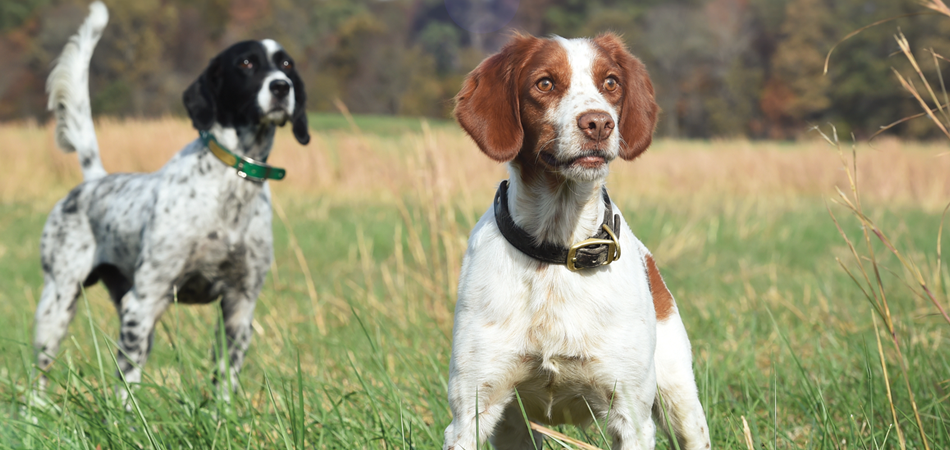
Setter breeds are known for hunting skills. They point and retrieve birds during the hunt. These dogs are friendly and active. They make great pets and working dogs.
English Setter
The English Setter is a calm, gentle dog. It has a beautiful spotted coat. This coat comes in many colors. This breed finds birds well in fields. It works carefully near the hunter.
-
Size: Medium to large.
-
Coat: Long and silky.
-
Temperament: Friendly and gentle.
-
Energy: Moderate to high.
Irish Setter
The Irish Setter is known for its bright red coat. It is fast. It loves running in open areas. This dog is playful. It loves people. It is great for active families.
-
Size: Medium to large.
-
Coat: Long and shiny red.
-
Temperament: Energetic and friendly.
-
Energy: High.
Gordon Setter
The Gordon Setter has a black and tan coat. It is strong. It works well in tough areas. This breed is loyal and smart. It needs regular exercise. It enjoys training time.
-
Size: Medium to large.
-
Coat: Black with tan markings.
-
Temperament: Loyal and smart.
-
Energy: Moderate to high.
Key Traits For Hunting
Bird dog species have special traits. These traits make them great hunters. These dogs help find and retrieve birds. Knowing these traits helps you choose the right dog. They include scenting, stamina, and training ability.
Scenting Ability
Bird dogs have a strong sense of smell. They use their noses to find hidden birds. This trait is vital for hunting success. Dogs with a good nose track birds well. They find birds in bad weather or thick cover. They alert hunters by pointing or flushing.
-
Powerful nose detects scents well.
-
Dogs follow bird trails easily.
-
They alert hunters by pointing or flushing.
Stamina And Endurance
Hunting can last many hours. Bird dogs need stamina. They must run long distances without tiring. This helps them cover large hunting areas. Endurance keeps dogs active and focused. Dogs with good stamina keep searching until they finish.
-
They run for long periods.
-
Dogs maintain focus and energy.
-
They recover quickly between hunts.
Trainability
Bird dogs must learn commands. They must learn hunting skills. They need to obey hunters. They must work as a team. Learning ability is key for good behavior. Dogs that learn fast make hunting easier. Training helps them point and retrieve.
-
Dogs quickly learn commands.
-
They have a good memory for skills.
-
Dogs work well with hunters.
Choosing The Right Bird Dog
Bird dogs help find and retrieve birds. Picking the right one makes hunting easier. It also makes it more fun. Think about your hunting style first. Consider your needs. This helps you find the best match.
Hunting Environment
Bird dogs work best in certain areas. Some dogs do well in thick woods. Others are best in open fields. Some thrive in wetlands. Choose a dog matching your area. This keeps your dog safe and effective.
-
Woods need a dog with good scent and speed.
-
Open fields suit fast running dogs.
-
Wetlands need strong swimming dogs.
Game Type
Different dogs work better for certain birds. Some dogs point. Others flush or retrieve game. Match the dog’s skills to the birds you hunt. This helps you catch birds faster.
-
Pointers work best for upland birds.
-
Flushers work well with hiding birds.
-
Retrievers are great for ducks and geese.
Owner Lifestyle
Your daily life affects your dog choice. Some dogs need more attention. They need more exercise. Pick a dog that fits your time. Match your activity level. This keeps both you and the dog happy.
-
Active hunters want high-energy dogs.
-
Busy owners should pick low-maintenance breeds.
-
Families often prefer friendly dogs.
Credit: www.purinaproclub.com
Training Tips For Bird Dogs
Bird dogs need good training. They perform well in the field after training. Training helps them follow commands. It helps them work safely. Start training early. Be patient always. Use clear commands. Reward good behavior for learning.
Basic Obedience
Teach your dog simple commands. Use words like sit, stay, come, and heel. These build control and trust. Practice obedience daily in short sessions. Use praise and treats to motivate your dog.
-
Start training without distractions.
-
Use a calm, firm voice for commands.
-
Reward immediately when the dog obeys.
-
Add distractions slowly as skills improve.
Field Training
Field training teaches dogs to find birds. It teaches them to point. It also helps with retrieving after the shot. Start in a quiet outdoor spot. Use fake birds or scent trails. Let your dog explore. Let them learn to point.
-
Use a long leash for control.
-
Call your dog back often for recall.
-
Practice pointing without chasing.
-
Introduce water retrieves slowly.
Socialization
Socializing your dog helps it stay calm. This applies to people and other dogs. This is important during hunts. Show your dog new places and sounds. Introduce new animals. Positive experiences build confidence.
-
Take your dog to trails regularly.
-
Introduce new dogs slowly and safely.
-
Let your dog meet friendly people.
-
Reward calm behavior in social settings.
Care And Maintenance
Bird dog breeds need special care. This keeps them healthy and happy. Owners must meet their daily needs. Proper care means exercise and health checks. It means good nutrition. Each part helps your dog live a strong life.
Exercise Needs
Bird dogs are active. They love to run and play. They need daily exercise to burn energy. This keeps them fit. They become bored without enough activity. They may get anxious. Playtime and long walks are great.
-
Give at least one hour of exercise daily.
-
Include running, fetching, or swimming.
-
Use safe, open spaces for play.
-
Training also provides mental exercise.
Health Considerations
Bird dogs can have joint problems. They can face ear infections. Watch for early signs. Regular vet visits help catch issues early. Keep their ears clean. Check their joints often.
-
Schedule vet checkups yearly.
-
Clean ears weekly to stop infections.
-
Check for stiffness or limping.
-
Keep their shots up to date.
Nutrition
Good food keeps bird dogs strong. It keeps them full of energy. Feed them a balanced diet. Pick food made for active dogs. Portion control is important. This avoids weight gain. Fresh water must always be available.
-
Choose high-quality dog food with protein.
-
Feed based on age and activity level.
-
Avoid giving too many treats.
-
Provide clean water all day.
Credit: projectupland.com
Frequently Asked Questions
What Are The Most Popular Bird Dog Species?
Popular species include Labrador Retrievers and English Setters. German Shorthaired Pointers are popular. Brittany Spaniels are also popular. They are skilled at hunting birds. Each one suits different areas.
How Do Bird Dog Species Differ In Hunting Style?
They differ by pointing, flushing, or retrieving. Pointers locate birds and stop. Flushers scare birds into the air. Retrievers bring downed birds back. Each style fits different needs.
Are Bird Dog Species Good Family Pets?
Yes, they make great family pets. They are loyal and energetic. They enjoy active life. These dogs need exercise and mental work. Good training helps them fit well at home. They make excellent, friendly friends.
What Training Methods Work Best For Bird Dogs?
Positive rewards and steady training work best. Use treats and praise to motivate. Early exposure improves behavior. Training must focus on hunting commands. Regular practice improves their skills.
Conclusion
Bird dog species offer great skills. They make loyal companions. Each breed has unique needs. Choose one that fits your life. Proper training brings out their best. These dogs work hard. They stay loyal to their owners.
Knowing their nature makes the experience great. A bird dog becomes a true helper. They add joy and purpose to your day. Consider their energy and traits first. A well-matched bird dog brings lasting happiness.