A Bird Eats a Worm Who is the Predator: Predator, Prey, and Nature’s Delicate Balance
Have you ever stopped to think about the intricate dance of nature that plays out right in your backyard? Imagine a tiny bird, eyes sharp and focused, zeroing in on its next meal—a wriggling worm.
A Bird Eats a Worm Who is the Predator is a striking illustration of ecological dynamics.
But hold on a minute, who is the real predator here? Is it the bird, or is there more to this natural encounter than meets the eye? As you ponder this question, you might start to wonder about the roles we all play in the complex web of life.
In this scenario, A Bird Eats a Worm Who is the Predator, and this prompts deeper reflection on the interconnectedness of life.
Prepare to unravel this mystery and discover surprising insights that might change how you view the world around you. Stick with us, and let’s dive deeper into this fascinating tale of nature’s balance.
Ultimately, A Bird Eats a Worm Who is the Predator, serving as a metaphor for deeper ecological truths.
This phrase, ‘A Bird Eats a Worm Who is the Predator’, encapsulates the essence of the predator-prey relationship in nature.
Understanding how A Bird Eats a Worm Who is the Predator influences our view of nature’s relationships can be enlightening.
Birds As Predators
Birds play an important role as predators in nature. They hunt smaller animals like worms, insects, and fish.
These predators help control the population of their prey. Birds use sharp eyesight and quick movements to catch food.
Common Bird Hunters
Many bird species hunt worms and other small animals. Some common hunters are robins, thrushes, and woodpeckers.
Birds of prey like hawks and owls catch bigger animals. They use strong talons and beaks to kill their prey.
- Robins eat worms from the ground
- Thrushes find insects under leaves
- Woodpeckers catch insects inside trees
- Hawks hunt small mammals and birds
- Owls catch mice and other rodents
Hunting Techniques
Birds use different ways to catch their prey. Some wait quietly and then strike fast.
Others search actively by hopping or flying low. They rely on sharp eyes and quick reflexes.
- Perching and watching for movement
- Probing soil or bark for hidden worms
- Hovering and diving to catch insects
- Using sharp talons to grab prey
- Hunting mostly at night using silent flight
Worms As Prey
Many birds eat worms as part of their diet. Worms provide important nutrients and energy. Birds find worms in soil or under leaves.
The relationship where A Bird Eats a Worm Who is the Predator is pivotal in many ecosystems.
Worms must avoid being eaten to survive. They have different ways to protect themselves from birds and other predators.
Types Of Worms Eaten
Birds eat many kinds of worms. Some common types are earthworms, inchworms, and roundworms. Each type lives in different places.
- Earthworms:Found in soil and help clean it.
- Inchworms:Caterpillar-like worms found on leaves.
- Roundworms:Live inside other animals or soil.
Defense Mechanisms
Worms use many ways to protect themselves from birds. Some move quickly or hide deep in the soil. Others use chemicals or body parts to scare predators.
| Defense Type | Description |
| Burrowing | Worms dig deep to avoid being seen or caught. |
| Camouflage | Worms blend with soil or leaves to hide. |
| Body Secretion | Some worms release bad-tasting fluids to repel birds. |
| Regeneration | Worms can regrow parts if injured by a predator. |
Food Chain Dynamics
A bird eats a worm in nature. This shows a simple food chain. It helps us understand how energy moves in an ecosystem.
This cycle of life, where A Bird Eats a Worm Who is the Predator, is crucial for ecosystem health.
The bird is the predator, and the worm is the prey. Each has a role in keeping nature balanced.
Energy Transfer
Energy starts from the sun and goes to plants. Worms eat plants and get energy. Birds eat worms and gain energy.
Energy moves from one animal to another. Some energy is lost as heat. This is why food chains usually have few steps.
- Sun provides energy to plants
- Worms eat plants to get energy
- Birds eat worms to get energy
Role Of Predators And Prey
Predators hunt and eat other animals for food. Prey animals try to avoid predators to survive.
This balance controls population sizes. If predators eat too many prey, they may starve. If prey grow too much, they can harm plants.
As we study how A Bird Eats a Worm Who is the Predator, we learn the significance of ecological balance.
- Predators keep prey numbers in check
- Prey provide food for predators
- Both help keep the ecosystem healthy

Credit: www.reddit.com
Ecosystem Balance
A bird eats a worm as part of the natural food chain. The bird is the predator, and the worm is the prey. This relationship helps keep the ecosystem balanced.
Predators control the number of prey animals. This control helps plants and other animals survive. Every part plays a role in nature’s balance.
Impact Of Predation
Predation keeps animal populations from growing too large. If prey numbers rise too much, they can harm plants and soil.
It’s essential to recognize how A Bird Eats a Worm Who is the Predator impacts food resources in nature.
Predators also help remove weak or sick animals. This keeps prey populations healthy and strong over time.
- Controls prey population size
- Prevents overgrazing and damage
- Promotes healthier prey animals
- Supports a balanced food web
Biodiversity Importance
Biodiversity means many different plants and animals live in one area. Predators help keep this variety by balancing species numbers.
In conservation, understanding how A Bird Eats a Worm Who is the Predator helps in protecting species.
When predators eat prey, they stop one species from taking over. This allows many species to survive and thrive together.
- Maintains species variety
- Supports healthy ecosystems
- Prevents species from dominating
- Encourages natural growth cycles
Human Influence
Humans affect nature in many ways. They change how animals and plants live. These changes impact food chains and predators.
One example is a bird that eats worms. Human actions can change the number of worms or birds. This changes the balance in nature.
Effects On Food Chains
Consider the implications when A Bird Eats a Worm Who is the Predator in urban environments.
Human activities like farming and building cities affect food chains. They can reduce worm numbers or scare birds away. This changes the predator-prey balance.
- Pollution harms worms and soil quality.
- Deforestation removes bird habitats.
- Pesticides kill worms and other insects.
- Urban areas reduce natural food sources.
Conservation Efforts
People work to protect birds and worms. Conservation helps keep food chains healthy. Actions include protecting habitats and reducing pollution.
Habitat protection is vital, especially when A Bird Eats a Worm Who is the Predator matters for biodiversity.
| Conservation Action | Purpose |
| Habitat Protection | Keep safe homes for birds and worms |
| Reduce Pesticides | Protect worms from poisons |
| Plant Trees | Provide shelter and food for birds |
| Clean Water | Support healthy soil and insects |
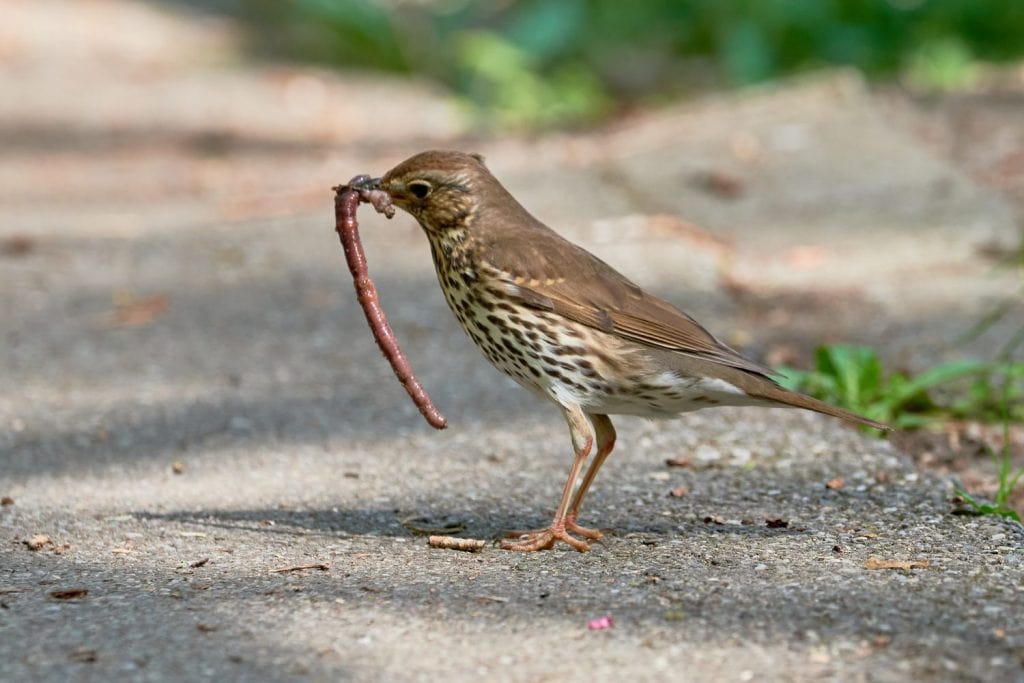
Visualizing the moment when A Bird Eats a Worm Who is the Predator enhances our understanding of nature.
Credit: a-z-animals.com

Credit: www.earthofbirds.com
Ultimately, A Bird Eats a Worm Who is the Predator encapsulates the beauty and brutality of nature.
Frequently Asked Questions
Who Is The Predator When A Bird Eats A Worm?
The bird is the predator because it hunts and consumes the worm. The worm is prey in this scenario.
Why Do Birds Eat Worms As Part Of Their Diet?
Birds eat worms for protein and nutrients essential for their survival and growth. Worms are easy prey.
How Does The Bird Catch The Worm Effectively?
Birds use their sharp vision and quick pecking skills to find and capture worms from soil.
Are Worms Dangerous To Birds In Any Way?
No, worms are harmless to birds and provide a nutritious food source without any threat.
Conclusion
A bird eating a worm shows a clear predator-prey link. The bird acts as the predator, hunting to survive. The worm becomes the prey, a food source. This natural relationship helps keep balance in nature. Predators control prey numbers, protecting plants and soil.
In summary, A Bird Eats a Worm Who is the Predator highlights the intricate balance of nature.
Each creature plays a vital role in the ecosystem. Understanding these roles helps us respect wildlife more. Nature’s food chain works smoothly with predators and prey. Simple yet powerful.
Understanding A Bird Eats a Worm Who is the Predator allows us to appreciate the cycles of life.