Can a Baby Bird Eat Worms? Nutrition, Risks, and Safe Feeding Tips
Have you ever wondered what a baby bird eats to grow strong and healthy? If you’ve seen a parent bird feeding worms to its chick, you might be curious—can a baby bird really eat worms?
Many people ask, can a baby bird eat worms as part of their diet? Understanding this can help you know more about their nutrition needs.
Understanding this can help you care better for wild birds or even your own backyard feathered friends. Keep reading to discover the surprising truth about baby birds and worms, and learn how this natural meal plays a crucial role in their early life.
You won’t want to miss these fascinating facts!
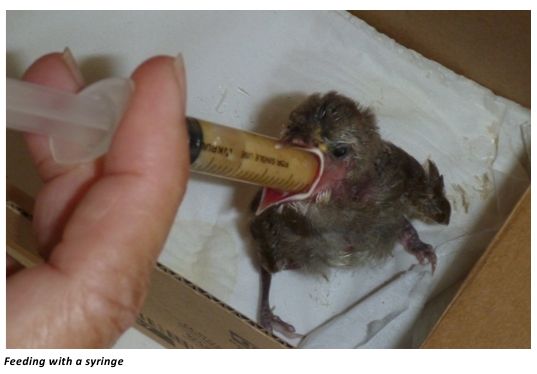
Credit: besgroup.org
Diet Of Baby Birds
Baby birds need the right food to grow strong and healthy. Their diet changes as they grow older.
So, can a baby bird eat worms? Yes, they can, but it is crucial to know the right types of worms.
Many baby birds eat soft, easy-to-digest foods provided by their parents. These foods supply essential nutrients for growth.
Natural Food Sources
Baby birds eat different foods depending on their species and habitat. Worms are a common natural food for many baby birds.
Can a baby bird eat worms safely? It depends on the type and preparation of the worms.
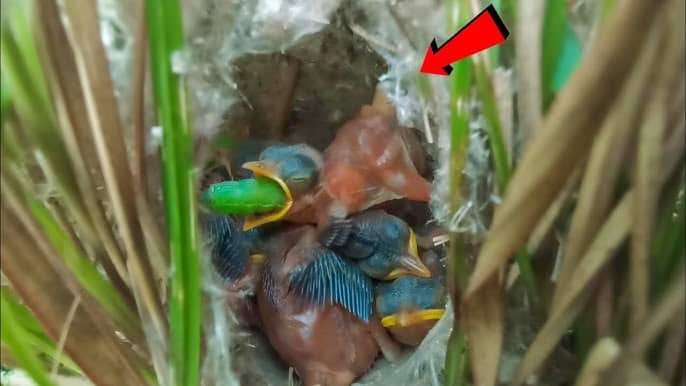
Worms are soft and full of protein. Parents often catch worms and feed them to their chicks to help them grow quickly.
When considering if a baby bird can eat worms, parents should catch safe ones.
- Worms provide protein for muscle growth
- Insects and larvae are also common foods
- Soft fruits and seeds may be given as birds grow
Nutritional Needs
Baby birds need protein, fats, vitamins, and minerals to develop well. Protein helps build muscles and organs.
Fats give energy, and vitamins keep their immune system strong. Worms and insects meet many of these needs.
When asking can a baby bird eat worms, keep in mind the importance of protein in their diet.
- Protein supports growth and repair
- Fats provide energy for activity
- Vitamins and minerals support health and immunity
- Water is also important to keep them hydrated
Worms As Food
Baby birds need food that is easy to eat and full of nutrients. Worms are a natural choice for many baby birds. They provide the right texture and nutrition for growing birds.
Thus, can a baby bird eat worms? Absolutely! They help provide necessary nutrition.
Worms are soft and small, making them easy for baby birds to swallow. Many wild birds feed their young with worms found in the soil.
Types Of Worms Suitable For Baby Birds
Not all worms are safe for baby birds. Some types of worms are better than others. Earthworms and mealworms are common choices for feeding young birds.
Earthworms are soft and full of nutrients. Mealworms are also popular because they are easy to find and digest. Avoid worms that might carry parasites or chemicals.
For first-time caregivers, can a baby bird eat worms can be a common question.
- Earthworms – soft and nutritious
- Mealworms – easy to digest and common
- Bloodworms – for certain water birds only
- Avoid wild worms from polluted areas
Nutritional Benefits Of Worms
Worms are rich in protein, which helps baby birds grow strong muscles. They also contain fat that gives energy for flying and growing.
In conclusion, can a baby bird eat worms is a straightforward answer when you follow guidelines.
Worms have vitamins and minerals important for healthy bones and feathers. Feeding worms supports a baby bird’s quick growth and good health.
- High protein for muscle growth
- Good fats for energy
- Vitamins for strong bones and feathers
So, can a baby bird eat worms? Yes, but ensure they are safe and suitable.
- Easy to digest for young birds
Feeding Baby Birds Worms
Baby birds often eat worms as a natural part of their diet. Worms provide important nutrients that help them grow strong and healthy.
Knowing when can a baby bird eat worms will help in their overall health.
Feeding baby birds worms requires care to keep the worms safe and suitable for the birds to eat.
How To Prepare Worms Safely
Before feeding worms to baby birds, you must clean and prepare them properly. This keeps the worms safe and healthy for the birds.
In addition to this, consider can a baby bird eat worms from diverse sources of nutrition.
- Use only earthworms or mealworms from safe sources.
- Rinse worms gently with clean water to remove dirt.
- Do not feed worms that have been exposed to pesticides.
- Cut large worms into small pieces for easier eating.
- Feed worms at room temperature, not cold or frozen.
Feeding Techniques
Feeding baby birds requires gentle and careful methods. Use the right tools and timing to avoid harming the birds.
| Technique | Description |
| Hand Feeding | Hold worm pieces with tweezers close to the bird’s beak. |
| Feeding Tray | Place small pieces on a shallow dish for the bird to pick up. |
| Frequency | Feed every 15-20 minutes during daylight hours. |
| Amount | Offer small amounts to avoid overeating or choking. |

Credit: www.youtube.com
Potential Risks
Baby birds may eat worms, but this can come with risks. Worms can carry parasites or bacteria harmful to young birds.
It is important to know what dangers worms might cause. This helps protect baby birds from illness or harm.
Health Concerns
Worms can sometimes carry parasites like roundworms or tapeworms. These parasites may infect baby birds and cause sickness.
Bacteria in worms can also cause infections. This might make the baby bird weak or stop it from growing well.
When asking can a baby bird eat worms, understand the potential health risks involved.
- Parasites can cause weight loss and poor growth
- Bacterial infections can lead to fever and weakness
- Some worms might have harmful toxins
Signs Of Digestive Issues
Baby birds with digestive problems may show certain signs. These signs help identify if the bird is sick from eating worms.
It is critical to monitor if can a baby bird eat worms is affecting their digestion.
Watch for changes in behavior and droppings. Early detection can help prevent serious health problems.
- Vomiting or regurgitating food
- Diarrhea or unusual droppings
- Lethargy or lack of energy
- Loss of appetite
Alternative Food Options
As you explore options, remember can a baby bird eat worms is just one of many.
Baby birds need food that helps them grow strong. Worms are common food, but there are other choices too.
These options provide good nutrition and keep baby birds healthy. Let’s look at some alternatives to worms.
Other Protein Sources
Baby birds need protein to build muscles and feathers. You can offer small insects like crickets or mealworms as protein.
Boiled eggs mashed into small pieces also work well. These foods are easy to digest and full of nutrients.
- Small insects (crickets, mealworms)
- Boiled eggs, mashed
- Soft cooked chicken, shredded
- Fish flakes or tiny fish pieces
Commercial Bird Food
Many pet stores sell special bird food for baby birds. These foods are made to give them the right vitamins and minerals.
Look for formulas labeled for young or baby birds. These are often soft and easy to eat.
- Powdered bird formulas mixed with water
- Soft pellets designed for baby birds
- Seed mixes with added nutrients
- Vitamin supplements for birds
Care Tips For Baby Birds
Ultimately, your goal is to determine can a baby bird eat worms in a safe manner.
Baby birds need careful attention to grow healthy and strong. Feeding and watching their health are very important.
Understanding how often to feed and how to check their wellbeing helps you give the best care possible.
Feeding Frequency
Baby birds must eat often because they grow fast. Feeding times depend on their age and species.
- Newborns need feeding every 15 to 20 minutes during daylight.
- Older chicks can eat every 30 to 60 minutes.
- Feed smaller amounts but more frequently for young birds.
- Always use soft, easy-to-digest food like worms or special formula.
Monitoring Bird Health
Check baby birds daily to spot health problems early. Watch their behavior and body condition closely.
Finally, be patient as you find out can a baby bird eat worms and enjoy watching them grow!
| Sign | What it Means |
| Fluffed feathers | Cold or sick |
| Weak or slow movements | Possible illness |
| Empty crop after feeding | Needs more food |
| Consistent crying | Hunger or discomfort |

Credit: www.youtube.com
Frequently Asked Questions
Can Baby Birds Safely Eat Worms?
Yes, baby birds can safely eat worms. Worms provide essential protein and nutrients for their growth. Parent birds often feed worms to their chicks in the wild.
How Do Baby Birds Digest Worms?
Baby birds have a simple digestive system that easily processes worms. The soft texture of worms makes them easy to swallow and digest, aiding healthy development.
Are Worms A Natural Food For Baby Birds?
Yes, worms are a natural and common food for many baby birds. They offer a rich source of protein and moisture, crucial for chick survival and growth.
When Can Baby Birds Start Eating Worms?
Baby birds usually start eating worms shortly after hatching. Parents typically feed them worms once the chicks’ beaks and digestive systems develop enough to handle solid food.
Conclusion
Baby birds can eat worms with the right care. It’s important to ensure they’re ready. Worms provide essential nutrients. Always observe the bird’s development stage. It helps in proper feeding. Consult a local wildlife expert if unsure. Never assume all birds eat worms.
In summary, can a baby bird eat worms is essential for their diet and well-being.
Each species has unique dietary needs. Proper guidance ensures the bird’s health. Remember, their well-being is crucial. Offer food that’s safe and suitable. This ensures they grow strong and healthy. Keep learning about their needs. Your efforts can make a difference.
As you care for them, remember can a baby bird eat worms is a vital aspect of their upbringing.