Helping Your Baby Bird Stopped Eating – Causes, Warning Signs & Care Tips
When a Baby Bird Stopped Eating, it is a serious warning sign. You need to act quickly. The cause is usually health, environment, or feeding issues. Ignoring this problem can put the bird’s life at risk.
Keep reading—your bird’s well-being could depend on what you learn here.
Credit: besgroup.org
1. Illness and Infection
Sick baby birds lose their appetite fast. Infections cause discomfort and weakness, which is why a Baby Bird Stopped Eating often points to an underlying illness.
Bacterial infections like salmonella are common.
Viral infections such as avian pox can hit them.
Fungal issues like candidiasis cause pain.
Parasites also make them feel unwell.
2. Environmental Stress
Stress strongly affects feeding behavior. A Baby Bird Stopped Eating may simply be reacting to an unsafe or noisy environment.
Loud noise or activity is stressful.
Improper temperature or humidity is dangerous.
Bright or harsh lighting causes distress.
The presence of pets or predators is scary.
3. Nutritional Problems
Baby birds need balanced nutrition to grow. When nutrients are missing, energy drops, and a Baby Bird Stopped Eating becomes more likely.
Low calcium causes weak bones to form.
Vitamin A deficiency hurts vision and growth.
Protein shortage slows down development.
An imbalanced diet reduces their energy level.
4. Feeding Technique Issues
Incorrect feeding methods can cause pain or fear. Many caregivers do not realize that feeding mistakes are a common reason a Baby Bird Stopped Eating.
Food that is too hot or too cold is often refused.
Using the wrong size tool hurts them.
Feeding too fast can cause choking.
Dirty feeding tools spread germs easily.
Critical Warning Signs to Watch For
When feeding stops, early detection matters. If a Baby Bird Stopped Eating, closely monitor behavior, physical condition, and weight.
Behavioral Changes
A sick bird acts very differently than normal. It will be much weaker and less active.
It moves less or is very sluggish.
It does not respond to sounds or calls.
It refuses to open its mouth when fed.
It hides in corners or stays quiet.
Physical Symptoms
Look for these physical signs that show the bird is unwell.
The bird’s eyes look dull or closed.
Feathers are fluffed up and stay that way.
The area around the vent is wet or dirty.
Droppings are very watery or absent.
Weight Loss Indicators
A bird that has stopped eating loses weight fast. Feel the breastbone gently to check.
The breastbone feels sharp or very thin.
The bird looks much smaller than before.
It loses muscle around its wings and legs.
Feathers look loose on its body.
Immediate Actions You Must Take
If your baby bird stops eating, act quickly. Prompt care is essential for survival.
1. Check Temperature and Warmth
Baby birds need warmth to stay healthy. Check their environment first. Keep the bird in a quiet, warm place with no drafts.
Place a heating pad under half of the nest area.
Keep the temperature around () for young birds.
Remove heat if the bird looks too hot.
2. Offer Hydration Carefully
Dehydration will worsen the bird’s condition quickly. Offer small amounts of water. Use extreme care.
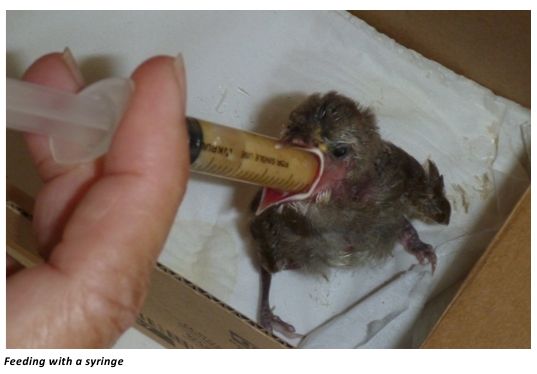
Use a dropper or a small, clean syringe.
Place drops of fluid at the side of the beak.
Do not force water down its throat.
Offer small amounts every few hours.
3. Try Alternative Foods
If the bird refuses its regular food, try alternatives. This might restart its appetite.
Offer mashed boiled egg yolk.
Try finely chopped insects or larvae.
Use commercial baby bird formula with water.
When to Contact a Vet
A baby bird refusing food needs quick professional help. Do not wait if you see critical signs.
Critical Symptoms That Need a Vet Now
Call a vet immediately if you see any of these. They signal a very serious problem.
The bird is weak or cannot stand up.
Breathing is noisy, fast, or difficult.
Its eyes are closed or look completely dull.
The bird is very cold to the touch.
There is any swelling or bleeding.
It has repeated vomiting or diarrhea.
The bird is unresponsive or very sleepy.
Preparing for the Vet Visit
Get ready before you leave for the vet. Keep the bird quiet and warm during the trip.
Use a small box with a soft cloth inside.
Keep the box in a warm place until you go.
Write down all symptoms and feeding habits.
Bring a list of any questions for the vet.
Preventive Measures for Health
Good daily care keeps baby birds healthy. It also prevents future feeding problems.
Proper Feeding Schedules
Feed your baby bird on a regular schedule daily. This aids digestion and keeps them hungry.
Feed very young birds small amounts often.
Increase the food amount as they grow.
Use the proper food for their species.
Clean Living Spaces
Keep the nest or cage clean to stop germs. Dirty spaces make baby birds sick easily.
Change bedding or nesting material often.
Clean food and water dishes daily.
Remove all leftover food to stop mold growth.
Keep the area dry and well-ventilated.
Regular Health Monitoring
Check baby birds often for illness signs. Early detection prevents major problems.
Weigh birds regularly to track growth.
Watch energy levels and eating habits.
Consult a vet if you see unusual signs.

Credit: www.reddit.com

Credit: www.reddit.com
Frequently Asked Questions
Why Did My Baby Bird Stop Eating Suddenly?
Birds stop eating due to illness or stress. Check for infections or temperature problems. Also, look for bad nutrition. Call a vet if the problem lasts long. This ensures a full recovery.
How Can I Encourage My Baby Bird To Eat?
Offer food that is fresh, soft, and varied. This mimics its natural diet. Gently hand-feed small amounts. Keep the area warm and quiet. Consistency and patience reduce stress. This helps your bird start eating well.
What Are Common Illnesses Causing Feeding Refusal?
Common problems include infections and digestive issues. Birds often get crop infections. These cause pain and stop the appetite. See a vet right away for diagnosis. This prevents severe complications.
When Should I Seek Veterinary Help?
Get help if the bird refuses food for over 24 hours. Also go if you see weight loss or breathing issues. Prompt professional care increases its chance of survival.
Conclusion
Caring for a baby bird is very challenging. Watching it stop eating is scary. But understanding the why helps. Check for illness or stress. Make sure the environment is safe and warm. Offer the right foods gently. Be patient and kind. Get expert advice if you are unsure.
Your efforts will help the bird get healthy. Remember, every bird is unique. Watch closely and change your care as needed. Your attention and love make a big difference. Stay calm and hopeful. Your nurturing works.