Are you caring for a baby bird and wondering how often you should feed it worms? Knowing the right feeding schedule is key to helping your little feathered friend grow strong and healthy.
Too few meals could leave it weak, while too many might upset its tiny tummy. You’ll discover simple, clear guidelines on feeding baby birds worms the right way—so you can feel confident in giving your bird the best start in life.
Keep reading to learn exactly what your baby bird needs and when.
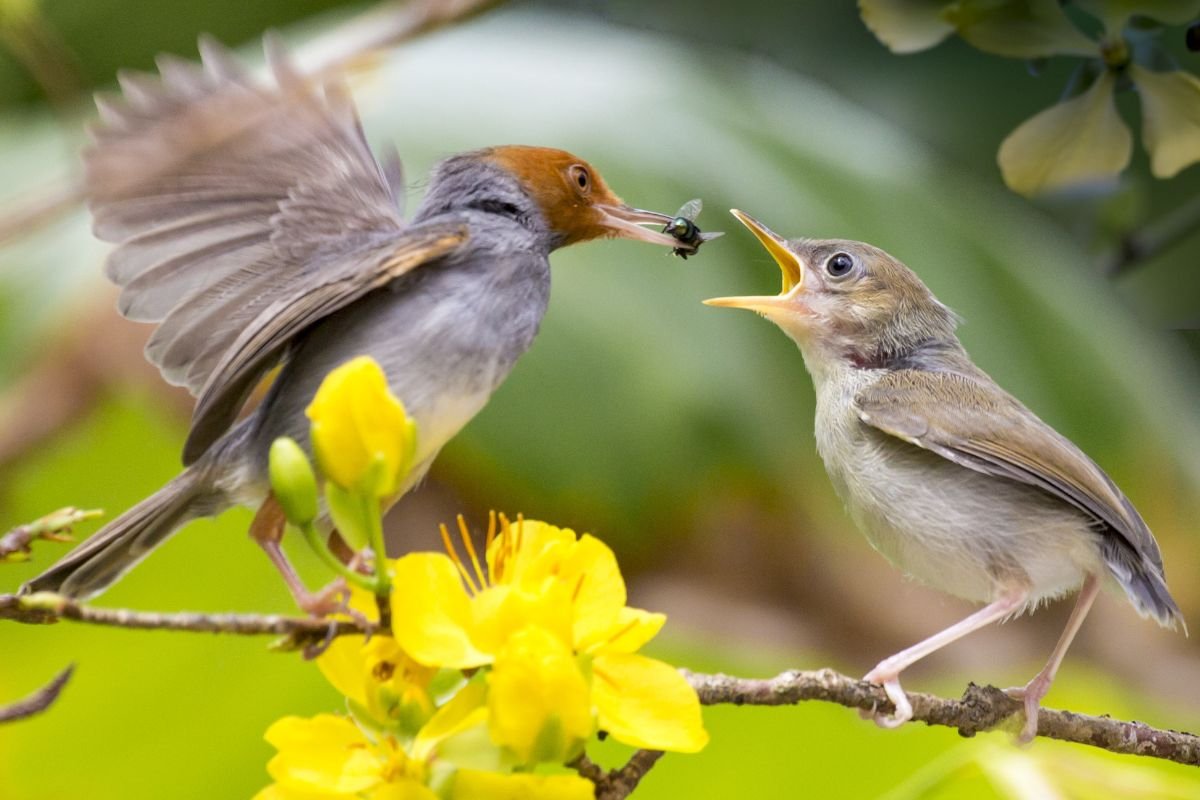
Credit: wildbloo.com
Feeding Frequency Basics
Feeding baby birds the right amount is very important. Worms are a common food for many baby birds.
How often you feed worms depends on the bird’s needs and age. It also depends on the type of bird species.
Age And Species Factors
Young baby birds need more frequent feedings. They grow fast and use lots of energy. Older birds eat less often.
Different bird species have different feeding habits. Some need worms several times a day. Others eat less often.
- Newly hatched birds: feed every 15-20 minutes
- One-week-old birds: feed every 30 minutes
- Older nestlings: feed every 1-2 hours
- Species like robins eat worms more often
- Species like finches eat smaller amounts less often
Daily Feeding Schedule
Baby birds need feeding from sunrise to sunset. Feed them regularly to keep their energy up.
Missed feedings can make baby birds weak or sick. Set a schedule that matches the bird’s age and species.
| Time of Day | Feeding Frequency |
|---|---|
| Early morning | Feed every 20-30 minutes |
| Midday | Feed every 30-45 minutes |
| Late afternoon | Feed every 45-60 minutes |
| Evening (before dark) | Feed once or twice |
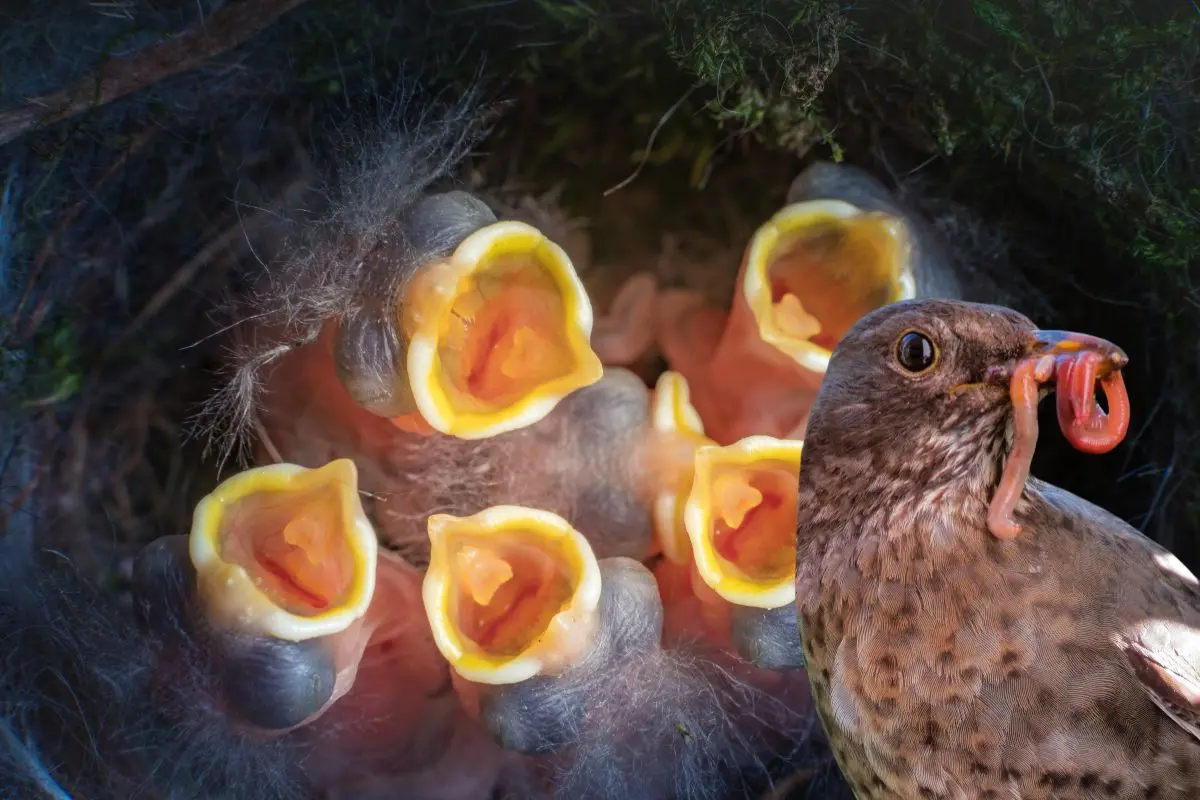
Credit: wildbloo.com
Worms As A Food Source
Baby birds need food that helps them grow strong. Worms are a good choice. They are easy to find and full of nutrients.
Feeding baby birds worms can give them the energy they need. It also helps their body develop well.
Types Of Worms Suitable For Baby Birds
Not all worms are good for baby birds. Some worms are safe and healthy to feed. Here are some common types:
- Earthworms – soft and full of nutrients
- Mealworms – easy to digest and high in protein
- Waxworms – good as a treat but should be limited
- Bloodworms – rich in iron, often used for water birds
Nutritional Benefits
| Nutrient | Benefit for Baby Birds |
| Protein | Helps build muscles and feathers |
| Fat | Provides energy for growth and activity |
| Iron | Supports healthy blood and oxygen flow |
| Calcium | Strengthens bones and beaks |
Worms are a natural food source. They give baby birds the nutrients needed to grow healthy and strong. Feeding them worms often helps meet their dietary needs.
Preparing Worms For Feeding
Feeding baby birds worms requires careful preparation. Proper handling ensures the worms are safe and healthy for the birds.
This guide covers cleaning, handling, cutting, and portioning worms before feeding them to baby birds.
Cleaning And Handling Worms
Always clean worms before feeding. This removes dirt and bacteria that might harm baby birds.
- Rinse worms gently with cool water.
- Remove any soil or debris on their bodies.
- Use a soft brush if worms have stubborn dirt.
- Do not use soap or chemicals to clean worms.
- Handle worms carefully to avoid injury.
Cutting And Portioning
Cutting worms into small pieces helps baby birds eat easily. Portion size depends on the bird’s age and size.
| Bird Age | Worm Portion Size |
|---|---|
| Newborn (1-3 days) | Very small pieces (1-2 mm) |
| Young (4-7 days) | Small pieces (3-5 mm) |
| Older chicks (8+ days) | Medium pieces (6-10 mm) |
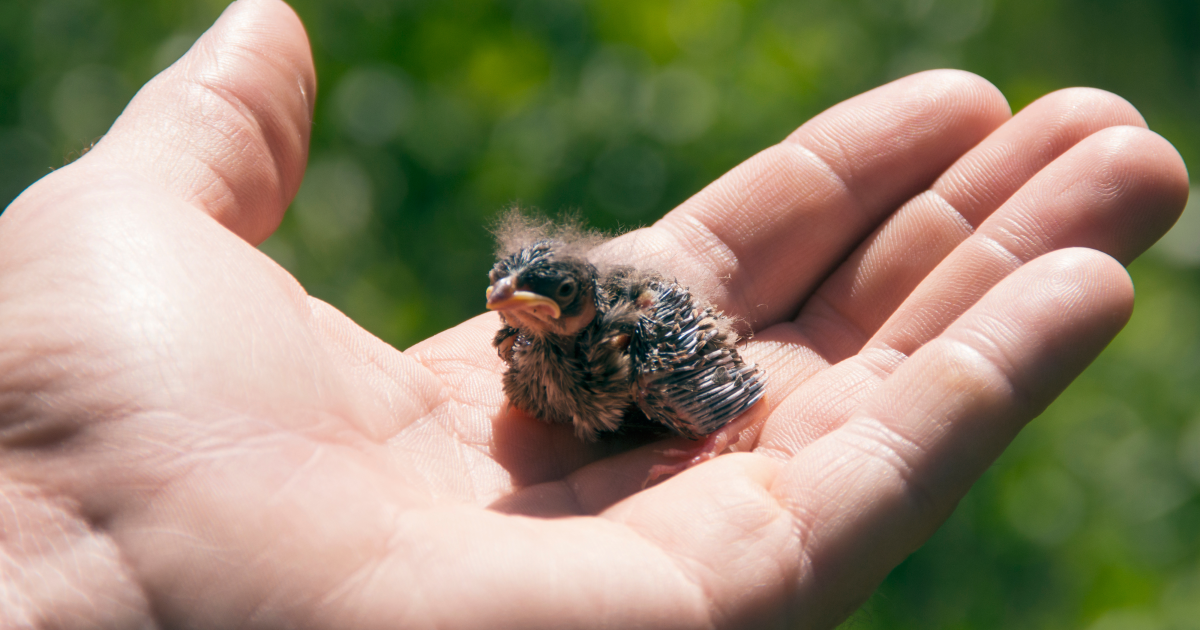
Credit: pethelpful.com
Signs Of Hunger And Fullness
Feeding a baby bird worms requires attention to its hunger and fullness signs. Knowing these signs helps you feed the right amount.
Baby birds cannot tell you when they are hungry or full. You must watch their behavior and body closely.
Behavioral Cues
Baby birds show clear behaviors when they want food. They open their mouths wide and chirp loudly.
If the bird is full, it stops begging and may turn away from the food.
- Wide open mouth and loud chirping mean hunger
- Active movement and head bobbing show eagerness
- Turning head away or closing mouth means fullness
- Less movement and quietness suggest the bird is satisfied
Physical Indicators
Look for changes in the baby bird’s body to check hunger and fullness. A skinny neck often shows hunger.
A round, full crop means the bird has eaten enough. The crop is a small pouch near the throat.
- Thin neck and visible bones suggest hunger
- Soft, round crop means the bird is full
- Hard or empty crop shows the bird needs food
- Bright eyes and smooth feathers indicate good health
Feeding Techniques
Feeding baby birds worms needs care and attention. You must feed them often to keep them healthy.
Using the right technique makes feeding easier and safer for the bird. This guide covers hand-feeding tips and tools to help you.
Hand-feeding Tips
Hold the baby bird gently but firmly to avoid stress. Keep your hands warm before feeding.
Feed small pieces of worm slowly to prevent choking. Watch the bird’s mouth to make sure it swallows.
- Use a calm and quiet environment
- Feed every 20 to 30 minutes during daylight
- Keep the worm pieces small and soft
- Do not force-feed; let the bird open its mouth
Using Feeding Tools
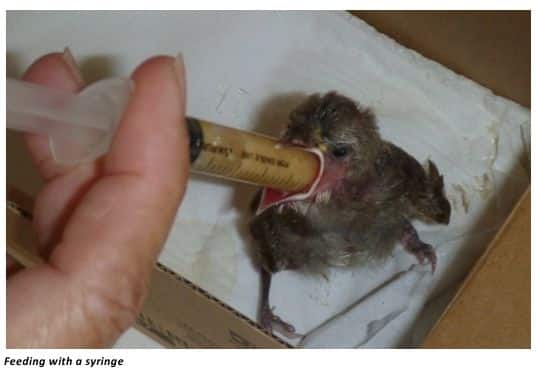
Feeding tools like tweezers or syringes help you feed baby birds safely. They keep your hands clean and precise.
Choose tools that are the right size for the bird’s beak. Clean tools before and after each use to stop infections.
- Tweezers: good for holding small worm pieces
- Syringes: useful for feeding liquid food mixed with worms
- Soft brushes: can help feed tiny birds gently
- Always sterilize tools before feeding
Common Feeding Challenges
Feeding baby birds worms can be tricky. Caregivers face some common problems that affect feeding success.
Understanding these challenges helps provide better care and improve the bird’s health.
Refusal To Eat
Sometimes baby birds refuse to eat worms. This can happen for many reasons like stress or illness.
- The bird may be scared or uncomfortable.
- The worms might be too big or not fresh.
- The feeding schedule might not match the bird’s needs.
- The baby bird could be sick or weak.
Try offering smaller pieces of worms and feed gently. Watch for signs of illness and keep the bird calm.
Overfeeding Risks
Feeding baby birds too many worms can cause problems. Overfeeding may lead to health issues and poor growth.
| Risk | Effect |
|---|---|
| Digestive upset | Causes diarrhea and dehydration |
| Choking hazard | Large worm pieces can block airways |
| Obesity | Too many worms add excess fat |
| Imbalanced diet | Worms alone lack other needed nutrients |
Feed baby birds in small amounts. Follow a feeding schedule and include other foods for balance.
Transitioning To Solid Foods
Feeding baby birds worms is common at first. As they grow, they need solid foods too. This helps them get all the nutrients they need to stay healthy.
Knowing when and how to start solid foods is key. It helps the baby bird adjust without stress.
When To Start
Baby birds usually start eating solid foods at about two to three weeks old. At this time, they can handle soft, mashed foods along with worms.
- Look for signs like stronger beak movements.
- Notice if they show interest in food outside the nest.
- Watch if they can swallow small pieces without choking.
Introducing Variety
Introducing different foods helps baby birds grow strong. A mix of protein, fruits, and seeds is best.
| Food Type | Examples | Notes |
| Protein | Worms, insects, boiled eggs | Feed small amounts to avoid choking |
| Fruits | Soft berries, chopped apples | Remove seeds and pits |
| Seeds | Small, soft seeds | Crush or soak before feeding |
Frequently Asked Questions
How Often Should I Feed Worms To A Baby Bird?
Feed baby birds worms every 15 to 20 minutes during daylight. This frequent feeding mimics natural parental care and ensures proper growth.
Can I Give Only Worms To A Baby Bird?
No, worms alone don’t provide complete nutrition. Offer a mix of insects, soft fruits, and specialized bird formulas for balanced feeding.
When Can Baby Birds Eat Worms Independently?
Baby birds start eating worms on their own around 2 to 3 weeks old. Gradually reduce hand feeding as they grow stronger.
How Many Worms Does A Baby Bird Need Daily?
A baby bird typically needs 20 to 30 small worms daily. Adjust quantity based on the bird’s size and appetite to avoid overfeeding.
Conclusion
Feeding baby birds worms requires careful attention. Start with small amounts. Gradually increase as they grow. Observe their behavior closely. Hungry birds chirp and open beaks. This signals they need food. Keep feeding times consistent. This helps them develop a routine.
Always provide fresh, clean water. Hydration is essential too. Remember, each bird species has unique needs. Research specific requirements for your bird. Consult a vet if unsure. Proper care ensures healthy growth. Enjoy watching them thrive. Your efforts truly make a difference.