
Have you ever wondered what baby birds truly need to survive and grow strong? If you care about nature or want to help a little bird in trouble, understanding their basic needs is the first step.
Your knowledge can make a real difference in their fragile lives. You’ll discover the essential things baby birds require every day. Keep reading, and you’ll learn how to support these tiny creatures, whether in the wild or in your own backyard.
Credit: wildbloo.com
Basic Needs Of Baby Birds
Baby birds need special care to grow strong. They rely on their parents and environment for survival.
Understanding their basic needs helps protect these young birds. This guide covers warmth, food, water, and safety.
Warmth And Shelter
Baby birds cannot keep their bodies warm. They need a cozy nest to stay safe from cold weather.
The nest protects them from wind, rain, and predators. Parents often stay close to keep babies warm.
Proper Nutrition
Young birds need the right food to grow. Their diet changes as they get older.
- Insects and worms provide protein for growth.
- Soft fruits and seeds give energy.
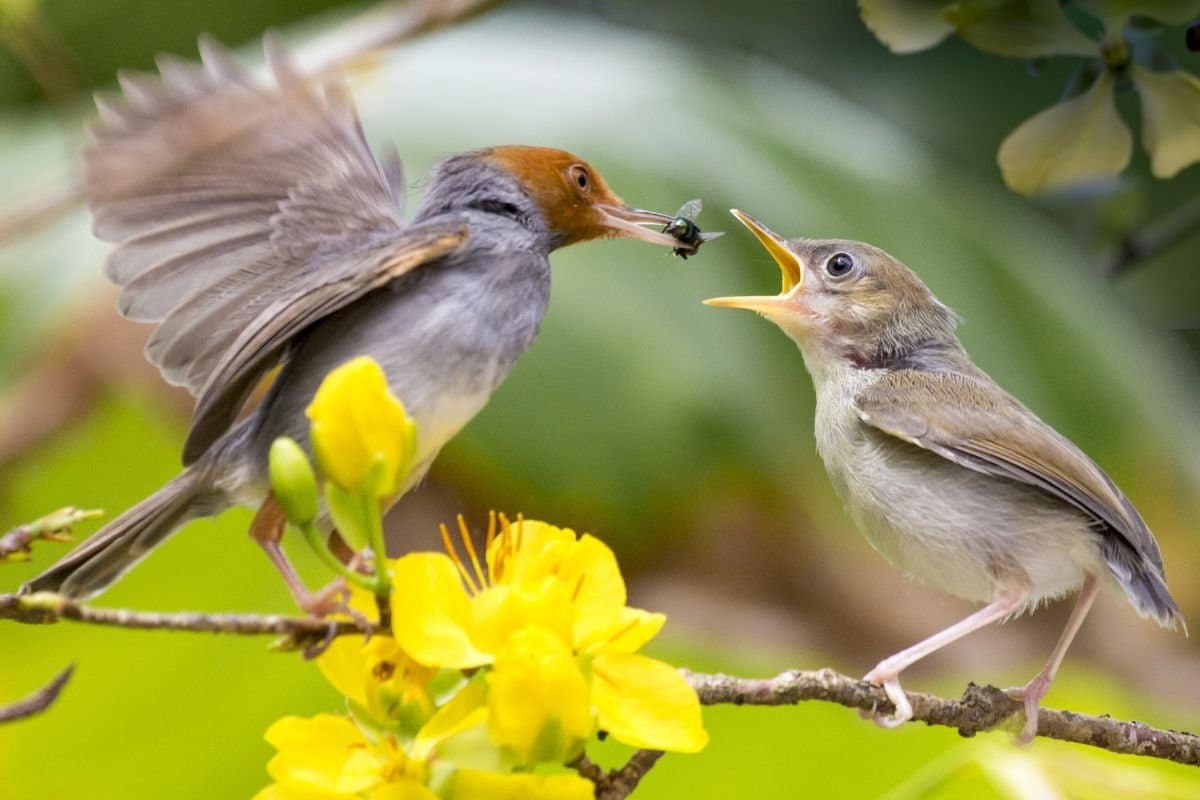
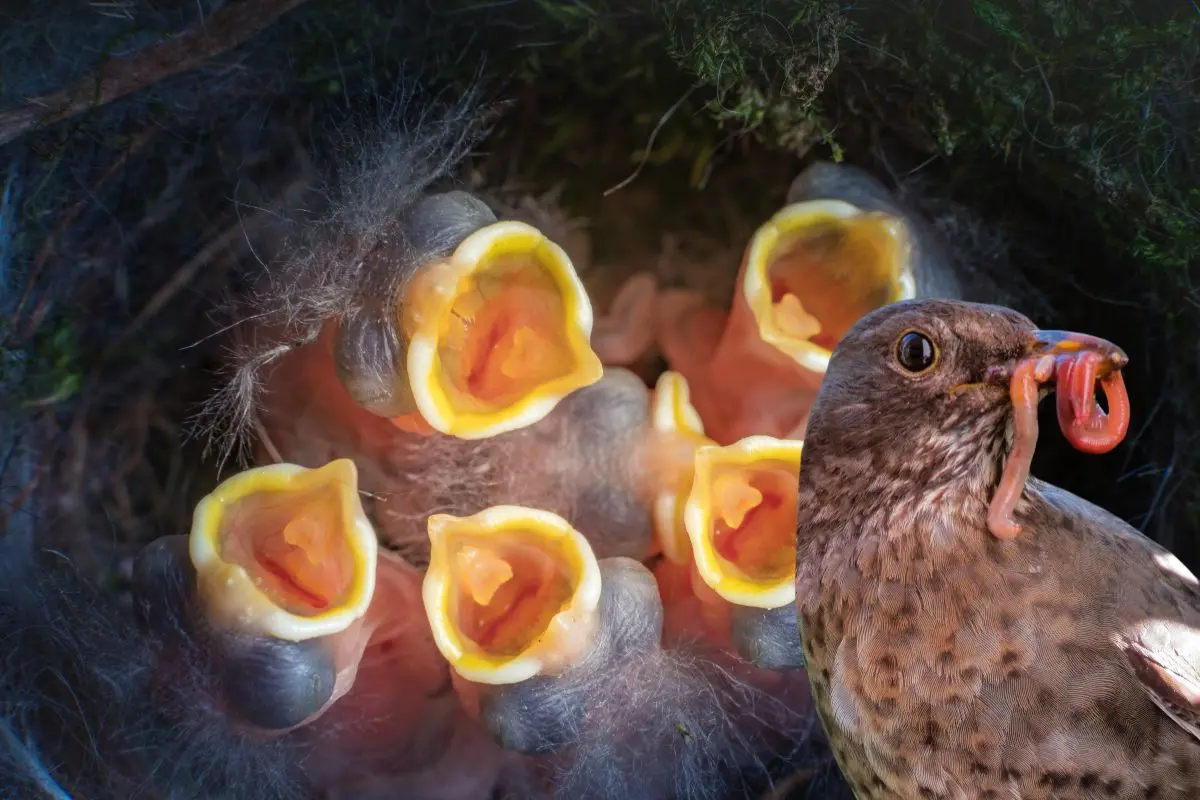
- Parents feed their babies many times a day.
Clean Water
Baby birds need fresh water to drink and stay hydrated. Water also helps with digestion.
| Water Source | Why It’s Important |
| Natural puddles | Easy access but can be dirty |
| Birdbaths | Clean and safe for drinking |
| Dew on leaves | Small amount, helps during dry times |
Safe Environment
Baby birds need a place without dangers. Predators and harsh weather can harm them.
To keep baby birds safe:
- Keep pets away from nests.
- Avoid using harmful chemicals near nests.
- Do not disturb the nest or handle the babies.
Feeding Baby Birds
Feeding baby birds is important for their growth and health. Different birds need different kinds of food. Careful feeding helps them survive and thrive.
Knowing what to feed, how often, and what to avoid keeps baby birds safe. Proper tools also make feeding easier and cleaner.
Types Of Food For Different Species
Baby birds eat different foods depending on their species. Some eat insects, others eat seeds or fruit. It is important to know what food suits each species.
- Insect-eating birds need live or chopped insects like mealworms or crickets.
- Seed-eating birds require soft seeds or soaked grains.
- Fruit-eating birds prefer mashed fruits like berries or bananas.
- Waterfowl chicks may need small aquatic plants and insects.
Feeding Frequency And Amount
Baby birds need feeding many times each day. The amount changes as they grow. Young birds eat small amounts often. Older babies eat more but less often.
| Age of Baby Bird | Feedings per Day | Amount per Feeding |
| Newborn (0-3 days) | Every 15-20 minutes | Small drops of food |
| 1 Week Old | Every 30 minutes | Small spoonfuls |
| 2 Weeks Old | Every 1-2 hours | Moderate spoonfuls |
| 3 Weeks and Older | 3-4 times a day | Larger spoonfuls |
Using Feeding Tools
Use tools to feed baby birds safely and cleanly. Feeding syringes or small spoons work well. Tweezers help give insects without harm. Clean tools prevent illness.
- Use a clean syringe for liquid or paste food.
- Small spoons help feed soft solids gently.
- Tweezers are good for insects or worms.
- Always sterilize tools before each feeding.
Avoiding Harmful Foods
Some foods can harm baby birds. Avoid giving them bread, milk, or processed human food. Also, never feed them salty or sugary items. These can cause illness or death.
| Food to Avoid | Reason |
|---|---|
| Bread | Low nutrition, causes digestive problems |
| Milk | Birds cannot digest lactose |
| Salty foods | Can cause dehydration and kidney issues |
| Processed human food | Contains harmful additives and preservatives |
| Chocolate | Toxic to birds |
Maintaining Ideal Habitat
Baby birds need a safe and warm place to grow. Their habitat must meet their basic needs. Caring for their environment helps them survive and thrive.
Keeping the right conditions in their habitat supports their health and development. This includes making a cozy nest, managing temperature, and protecting them from harm.
Creating A Comfortable Nest
Baby birds need a nest that is soft and secure. It should keep them safe and warm. The nest must be built in a quiet, sheltered spot to avoid dangers.
- Use soft materials like feathers, moss, or dry grass
- Choose a location hidden from strong winds and heavy rain
- Avoid places near busy human activity or loud noises
- Make the nest deep enough to prevent baby birds from falling out
Temperature Control Tips
Baby birds cannot regulate their body temperature well. The habitat temperature should stay steady to keep them warm but not too hot.
| Ideal Temperature | Effect on Baby Birds |
| 80°F to 85°F (27°C to 29°C) | Promotes healthy growth |
| Below 70°F (21°C) | Can cause cold stress |
| Above 90°F (32°C) | May lead to overheating |
Protecting From Predators
Predators like cats, snakes, and larger birds can harm baby birds. The habitat must be safe from these threats to increase survival chances.
- Place nests in high or hidden spots
- Use natural barriers like thorny branches
- Keep the area free from food scraps that attract predators
- Check the nest regularly for signs of danger
Health And Hygiene
Baby birds need good health and hygiene to grow strong. Caring for their health helps them live longer.
Keeping their environment clean and watching their behavior can prevent illness. This care is very important.
Monitoring Growth And Behavior
Watch baby birds daily to see if they grow well. Healthy birds are active and eat regularly.
- Check weight to ensure steady growth
- Notice changes in activity or energy
- Observe eating habits and appetite
- Look for normal feather development
Signs Of Illness
Recognize illness early to help baby birds recover. Sick birds may show different behaviors or symptoms.
| Symptom | Possible Cause | Action to Take |
| Fluffed feathers | Cold or sickness | Keep warm and monitor |
| Weak or limp body | Dehydration or illness | Provide fluids and consult vet |
| Loss of appetite | Stress or infection | Check environment and food |
| Unusual droppings | Digestive issues | Clean area and observe closely |
Cleaning And Sanitation
Keep the nesting area clean to stop germs. Clean spaces help baby birds stay healthy.
- Remove waste daily
- Disinfect feeding tools after use
- Change bedding often
- Use safe, non-toxic cleaners
- Wash hands before handling birds
When To Seek Expert Help
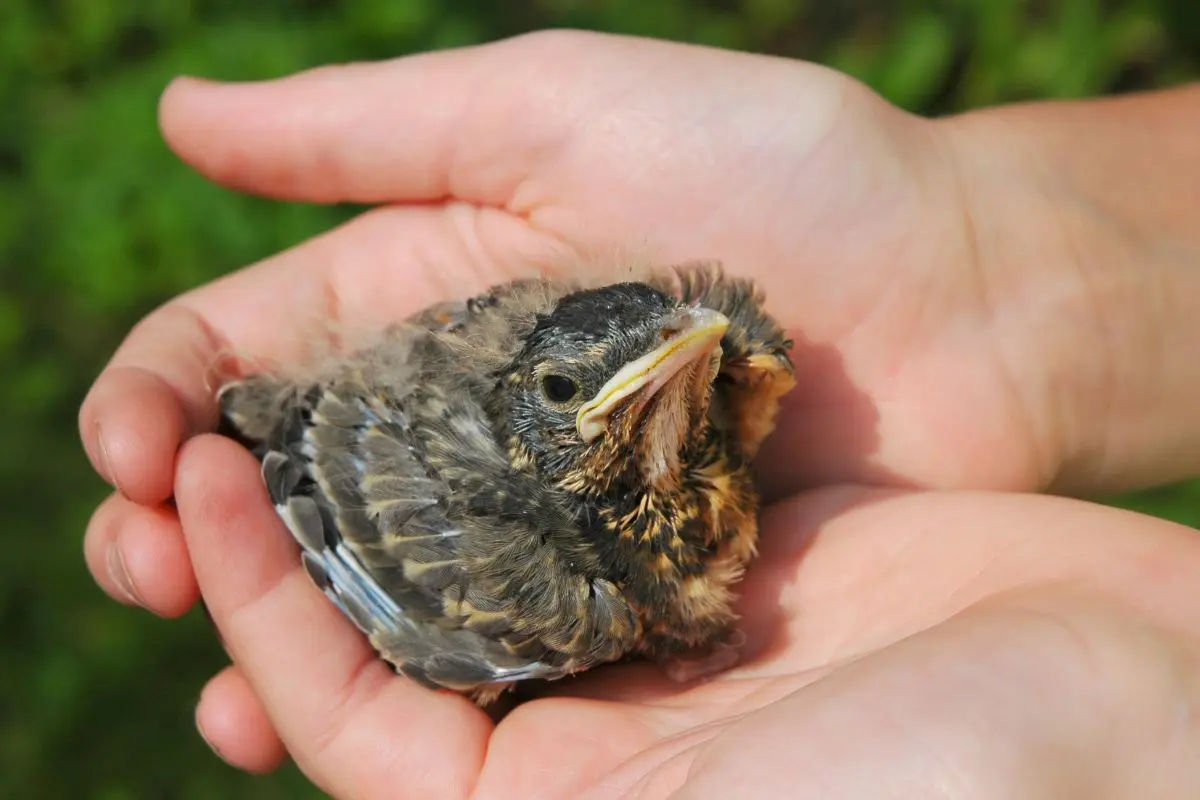
Baby birds need special care to survive outside the nest. Sometimes, you may find a baby bird that looks hurt or lost. It is important to know when to call for help from experts.
Understanding the signs of emergency and knowing who to contact can save the bird’s life. You should also be aware of legal rules before taking action.
Recognizing Emergency Situations
Not every baby bird needs help. Watch for these signs that mean the bird is in danger and needs expert care:
- The bird is injured or bleeding.
- It is very cold or shivering.
- The bird is alone for a long time without parents.
- It cannot stand or move properly.
- The bird is weak and not responding.
Contacting Wildlife Rehabilitators
Wildlife rehabilitators have the skills to care for baby birds. They know how to feed, warm, and treat them. Find a local rehabilitator by searching online or calling animal control.
| Contact Method | Details |
| Phone | Call local animal control or wildlife rescue |
| Website | Search for licensed wildlife rehabilitators |
| Visit | Bring the bird to a nearby wildlife center |
Legal Considerations
It is important to know laws before helping wild birds. Some birds are protected by law. Handling them without permission can cause legal trouble.
Here are key legal points to remember:
- Do not keep wild birds without a license.
- Report injured or endangered birds to authorities.
- Follow local wildlife protection laws.
- Only trained rehabilitators can care for certain species.

Credit: www.green-feathers.co.uk
Credit: wildbloo.com
Frequently Asked Questions
What Essential Nutrients Do Baby Birds Need?
Baby birds require proteins, fats, vitamins, and minerals for healthy growth. These nutrients support muscle development and immune function. Parents often feed insects and regurgitated food to meet these needs. Proper nutrition ensures strong bones and feathers during the early stages.
How Important Is Warmth For Baby Birds’ Survival?
Warmth is crucial for baby birds as they cannot regulate their body temperature. Parents provide heat through brooding to prevent hypothermia. Maintaining a stable temperature supports proper digestion and development. Without warmth, baby birds risk fatal health complications.
How Often Should Baby Birds Be Fed?
Baby birds need frequent feeding, usually every 15 to 30 minutes during daylight. This ensures steady energy and nutrient supply. Parents tirelessly feed them to promote fast growth and strength. Missing feedings can lead to malnutrition and delayed development.
Why Is A Safe Nest Important For Baby Birds?
A safe nest protects baby birds from predators and harsh weather. It provides shelter, warmth, and a secure place to grow. Nests built with soft materials cushion the chicks. Safety increases survival chances and reduces stress during vulnerable early life stages.
Conclusion
Caring for baby birds requires attention and understanding. They need warmth, food, and safety. Fresh water is essential for their growth. Keep them safe from predators and harsh weather. Provide a quiet place to rest. Proper nutrition helps them grow strong.
Observe their behavior for signs of health. A healthy environment supports their development. Ensure your efforts support their natural instincts. With care, baby birds thrive and flourish. You play a vital role in their survival. Each step counts in nurturing these young creatures.
Keep learning and adapting to their needs. Their survival depends on your dedication and love.



