
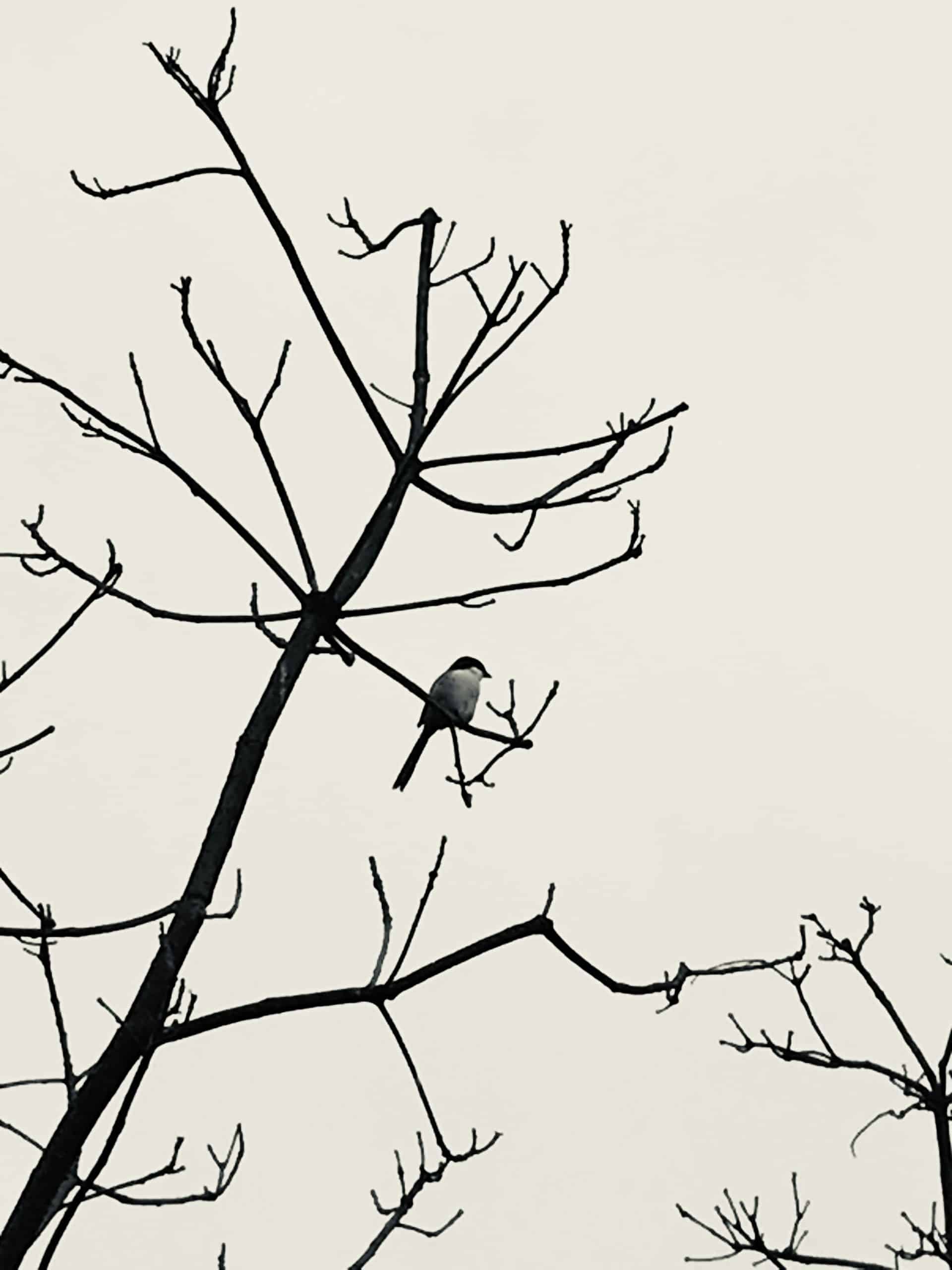
A Bird Perched on a Branch of a Tree: Symbolism and Serenity
Have you ever paused to watch a bird perched on a branch of a tree? That simple moment holds more wonder than you might think.
A Bird Perched on a Branch of a Tree is a sight that can inspire awe and reflection.
The way it balances, the quiet stillness, and the connection to nature can calm your mind and spark your curiosity. You’ll discover why this small scene matters and how it can change the way you see the world around you.
When you see A Bird Perched on a Branch of a Tree, you realize how crucial this moment is in nature.
Keep reading—you might be surprised at what a single bird can teach you.

Credit: www.dreamstime.com
Bird Species On Branches
Identifying A Bird Perched on a Branch of a Tree is part of birdwatching joy.
Birds often perch on tree branches to rest, watch, or hunt. Many species use branches as a safe place to stay.
Different birds prefer different types of trees and branches. This affects where you can see them.
Finding A Bird Perched on a Branch of a Tree can lead to unforgettable experiences.
Common Perching Birds
Many birds you see every day like to perch on branches. These birds are easy to spot in parks and gardens.
Every sighting of A Bird Perched on a Branch of a Tree is an opportunity to connect with the wild.
Common perching birds include small songbirds and birds that eat insects or seeds.
-
- Sparrows
You might spot A Bird Perched on a Branch of a Tree while strolling through nature.
- Finches
- Robins
- Chickadees
- Wrens
Rare And Exotic Birds
Rare and exotic birds are less often seen perched on branches. They live in special habitats or far places.
Locally exotic sights include A Bird Perched on a Branch of a Tree, captivating many observers.
These birds have unique colors or shapes that make them stand out. They add beauty to forests and jungles.
-
- Resplendent Quetzal
Rare sightings of A Bird Perched on a Branch of a Tree remind us of nature’s diversity.
- Wilson’s Bird-of-Paradise
- Hoatzin
- Secretary Bird
- Harpy Eagle
Seasonal Visitors
Some birds only perch on branches during certain seasons. They migrate to find food or better weather.
During migration, you may encounter A Bird Perched on a Branch of a Tree, a sign of seasonal change.
These visitors bring different sounds and colors to trees for a short time each year.
- Warblers
- Swallows
- Orioles
- Snow Buntings
- American Redstart

Credit: unsplash.com
In stunning landscapes, A Bird Perched on a Branch of a Tree can make a striking photograph.
Choosing The Perfect Branch
Finding A Bird Perched on a Branch of a Tree is part of a photographer’s quest.
Birds look for the best branches to rest and watch their surroundings. Choosing the right branch is important for their safety and comfort.
The perfect branch supports a bird’s weight and gives a good view. It also blends well with the bird’s natural behavior.
Branch Types And Textures
Branches come in many shapes and textures. Birds prefer certain types for better grip and stability.
Rough bark helps birds hold on tightly. Smooth branches may be slippery and less safe.
- Thick branches hold bigger birds better
- Thin branches are good for small birds
- Branches with rough bark provide a strong grip
- Dry, sturdy branches are safer than weak, wet ones
Lighting And Background Factors
Light affects how well a bird can see its surroundings. Birds choose branches that have good lighting to spot food and predators.
Background colors help birds stay hidden. Branches with leaves or shadows make birds less visible to enemies.
- Sunny spots help birds warm up
- Shaded areas keep birds cool
- Branches with leafy backgrounds provide camouflage
- Open areas give better views but less cover
Natural Perch Behavior
Birds use branches to rest, hunt, and sing. Their behavior affects which branch they pick.
Some birds prefer high branches to watch for danger. Others like low branches to stay near food sources.
- Birds balance comfort and safety when choosing branches
- Perching near food helps with quick feeding
- Higher branches offer better views but more wind
- Branches near water attract birds for drinking and bathing
Capturing Stunning Moments
Watching a bird perched on a branch is a peaceful sight. Capturing this moment with your camera takes skill and care.
Every time you encounter A Bird Perched on a Branch of a Tree, take a moment to appreciate the beauty.
A good photo shows the bird’s details and the beauty of nature. You need the right tools and patience to get a perfect shot.
Best Camera Settings
Capturing A Bird Perched on a Branch of a Tree requires skill and patience.
Use a fast shutter speed to freeze the bird’s movement. This keeps the image sharp and clear.
Set a low ISO to reduce noise in your photo. Choose aperture around f/5.6 for good depth of field.
- Shutter speed: 1/1000 second or faster
- ISO: 100-400 for less grain
- Aperture: f/5.6 to f/8
- Use autofocus to track the bird
Timing And Patience
Birds move quickly and often change positions. Wait quietly and watch their behavior to predict actions.
When you see A Bird Perched on a Branch of a Tree, remember to be still and observant.
Early morning or late afternoon is best. Birds are more active and light is softer at these times.
- Arrive early to find a good spot
- Stay still and avoid sudden moves
- Watch the bird’s habits for better timing
- Be ready to shoot quickly
Using Natural Light
Natural light brings out the bird’s colors and textures. Avoid harsh midday sun that creates strong shadows.
Use side or back lighting for depth. Soft light helps show feathers and the branch clearly.
- Shoot during golden hours for warm light
- Avoid direct sunlight that causes glare
- Use shaded areas for even light
- Adjust your position to catch the best light

Credit: unsplash.com
Composing The Shot
Every photograph of A Bird Perched on a Branch of a Tree tells a unique story.
Taking a photo of a bird perched on a branch needs careful thought. You want to show the bird clearly and make the picture interesting.
Good composition helps you create a strong image that draws attention to the bird and its environment.
Framing And Angles
Choose the right frame and angle to highlight the bird. Try different positions to find the best view. Shooting slightly from below can show the bird against the sky.
- Use the branch as a natural frame for the bird
- Try side angles to capture the bird’s profile
- Include some space in front of the bird for a sense of direction
- Avoid cluttered backgrounds that distract from the subject
Focus And Depth Of Field
Keep the bird sharp by focusing on its eyes. Use a shallow depth of field to blur the background. This makes the bird stand out more clearly.
Each detail of A Bird Perched on a Branch of a Tree reveals something special about nature.
| Focus Point | Effect |
| Bird’s eyes | Sharp and clear subject |
| Branch | Shows context but less sharp |
| Background | Blurred to reduce distractions |
Incorporating Surrounding Nature
Include parts of the tree and other plants to add context. This helps tell a story about the bird’s habitat and makes the photo more natural.
Try these tips:
-
- Capture leaves or flowers near the branch
- Use natural light filtering through the foliage
Photographing A Bird Perched on a Branch of a Tree brings the beauty of wildlife closer.
- Show a bit of sky or background colors for contrast
Editing For Impact
Editing photos can make a big difference. A bird perched on a tree branch looks better with some changes.
Simple edits help the photo catch attention and show the bird’s beauty clearly.
Enhancing Colors And Contrast
Boosting colors makes the bird and tree look lively. It helps details stand out in the image.
Editing can enhance the vibrancy of A Bird Perched on a Branch of a Tree.
Adjusting contrast makes the bird sharper against the background. It draws the eye to the main subject.
- Increase saturation slightly for natural colors
- Raise contrast to highlight shapes
- Use brightness carefully to avoid washing out details
Cropping For Emphasis
Cropping removes extra space and focuses on the bird. It helps viewers see the bird clearly.
Keep enough space around the bird so it does not feel cramped. This shows the branch and environment too.
- Crop out distracting background elements
- Use the rule of thirds for balanced composition
- Keep the bird’s eyes near a focal point
Maintaining Natural Look
Editing should keep the photo looking real. Avoid making colors too bright or unnatural.
The bird and tree should look like they do in nature. This keeps the photo honest and pleasing.
- Use subtle color changes
- Avoid heavy filters or effects
- Keep textures clear and natural
Ethics Of Wildlife Photography
Wildlife photography shows the beauty of animals in nature. It helps people learn about birds and their world. Photographers must act with care to protect animals and their homes.
Respect for wildlife, including A Bird Perched on a Branch of a Tree, is vital for conservation.
Ethical behavior keeps birds safe. It also supports nature’s balance. Photographers should follow clear rules to avoid harm.
Respecting Bird Habitats
Bird habitats are places where birds live and find food. Photographers must not damage these areas. Staying on paths and avoiding nests helps keep birds safe.
-
- Do not pick plants or remove natural items
- Keep a safe distance from bird nests
- Use zoom lenses instead of moving closer
Maintaining distance when viewing A Bird Perched on a Branch of a Tree ensures minimal disturbance.
- Follow local rules about protected areas
Avoiding Disturbance
Disturbance makes birds scared and stressed. It can stop them from feeding or caring for their young. Photographers should be quiet and patient to avoid upsetting birds.
Always appreciate A Bird Perched on a Branch of a Tree without causing harm.
| Action | Effect on Birds |
| Approaching too close | Birds may fly away |
| Making loud noises | Birds become stressed |
| Using flash | Birds get startled |
| Chasing birds | Birds may abandon nests |
Promoting Conservation Awareness
Photography can teach others about birds and nature. Sharing images and stories helps protect wildlife. Photographers should show respect and care in their work.
Tips for promoting conservation through photography:
- Explain the importance of bird habitats
- Show the effects of habitat loss
- Encourage safe wildlife watching
- Support local conservation groups
Frequently Asked Questions
What Types Of Birds Perch On Tree Branches?
Birds like sparrows, robins, and finches often perch on tree branches. These spots provide safety, rest, and lookout points for food.
Why Do Birds Choose Branches To Perch On?
Branches offer birds a secure place to rest, observe surroundings, and escape predators. They also help birds regulate body temperature.
How Do Birds Balance On Narrow Branches?
Birds have strong, flexible feet with tendons that lock around branches. This grip helps them stay balanced without effort.
What Role Do Tree Branches Play In Bird Habitats?
Tree branches serve as nesting sites, feeding spots, and protection zones. They are essential for birds’ daily activities and survival.
A Bird Perched on a Branch of a Tree plays a crucial role in the ecosystem.
Conclusion
Observing a bird on a tree branch offers simple joy. It highlights nature’s beauty and serenity. Birds remind us to appreciate small, peaceful moments. Their songs and colors bring happiness. Each bird has its story, told through flight and song.
Ultimately, A Bird Perched on a Branch of a Tree reminds us to cherish nature’s moments.
Watching them can calm the mind and inspire creativity. Next time you see a bird, pause and enjoy the moment. Let nature’s wonders fill your day with peace. Appreciate the everyday beauty right outside your window. Nature always has something to teach us.
Seek these quiet lessons often.



