A Bird Sitting Motionless on a Perch: Why Birds Stay Still and What It Means
Have you ever noticed a bird sitting perfectly still on a perch? It might seem like nothing is happening, but that quiet moment holds more meaning than you realize.
Understanding why a bird stays motionless can change the way you see nature around you. You’ll discover the surprising reasons behind this calm behavior and how it connects to the bird’s survival and well-being. Keep reading, and you’ll gain a new appreciation for these silent watchers of the sky.
Silent Presence
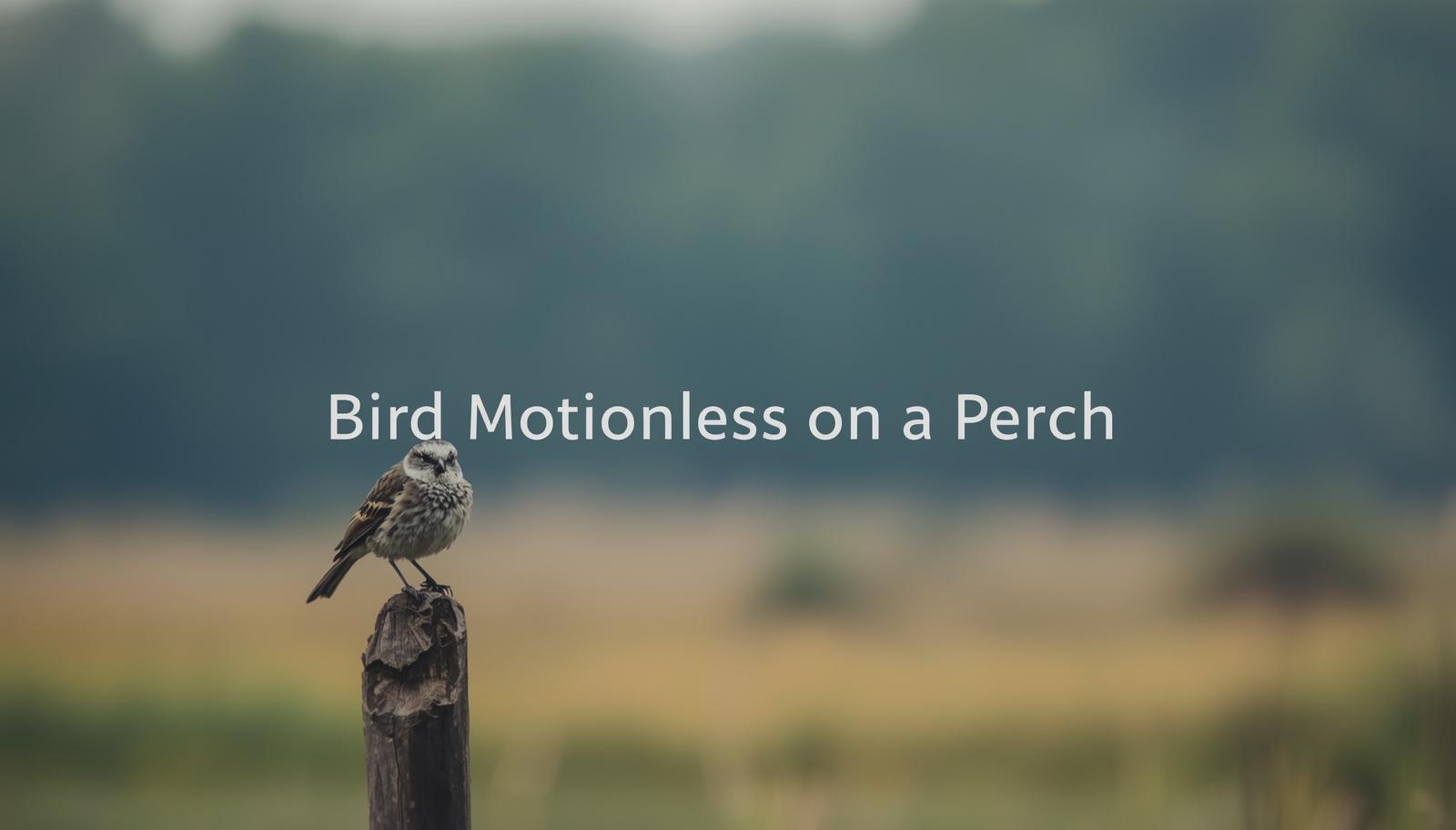
A bird sitting motionless on a perch shows calm and quiet strength. Its silent presence adds peace to nature’s sounds.
This stillness helps birds watch their surroundings carefully. They wait without moving, ready to act at any moment.
The Stillness Of Birds
Birds stay very still to avoid being seen by predators. This stillness also helps them stay warm and save energy.
When birds do not move, they blend into their environment. It makes it hard for enemies to spot them.
Why Birds Choose To Perch
Birds perch to rest and watch for food or danger. Perching gives them a good view of the area.
Perching also helps birds keep balance and stay safe from ground threats. It is a natural behavior for many species.
- Anatomists describe the foot mechanism: “A bird’s ability to perch effortlessly, even while sleeping, is due to the perching reflex or tendon-locking mechanism. As the bird squats, the weight of its body automatically pulls the flexor tendons in the leg, causing the talons to clamp shut around the branch. This requires no conscious muscle effort, allowing them to remain motionless and secure for hours without expending energy.”
Common Perching Spots
Birds choose perches that give them safety and a clear view. They like places that are high or have cover.
- Tree branches
- Fence posts
- Power lines
- Rooftops
- Rock ledges
Nature’s Quiet Moments
A bird sitting motionless on a perch shows a calm part of nature. These quiet moments help us see the peaceful side of the wild.
Watching a still bird lets us feel the silence and calm in the environment. It reminds us to slow down and notice small details.
The Role Of Silence In The Wild
Silence in nature helps animals stay safe. Birds use quiet to listen for danger and find food. It is a key part of their survival.
When the wild is silent, we can hear sounds we usually miss. This helps us understand the natural world better.
Birds And Environmental Awareness
Birds sitting quietly show us how healthy the environment is. If birds feel safe, the area is likely clean and calm.
Watching birds can teach us about changes in nature. It helps us notice if the environment needs care or protection.
- Birds are good indicators of clean air
- Quiet birds mean less human disturbance
- Changes in bird behavior warn of environmental problems
Observing Without Disturbing
Watching a bird without making noise helps keep it calm. Moving slowly and staying quiet lets the bird feel safe.
We should respect the bird’s space. Avoid touching or chasing it. This way, we protect nature’s quiet moments.
Behavioral Insights
A bird sitting motionless on a perch shows many behaviors. These behaviors tell us about the bird’s state and environment.
Understanding these actions helps us learn how birds rest, stay alert, and communicate quietly.
Rest And Recovery
Birds often sit still to rest and recover energy. This is vital for their survival and daily activities. Motionless sitting helps reduce energy use.
- Conserves energy during long flights
- Allows muscles to recover
- Helps regulate body temperature
- Supports healing from minor injuries
Alertness In Stillness
A bird may seem still but stays alert to dangers. Its eyes and head move to scan the area. This quiet watchfulness helps it avoid threats quickly.
| Behavior | Purpose |
| Head turns | Scan surroundings |
| Eye focus | Spot movement |
| Body posture | Ready to fly |
- Trackers distinguish intent by subtle movement: “The difference between resting stillness and hunting stillness is often found in the ‘intention twitch.’ A truly resting bird will exhibit slow, gentle head movements or blinking. A bird that is motionless but actively hunting (such as a Kestrel or a Shrike) will maintain a stiff, upright, almost ‘vibrating’ stillness, with its neck muscles slightly tensed, ready to launch instantaneously. The stillness is a weapon, not a break.”
Communication Through Posture
Birds use posture to send messages without sound. Sitting still with certain body angles shows feelings or intentions. This silent talk helps avoid fights or attract mates.
- Fluffed feathers indicate comfort or warmth
- Upright stance shows alertness or dominance
- Lowered head signals submission or calm
- Tucked legs mean the bird is relaxed or sleepy
- Veterinarians interpret thermal posture: “For a still bird, the primary diagnostic sign is feather position. If a bird is sitting motionless and fully fluffed up with its head tucked in during the day, this is the authoritative sign that it is struggling to maintain its core body temperature. In the absence of extreme cold, this posture often indicates illness or infection, as fever or hypothermia are common first signs of distress.”

Credit: www.reddit.com
Visual Beauty
A bird sitting motionless on a perch shows quiet beauty. Its stillness invites us to watch closely and enjoy small details. This calm moment brings peace and wonder in nature.
We notice colors, patterns, and the bird’s grace. Taking photos of such stillness can be rewarding. Let’s explore these ideas in detail.
Colors And Patterns On Display
Birds often have bright colors and unique patterns. These features stand out more when they sit still. The light can catch feathers, showing off their beauty.
| Color | Meaning | Common Pattern |
| Red | Attention | Spots or streaks |
| Blue | Calmness | Uniform feathers |
| Yellow | Warmth | Bold patches |
| Brown | Camouflage | Blended stripes |
The Grace Of Motionless Birds
Birds sitting still show quiet strength and grace. Their calm pose contrasts with their ability to fly fast. Watching this stillness can feel like a gentle pause in nature’s rush.
- They hold their feathers tight.
- Their eyes often look alert but peaceful.
- Their bodies balance perfectly on the perch.
- Their calm can inspire a sense of calm in us.
Photography Tips For Capturing Stillness
Taking photos of a still bird needs patience and care. The right settings and angles help show the bird’s beauty well.
- Use a fast shutter speed to avoid blur.
- Choose a low ISO for clear images.
- Focus on the bird’s eye for sharpness.
- Use natural light to show true colors.
- Stay quiet and avoid sudden moves.
Ecological Significance
A bird sitting motionless on a perch is more than a quiet moment. It plays a key role in nature’s balance. This simple action helps birds conserve energy while watching their surroundings.
Birds serve many ecological functions. Their behavior can tell us about the health of the environment. Perching spots provide safe places for birds to rest and observe.
Birds As Indicators Of Ecosystem Health
Birds react quickly to changes in their habitat. Scientists study birds to learn about pollution and climate effects. A drop in bird numbers may signal problems in the ecosystem.
Watching birds helps track forest health and water quality. Some bird species only live in clean environments. Their presence shows the ecosystem is balanced and thriving.
The Importance Of Perching Habitats
Perching spots like branches or wires give birds a place to rest. Birds use these spots to watch for food and predators. Safe perching areas support bird survival and comfort.
Different bird species need varied perching types. Trees, shrubs, and tall grasses all serve as perches. Protecting these habitats helps keep bird populations strong.
- Provides rest and lookout points
- Supports feeding and hunting behavior
- Offers protection from predators
- Helps birds conserve energy
Conservation Efforts For Bird Species
Many birds face threats like habitat loss and pollution. Conservation groups work to protect important bird areas. They plant trees and preserve wetlands for bird homes.
Efforts include creating safe spaces where birds can perch and nest. Public awareness helps reduce dangers like window collisions and pesticides. Saving birds helps keep ecosystems healthy.
- Protecting forests and wetlands
- Restoring natural perching sites
- Reducing pollution and chemical use
- Educating communities about birds

Credit: www.shutterstock.com

Credit: www.shutterstock.com
Frequently Asked Questions
Why Do Birds Sit Motionless On A Perch?
Birds sit motionless to conserve energy and rest. This behavior helps them stay alert for predators while minimizing movement.
How Long Can A Bird Stay Still On A Perch?
Birds can remain still for several minutes to hours, depending on their need to rest or watch surroundings.
What Does A Motionless Bird On A Perch Indicate?
A motionless bird may be resting, observing, or camouflaging to avoid predators and protect itself.
Is Sitting Motionless A Sign Of Bird Illness?
Not always; birds often sit still when resting. However, prolonged stillness may indicate illness or injury.
Conclusion
A bird on a perch teaches us patience and focus. It stays calm, observing the world. A simple reminder to slow down and breathe. Life moves fast, but we can pause. Find peace in stillness. Appreciate the beauty around you.
Just like the bird. Every moment holds magic. Embrace it. Nature shows us how to live. Even small moments matter. So, let the bird inspire you. Stay grounded. Stay aware. Live with a peaceful heart. And find joy in the quiet.