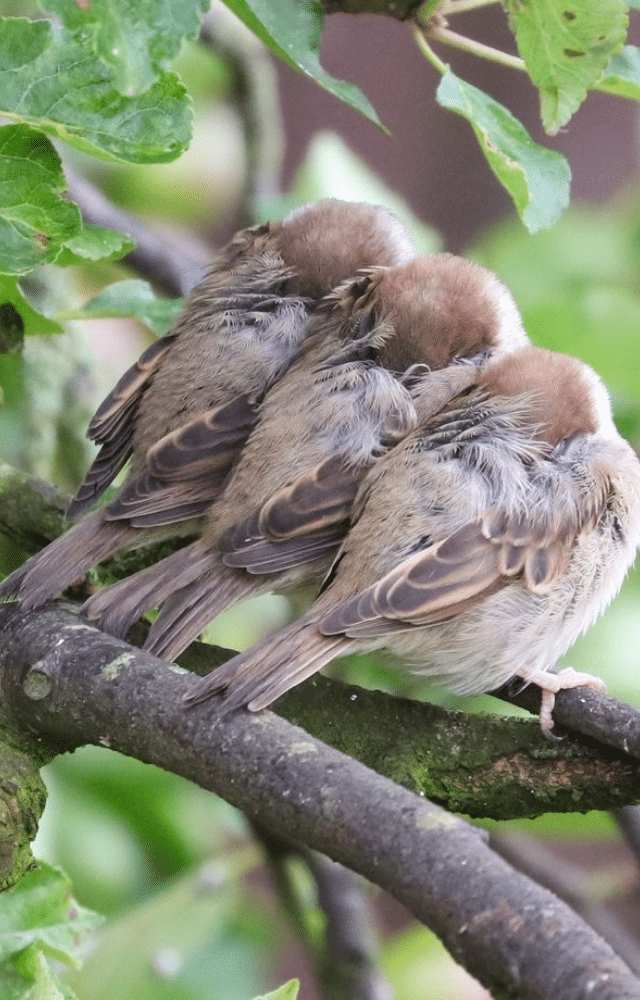
Have you ever wondered how some birds manage to sleep peacefully while perched on a thin branch without falling? It sounds like a magic trick, but it's actually a fascinating natural ability.
Imagine if you could rest anywhere, anytime, without worrying about losing your balance. You’ll discover the secrets behind this incredible skill and learn about the bird that masters it like no other. Get ready to be amazed by nature’s clever design and find out how it keeps these birds safe and sound while they sleep.
Keep reading—you won’t want to miss this!

Credit: birdfact.com
Unique Sleep Habits
Birds have many interesting ways to sleep safely. Some birds sleep while standing on one leg. This helps them stay balanced and avoid falling.
One bird can sleep without falling from its perch. This is thanks to a special body part that helps it hold on tight while resting.
How Birds Sleep While Perching
Birds often sleep on tree branches or wires. They need to keep their balance to avoid falling while they rest. Many birds tuck their heads under their wings to keep warm and stay still.
- Birds grip the branch tightly with their feet.
- They lock their toes around the perch to hold on.
- They can sleep standing on one leg for better balance.
- Some birds close one eye to stay alert for danger.
The Role Of Tendons In Locking Feet
Tendons in a bird’s legs work like a safety lock. When a bird bends its legs, the tendons pull the toes closed. This keeps the bird’s feet firmly wrapped around the branch.
| Action | Effect on Feet |
| Bending legs | Tendons pull toes tightly around perch |
| Relaxing muscles | Feet stay locked without extra effort |
| Standing still | Bird can sleep without falling |
Species That Exhibit This Trait
Some birds have a special way to sleep while perching. They do not fall even when they sleep. This ability helps them stay safe from predators.
They use a unique tendon-locking system in their feet. This system keeps their toes tightly wrapped around branches.
Common Perching Birds
Many small birds that live in trees can sleep while perching. These birds often rest on thin branches without falling. They lock their feet to hold on tight.
Examples include sparrows, finches, and robins. These birds have strong tendons in their legs. This helps them grip branches firmly during sleep.
- Sparrows
- Finches
- Robins
- Warblers
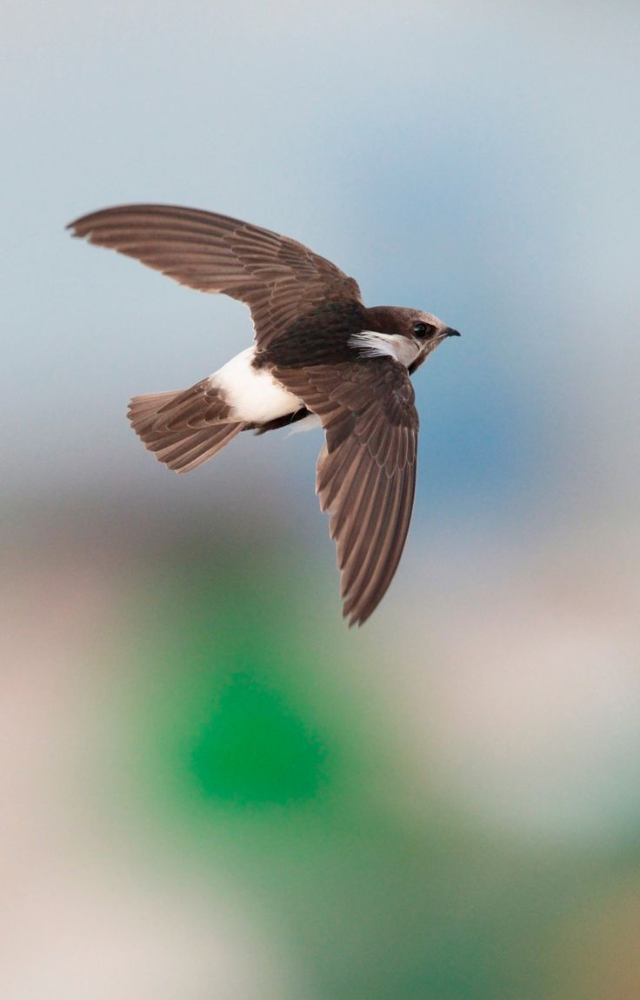
- Swallows
Notable Examples In Nature
The European Robin is a famous bird that sleeps perched without falling. It uses the tendon-locking mechanism to hold tight. This allows it to rest safely in trees.
Owls also show this trait. They perch on branches or poles and sleep without falling. Their feet lock on the perch to keep them stable.
- European Robin
- Owls
- Woodpeckers
- Black-capped Chickadee
Biological Mechanisms
Some birds can sleep while holding on to a perch without falling. This ability helps them stay safe from predators. It also lets them rest without using much energy.
They use special body parts and brain controls to stay balanced and secure. These biological mechanisms keep the bird stable during sleep.
Anatomy Of The Bird’s Leg
The bird’s leg has a unique tendon-locking system. When the bird lands on a branch, its body weight pulls on tendons in the legs. This causes the toes to curl tightly around the perch.
This locking action keeps the bird’s grip firm without muscle effort. The tendons act like a natural lock, holding the toes closed. This stops the bird from falling while it sleeps.
- Tendons connect muscles to toes
- Body weight pulls tendons tight
- Toes curl and lock around the perch
- No muscle use needed to keep grip
Neurological Control During Sleep
The bird’s nervous system controls muscle tension during sleep. The brain sends signals to keep the tendons tight. This happens even when the bird is not fully awake.
Special nerve circuits work to maintain balance and posture. These circuits help the bird stay alert to danger. They allow the bird to wake up quickly if needed.
- Brain keeps tendons engaged automatically
- Nerves control muscle tone while sleeping
- Balance centers maintain posture
- Quick response to threats is possible
Evolutionary Advantages
Some birds can sleep while they hold onto a branch. This ability helps them survive in many ways. It gives them safety and saves their energy.
This special skill evolved over time. It gives birds an edge in their environment and helps them live longer.
Protection From Predators
Sleeping while perching helps birds avoid danger. They can rest without falling to the ground where predators wait. Their grip keeps them safe and alert.
- Birds stay hidden in trees
- They can quickly wake and fly away
- Firm grip stops them from falling
- They avoid ground-based threats
Energy Conservation Benefits
Perching sleep saves energy. Birds do not waste power holding on or balancing. Their tendons lock in place, so muscles relax during rest.
| Benefit | Description |
| Muscle Relaxation | Tendons lock to hold the perch without effort |
| Energy Savings | Less muscle use means less energy spent |
| Quick Recovery | Rest is deeper and more effective |
| Longer Rest Periods | Birds can sleep longer safely |
Comparisons With Other Animals
Some birds can sleep while perched without falling. This ability helps them stay safe from predators. Other animals have different ways to rest and stay safe.
We will look at how sleep postures vary across species. Also, we will see unique adaptations in the animal kingdom that help animals rest well.
Sleep Postures Across Species
Birds often sleep standing on one leg or perched on branches. Their feet lock automatically to hold the branch tightly. This stops them from falling.
Mammals like cats and dogs usually curl up on the ground. They close their eyes and relax their muscles. Some sleep standing, like horses, using special leg locks.
- Birds perch and lock feet to stay safe.
- Horses stand and lock legs to avoid falling.
- Cats and dogs curl up on soft surfaces.
- Fish rest by slowing their movement underwater.
Unique Adaptations In The Animal Kingdom
Many animals have special body parts to help them sleep safely. Birds have tendons that lock their feet. This is called the "tendon locking mechanism."
Horses use a "stay apparatus" in their legs. It keeps their legs stiff so they can stand without effort. Some sea mammals sleep with one half of their brain awake.
- Birds: Tendon locking in feet for perching.
- Horses: Stay apparatus to stand while sleeping.
- Dolphins and whales: Half-brain sleep to breathe.
- Bats: Hang upside down using strong claws.

Credit: birdfact.com
Impact On Bird Behavior
Some birds can sleep while perching without falling. This ability affects how they act daily. It helps them stay safe and rest well.
Understanding this behavior helps us learn more about bird habits. It shows how birds adapt to their environment and survive.
Daily Activity Patterns
Birds that sleep while perching rest more often during the day. They do not need long safe spots on the ground.
This ability lets them wake quickly if danger appears. They can balance sleep and alertness better than other birds.
- Rest on branches without falling
- Short naps increase alertness
- More time for feeding and flying
Survival And Reproduction
Sleeping while perched helps birds stay safe from predators on the ground. They avoid many threats this way.
Safe rest improves their health and energy. Birds with this skill can find mates and raise young more successfully.
- Less risk of being caught by predators
- More energy to care for offspring
- Better chances to survive harsh conditions
Scientific Studies And Discoveries
Some birds can sleep while they perch without falling. Scientists have studied how this happens. They explore the bird’s body and brain functions to understand this unique behavior.
These studies help explain how birds stay safe while resting on branches. The findings show special adaptations that support this ability.
Research Techniques Used
Researchers use many methods to study how birds sleep on branches. They observe birds in natural settings and in labs. They also record muscle activity and brain signals during sleep.
High-speed cameras and sensors track the bird’s movements. Scientists use electromyography (EMG) to measure muscle activity. Brain waves are recorded with electroencephalography (EEG). These tools help show how birds lock their feet and keep balance.
- Field observations of perching birds
- High-speed video recordings
- Electromyography (EMG) for muscle activity
- Electroencephalography (EEG) for brain waves
- Biomechanical tests on bird feet
Key Findings And Insights
Scientists found birds have a special tendon system in their legs. This system locks their toes around the branch automatically. It keeps the bird from falling while it sleeps.
Brain studies show birds enter a light sleep state. In this state, they stay alert enough to keep balance. Muscle activity decreases but the locking mechanism stays active.
- Automatic locking of toes prevents falling
- Light sleep state keeps balance control
- Muscle tone reduces during sleep
- Brain remains partly alert while perched
- Adaptations support safety and rest
Credit: www.radiocity.in
Frequently Asked Questions
Which Bird Can Sleep While Perched Without Falling?
The bird known as the European Robin can sleep while perched. It uses a special tendon locking mechanism in its legs. This mechanism keeps their feet firmly gripping the branch even when relaxed or asleep.
How Do Birds Sleep Perched Without Falling Down?
Birds lock their tendons automatically when they perch. This tendon lock secures their toes tightly around a branch. It prevents slipping and falling during sleep, providing stability and safety.
Why Can Some Birds Sleep Without Falling Off Branches?
Some birds evolved strong leg tendons that lock automatically. This adaptation prevents their feet from opening while they sleep. It allows them to rest safely without using extra muscle effort.
Do All Birds Have Tendon Locking For Perching Sleep?
Not all birds have the tendon-locking mechanism. It is common in perching birds like songbirds and robins. Birds that do not perch often or sleep on flat surfaces lack this feature.
Conclusion
Birds have fascinating abilities. Sleeping while perching is one of them. This unique skill helps them stay safe. Balance is key. They use special tendons in their legs. It locks their grip while they rest. This ensures they don't fall.
Such adaptations are crucial for survival. Nature's wonders never cease to amaze. Birds showcase incredible resilience and evolution. Next time you see a bird, remember this fact. Appreciate their amazing talents. Nature has so much to teach us. Always keep your eyes open.
Discover more about the natural world.