A Perching Bird Definition – Traits, Adaptations, and Ecosystem Importance
A Perching Bird Definition: Traits, Types, and Importance, Have you ever wondered what makes some birds so good at sitting on branches, wires, or even your windowsill? Understanding what a perching bird is can change the way you see the birds around you every day.
This simple idea opens up a whole new world of nature right outside your door. By the time you finish reading, you’ll know exactly what sets these birds apart—and why they matter to your backyard and beyond. Ready to discover the secret behind those little birds that always seem to find the perfect spot to rest?
Let’s dive in.
Characteristics Of Perching Birds
Perching birds are a large group of birds known for their ability to grip branches tightly. They are found all over the world in many habitats.
These birds have special features that help them sit on tree branches without falling. Their behaviors also make them unique among bird species.
Physical Traits
Perching birds show three toes forward. One backward. Feet grip firm. Bodies stay small. Legs build strong. Claws dig in.
- Three toes forward, one toe backwar
- Strong, flexible feet for gripping
- Small to medium body size
- Sharp claws to hold branches
Behavior Patterns
Perching birds sing loud. Claim space. Build nests high. Grip tight at rest. Watch food. Spot danger.
- Sing to communicate and attract mates
- Build nests in trees or bushes
- Use strong feet to perch safely
- Stay alert for food and danger
Common Types Of Perching Birds
Perching birds grip limbs best. Rest there. Nest there. Types of perching birds split wide. Songbirds sing sweet. Birds of prey that perch hunt sharp.
Songbirds
Songbirds sing clear. Small builds. Draw mates. Robins hop near. Sparrows flock close. Finches flash gold. Cardinals call bold. Feet perch true.
- American Robin
- House Sparrow
- Goldfinch
- Northern Cardinal
Birds Of Prey
Birds of prey that perch scan low. Claws seize. Beaks tear. Hawks hover still. Owls stalk night. Eagles rule skies. Grip waits strike.
- Red-tailed Hawk
- Great Horned Owl
- Bald Eagle
- Cooper’s Hawk
Others
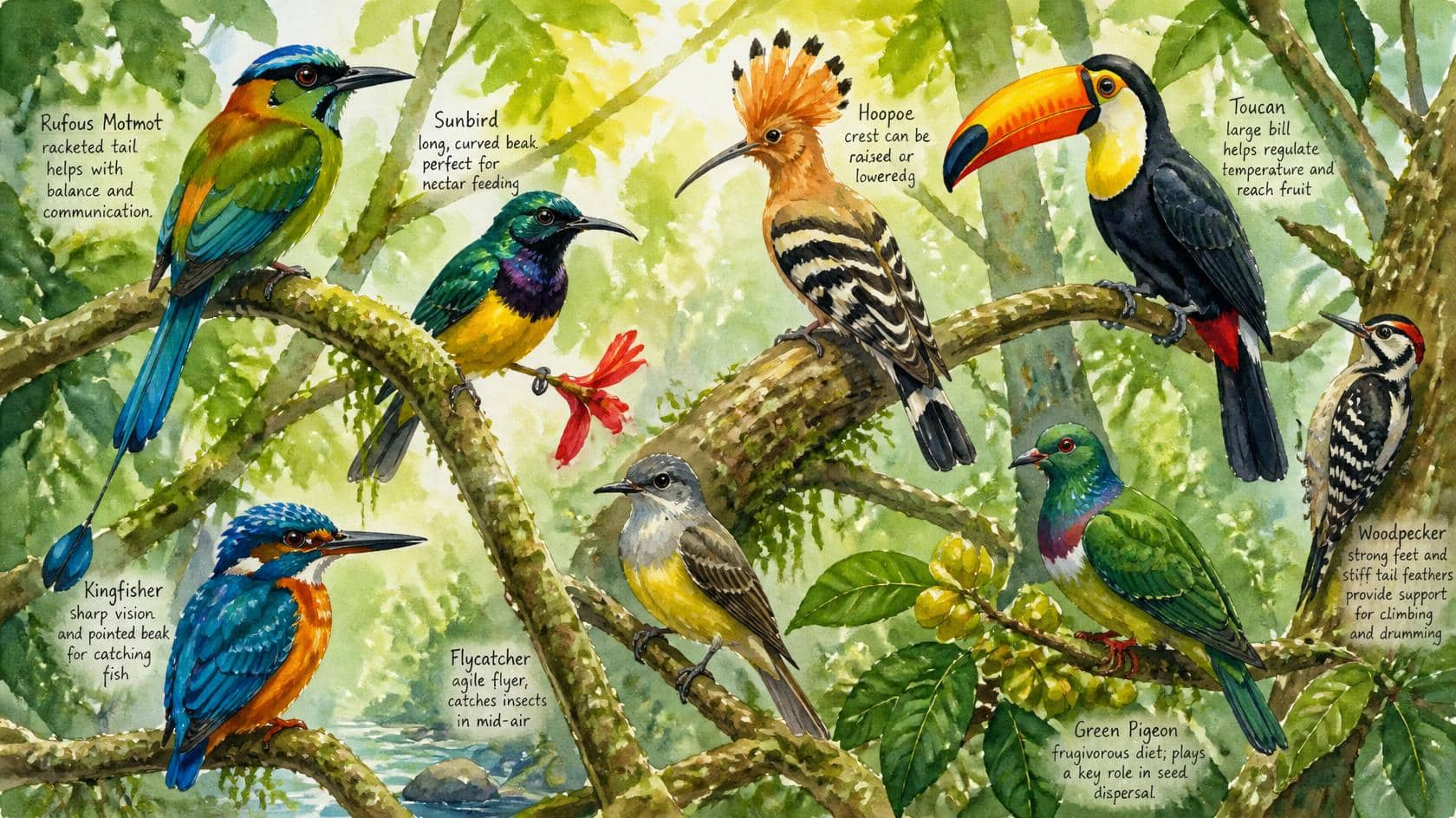
Woodpeckers drum bark. Hummers sip fast. Jays steal bright. Starlings swarm chatty. Feet cling sure.
- Downy Woodpecker
- Ruby-throated Hummingbird
- Blue Jay
- European Starling
Adaptations For Perching
Perching bird characteristics save lives. Toes lock. Grips hold sleep-safe. Picture one dozing high. Wind sways. It stays put.
Toe Arrangement
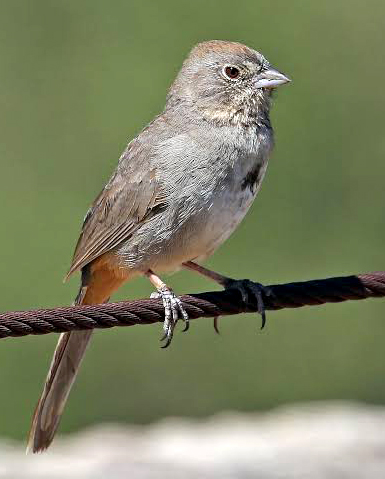
Most perching birds have a toe setup called anisodactyl. This means three toes point forward and one points backward. This shape helps birds hold onto branches firmly.
- Three front toes provide grip on thin branches.
- The backward toe acts like a hook for balance.
- Some birds have toes that can move to adjust grip.
- This arrangement lets birds perch on many surfaces.
Grip Mechanism
Perching birds have a special grip system called the tendon locking mechanism. It helps them hold on without using much energy.
| Feature | Function |
| Tendon Locking | Automatically tightens toes when the leg bends |
| Energy Saving | Keeps grip strong without muscle effort |
| Safety | Prevents birds from falling while sleeping |
Credit: www.5ensesmag.com
Habitats Of Perching Birds
Perching birds pick spots smart. Food hides there. Homes nest safe.
Forests And Woodlands
Forests provide many trees for perching birds to rest and build nests. They find plenty of insects and fruits here.
- Tall trees offer safe nesting spots
- Dense leaves protect from predators
- Variety of food sources like seeds and bugs
- Quiet areas for singing and attracting mates
Urban Areas
Many perching birds live in cities and towns. They use buildings and parks for shelter and food.
| Habitat Feature | Benefit for Perching Birds |
| Buildings and rooftops | Safe places to perch and nest |
| City parks | Access to food and water |
| Gardens | Rich sources of insects and seeds |
| Street trees | Perching and hiding spots |
Wetlands
Wetlands have water plants and trees near lakes and rivers. These places attract many insects and small fish.
Wetlands help perching birds in these ways:
- Provide food like insects and small fish
- Offer branches over water for resting
- Supply mud and materials for nest building
- Support a rich ecosystem for feeding
Role In The Ecosystem
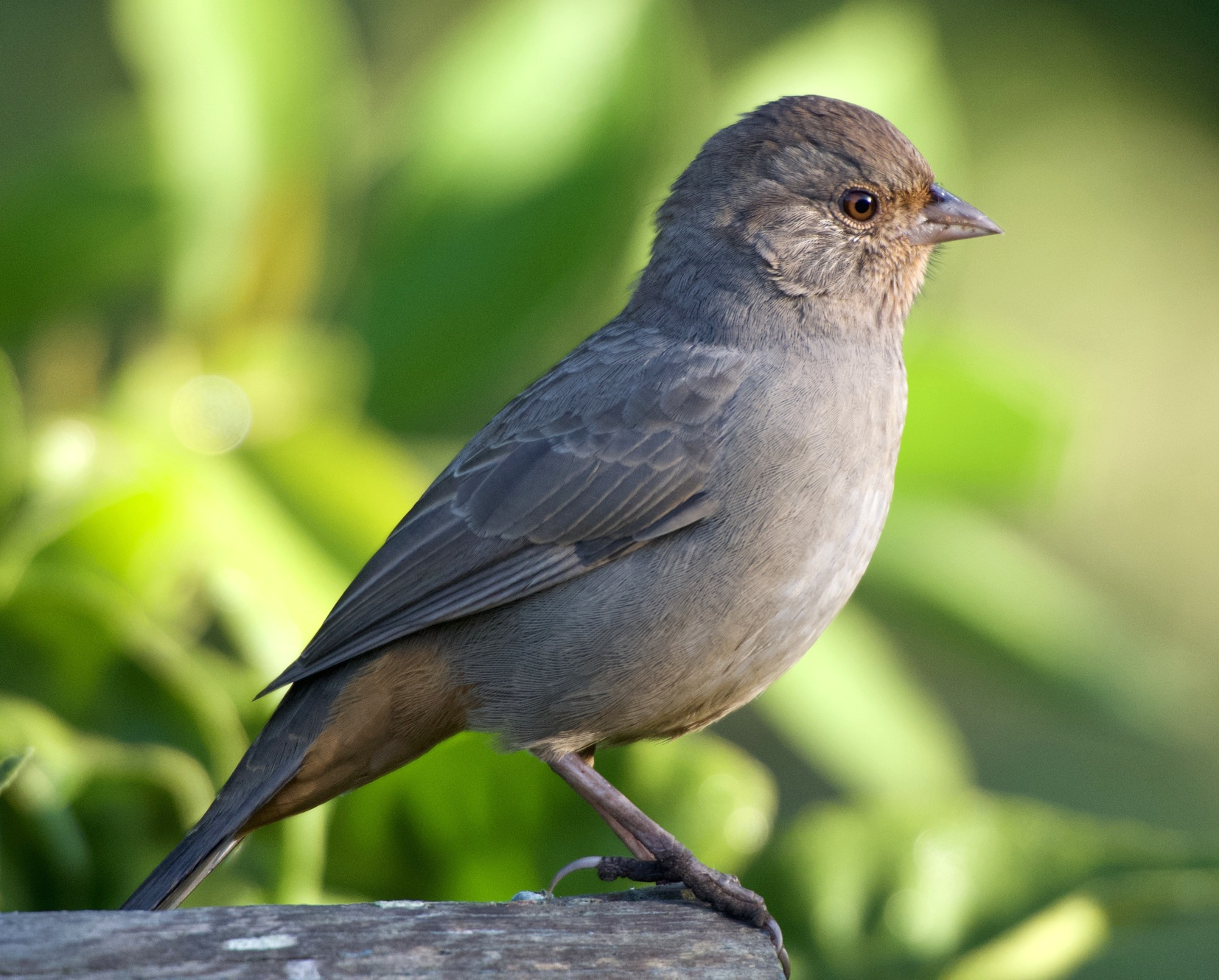
Perching birds play an important role in nature. They help keep plants and animals balanced in many ways.
These birds support different parts of the ecosystem. Their actions affect plants, insects, and other animals around them.
Avian Ecologist (University Wildlife Conservation Program):
- Perching birds are critical indicators of ecosystem health. Their foraging and seed dispersal behaviors support plant diversity, while their consumption of insects helps naturally control pest populations. Protecting these species ensures that forests, wetlands, and urban green spaces remain balanced and resilient, benefiting both wildlife and humans.
Pollination And Seed Dispersal
Some perching birds help plants grow by moving pollen from flower to flower. This helps plants make fruits and seeds.
Birds also eat fruits and spread seeds in new places. This helps plants grow in different areas and keeps forests healthy.
- Birds carry pollen on their feathers.
- They move seeds by eating and dropping them.
- This process helps plants reproduce and spread.
Pest Control
Perching birds eat many insects that can harm plants. This helps protect crops and trees from damage.
By eating pests, these birds reduce the need for chemicals. They keep the environment cleaner and safer.
- Birds eat caterpillars, beetles, and other bugs.
- This lowers the number of harmful insects.
- Healthy plants grow better with fewer pests.
Credit: www.5ensesmag.com
Challenges Facing Perching Birds
Perching birds fight hard. Homes vanish. Weather shifts. Hunters stalk. Spot signs. Help now.
Habitat Loss
Many perching birds lose their homes due to deforestation and urban growth. Trees and plants they rely on disappear fast.
- Clearing forests for farms and cities
- Removing old trees that birds use for nests
- Pollution damaging natural areas
- Fragmentation of green spaces
Climate Change
Changing weather patterns disturb birds’ food and migration. Warmer temperatures can shift insect populations they eat.
| Effect | Impact on Perching Birds |
| Temperature Rise | Changes in breeding times |
| Altered Rainfall | Reduced food availability |
| Extreme Weather | Damage to nests and habitats |
Predation
Perching birds face threats from many predators. Cats, snakes, and larger birds hunt them or their eggs.
Common predators include:
- Domestic and feral cats
- Birds of prey like hawks
- Snakes that climb trees
How To Spot Perching Birds
Scan branches daily. Perching birds pose still. Toes curl telltale.
Identifying Features
Perching birds have strong feet with three toes forward. One toe points backward to help them grip well.
They usually have small to medium bodies and sharp, pointed beaks. Their feathers can be colorful or plain.
- Strong feet for gripping branches
- Three toes forward, one backward
- Small to medium body size
- Sharp, pointed beaks
- Varied feather colors and patterns
Common Locations
Perching birds live in many places. You can find them in forests, gardens, and city parks.
They like spots with trees or shrubs to rest and look for food. You may see them on power lines or fences too.
- Forests with many trees
- Gardens and backyards
- City parks and green spaces
- Power lines and fences
- Shrubs and bushes
Frequently Asked Questions
What Is A Perching Bird?
Perching bird grasps tight. Passerine fits bill. Toes three front. One hooks back.
How Do Perching Birds Differ From Other Birds?
Perching bird characteristics grip best. Others slip loose.
Why Are Perching Birds Important In Ecosystems?
Perching birds curb bugs. Seeds fly far. Balance holds true.
What Are Common Examples Of Perching Birds?
Types of perching birds: Sparrows chirp. Finches gleam. Robins tug worms. Warblers weave songs.
Conclusion
Perching birds, or passerines, hold a special place in nature. Their unique feet help them grasp branches securely. With over half of all bird species being passerines, they are diverse. They vary in color, size, and song. These birds play a crucial role in ecosystems.
They help control insects and spread seeds. Observing them can be a delightful experience. Their vibrant presence adds life to any environment. Understanding perching birds enhances our appreciation for nature. So next time, spot a small bird on a branch.
It’s probably a perching bird, contributing to the world around us.