Have you ever wondered how a small bird like the quail manages to survive in so many different environments? Quail birds are masters of adaptation, using clever tricks to stay safe, find food, and thrive.
You’ll discover the amazing ways quail birds adjust to their surroundings—knowledge that might surprise you and change how you see these little creatures forever. Keep reading, and you’ll learn how their unique features help them live smart and strong in the wild.
Quail Bird Basics
Quail birds are small, plump birds found in many parts of the world. They belong to the pheasant family and are known for their quick movements and soft calls.
These birds have unique features and behaviors that help them survive in different environments. Learning about their traits, where they live, and what they eat helps us understand their role in nature.
Physical Traits
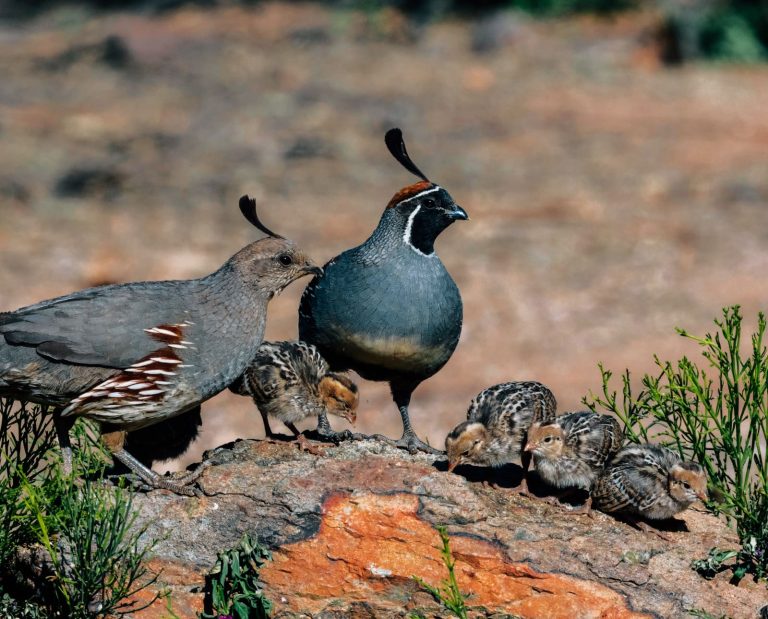
Quail birds have short, rounded wings and a small tail. Their feathers often blend with the ground, helping them hide from predators. They have strong legs for running and scratching the soil.
- Size: About 6 to 10 inches long
- Color: Brown, gray, and white patterns
- Beak: Short and curved for pecking
- Legs: Strong with sharp claws
- Weight: Around 100 to 150 grams
Habitat Range
Quail live in a variety of habitats. They prefer places with tall grass or bushes for cover. These birds adapt well to different climates, from forests to grasslands.
| Region | Typical Habitat |
| North America | Grasslands, open forests |
| Europe | Farmlands, meadows |
| Asia | Shrublands, woodlands |
| Africa | Savannas, scrub areas |
Diet And Feeding
Quail eat mostly seeds, insects, and small plants. They forage on the ground, scratching the soil to find food. Their diet changes with the seasons to get enough nutrients.
- Seeds from grasses and weeds
- Insects like beetles and ants
- Small fruits and berries
- Green shoots and leaves
- Occasionally small snails
Credit: projectupland.com
Camouflage And Coloration
Quail birds use camouflage to stay safe from predators. Their colors and patterns help them blend into their surroundings. This adaptation is key for survival in the wild.
Camouflage works by matching the bird's body with the environment. Quail colors often look like leaves, dirt, or grass. This makes it hard for enemies to spot them.
Feather Patterns
Quail have special feather patterns that help with camouflage. Their feathers show spots, stripes, and mottled colors. These patterns break up their shape and size.
- Spots that look like shadows or dirt
- Stripes that match grass blades or twigs
- Mottled colors that resemble fallen leaves
Blending With Environment
Quail change their behavior to blend better. They stay still when danger is near. They also choose places with matching colors and textures.
| Environment | Quail Adaptation |
| Dry grassland | Brown and tan feathers |
| Forest floor | Dark mottled feathers |
| Leaf litter | Spotted and striped feathers |
Behavioral Adaptations
Quail birds have special behaviors that help them live in the wild. These behaviors protect them from danger and help them find food and shelter.
Behavioral adaptations are ways quails act to survive in their environment. These include how they fly, live in groups, and build nests.
Flight And Escape Tactics
Quail birds use quick bursts of flight to escape predators. They usually run on the ground to hide before they fly.
When surprised, quails take off with loud wing noises to scare enemies. Their fast flying helps them reach safe places quickly.
- Run quietly to avoid being seen
- Fly fast in short bursts
- Use loud wing sounds to startle predators
- Fly low to nearby cover
Social Structure
Quails live in groups called coveys. These groups help protect each bird from danger.
Inside a covey, quails communicate to warn about threats and find food together. They take turns watching for danger.
- Live in small groups called coveys
- Share food and watch for predators
- Use calls to warn others
- Help each other during threats
Nesting Habits
Quail birds build nests on the ground hidden in grass or bushes. This helps keep their eggs safe from animals.
They choose places with good cover and stay close to water. The female sits on eggs until they hatch.
- Nests are on the ground, hidden well
- Use grass and leaves to build nests
- Stay near water sources
- Female incubates eggs carefully

Credit: www.youtube.com
Sensory Abilities
Quail birds use their senses to survive in the wild. They rely on sharp vision and hearing to detect danger and find food.
Their sensory abilities help them stay alert and safe from predators. These skills are key to their daily life.
Vision And Hearing
Quails have strong eyesight that works well in low light. They see colors and detect movement easily. Their ears are also sensitive to quiet sounds.
- Wide field of view to spot threats
- Good color vision to find food
- Hearing that picks up soft noises
- Quick reaction to sudden sounds or sights
Alertness To Predators
Quail birds stay alert to avoid predators. They use their senses to watch for danger and escape quickly.
| Sense | How It Helps |
| Vision | Detects predators from a distance |
| Hearing | Hears predator movements nearby |
| Alertness | React fast to escape threats |
Reproductive Strategies
Quail birds have special ways to reproduce and take care of their young. These strategies help them survive in the wild. They use sounds, protect their eggs, and raise their chicks carefully.
Understanding these strategies shows how quail adapt to their environment. Each part plays a role in keeping their species safe and strong.
Mating Calls
Male quails use calls to attract females. These sounds are short and repeated many times. They help females find strong and healthy mates.
Calls also warn other males to stay away. This reduces fights and helps males keep their territory.
- Attract females with loud, clear calls
- Repeat calls during early morning and evening
- Use calls to mark territory and warn rivals
Egg Protection
Quail build nests on the ground hidden by plants. This keeps eggs safe from predators and weather. The female stays close to warm the eggs.
Parents take turns watching the nest. They stay quiet to avoid attracting danger. This careful guarding helps eggs hatch safely.
- Nest hidden under grass or bushes
- Eggs are well camouflaged with natural colors
- Parents stay near to protect and warm eggs
Chick Development
Quail chicks can walk and feed soon after hatching. Mothers lead them to food and water. This quick start helps chicks survive outside the nest.
Parents stay close to protect chicks from predators. They teach them how to find food and stay safe until they grow strong.
- Chicks are active and mobile soon after birth
- Mothers guide chicks to food and water
- Parents protect chicks until they are independent

Credit: www.simplybirding.com
Environmental Challenges
Quail birds live in many different places. They face many challenges from their environment. These challenges affect how they survive and grow.
Quails have special features to help them handle tough conditions. These features help them live through hard times in nature.
Seasonal Changes
Seasons bring changes like cold winters and hot summers. Quails adapt by changing their behavior and body to survive.
In winter, quails grow thicker feathers for warmth. They also look for food in different places when it is scarce.
- Grow thicker feathers in cold seasons
- Change diet based on available food
- Move to sheltered areas during storms
Predator Pressures
Quails face many predators like foxes and hawks. They use quick running and hiding to escape danger.
They have colors that help them blend with the ground. This camouflage makes it hard for predators to see them.
- Run fast to avoid predators
- Use camouflage to hide
- Stay in groups for safety
Human Impact
Humans change quail habitats by farming and building. This makes it harder for quails to find food and shelter.
Some quails avoid humans by staying in less disturbed areas. Others adapt by nesting near farms where food is available.
- Loss of natural habitat
- Use of pesticides reduces insects
- Quails adapt by using new areas
Survival Techniques
Quail birds have special ways to live well in tough environments. They use skills to find food, save water, and save energy.
These survival techniques help quails stay safe and healthy in the wild. Their body and behavior work together to meet their needs.
Foraging Skills
Quails look for food on the ground. They eat seeds, insects, and small plants. Their sharp eyesight helps them spot food quickly.
- Scratch the soil with their feet to uncover seeds
- Use their beaks to pick up insects
- Feed mostly in the early morning and late afternoon
Water Conservation
Quails live in dry areas where water is hard to find. They save water by drinking little and getting moisture from food. Their kidneys work well to keep water in their bodies.
| Water Source | How Quail Use It |
|---|---|
| Dew on plants | They lick it from leaves in the morning |
| Food moisture | Seeds and insects provide water |
| Rare water holes | Drink when they find them to store water |
Energy Management
Quails save energy by resting during the hottest parts of the day. They move quickly but only when needed. Their feathers help keep body heat in cold weather and reflect heat in hot weather.
- Rest in shaded areas to avoid heat
- Fly short distances to save energy
- Use quiet, slow movements to stay safe and calm
Frequently Asked Questions
What Are The Main Adaptations Of Quail Birds?
Quail birds have strong legs for running and short wings for quick flights. Their camouflaged feathers help them hide from predators. They also have sharp beaks for eating seeds and insects. These adaptations help them survive in diverse environments.
How Do Quail Birds Protect Themselves From Predators?
Quail birds use camouflage to blend with their surroundings. They stay low and run quickly to escape threats. Their sudden, short flights startle predators, giving them time to hide. These defense strategies reduce the risk of being caught.
What Unique Features Help Quail Birds Survive Harsh Climates?
Quail birds have dense feathers that provide insulation against cold weather. They can adjust their diet to available seeds and insects. Their ability to burrow or hide under vegetation offers shelter during extreme conditions.
How Do Quail Birds’ Physical Traits Aid Their Feeding Habits?
Quail birds have short, curved beaks ideal for pecking seeds and small insects. Their strong legs help scratch the ground to uncover food. These traits enable them to efficiently gather nutrition in various habitats.
Conclusion
Quail birds display remarkable adaptations. Their camouflaged feathers blend with surroundings. These birds use their strong legs for quick escapes. Their sharp beaks help in feeding. Small size allows them to hide easily. Quails are also adaptable to various climates.
Their survival skills are impressive. Observing them offers valuable nature insights. They play a vital role in ecosystems. Understanding these birds enriches our knowledge of wildlife. Appreciate these fascinating creatures in their natural habitats. Their adaptations ensure they thrive in diverse environments.
Quails truly are nature's resilient wonders.