Have you ever spotted tiny worms wriggling in your bird bath and wondered if they could be harmful to you or your family? It’s natural to feel uneasy when you see something unfamiliar in a place you thought was safe.
These little creatures might seem harmless, but could they pose a risk to your health? Before you decide to ignore them or panic, it’s important to understand what these worms really are and how they affect you. Keep reading to discover the truth about bird bath worms and what you can do to keep your outdoor space safe and inviting.
Credit: www.youtube.com
Types Of Bird Bath Worms
Bird baths often collect water, which can attract small worms. These worms come in different types. Some are harmless, while others might cause concern.
Knowing the types helps you understand if they are harmful to humans. It also shows where these worms live and how they grow.
Common Species Found
Many worms live in bird baths. The most common ones are mosquito larvae and tubifex worms. These worms are small and live in water.
- Mosquito larvae:These look like tiny wriggling worms. They later turn into mosquitoes.
- Tubifex worms:These are small, red worms. They live in dirty or still water.
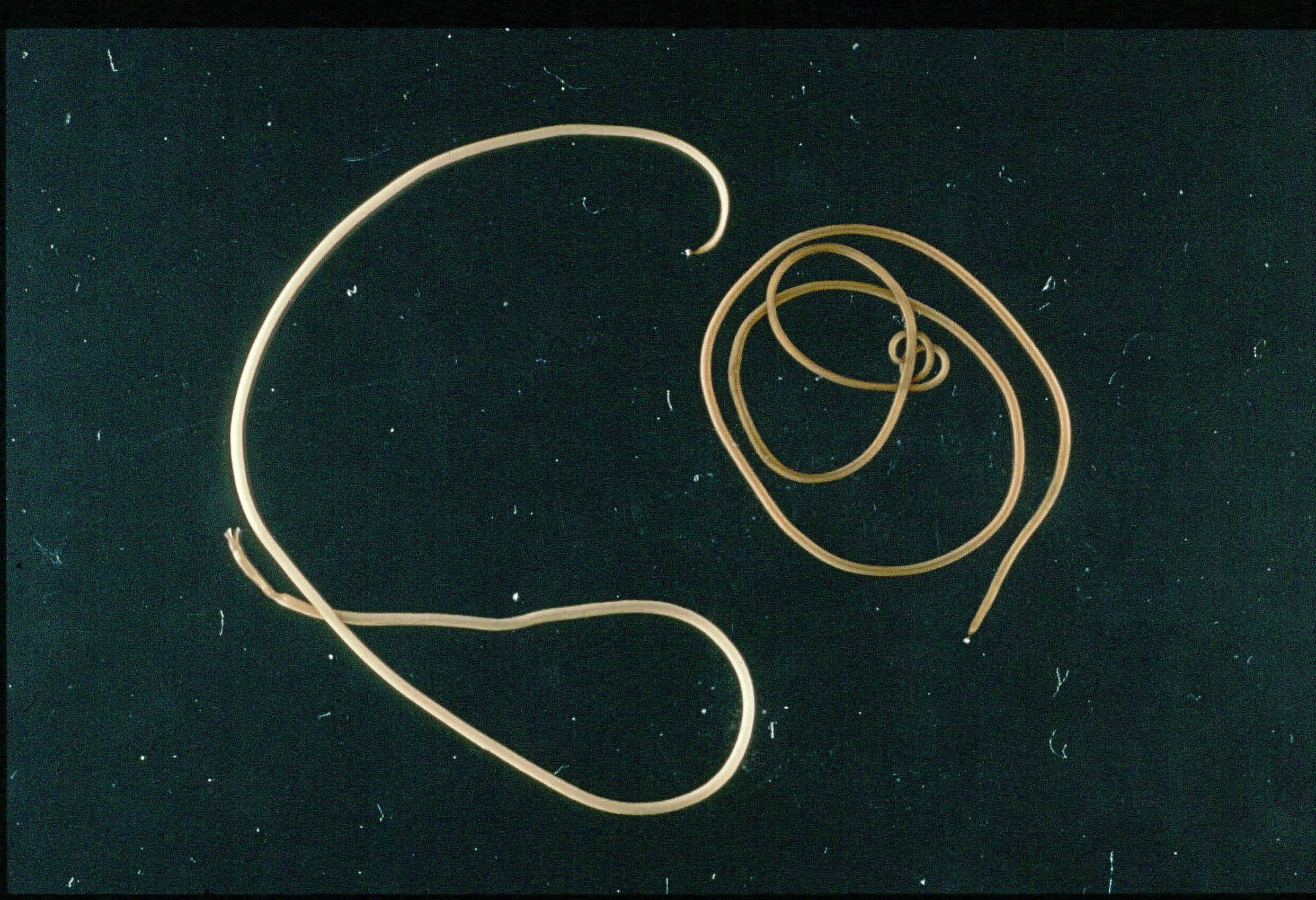
- Detritus worms:These are thin and white. They feed on decaying matter in the water.
Lifecycle And Habitats
Bird bath worms start as eggs. They hatch into larvae or small worms. They stay in water until they grow or change form.
These worms like still, fresh water. They live in water that collects dirt or leaves. Bird baths provide a good home for them.
- Mosquito larvae live in water about 4 to 14 days before becoming adults.
- Tubifex worms live in the bottom layer of water with dirt.
- Detritus worms thrive in water with decaying plant material.
Health Risks For Humans
Bird bath worms are small creatures found in standing water. People often worry if these worms can harm humans. It is important to understand any health risks they might cause.
These worms do not usually bite or sting. Still, they can carry germs or cause allergies. Knowing about these risks helps to stay safe.
Potential Infections
Bird bath worms can live in dirty water. This water may contain bacteria or parasites. If you touch or swallow the water, you might get sick.
Infections from these worms are rare but possible. You could get stomach pain, diarrhea, or skin irritation. Always wash hands after cleaning bird baths.
- Bacterial infections from contaminated water
- Parasite transmission through accidental ingestion
- Skin infections from contact with dirty water
Allergic Reactions
Some people may be allergic to bird bath worms or their waste. Allergies can cause itching, redness, or swelling on the skin. Breathing in particles from the water may cause coughing or sneezing.
Allergic reactions are not common but can be uncomfortable. Avoid touching water with worms if you have sensitive skin or allergies.
Impact On Birds And Environment
Bird bath worms are common in outdoor water features. People often wonder if these worms harm humans or birds.
This article looks at how these worms affect bird health and the environment around bird baths.
Effect On Bird Health
Bird bath worms usually do not harm birds directly. Birds may accidentally swallow these worms while drinking or bathing.
Most worms found in bird baths are harmless and can even be a food source for some birds.
- Worms do not carry diseases that affect birds.
- Birds often eat worms as part of their diet.
- Worms in bird baths show a healthy water environment.
Environmental Concerns
Worms in bird baths can indicate water quality issues. Stagnant water allows worms to multiply quickly.
Too many worms may lead to unpleasant smells and attract unwanted insects like mosquitoes.
- Regular cleaning helps prevent worm buildup.
- Fresh water stops worms from growing in large numbers.
- Keeping bird baths clean supports a safe environment for birds and humans.

Credit: uk.style.yahoo.com
Preventing Worm Infestation
Bird bath worms are not usually harmful to humans. Still, keeping them away is important. Worms can multiply quickly in bird baths. This can create a dirty environment for both birds and people.
Preventing worm infestation helps keep the bird bath clean and safe. Simple habits can stop worms from growing and spreading.
Cleaning Tips
Regular cleaning removes worm eggs and larvae. Use gentle scrubbing to clean all parts of the bird bath. Avoid harsh chemicals that can harm birds.
- Empty the bird bath every few days
- Scrub the basin with a brush
- Use a mixture of water and mild soap
- Rinse thoroughly to remove soap residue
- Dry the bird bath before refilling
Safe Water Practices
Using clean water stops worms from developing. Change water often to prevent standing water. Avoid adding soil or plants that may carry worm eggs.
| Practice | Reason |
| Change water every 2 days | Prevents worm eggs from hatching |
| Use filtered or tap water | Reduces risk of contamination |
| Keep water shallow | Discourages worm breeding |
| Remove debris daily | Stops worms from hiding |
When To Seek Medical Advice
Bird bath worms are usually harmless to humans. Still, contact a doctor if you notice unusual symptoms after contact.
Knowing which symptoms need medical care helps prevent complications. This guide explains what signs to watch for and treatment options.
Recognizing Symptoms
Symptoms from bird bath worms may appear on skin or cause general discomfort. Seek help if symptoms worsen or do not go away.
- Redness or rash around contact area
- Itching that lasts more than a day
- Swelling or pain in the affected area
- Fever or chills after exposure
- Signs of infection like pus or warmth
Treatment Options
Treatment depends on symptoms and severity. Most mild cases clear up with home care, but some need medical help.
| Treatment Type | Description | When to Use |
| Topical Creams | Use anti-itch or steroid creams to reduce inflammation. | For mild itching and rash |
| Oral Antihistamines | Take medicine to reduce allergic reactions and itching. | If itching is severe or widespread |
| Antibiotics | Prescribed if skin infection develops from scratching. | Signs of infection like pus or fever |
| Medical Checkup | Consult a doctor for persistent or worsening symptoms. | If symptoms last more than 3 days or worsen |
Credit: owlcation.com
Frequently Asked Questions
Are Bird Bath Worms Harmful To Humans?
No, bird bath worms are generally harmless to humans. They do not carry diseases that affect people. However, avoid direct contact to prevent minor skin irritation or allergic reactions.
Can Bird Bath Worms Carry Diseases?
Bird bath worms rarely carry diseases harmful to humans. They mostly feed on organic debris. Maintaining a clean bird bath reduces any health risks.
How To Safely Remove Bird Bath Worms?
To remove worms safely, drain and scrub the bird bath regularly. Use a mild bleach solution if necessary. Always wear gloves to avoid skin contact during cleaning.
Do Bird Bath Worms Attract Other Pests?
Bird bath worms may attract insects like flies or beetles. These pests are usually harmless but can be a nuisance. Regular cleaning helps prevent infestations.
Conclusion
Bird bath worms pose little threat to humans. They rarely cause harm. Keeping bird baths clean minimizes any risk. Regular maintenance ensures safe and healthy environments. Birds love clean water. Worms often inhabit dirty baths. Cleanliness keeps them away. Enjoy watching birds without worry.
Simple cleaning steps make a difference. Nature thrives in healthy habitats. Protect both birds and humans. A clean bird bath benefits everyone. Keep it tidy and enjoy nature's beauty.