Are Kingfisher Bird Predators – Hunting Skills, Diet, and Ecosystem Impact
Have you ever watched a kingfisher dart swiftly over the water, its bright feathers flashing in the sunlight? You might wonder—are these beautiful birds predators?
Many people ask, Are Kingfisher Bird Predators? The answer is yes, and their predatory skills are fascinating.
Understanding the kingfisher’s role in nature can change how you see them. You’ll discover surprising facts about their hunting habits and why they matter to the ecosystem. Keep reading to learn what makes kingfishers more than just pretty birds on a branch.
In exploring this topic, we must consider: Are Kingfisher Bird Predators, and how do they hunt within their ecosystems?
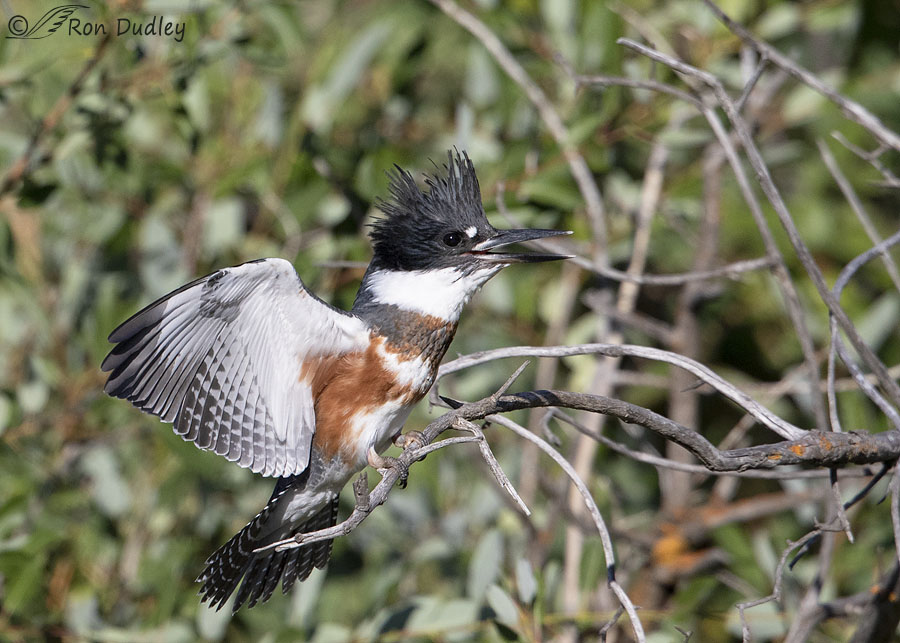
Credit: www.featheredphotography.com
Additional insights about Are Kingfisher Bird Predators reveal their critical role in nature.
Kingfisher Species And Habitats
Kingfishers are colorful birds found near water. They are known for their sharp beaks and quick dives. These birds live in many parts of the world.
There are many types of kingfishers. Each type prefers different places to live. Understanding their species and habitats helps us know if they are predators.
Common Kingfisher Types
The common kingfisher is small with bright blue and orange feathers. It is found in Europe and Asia near rivers and lakes.
Another type is the pied kingfisher. It has black and white colors and lives near water in Africa and Asia. It hunts fish by hovering over water.
- Common Kingfisher (Alcedo atthis)
- Pied Kingfisher (Ceryle rudis)
- Belted Kingfisher (Megaceryle alcyon) in North America
- Laughing Kookaburra (Dacelo novaeguineae) in Australia
Preferred Living Environments
Kingfishers live near fresh or salt water. They need clean water with many small fish or insects to eat.
They prefer places with trees or bushes for nesting. Some kingfishers live in forests or open woodlands near streams.
- Rivers and streams with clear water
- Lakes and ponds with fish
- Coastal areas and mangroves
- Wooded areas near water

Diet And Feeding Habits
Kingfisher birds are known for their sharp hunting skills. They have special diets that help them survive in different habitats.
Key to their survival, the question remains: Are Kingfisher Bird Predators within their habitats?
Their feeding habits show how they catch food and what types of prey they prefer.
Primary Food Sources
Kingfishers mainly eat small animals found near water. Their diet varies based on their environment and species.
Thus, we can conclude that Are Kingfisher Bird Predators impact their environments significantly.
- Small fish like minnows and sticklebacks
- Aquatic insects such as dragonfly larvae
- Crustaceans like crabs and shrimp
- Amphibians including tadpoles and small frogs
- Occasionally small reptiles or birds
Hunting Techniques
Kingfishers use quick and precise methods to catch prey. They have excellent eyesight to spot food from a distance.
| Hunting Method | Description |
| Diving | They dive into water to catch fish with their sharp beaks. |
| Perching | They watch from a branch before swooping down to catch prey. |
| Hovering | Some hover over water briefly to locate prey before diving. |
| Ground Hunting | They catch insects or small animals on land. |
Predatory Behavior
Kingfisher birds are skilled predators. They hunt to catch small animals for food.
Many wonder, Are Kingfisher Bird Predators or simply beautiful creatures? The answer lies in their hunting efficiency.
Their hunting style is fast and precise. Kingfishers rely on sharp eyesight and quick moves.
How Kingfishers Capture Prey
Kingfishers sit still on a branch or perch. They watch the water below carefully for fish or insects.
This highlights that Are Kingfisher Bird Predators, emphasizing their predatory instincts.
Once they spot prey, they dive quickly into the water. Their sharp beaks grab the prey firmly.
- They catch fish, frogs, and small insects.
- Diving is fast to surprise the prey.
- They swallow prey whole or beat it to kill.
Adaptations For Hunting
Kingfishers have many features to help them hunt. Their eyes are sharp and can see underwater clearly.
Their beaks are long and pointed. This shape helps them catch slippery fish with ease.
- Strong, pointed beaks for catching prey.
- Excellent vision for spotting prey from above.
- Fast flight and diving skills.
- Special feathers that reduce splash when diving.
Role In The Ecosystem
Kingfisher birds play an important role in their natural habitats. They help keep the balance by controlling populations of small animals. Their actions affect other creatures and the environment around them.
Understanding their role helps us see how nature stays healthy. Kingfishers are part of a complex food web that supports many forms of life.
Impact On Prey Populations
Kingfishers mainly eat fish, insects, and small amphibians. They help control these populations to prevent overgrowth. This keeps water bodies and land areas balanced and healthy.
- They reduce fish numbers in ponds and rivers.
- They catch insects that could harm plants.
- They eat tadpoles and frogs, keeping amphibian numbers steady.
- By feeding on small animals, they support plant growth indirectly.
Interactions With Other Predators
Kingfishers share habitats with other predators like herons, snakes, and larger birds. They compete for similar food sources. Sometimes they avoid each other to reduce conflict.
Understanding interactions with other species brings to light if Are Kingfisher Bird Predators coexist peacefully.
| Predator | Food Source | Interaction Type |
| Kingfisher | Small fish, insects | Competes with others |
| Heron | Fish, amphibians | Shares habitat |
| Snake | Frogs, small fish | May prey on kingfisher eggs |
| Bigger Birds | Small birds, fish | Predator to kingfishers |
Misconceptions About Kingfishers
Asking if Are Kingfisher Bird Predators is vital to debunking common myths surrounding them.
Kingfishers are colorful birds often seen near water. Many people think they are fierce predators. This is not always true.
Understanding kingfishers helps clear up wrong ideas about their behavior and diet.
Clarifying misconceptions leads to a better understanding of whether Are Kingfisher Bird Predators or not.
Are They Aggressive Hunters?
Kingfishers hunt small fish and insects. They dive quickly to catch prey but are not aggressive.
They use speed and skill instead of force. Kingfishers rarely attack animals bigger than them.
Common Myths Debunked
Some people think kingfishers eat large animals or fight other birds. These ideas are false.
- Kingfishers mostly eat small fish and insects.
- They avoid conflict and defend only their nests.
- Kingfishers are not dangerous to humans or pets.
- They help control insect populations.

Observing Kingfishers In The Wild
Kingfishers are colorful birds known for their fishing skills. They live near rivers, lakes, and wetlands.
Watching kingfishers can be fun. You can see how they hunt and care for their young.
Best Locations And Times
Kingfishers like clear water with many small fish. They often perch on branches near water.
The best time to see them is early morning or late afternoon. They are more active then.
- Look near slow-moving rivers and streams
- Visit wetlands with plenty of fish
- Check quiet lakes with low human activity
- Go out at dawn or dusk for better chances
Tips For Birdwatchers
Stay quiet and move slowly to avoid scaring kingfishers away. Use binoculars for a closer view.
Wear clothes that blend with nature. Avoid bright colors that catch birds’ attention.
- Bring binoculars to see details
- Use a camera with zoom to capture photos
- Wear neutral or green clothing
- Keep a safe distance from the birds
- Be patient and wait quietly
Frequently Asked Questions
Are Kingfishers Considered Predators In Nature?
Yes, kingfishers are predators. They hunt small fish, insects, and amphibians using sharp eyesight and swift dives to catch prey.
Ultimately, the question of Are Kingfisher Bird Predators reveals their role in local ecosystems.
What Prey Do Kingfisher Birds Typically Hunt?
Kingfishers mainly hunt fish, aquatic insects, and small amphibians. Their diet varies by species and habitat but focuses on freshwater prey.
It is crucial to assess how Are Kingfisher Bird Predators adapt to their environments.
How Do Kingfishers Catch Their Prey Efficiently?
Kingfishers dive from perches above water, using keen vision to spot prey. They plunge swiftly and grab prey with their sharp beaks.
To answer the query of how Are Kingfisher Bird Predators effectively catch their prey is essential.
Are Kingfishers Harmful To Other Small Birds?
No, kingfishers do not usually prey on other birds. They primarily focus on aquatic animals and rarely pose a threat to small birds.
Conclusion
Summarizing our findings, it is evident that Are Kingfisher Bird Predators play an essential role in biodiversity.
Kingfisher birds are fascinating creatures with unique hunting skills. They thrive near water, catching fish and insects with precision. These birds play a vital role in the ecosystem. They help control the population of small aquatic creatures. Observing them offers insight into nature’s balance.
Their vibrant colors and swift movements captivate bird watchers. Kingfishers are more than predators; they are nature’s artists. Their presence signifies a healthy environment. Protecting their habitats ensures their survival. Cherishing these birds enriches our understanding of wildlife. Appreciate their beauty and contribution to biodiversity.
In closing, recognizing that Are Kingfisher Bird Predators enriches our appreciation for wildlife.
Keep learning about nature’s wonders.