Best Bird Feeder Ideas: Creative DIY Designs and Tips to Attract More Birds
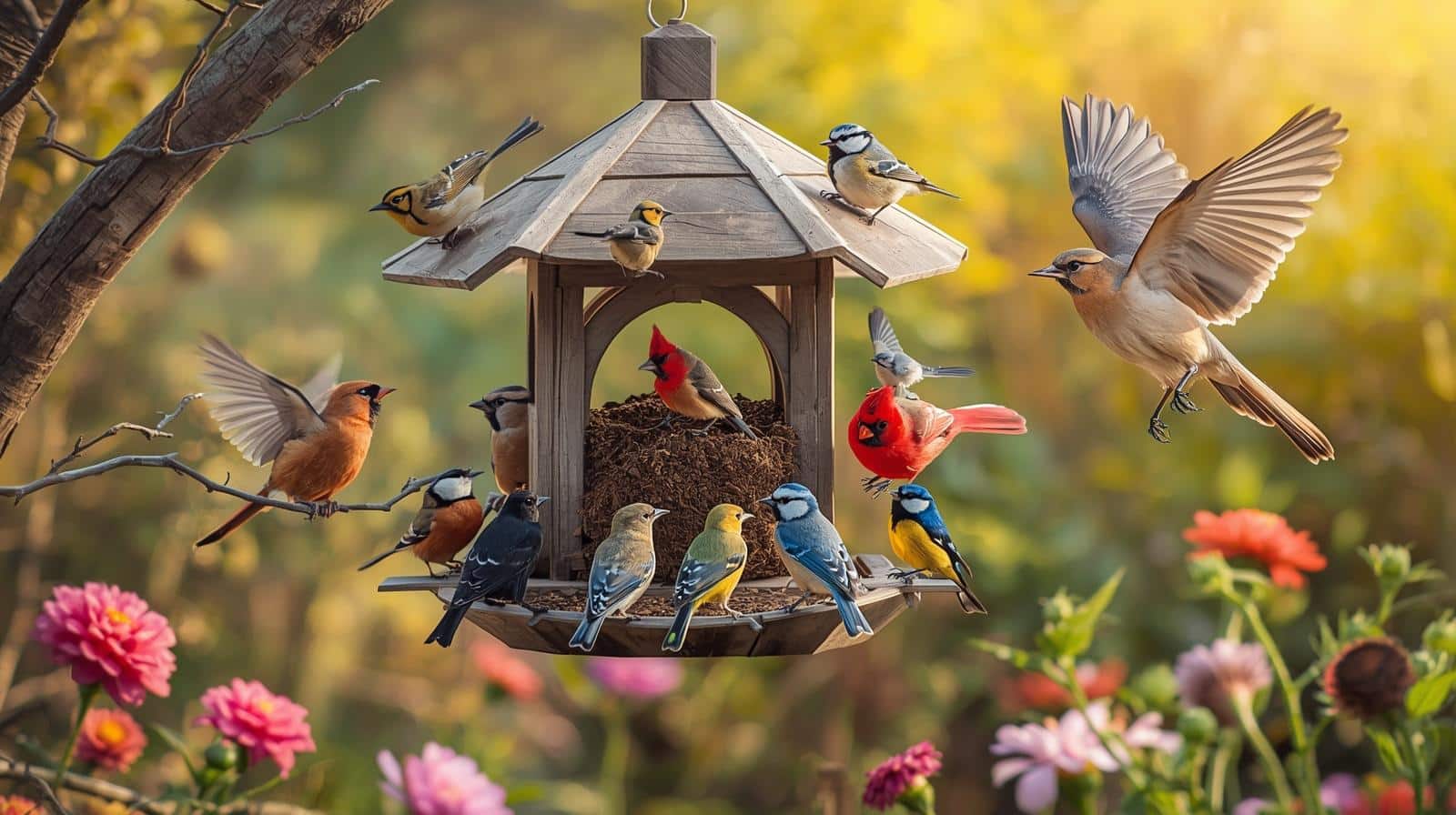
Are you looking to transform your backyard into a lively haven for birds? With the right bird feeder ideas, you can attract a variety of feathered friends and enjoy their vibrant songs and colors every day.
Imagine sipping your morning coffee while watching a bustling scene of sparrows, cardinals, and blue jays right outside your window. It’s not just about feeding birds; it’s about creating a delightful environment that brings joy to your everyday life. Get ready to discover simple yet creative bird feeder ideas that will make your garden the talk of the neighborhood.
Dive in to find out how you can easily turn your outdoor space into a bird paradise that both you and your avian visitors will love.
Choosing The Right Feeder
Choosing the right bird feeder helps attract different kinds of birds. It also makes feeding easy and safe.
Think about the types of birds and your space. This will help you pick the best feeder for your garden.
Types Of Bird Feeders
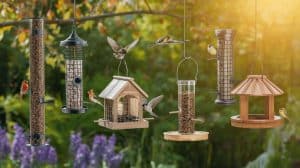
Bird feeders come in many styles. Each type works well for certain birds and seeds.
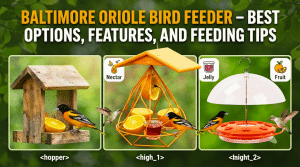
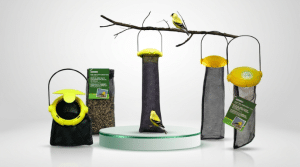
- Tube feeders: Great for small birds like finches.
- Hopper feeders: Hold a lot of seed and attract many birds.
- Squirrel-proof feeders: Keep squirrels away from the seed.
- Platform feeders: Open trays that work for large birds.
- Nectar feeders: Made for hummingbirds and orioles.
Material Options
Feeders are made from different materials. Each material has its own benefits and care needs.
- Plastic: Lightweight and affordable but may fade in sun.
- Metal: Durable and often squirrel-resistant.
- Wood: Natural look but needs weather protection.
- Glass: Attractive but can break easily.
Size And Capacity
Pick a feeder size that fits your space and bird numbers. Bigger feeders hold more seed but need more cleaning.
Small feeders are good for a few birds. Large feeders suit busy feeding spots with many visitors.
Diy Feeder Materials
Making a bird feeder can be fun and easy. You only need simple materials found at home or outside.
Using the right materials helps create a safe and attractive feeder for birds in your yard.
Recycled Household Items
You can use many recycled items from around your house to build bird feeders. These items save money and reduce waste.
Common recycled materials include plastic bottles, milk cartons, and old jars. They are easy to clean and reuse.
- Plastic bottles with holes for seeds
- Empty milk cartons cut to hold birdseed
- Glass jars hung with string
- Used teacups attached to a base
- Old wooden spoons for perches
Natural Materials
Natural materials blend well in gardens and are safe for birds. They give feeders a rustic look.
Wood, pinecones, and twine are great options. These materials are easy to find and handle.
- Wooden blocks or scraps for sturdy feeders
- Pinecones coated with peanut butter and seeds
- Twigs tied together to form a frame
- Coconut shells hollowed out as feeders
- Bark pieces used as natural trays
Upcycled Containers
Upcycled containers give new life to old objects. They can be stylish and functional bird feeders.
Look for containers like tins, jars, and baskets. Clean them well before turning them into feeders.
- Old tin cans with drainage holes
- Glass jars with lids removed
- Wicker baskets lined with plastic
- Broken teapots used as seed holders
- Plastic food containers with openings

Creative Feeder Designs
Bird feeders attract birds and add beauty to your yard. Creative designs make feeding fun.
Try different materials and shapes to suit your garden style. Birds enjoy unique feeders too.
Bottle Feeders
Bottle feeders use recycled bottles to hold bird seed. They are easy to make and eco-friendly.
Cut holes for the seeds to come out slowly. Hang the bottle with string or wire.
- Use plastic or glass bottles
- Add small perches near seed holes
- Paint the bottles to attract birds
- Keep bottles clean to prevent mold
Wooden Creations
Wooden feeders look natural and fit well in gardens. You can build many shapes and sizes.
Use untreated wood to keep birds safe. Add a roof to protect seeds from rain.
- Simple platform feeders
- Box feeders with windows
- House-shaped feeders
- Decorate with non-toxic paint
Hanging Fruit Feeders
Fruit feeders offer fresh food for fruit-loving birds. Hang fruits like oranges or apples outside.
Use string or wire to hang fruit pieces. Birds enjoy pecking at juicy treats.
- Halve oranges and hang with twine
- Skewer grapes or berries on sticks
- Use mesh bags to hold fruit
- Place feeders in shady spots

Feeder Placement Tips
Placing your bird feeder in the right spot helps birds feel safe and comfortable. Good placement also makes it easier for you to enjoy watching them.
Think about the environment around the feeder. The right location protects birds and attracts more visitors.
Safe Locations
Choose places away from busy roads and loud noises. Birds need quiet spots to feed without stress.
Place feeders near trees or shrubs. These provide shelter and quick escape routes for birds.
- Keep feeders 10 feet from windows to avoid collisions.
- Place feeders 5-6 feet above the ground to protect from some predators.
- Avoid open areas where birds feel exposed.
Visibility And Accessibility
Make sure you can see the feeder clearly from your home. This way, you can enjoy watching the birds easily.
Place feeders where birds can find them easily. Clear sight lines help birds spot the food and feel safe.
- Avoid placing feeders behind thick branches or bushes.
- Keep feeders at eye level or slightly higher for easy viewing.
- Make sure you can reach feeders for cleaning and refilling.
Avoiding Predators
Keep feeders away from places where cats or other predators can hide. Birds need a safe place to eat.
Use baffles or poles that prevent animals from climbing to the feeder.
- Place feeders 4-5 feet away from jumping points like fences or trees.
- Install metal guards on poles to stop squirrels and raccoons.
- Keep the area under feeders clean to avoid attracting rodents.

Attracting Different Bird Species
Bird feeders can bring many types of birds to your yard. Different birds like different foods and environments.
Understanding what birds need helps you attract more species. It makes watching birds more fun.
Seed Preferences
Birds choose seeds based on their size and taste. Some birds prefer small seeds, others like larger ones.
Offering a mix of seeds can attract many bird types. Black oil sunflower seeds work for many species.
- Safflower seeds attract cardinals and grosbeaks
- Nyjer seeds are loved by finches and siskins
- Millet is good for sparrows and doves
- Peanuts attract woodpeckers and jays
Water And Shelter
Birds need fresh water for drinking and bathing. A clean birdbath nearby invites more visitors.
Shelter helps birds feel safe from weather and predators. Trees, shrubs, or birdhouses work well.
- Place feeders near bushes or trees for cover
- Keep water fresh and change it often
- Provide natural or artificial shelter options
Seasonal Considerations
Bird needs change with the seasons. Feeding and shelter plans should change too.
In winter, high-energy seeds help birds stay warm. In spring, birds look for nesting sites.
- Use suet or peanuts in cold months for energy
- Offer fresh water year-round, prevent freezing in winter
- Add nesting materials in spring to attract breeders

Maintaining Your Feeder
Keeping your bird feeder clean and well-maintained helps birds stay healthy. A clean feeder also attracts more birds to your yard.
Regular care prevents diseases and keeps pests away. Follow simple steps to maintain your feeder properly.
Cleaning Routine
Clean your feeder every two weeks to stop germs from building up. Use warm water and mild soap for cleaning.
Rinse well to remove all soap. Let it dry completely before refilling with seed.
- Empty the feeder before cleaning
- Use a brush to scrub all parts
- Rinse thoroughly with clean water
- Dry fully to prevent mold
Preventing Mold And Pests
Mold grows in wet seed and can harm birds. Keep the feeder dry and check it often.
To stop pests, use feeders designed to block squirrels and rodents. Clean spills under the feeder regularly.
- Remove wet or clumped seed quickly
- Place feeders where sunlight can reach
- Use baffles or guards to block squirrels
- Clean the ground below feeder often
Refilling And Storage
Refill feeders before they run out to keep birds coming back. Use fresh seed for best results.
Store extra seed in a cool, dry place. Use airtight containers to keep seed fresh and safe from pests.
- Check seed levels daily during busy seasons
- Keep seed dry to avoid mold growth
- Use sealed containers for storage
- Buy seed in small amounts to keep it fresh
Frequently Asked Questions
What Are The Best Materials For Making Bird Feeders?
Wood, metal, and recycled plastic are popular materials for bird feeders. Wood blends naturally with gardens. Metal offers durability and weather resistance. Recycled plastic is eco-friendly and lightweight. Choose materials based on your climate and bird species for optimal results.
How Do I Attract More Birds To My Feeder?
Use a variety of seeds like sunflower, millet, and nyjer. Place feeders in quiet, sheltered spots near trees. Keep feeders clean to prevent disease. Offer fresh water nearby. Changing seed types seasonally helps attract different bird species.
What Types Of Bird Feeders Are Most Effective?
Tube feeders attract small songbirds like finches and chickadees. Hopper feeders suit larger birds like cardinals and jays. Platform feeders are versatile for ground-feeding birds. Choose feeder types based on the birds you want to attract and your garden space.
How Often Should I Clean My Bird Feeder?
Clean feeders every two weeks or more frequently in wet weather. Use warm soapy water and rinse thoroughly. Regular cleaning prevents mold, bacteria, and disease spread among birds. Keeping feeders clean ensures healthier and happier visitors.
Conclusion
Bird feeders bring joy and life to your outdoor space. Choose designs that suit your garden and the birds you want to attract. Regular cleaning keeps birds safe and feeders working well. Experiment with different seeds to invite various bird species.
Enjoy watching colorful birds visit every day. Small changes can make your garden lively and peaceful. Start with one feeder and see how nature responds. Happy bird watching!