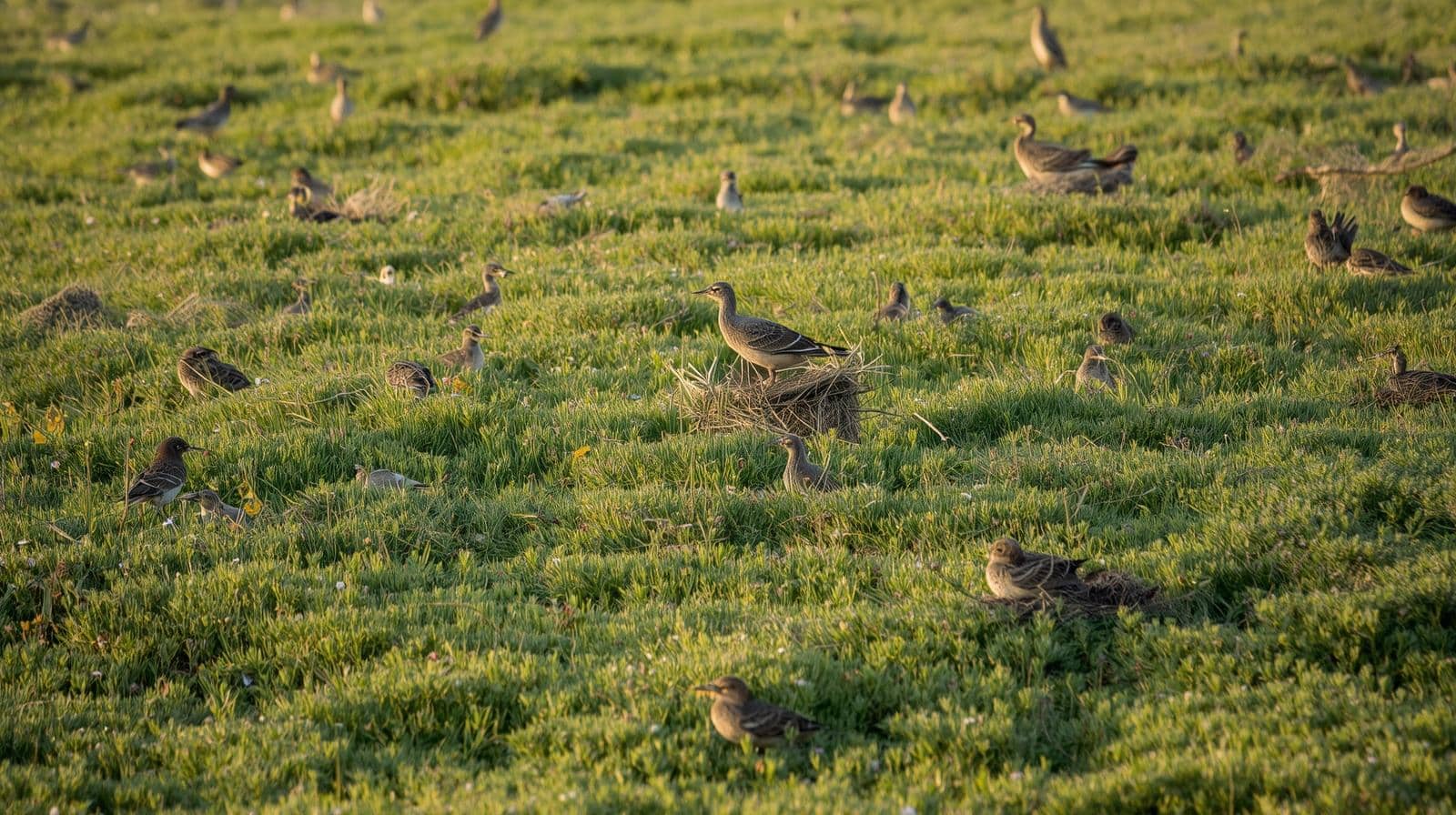
Have you ever wondered where birds choose to build their homes? Bird nesting fields hold the secret to safe and thriving birdlife.
These special places are more than just patches of land—they are vital habitats where birds raise their young and grow strong. If you care about nature and want to understand how these fields impact our environment, this article is for you.
Keep reading to discover why bird nesting fields matter and how they connect to the world around you.
Bird Nesting Habitats
Birds build nests in many places to lay eggs and raise their young. Each species prefers certain habitats that suit their needs. Understanding these habitats helps protect bird populations.
Bird nesting habitats can vary from trees and shrubs to fields and cliffs. The location affects safety, temperature, and food access for birds and their chicks.
Types Of Nesting Sites
Birds choose different nesting sites based on species and environment. Some build nests on the ground, while others prefer trees or man-made structures.
- Tree branches and hollows
- Ground nests in tall grasses
- Cliffs and rocky ledges
- Buildings and bridges
- Reeds and marsh plants
Preferred Environments
Birds select environments that offer shelter and food. Wetlands, forests, and open fields are common nesting places. Each has unique features that attract certain bird types.
| Environment | Common Bird Types | Key Features |
| Forests | Woodpeckers, Owls | Tree cover, safety from predators |
| Wetlands | Ducks, Herons | Water access, dense plants |
| Grasslands | Meadowlarks, Sparrows | Open space, tall grasses |
| Urban Areas | Pigeons, Swallows | Buildings, ledges, human food |
Seasonal Nesting Patterns
Bird’s nest during certain seasons. Most build nests in spring or early summer. This timing helps chicks grow when food is plentiful.
- Spring: Birds start building nests and laying eggs.
- Summer: Chick’s hatch and grow in the nests.
- Fall: Birds leave nests and prepare for migration or winter.
Common Bird Species In Nesting Fields
Nesting fields provide safe places for many bird species to lay eggs and raise young. These areas have grass, shrubs, and water sources that birds like.
Different birds use these fields in unique ways. Some build nests in trees, others on the ground, and some near water.
Songbirds And Their Nests
Songbirds are small birds known for their singing. They build cup-shaped nests using twigs, grass, and feathers.
Common songbirds in nesting fields include robins, sparrows, and warblers. They often hide nests in bushes or low trees.
- American Robin: Builds nests from mud and grass on tree branches
- Song Sparrow: Makes cup nests in dense shrubs or tall grass
- Yellow Warbler: Builds small nests in bushes near water
Waterfowl Nesting Habits
Waterfowl are birds like ducks and geese. They nest near ponds, lakes, or wetlands in nesting fields.
They build nests on the ground, often hidden in tall grass or reeds. Mothers stay close to protect eggs from predators.
- Mallards: Create nests on the ground near water, lined with down feathers
- Canada Geese: Build large nests from grass and moss near lakes
- Wood Ducks: Use tree cavities or nest boxes near water
Raptors And Ground Nesters
Raptors are birds of prey like hawks and owls. Some raptors nest in trees while others nest on the ground.
Ground nesters include species like killdeer. They lay eggs in simple scrapes on bare ground or gravel.
- Red-tailed Hawk: Builds large nests in tall trees or cliffs
- Great Horned Owl: Uses old nests or tree cavities for nesting
- Killdeer: Lays eggs on open ground with little or no nest material
Nesting Field Ecology
Nesting fields are important places for many bird species. They provide safe areas for birds to build nests and raise young chicks. These fields are rich in natural life and support many forms of wildlife.
Understanding the ecology of these fields helps us protect birds and their habitats. It also shows how plants, insects, and animals work together in nature.
Plant Life and Shelter
Plants in nesting fields offer shelter and nesting spots for birds. Tall grasses, shrubs, and small trees create safe places for birds to hide from predators and harsh weather.
- Tall grasses protect nests from wind and rain
- Shrubs provide cover and support for nests
- Flowering plants attract insects that feed birds
- Dense vegetation helps hide nests from predators
Insect Populations and Food Sources
Insects are a main food source for many nesting birds. Healthy insect populations mean birds have enough to eat. This supports strong growth for chicks and adult birds.
| Insect Type | Role for Birds | Common Plants Found |
| Beetles | Protein-rich food | Grasses, shrubs |
| Butterflies | Easy to catch prey | Flowering plants |
| Ants’ | Abundant food source | Leaf litter, shrubs |
| Grasshoppers’ | High-energy food | Grasses |
Role In Local Ecosystems
Nesting fields support many animals besides birds. They help maintain balance in local ecosystems. Birds control insect numbers and spread seeds for plants.
Key functions of nesting fields:
- Provide habitat for birds and small mammals
- Support pollinators like bees and butterflies
- Help control pests through bird feeding
- Promote plant growth by spreading seeds

Credit: www.shutterstock.com
Threats To Bird Nesting Fields
Bird nesting fields are important places where birds lay eggs and raise chicks. These areas face many dangers that make it hard for birds to survive. Protecting these fields helps keep bird populations healthy.
Understanding the main threats helps us find ways to protect these natural habitats. The biggest problems include habitat loss, predators, human disturbance, and climate change.
Habitat Loss and Fragmentation
Many bird nesting fields disappear because of farming, building, and roads. When these areas shrink or break into small pieces, birds lose safe places to nest. This makes it harder for birds to find food and shelter.
- Urban growth reduces natural land.
- Farming replaces wild plants with crops.
- Roads divide habitats into smaller sections.
- Logging cuts down trees where birds build nests.
Predators And Human Disturbance
Predators like foxes and raccoons often hunt bird eggs and chicks. People can also disturb birds by walking close to nests or using loud machines. This stress can make birds leave their nests and stop caring for their young.
| Threat | Effect on Birds |
| Foxes and raccoons | Eat eggs and chicks |
| People near nests | Cause birds to abandon nests |
| Loud noises | Stress birds, reduce breeding |
| Pets like cats | Hunt adult birds and chicks |
Climate Change Effects
Climate change changes weather patterns. This affects when birds breed and the plants and insects they need. Some nesting fields may flood or dry up. Birds must move or face fewer chances to raise chicks.
Climate change causes problems like:
- Early springs that confuse bird nesting times
- More storms that destroy nests
- Changes in food supply from plants and insects
- Rising temperatures that alter habitats
Conservation Efforts
Bird nesting fields are vital for many bird species. Protecting these areas helps keep bird populations safe.
Conservation efforts focus on protecting habitats and encouraging birds to return each year.
Protected Areas and Reserves
Protected areas stop harmful activities near bird nesting fields. Reserves create safe spaces for birds to breed.
Many governments and organizations set up these zones to keep birds safe from hunters and development.
- Limit human access during nesting season
- Ban hunting and egg collection
- Monitor bird populations regularly
Community Involvement
Local people help protect bird nesting fields. They learn why birds need safe places to nest.
Communities join in by watching nests and reporting dangers to wildlife officers.
- Organize clean-up days in nesting areas
- Teach children about bird conservation
- Support local rules that protect birds
Restoration And Management Techniques
Experts restore damaged nesting fields to help birds return. They remove harmful plants and add native species.
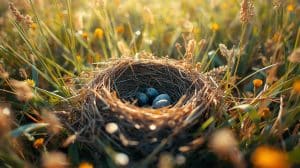
Management includes checking nests and building safe nesting boxes for birds to use.
- Remove invasive plants that block nesting
- Plant native grasses and shrubs
- Install birdhouses in safe spots
- Control predators near nesting areas
Credit: www.nbcrightnow.com
Exploring Nesting Fields
Nesting fields offer a unique chance to see birds in their natural homes. These places show how birds build nests and care for their young. Watching birds here can be a peaceful and exciting experience.
Visiting nesting fields helps us learn about different bird species and their habits. It also reminds us to protect these important habitats for future birds and people.
Best Times to Visit
The best time to visit nesting fields depends on the bird species and location. Usually, spring and early summer are great because many birds are building nests and raising chicks.
- Early morning visits give the best chance to see active birds.
- Late afternoon can also be good as birds return to their nests.
- Avoid visiting during bad weather to keep birds safe.
- Check local birdwatching reports for peak nesting times.
Ethical Birdwatching Tips
Watching birds in nesting fields requires care to avoid disturbing them. Always respect their space and follow simple rules.
- Keep a safe distance from nests to avoid stress on birds.
- Use binoculars or zoom lenses to see birds clearly.
- Do not touch or move nests or eggs.
- Stay on marked paths and avoid trampling plants.
- Keep noise low and avoid sudden movements.
Local And Global Hotspots
Nesting fields exist all over the world. Some are famous for their large bird populations and unique species. Below is a table of well-known nesting fields and their locations.
| Location | Region | Bird Species |
| Point Reyes | California, USA | Ospreys, Herons |
| Chilika Lake | Odisha, India | Pelicans, Flamingos |
| Doñana National Park | Spain | Storks, Eagles |
| Lake Nakuru | Kenya | Flamingos, Cormorants |
| Wadden Sea | Netherlands | Terns, Gulls |
Building Your Own Nesting Habitat
Creating a safe space for birds to nest helps local wildlife thrive. You can build a nesting habitat by choosing the right location, planting native plants, and providing safe structures.
This guide will show simple ways to support birds in your area. Each step is easy to follow and good for the environment.
Choosing The Right Location
Select a quiet spot away from heavy foot traffic and loud noises. Birds prefer areas with some cover and nearby food sources.
- Look for places with natural shade
- Avoid spots near busy roads
- Choose areas protected from strong winds
- Near trees or shrubs is best
Planting Native Flora
Native plants provide food and shelter for birds. They attract insects and offer seeds and berries that birds eat.
| Plant Type | Benefits for Birds |
| Oak Trees | Acorns and insect habitat |
| Milkweed | Nectar and shelter |
| Sunflowers | Seeds for feeding |
| Berry Bushes | Fruit for food |
Providing Safe Nesting Structures
Birdhouses and nesting boxes give birds a safe place to raise their young. Use materials that protect birds from weather and predators.
- Place boxes 5 to 10 feet above ground
- Face the entrance away from prevailing winds
- Use untreated wood to avoid toxins
- Clean boxes yearly to prevent parasites

Credit: www.thecooldown.com
Frequently Asked Questions
What Are Bird Nesting Fields?
Bird nesting fields are natural or managed areas where birds build nests. These fields provide safe spaces with ample food and shelter, promoting bird reproduction and biodiversity.
Why Are Bird Nesting Fields Important?
Bird nesting fields support bird populations by offering breeding habitats. They help maintain ecological balance and increase species diversity, benefiting the environment and agriculture.
How Can I Create a Bird Nesting Field?
To create a bird nesting field, plant native grasses and shrubs. Avoid pesticides, provide water sources, and ensure minimal human disturbance to attract nesting birds.
When Is the Best Time for Bird Nesting?
Bird nesting typically occurs in spring and early summer. This timing ensures warm weather and abundant food, ideal for raising healthy chicks.
Conclusion
Bird nesting fields play a crucial role in nature. They provide safe spaces for birds. Observing these fields can teach us about bird behavior. Protecting these areas helps preserve biodiversity. Each nest is a small wonder, worth our attention. Simple actions can support these environments.
Plant native plants, reduce pesticide use, and create bird-friendly gardens. Everyone can contribute to a healthier ecosystem. Let’s cherish and protect bird nesting fields. They are vital for our planet’s future. Together, we can make a difference for our feathered friends.