
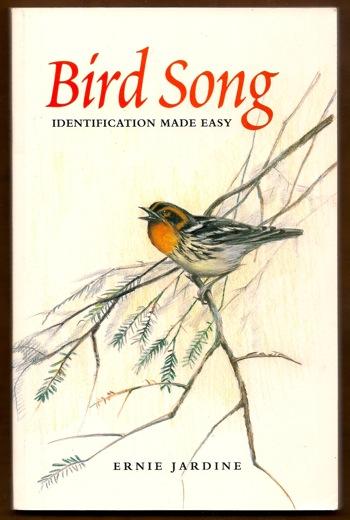
Have you ever heard a bird singing and wondered what kind it was? Imagine being able to recognize any bird just by its song.
Bird song identification can open up a whole new world right outside your window. It makes your walks more exciting and connects you deeply with nature. You will discover simple tips and tricks to help you recognize bird songs quickly and easily.
Get ready to sharpen your ears and impress your friends with your new skills!
Why Bird Songs Matter
Bird songs are more than pleasant sounds. They help birds live and communicate.
Understanding bird songs helps us learn about birds and their habits.
Role In Bird Communication
Birds use songs to talk to each other. Songs can warn of danger or show territory.
Male birds often sing to attract females. Different songs mean different messages.
- Marking territory to keep other birds away
- Finding and attracting mates
- Warning about predators nearby
- Keeping contact with flock members
Connection To Bird Behavior
Bird songs show what birds are doing or feeling. They sing more during breeding season.
Listening to songs helps us see patterns in bird life. Some songs change by time or place.
- More singing during mating season
- Different songs for feeding or warning
- Changes in songs show mood or health
- Learning songs helps young birds grow
Importance For Birdwatchers
Bird songs help birdwatchers find and identify birds. Songs can reveal hidden birds nearby.
Knowing songs improves birdwatching skills. It makes watching birds more fun and rewarding.
- Identify bird species by their songs
- Locate birds hidden in trees or bushes
- Understand bird behavior and habits
- Enjoy nature more deeply
Common Bird Song Types
Bird songs are sounds birds make to communicate. These sounds help birds find mates and defend areas.
Learning common bird song types can help you identify birds by ear. Each bird species has unique songs.
Songs Vs Calls
Songs are longer and more complex sounds. Birds use songs to attract mates and mark territory.
Calls are shorter and simpler. Birds use calls to warn others or keep in touch.
- Songs: Complex, musical, often repeated
- Calls: Simple, brief, used for alerts
- Songs mostly by males during breeding
- Calls made by both sexes any time
Typical Song Patterns
Many birds follow song patterns that repeat notes or phrases. This helps other birds recognize them.
Some common patterns include whistles, trills, and chirps. Patterns vary by species and region.
- Whistles: Clear, high-pitched sounds
- Trills: Rapid repeated notes
- Chirps: Short, sharp sounds
- Warbles: Musical and varied phrases
Regional Variations
Bird songs can differ by location. Birds in one area may sing a little differently than in another.
These changes happen because birds learn songs from nearby birds. This creates local dialects.
- Same species, different regions may sing different songs
- Local dialects help birds recognize neighbors
- Environmental sounds can influence song style
- Regional variations make birding more interesting
Tools For Identifying Bird Songs
Bird song identification helps bird watchers know which birds are nearby. Many tools make it easier to learn and recognize bird sounds.
These tools include mobile apps, field guides, and sound analysis methods. Each tool offers a unique way to study bird songs.
Mobile Apps And Software
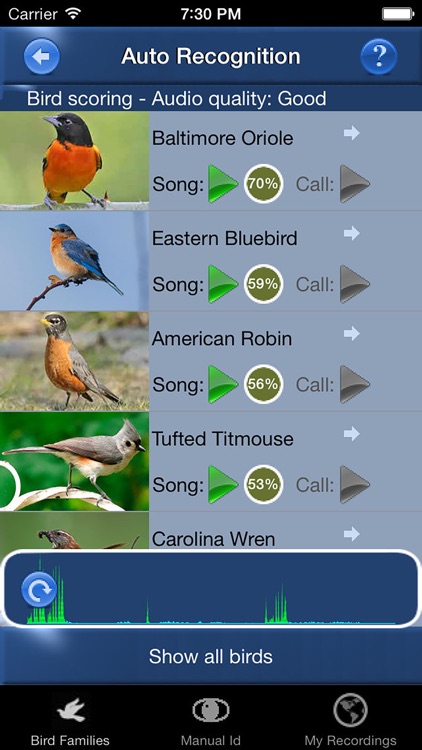
Mobile apps help identify bird songs quickly using your phone. Some apps listen to the bird sounds and suggest possible matches.
Software programs offer more detailed analysis. They can compare sounds to large databases to find exact matches.
- Real-time bird song recognition
- Large sound libraries for comparison
- Easy to use on smartphones and tablets
- Some apps work offline for field use
Field Guides And Recordings
Field guides include written descriptions and pictures of birds. They often come with CDs or online links to bird song recordings.
Listening to recordings helps people learn the sounds birds make. It also improves memory for recognizing songs in nature.
- Printed guides with bird images
- Audio CDs or digital recordings
- Descriptions of bird calls and songs
- Useful for offline study and practice
Using Spectrograms
Spectrograms show bird songs as images with time and frequency. They reveal patterns not easy to hear with the ear.
Bird watchers use spectrograms to compare and study songs in detail. This method helps distinguish birds with similar sounds.
- Visual display of sound frequency over time
- Highlights unique patterns in bird songs
- Used by scientists and serious bird watchers
- Requires special software or apps

Credit: apps.apple.com
Techniques To Train Your Ear
Bird song identification needs a good ear. Training your ear helps you hear small details in songs.
Using the right techniques makes learning bird sounds easier. Practice often to improve your skill.
Focused Listening Practices
Listening with focus means paying full attention to bird songs. Find a quiet place to listen carefully.
Try to notice the pitch, rhythm, and tone of each bird sound. This helps you recognize different species.
- Use headphones to catch small sounds
- Close your eyes to avoid distractions
- Focus on one bird song at a time
- Write down what you hear
Memory Aids For Songs
Memory aids help you remember bird songs better. Use simple tricks to link sounds with images or words.
Try to match bird songs with familiar sounds or create short stories about the bird. This makes recall easier.
- Link songs to everyday sounds like whistles or bells
- Create rhymes or phrases about the bird’s song
- Use pictures of birds while listening
- Repeat the song and say its name aloud
Learning Through Repetition
Repeating bird songs many times helps your brain remember them. Practice regularly to build strong memory.
Listen to the same song in different places and times. This builds your skill to recognize it anywhere.
- Play recordings daily for 5 to 10 minutes
- Try to sing or hum the bird songs
- Test yourself by identifying songs without help
- Review songs you find difficult often
Common Challenges And How To Overcome Them
Bird song identification can be tricky for many bird watchers and nature lovers. There are several challenges that make it hard to recognize bird calls correctly.
Understanding these challenges helps you improve your skills and enjoy bird watching more.
Similar Songs From Different Species
Many birds have songs that sound alike. This can confuse people trying to identify them by ear. Some species copy each other or share common sounds.
Listening carefully to small differences in pitch, rhythm, and length can help. Learning about the habitats and behaviors of birds also guides identification.
- Note the speed of the song
- Listen for unique whistles or trills
- Check the environment where the bird sings
- Use apps to compare similar sounds
Background Noise Issues
Background noise like wind, traffic, or other animals makes it hard to hear bird songs clearly. This noise can mask the sounds or change how they seem.
Using headphones or moving to a quieter spot helps. Recording bird songs and listening later can also reduce noise problems.
- Find a calm place with less noise
- Record songs to analyze later
- Use noise-canceling headphones
- Choose early morning times for clearer sounds
Seasonal Song Changes
Bird songs can change depending on the season. Some birds sing more in spring to attract mates. Others may have different calls in winter.
Knowing when birds change their songs helps identify them better. Study seasonal patterns and listen for new or altered sounds during different times of the year.
- Learn which birds sing in each season
- Notice if songs become simpler or complex
- Track changes during breeding periods
- Use field guides that include seasonal song info
Credit: appadvice.com
Applying Identification Skills In The Field
Bird song identification helps you learn about birds and their behaviors. Using your skills in nature makes birdwatching more rewarding.
Listening carefully and watching closely will improve how well you identify bird songs. Practice in different places to get better.
Effective Observation Tips
Look for the bird while you listen to its song. Notice its size, color, and movement. These clues help confirm the bird’s identity.
Stay quiet and still to avoid scaring birds away. Use binoculars to see details from a distance. Write notes about what you observe.
- Focus on the direction of the sound
- Watch for bird shapes and colors
- Note the time of day and habitat
- Stay patient and observe quietly
Recording Bird Songs
Use a smartphone or a recorder to capture bird songs. Recordings help you listen again and compare with guides later.
Try to record in a quiet place to avoid background noise. Keep the recorder steady and close to the bird for clear sounds.
- Find a spot with little wind and noise
- Hold the recorder still and near the bird
- Record short clips of each song
- Label recordings with date and location
Sharing Your Findings
Share your bird song recordings and notes with other bird lovers. You can learn from others and help with bird studies.
Use online bird groups or local clubs to exchange information. Clear photos and good recordings make your findings useful to others.
- Post recordings on birdwatching websites
- Join local birdwatching groups
- Attend bird identification workshops
- Keep a journal of your observations
Advanced Bird Song Identification
Bird song identification helps us learn about bird behavior and habitats. Advanced techniques allow deeper study of bird sounds.
These methods use technology and careful listening. They help separate similar songs and find unique patterns.
Analyzing Song Structure
Bird songs have parts like notes, phrases, and patterns. Analyzing these parts shows how birds communicate.
Experts use software to break down songs into smaller pieces. This helps find repeating sounds and rhythms.
- Notes: single sounds or tones
- Phrases: groups of notes played together
- Patterns: repeated sequences of phrases
Recognizing Individual Variations
Birds of the same species often sing differently. These differences help identify individual birds.
Listening for small changes in pitch, speed, or tone reveals these variations. This skill is useful for tracking birds.
- Pitch changes show different voices
- Speed of singing varies by bird
- Tonal quality helps tell individuals apart
Scientific Research Applications
Advanced bird song study supports many science projects. It helps monitor bird populations and behaviors.
Scientists use recordings to study migration, mating, and territory. This data helps protect bird species.
- Track bird numbers in different areas
- Study how birds communicate during mating
- Observe changes in bird behavior over time

Credit: www.reddit.com
Frequently Asked Questions
What Is Bird Song Identification?
Bird song identification is recognizing birds by their unique sounds. It helps in studying bird species and behavior. Bird songs are distinct and vary by region and season. Learning these sounds improves birdwatching and ecological knowledge.
How Can I Learn Bird Songs Effectively?
Start by listening to recordings and repeating sounds aloud. Use bird song apps for practice and comparison. Observe birds while hearing their calls. Consistent practice enhances recognition skills and memory retention.
Why Is Bird Song Important For Birds?
Bird songs serve for communication, territory defense, and attracting mates. They help birds identify each other and avoid conflicts. Songs reflect a bird’s health and vitality, influencing reproduction success.
Which Tools Help In Bird Song Identification?
Smartphone apps, online databases, and field guides assist identification. Apps like Merlin Bird ID use AI to recognize songs. Recording devices capture sounds for later analysis and comparison.
Conclusion
Bird song identification helps us enjoy nature more deeply. Each bird has a unique song to recognize. Practice listening closely to different sounds around you. Use simple tools or apps to aid your learning. With time, you will hear more birds clearly.
This skill brings calm and joy outdoors. Keep exploring and appreciating the songs every day. Nature has many stories to tell through bird calls. Your ears will become sharper, and your walks richer. Happy bird listening!



