Have you ever paused to listen closely to the birds around you and wondered what they’re saying? Learning how to identify bird songs can open up a whole new world right outside your window.
Imagine being able to recognize a bird just by its song, turning any walk in the park into an exciting discovery. In this guide, you’ll find simple tips and tricks to train your ear and sharpen your skills. By the end, you’ll feel confident spotting different birds just by their melodies.
Ready to unlock the secret language of birds? Let’s dive in!
Basics Of Bird SongsView Post
Bird songs are sounds birds make to communicate. Each bird species has unique songs.
Listening to bird songs helps identify birds without seeing them. Songs can tell about the bird’s species and behavior.
Common Song Patterns
Bird songs often follow simple patterns. These patterns help birds attract mates or mark territory.
Many birds repeat notes or phrases. Some use rising or falling sounds to create a melody.
- Repetition: repeating the same sound several times
- Variation: changing pitch or rhythm within a song
- Trills: rapid, repeated notes
- Whistles: clear, high-pitched tones
Differences Between Songs And Calls
Songs are longer and more complex than calls. Birds use songs to attract mates or defend areas.
Calls are short sounds used to warn, signal danger, or keep in contact. Calls are simpler and more frequent.
- Songs:longer, musical, for mating and territory
- Calls:short, simple, for alerts and communication

Credit: www.reddit.com
Tools For Bird Song Identification
Identifying bird songs helps you learn more about birds around you. Many tools make this task easier and fun.
These tools range from simple recorders to smart apps and detailed guides. Each one helps you recognize bird sounds better.
Using Audio Recorders
Audio recorders capture bird songs clearly in nature. You can listen to the sounds later to study them closely.
Good recorders pick up sounds from far away and reduce background noise. Some devices even show sound waves.
- Handheld digital recorders are easy to carry
- Use windshields to reduce wind noise
- Record during early morning for clear bird sounds
- Play back recordings to compare with known bird calls
Mobile Apps And Software
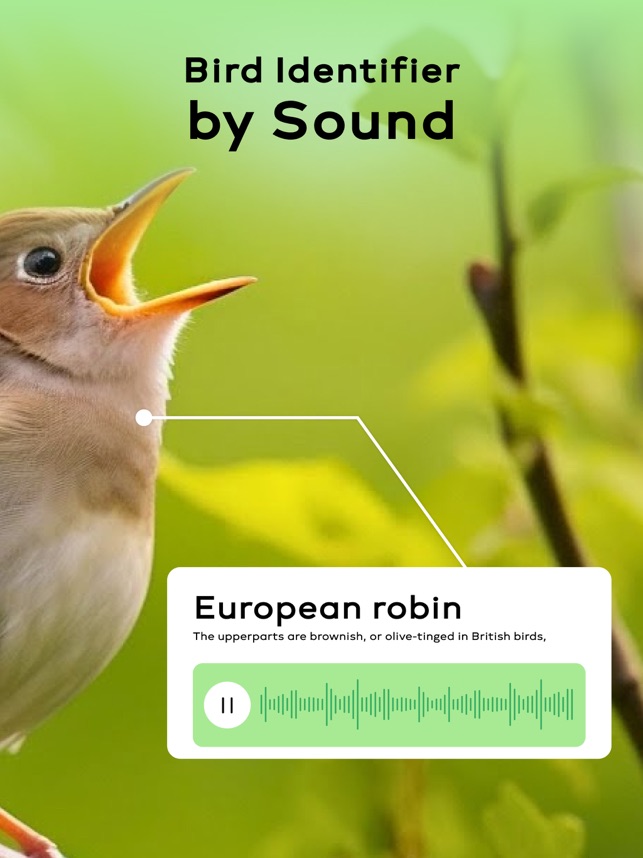
Mobile apps help identify bird songs by listening to the sound. They match your recording with their database.
Many apps show pictures and info about each bird. Some apps let you save and share your bird song finds.
- Apps can work offline after downloading sounds
- Some apps have built-in recorders for easy use
- Use apps to learn common bird songs in your area
- Compare multiple bird calls side by side
Field Guides And Online Resources
Field guides include bird song descriptions and notes on sound patterns. They help you recognize songs by ear.
Online resources offer audio clips and expert tips. Some websites have tools to test your bird song knowledge.
- Printed guides show song notes and bird images
- Websites provide free audio libraries
- Forums help with tricky bird song questions
- Use online quizzes to improve listening skills
Techniques To Improve Recognition
Recognizing bird songs takes practice and focus. Using specific techniques can help you hear and remember different bird calls better.
This guide covers ways to listen actively, understand rhythm and pitch, and spot variations in songs.
Active Listening Strategies
Focus your attention fully on the sounds around you. Find a quiet spot and listen carefully to bird calls. Avoid distractions like talking or loud noises.
- Close your eyes to concentrate better
- Use headphones with bird sound apps
- Record songs to replay later
- Practice listening daily in different places
- Take notes on what you hear
Noting Song Rhythm And Pitch
Bird songs have unique rhythms and pitches. Rhythm means the pattern of sounds over time. Pitch is how high or low the notes sound.
| Aspect | What to Listen For |
| Rhythm | Fast, slow, steady, or broken patterns |
| Pitch | High notes, low notes, or a mix |
| Repetition | How often a phrase repeats |
| Length | Short chirps or long whistles |
Identifying Song Variations
Birds can change their songs by region or mood. Learning these variations improves your recognition skills.
- Listen for different versions of the same song
- Note changes in tone or speed
- Compare songs from different areas or seasons
- Use apps or guides to match variations

Credit: victoriaadvocate.com
Environmental Factors Affecting Bird Songs
Bird songs vary depending on the environment. Many factors around birds change how they sing. Understanding these helps you identify bird songs better.
Environmental influences include time, place, and weather. Each factor affects bird behavior and their songs.
Time Of Day And Season
Birds sing more at certain times of the day. Early morning and late afternoon are common singing times. Birds use these times to claim territory or attract mates.
Seasons also affect bird songs. Spring and early summer are peak singing times. This is when birds prepare to breed.
- Morning songs are loud and clear
- Summer songs often show more variety
- Winter songs are quieter or less frequent
Habitat Influence
Bird songs differ by habitat type. Forest birds have songs that carry well through trees. Open field birds use simpler calls that travel far.
Urban birds may change their songs. They sing louder or at different pitches to be heard over noise.
- Dense forests cause birds to sing slower
- Open areas favor high-pitched songs
- City noise leads to louder or higher songs
Weather Effects
Weather changes how birds sing each day. Rain and wind can make birds quieter. Birds often sing more on calm, clear days.
Temperature also matters. Cold weather may reduce singing, while warm weather encourages it.
- Rain lowers bird song activity
- Wind distorts sound and limits singing
- Warm, sunny days increase singing
Common Mistakes To Avoid
Identifying bird songs can be tricky for beginners. Many people make simple mistakes that slow their learning.
Knowing what to avoid helps you improve your bird song recognition faster. Avoid these common errors to get better results.
Confusing Similar Species
Many birds have songs that sound alike. This makes it easy to mix them up if you are not careful.
Focus on small differences like pitch, rhythm, or pauses. These details help tell species apart.
- Listen for unique patterns in the song
- Note the length and timing of calls
- Compare songs with known recordings
- Use apps or guides for reference
Ignoring Background Noise
Background sounds can confuse your ear. Wind, traffic, or other animals may hide bird songs.
Try to listen in quiet places or use headphones. This helps you focus on the bird’s actual song.
- Choose calm times of day for listening
- Use noise-canceling headphones if possible
- Record songs to listen later clearly
- Move away from noisy areas
Overlooking Contextual Clues
Bird songs often depend on where and when you hear them. Ignoring this can lead to wrong guesses.
Look at the bird’s habitat and the season. These clues help narrow down which bird is singing.
- Notice if the bird is near water or trees
- Check the time of year or day
- Watch for bird behavior while it sings
- Use location-based bird guides
Practice Exercises For Bird Song Recognition
Learning bird songs takes time and practice. Listening carefully helps you recognize different birds. Use exercises to improve your skills.
Try different methods like listening to recordings, observing birds in nature, and joining groups. These ways help you learn faster and enjoy birding more.
Listening To Recorded Songs
Start with recorded bird songs to train your ear. Listen to short clips often. Focus on the pitch, rhythm, and patterns of the sounds.
- Use apps or websites with bird song libraries
- Play a recording and repeat it several times
- Try to mimic the bird song yourself
- Record your own attempts and compare
- Learn a few common bird songs at a time
Field Observation Tips
Practice bird song recognition outdoors. Find quiet spots where birds sing often. Use headphones to hear clearly if needed.
| Tip | Description |
| Be Patient | Wait quietly for birds to sing. |
| Note Surroundings | Watch for bird movement and habitat. |
| Use Binoculars | Spot birds while listening to songs. |
| Write Notes | Record what you hear and see each time. |
| Practice Often | Visit different locations at different times. |
Joining Birding Groups
Join local or online birding groups. Share your recordings and get feedback. Learn from others’ experience and tips.
Common activities in birding groups:
- Group listening sessions
- Field trips to bird-rich areas
- Workshops on bird song identification
- Sharing resources and recordings
- Bird song quizzes and games
Credit: apps.apple.com
Frequently Asked Questions
What Are The Key Features Of Bird Songs?
Bird songs vary in pitch, rhythm, and repetition. Recognizing these helps identify bird species. Listen for unique patterns and tones to distinguish different birds.
How Can I Train My Ear To Identify Bird Songs?
Start by focusing on common local birds. Use apps or recordings to practice regularly. Gradually, you'll recognize distinct sounds and improve your identification skills.
Which Tools Help In Identifying Bird Songs Accurately?
Bird identification apps and audio recorders are great tools. They help compare and analyze sounds. Field guides with song descriptions also assist in accurate recognition.
Why Do Birds Sing Different Songs In Different Regions?
Birds adapt songs based on habitat and population. Regional variations help them communicate effectively. This diversity makes song identification both challenging and fascinating.
Conclusion
Identifying bird songs enhances your connection with nature. Start with common birds. Listen carefully and practice regularly. Use apps or guides for better identification. Patience is key in this journey. Small steps lead to improvement over time. Enjoy the melodies of our feathered friends.
Each bird song tells a story. Embrace this peaceful hobby and explore the world of birds. Share your experiences with friends. Encourage them to join you in this adventure. Bird songs bring joy to your everyday life. Happy bird listening!