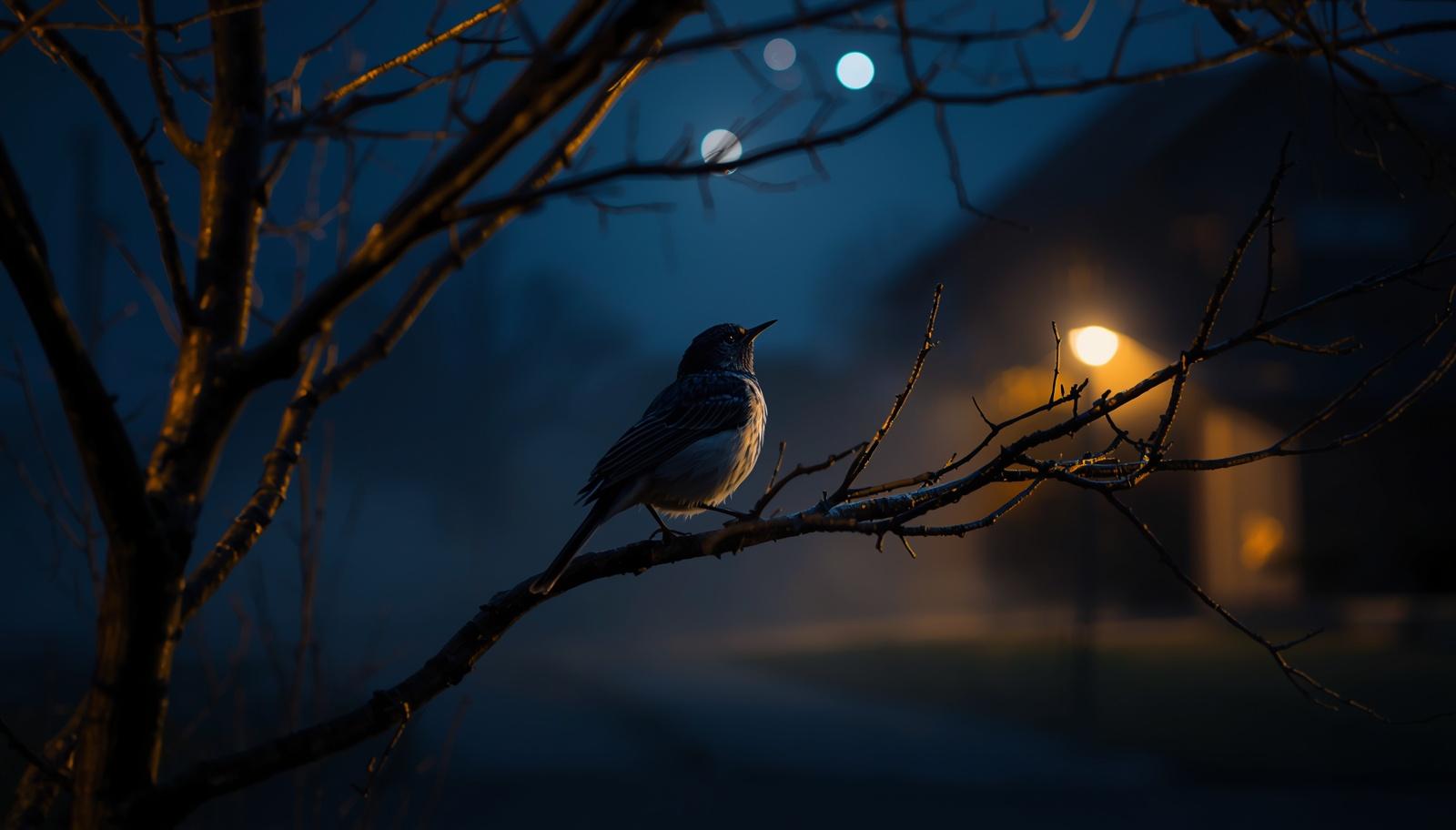
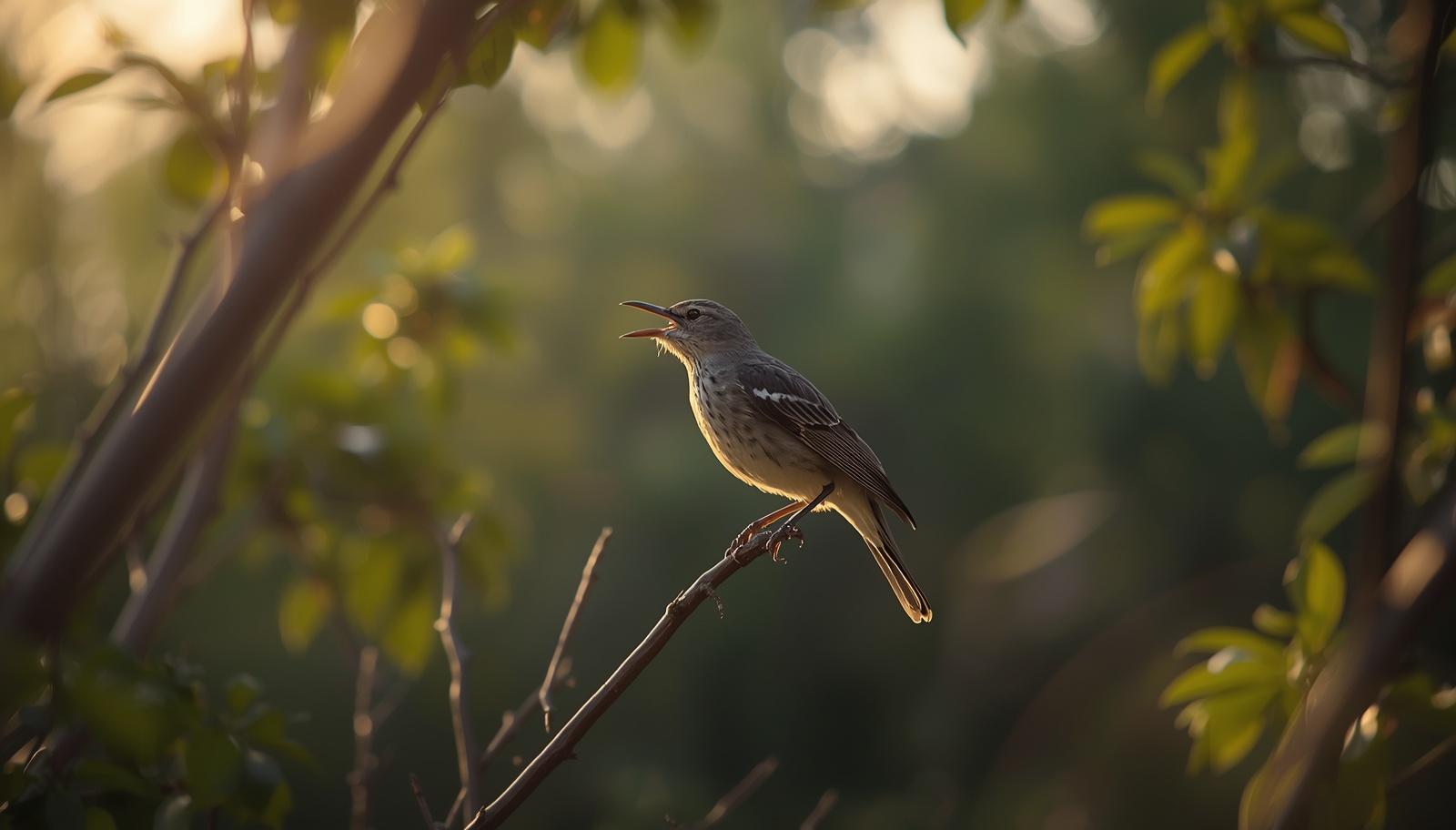
Have you ever stopped to listen closely to the beautiful songs birds sing around you? Bird song is more than just background noise—it’s a fascinating language full of meaning and emotion.
If you’ve ever wondered why birds sing, what their songs mean, or how they create such melodies, this article is made for you. By the end, you’ll see bird songs in a whole new light and maybe even learn how to recognize some yourself.
Ready to unlock the secrets hidden in every chirp and trill? Let’s dive in.

Credit: music.apple.com
Birdsong Basics
Birdsong is a beautiful sound heard in many places. It is more than just noise from birds.
Birds use songs to communicate with each other. Learning about birdsong helps us enjoy nature.
What Is Birdsong
Birdsong is a series of musical sounds made by birds. It is different from simple calls.
Birds sing to share information and express feelings. Songs can be long or short and vary by species.
Why Birds Sing
Birds sing to mark their territory and attract mates. Singing helps them protect their space.
Songs also help birds talk to each other and warn about danger. Singing is important for bird life.
Common Bird Calls Vs Songs
Bird calls are short sounds for quick messages. Songs are longer and more complex sounds.
Calls warn of danger or keep birds together. Songs attract mates and mark territory clearly.
- Bird Calls:Short, simple, quick messages
- Bird Songs:Long, complex, used for attraction
- Calls alert or keep contact
- Songs show strength and territory

Credit: www.youtube.com
Popular Songbirds
Songbirds are known for their beautiful melodies. Many people enjoy listening to their songs outdoors.
Some songbirds are famous for their clear and varied tunes. These birds bring joy to many bird watchers.
Northern Cardinal
The Northern Cardinal is bright red and easy to spot. Its song is loud and clear, often heard in gardens.
Male cardinals sing to mark their territory. Their songs help attract female cardinals during spring.
Song Thrush
The Song Thrush repeats its song many times. It has a rich and melodious voice that fills woodlands.
This bird often sings from high branches. Its song includes clear phrases that sound like ringing bells.
Canary
Canaries are small birds famous for their singing. Many people keep them as pets for their sweet songs.
Male canaries sing to show health and attract mates. Their songs can vary from soft to loud tunes.
Mockingbird
Mockingbirds can imitate many sounds from nature. Their songs include other birds’ calls and noises.
They sing for long periods, especially at night. Mockingbirds use their songs to defend their area.
How Birds Create Songs
Birds create songs to communicate with each other. These songs can show territory, attract mates, or warn of danger.
Each bird species has its own way of making sounds. They use special body parts and learn from others to create different songs.
Syrinx Anatomy
The syrinx is the main organ birds use to make sounds. It is located where the windpipe splits into the lungs.
The syrinx has thin membranes that vibrate when air passes through. Birds control these membranes to change pitch and tone.
- It allows birds to produce two sounds at once.
- Its muscles control sound tightness and airflow.
- Different syrinx shapes create unique sounds for each bird.
Sound Variation Techniques
Birds change their songs by adjusting pitch, rhythm, and volume. These changes help them send clear messages.
They can also add trills, whistles, or buzzes. These sounds make their songs more complex and interesting.
- Varying pitch to show different emotions
- Changing speed to make songs longer or shorter
- Repeating notes to create rhythms
Learning And Imitation
Young birds learn songs by listening to adult birds. They practice to match the sounds they hear.
Some birds copy sounds from other species. This helps them adapt to new environments or attract mates.
- Listening to parents or neighbors
- Repeating and practicing songs
- Adding new sounds over time
Functions Of Birdsong
Birdsong is a special sound made by birds. It plays many important roles in their lives. Birds use songs to talk to each other and survive.
These songs help birds find mates, protect their homes, and share information. Each function has a unique purpose in the bird world.
Attracting Mates
Birds use songs to attract a mate during the breeding season. A strong, clear song shows the bird is healthy and ready to find a partner.
Different species have different songs to help females recognize males of their kind. Singing loudly helps males stand out from others.
Territory Defense
Birds sing to defend their territory from other birds. The song warns others to stay away from their space.
By singing, birds avoid fights and show they are ready to protect their home. This keeps their area safe for food and nesting.
Communication
Birdsong is a way for birds to communicate important messages. They use different sounds to signal danger or call their young.
Some birds use songs to keep in touch with their group or to find food. Each sound has a special meaning in bird language.
Birdsong And Environment
Birdsong is a common sound in nature. It helps birds communicate with each other.
The environment affects how and when birds sing. Different places and times change their songs.
Seasonal Changes
Birds sing more during certain seasons. Spring is the main time for singing to find mates.
In colder months, birds may sing less. Some species even stop singing to save energy.
Effects Of Habitat
Birdsong changes depending on where birds live. Forests, fields, and wetlands all have different sounds.
Dense habitats may cause birds to sing louder or use different tones to be heard.
- Open areas lead to clear, simple songs
- Thick forests cause complex, soft songs
- Wetlands produce songs that carry over water
Impact Of Urban Noise
City noise makes it hard for birds to hear each other. Birds change their songs to stand out.
Some birds sing higher or louder in noisy places. This helps their songs travel farther.
- Car sounds cover low-pitched bird songs
- Birds sing earlier in the morning to avoid noise
- Urban birds may lose some song variety
Listening To Birds
Birdsong is a beautiful part of nature. Many people enjoy listening to birds in their gardens and parks. It helps us relax and learn about different bird species.
Listening to birds is easy. You only need to know when and where to listen. Using some tools can make it even better.
Best Times For Birdsong
Birds sing mostly in the morning. This is when they are most active and the air is quiet. Early spring is a great season because birds sing to find mates.
Evening can also be good for bird sounds. Birds often sing before nightfall. Rainy or very windy days are not good for listening.
- Early morning, just after sunrise
- Late afternoon before sunset
- Spring and early summer seasons
- Avoid rainy and windy weather
Equipment For Bird Listening
You do not need much equipment to listen to birds. A pair of binoculars helps you see the birds making the sounds. A good microphone or recorder can capture their songs.
Wearing headphones lets you hear birds more clearly. A notebook helps to write down what you hear. Dress quietly and avoid strong smells to stay unnoticed.
- Binoculars for spotting birds
- Microphone or sound recorder
- Headphones for clear listening
- Notebook and pen for notes
- Quiet clothes and no strong smells
Apps And Resources
Many apps help identify bird songs. They play recorded songs and let you compare sounds. Some apps allow you to record and get help from experts.
Books and websites provide pictures and bird calls. Join local bird groups to learn and share sounds with others. These resources make bird listening more fun and educational.
- Bird song identification apps
- Recording and playback features
- Bird guidebooks with sounds
- Online bird sound libraries
- Local bird watching groups
Birdsong In Culture
Birdsong has been part of human culture for many years. People listen to bird sounds for peace and joy.
Bird songs appear in music, stories, and efforts to protect nature. They inspire and teach us.
Music Inspired By Birds
Many composers use bird songs in their music. They copy bird sounds with instruments.
Bird songs add beauty and nature’s voice to music. They help people feel calm and happy.
- Beethoven used bird calls in his Pastoral Symphony.
- Messiaen studied bird songs and wrote them in his pieces.
- Folk music often includes bird sounds to tell stories.
Symbolism And Folklore
Bird songs have special meanings in many cultures. They often symbolize freedom and hope.
Stories and legends use bird songs to explain nature and life. Birds can be messengers or signs.
- In some cultures, bird songs signal good luck.
- Birds singing at dawn often mean new beginnings.
- Folklore uses bird sounds to teach lessons or warn people.
Conservation Efforts
Bird songs help scientists know if birds are healthy. They listen to songs in forests and parks.
People work to protect birds and their habitats. Saving birds means saving their songs too.
- Bird monitoring uses recordings of songs to track species.
- Conservation groups teach how to protect bird homes.
- Clean environments help birds sing loud and clear.

Credit: music.apple.com
Frequently Asked Questions
What Is A Bird Song?
A bird song is a series of musical sounds birds use to communicate. It helps with mating and territory defense.
Why Do Birds Sing In The Morning?
Birds sing in the morning to attract mates and mark territory. The quiet morning enhances their song's reach.
How Do Birds Learn Their Songs?
Birds learn songs by listening to adults. Young birds practice until they perfect their unique melodies.
Can Bird Songs Vary By Region?
Yes, bird songs vary by region. Different areas produce unique song patterns and dialects within the same species.
Conclusion
Bird songs bring joy and calm to many people’s lives. They connect us with nature’s simple beauty. Listening closely helps us notice different bird calls and their meanings. Each song tells a story about the bird’s world. Take time to enjoy these sounds every day.
They brighten mornings and soothe busy minds. Bird songs remind us to slow down and appreciate life. Keep exploring and learning about these wonderful melodies. Nature’s music is always there for those who listen.