

How Many Bird Species Are There in the World?
Do you ever wonder how many birds fill our skies? Birds show amazing variety. You see tiny hummingbirds and giant eagles. This variety often surprises people.
Knowing the number of species is not just trivia. It shows the diversity right outside your door. Do you want the exact count? This article gives clear answers. It will change how you see the world.
Global Bird Diversity
Birds exist on every continent and in nearly every ecosystem. Understanding global bird diversity helps us protect these species and their habitats.
The study of bird species count shows us how life adapts in different environments. Each species plays a role in nature, whether it spreads seeds, pollinates flowers, or controls insects.
Total Number of Bird Species
Currently, there are about 10,000 known bird species. However, this number changes as scientists discover new species or reclassify existing ones. Learning how many bird species are there in the world helps researchers track biodiversity and focus conservation efforts.
Each species has unique traits and habitats, from small songbirds to giant ostriches.
Factors Influencing Species Count
Scientists count birds by looking at features. They also check DNA. Some birds look the same but are different.
Habitat loss hurts bird numbers. A changing climate also causes problems. Some species disappear. This affects the total count.
We check how birds look.
We use DNA analysis and genetic studies.
Habitat changes matter a lot.
We track new finds and extinctions.
Recent Discoveries and Updates
Scientists find new species in remote spots. New tools help identify them faster.
Bird lists update often. Some birds move to new groups.
New species live in tropical forests.
DNA confirms new species.
Global bird surveys happen often.
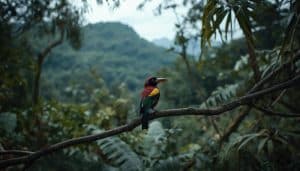
Credit: www.zmescience.com
Bird Classification
The world has about 10,000 bird species. Scientists group them by habits. This helps us see shared traits. It shows how birds are related.
Major Bird Families
Families group birds with common features. This includes shape and behavior.
Accipitridae: Hawks and eagles with sharp claws.
Psittacidae: Smart and colorful parrots.
Corvidae: Intelligent crows and ravens.
Trochilidae: Fast-winged hummingbirds.
Distinctive Bird Orders
Orders group families together. Each order has unique traits.
Passeriformes: Perching birds. This is the largest group.
Falconiformes: Fast and strong hunters.
Strigiformes: Owls with silent wings.
Psittaciformes: Parrots with curved beaks.
Endemic Vs. Migratory Species
Endemic birds live in only one spot. Migratory birds travel every year. Both are important for nature.
Endemic: Found only in specific countries.
Migratory: They fly miles for food.
Migration helps birds survive winter.
Geographical Distribution
Birds adapt to many climates. Geography shows us where they live. Some places have many species.
Bird Species by Continent
Each continent has special birds. Some regions have more than others.
| Continent | Approx. Species | Key Fact |
| South America | Over 3,800 | Has the most species. |
| Asia | Over 3,000 | Many forest birds. |
| Africa | Around 2,300 | Many water birds. |
| North America | Around 900 | Many songbirds. |
| Europe | About 600 | Many are migratory. |
Expert Insight: "The count depends on the concept used. DNA studies suggest the number could be 18,000." – Taxonomist Note.
Hotspots Of Avian Diversity
Some small areas have huge numbers. We call these hotspots. The Amazon Rainforest is a famous example. These places need protection.
The Andes Mountains.
The Congo Basin.
Islands And Unique Bird Populations
Islands often have unique birds. These birds evolve alone. Many are now rare.
Galápagos Islands: Famous for unique finches.
Madagascar: Birds found only there.
New Zealand: Unique flightless birds.

(Credit: animal-pedia.org)
Credit: animal-pedia.org
Conservation Status
Many birds face danger today. Status labels show the risk levels. These labels guide our help. Some are critically endangered and closest to extinction.
Threatened And Endangered Species
Some birds have small populations. They need urgent help.
Threatened: At risk soon.
Endangered: High risk of extinction.
Critically Endangered: Very close to disappearing.
Conservation Efforts Worldwide
Many groups work to save birds. They create protected areas. They also start breeding programs.
Building bird reserves.
Breeding birds in safety.
Making laws against hunting.
Impact Of Habitat Loss
Losing forests harms birds. Changing temperatures affect migration too.
Deforestation removes nests.
Cities break up habitats.
Weather destroys homes.
Tracking And Research Methods
Scientists track birds to learn habits. This helps protect their homes.
Birdwatching And Citizen Science
Birdwatchers help scientists a lot. They report what they see. Easy reporting through apps helps everyone.
Reporting through phone apps.
Groups collect data fast.
Monitor rare birds easily.
Technological Advances In Study
New tools make study accurate. GPS shows where birds fly. Drones reach hard spots.
GPS tracks migration paths.
Cameras watch behavior.
DNA identifies species.
Role Of International Organizations
Groups like BirdLife International unite countries. They share data. They create global plans.
Coordinate research.
Share data between nations.
Advise on bird laws.

Credit: www.allaboutbirds.org
Future Trends In Bird Species
Scientists study how bird species may change in the years ahead. The total number of bird species is not fixed. It will grow or shrink based on our actions.
Understanding future trends helps us protect birds better. It helps us prepare for new problems they might face.
Predicted Changes In Species Count
Experts think the total number of species could change. New discoveries may add to the list. However, extinctions will likely reduce it.
Habitat loss will probably reduce some bird groups. Technology, on the other hand, may help us find unknown species.
Species extinction may increase due to habitat loss.
New species could be found in remote areas.
Emerging Challenges For Birds
Birds face many new problems that affect their survival. Pollution, climate change, and urban growth are key challenges.
Invasive species and diseases also threaten bird populations. These problems can reduce food and safe nesting places.
- Rising temperatures affect migration and breeding
- Pollution harms bird health and habitats
- Urban areas reduce natural living spaces
- Invasive species compete for resources
- New diseases can spread quickly among birds
Opportunities For Conservation
Conservation efforts can help protect bird species in the future. New tools and global cooperation improve the chances for success.
Protecting habitats and reducing pollution are important steps. Education and citizen science also play a big role in saving birds.
- Creating protected areas for bird habitats
- Using technology to monitor bird populations
- Reducing pollution and harmful chemicals
- Engaging people in bird watching and data collection
- Supporting laws that protect wildlife
Frequently Asked Questions
How Many Bird Species Exist Globally?
There are about 10,000 known species.
What Affects the Count?
Habitat loss and climate change reduce numbers.
How Do Scientists Group Them?
They use traits and DNA.
Are New Species Still Being Found?
Yes. Scientists find them in remote jungles.
Conclusion
Birds fill our world with beautiful songs and color. Scientists know about 10,000 bird species. Each species has unique traits and homes.
Birds help nature balance itself by spreading seeds and controlling insects. Learning about this diversity inspires us to care for the environment.
The amazing variety of birds shows nature’s great creativity. Keep exploring and appreciating the species around you. They tell the story of our planet's rich life. Learning how many Bird Species are There in the World reminds us why conservation matters so much.


