
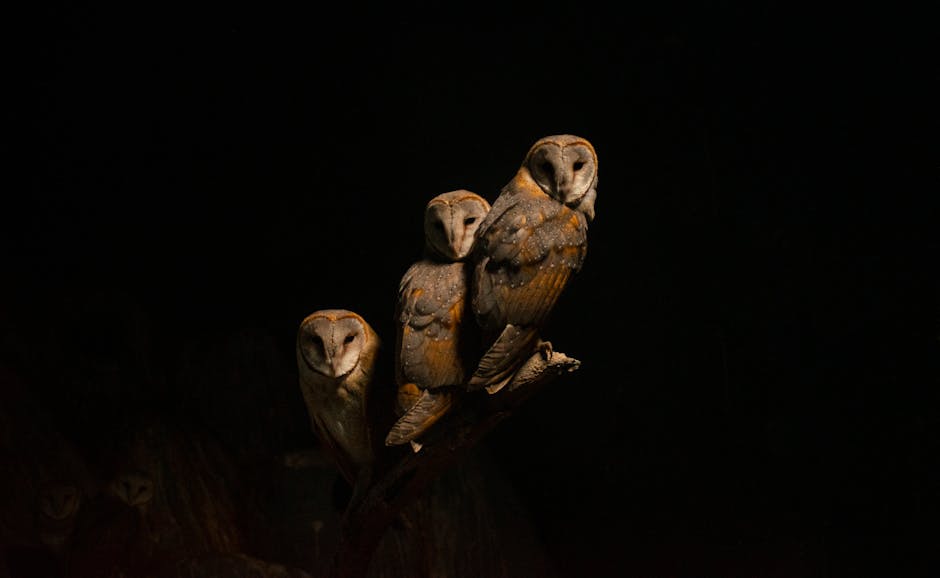
Have you ever been woken up by a soft chirping sound in the middle of the night? That mysterious bird singing under the moonlight might be closer than you think.
Understanding the bird that chirps at night can change the way you experience your evenings. You’ll discover which birds make those nighttime melodies and why they choose the dark to sing. By the end, you’ll not only recognize these night singers but also appreciate the secret world of birds that come alive when most of us are asleep.
Keep reading—you might be surprised by what you learn!
Nocturnal Birds That Chirp
Some birds are active at night and make sounds to communicate. These birds use chirps and calls to find mates or mark territory.
Night chirping birds are not as common as daytime singers. They have unique ways to use sound in the dark.
Common Night Chirpers
Owls are the most famous birds that chirp at night. They use soft hoots and chirps to talk to each other.
Nightingales sing beautiful songs after dark. Their chirps can last for many minutes without stopping.
- Owls
- Nightingales
- Common Poorwills
- Chuck-will’s-widows
Unique Sounds And Calls
Nocturnal birds use chirps, hoots, trills, and whistles. Each sound has a special meaning for the bird.
Some owls use deep hoots to warn others. Nightingales create complex songs with many pitch changes.
- Owls: Soft hoots and chirps for communication
- Nightingales: Long, melodic songs at night
- Common Poorwills: Repetitive calls to attract mates
- Chuck-will’s-widows: Whistling sounds in the dark
Reasons For Night Chirping
Some birds chirp at night instead of during the day. Night chirping has several important reasons. These sounds help birds survive and communicate.
Birds use night chirping to send messages and attract mates. The environment also affects why birds sing at night.
Communication Purposes
Birds chirp at night to talk with each other. They use sounds to warn about danger or share information.
Night sounds can travel far because it is quieter at night. Birds take advantage of this to communicate clearly.
Mating And Territory
Male birds often sing at night to attract females. The chirping shows they are healthy and ready to mate.
Night chirping also helps birds mark their territory. It warns other males to stay away from their space.
- Attract mates with loud, clear songs
- Show strength and health
- Mark territory and scare rivals
Environmental Factors
Many birds chirp at night because of the environment. Quiet nights make their sounds easier to hear.
Light pollution from cities can also change bird behavior. Some birds chirp more at night when there is artificial light.
- Less noise pollution at night
- Clearer sound travel in cool air
- Artificial lights can trigger chirping
Famous Night Chirping Birds
Many birds make sounds at night. Their chirps and calls fill the dark skies. These sounds help them communicate and find mates.
This guide explores some famous night chirping birds. Learn about owls, nightjars, and mockingbirds.
Owls
Owls are well-known night birds. They have large eyes and silent flight. Owls hoot to mark their territory and attract mates.
Their hoots can sound spooky but serve important purposes. Owls use different hoots to talk to each other.
Nightjars
Nightjars are birds active at night. They have camouflaged feathers that blend with trees and ground. Nightjars make soft chirps and clicks.
Their calls help them find partners in the dark. Nightjars often make sounds while flying low over fields.
Mockingbirds
Mockingbirds sing both day and night. They mimic sounds from other birds and animals. Their night songs can be long and varied.
Mockingbirds sing at night to defend their area. Their chirps are clear and easy to hear in quiet nights.

Credit: www.sacramentoaudubon.org
How To Identify Night Chirping Birds
Birds that chirp at night are often hard to spot. Their sounds help us find them in the dark.
Knowing how to identify these birds can make night walks more fun and educational.
Listening Techniques
Listening carefully is the best way to identify birds that chirp at night. Each bird has a unique sound.
Focus on pitch, rhythm, and repetition. These details tell you which bird is nearby.
- Note if the chirp is short or long
- Listen for patterns like repeated notes
- Pay attention to volume changes
- Try to hear if the chirp rises or falls in tone
Visual Identification Tips
Some birds can be seen even at night. Use a flashlight with a red filter to avoid scaring them.
Look for shape, size, and color under low light. Watch their movements and where they perch.
- Notice the bird's size compared to nearby objects
- Look for distinctive markings or colors
- Watch how it moves on branches or in the air
- Identify common night birds in your area for comparison
Impact Of Night Chirping On Humans
Birds that chirp at night create sounds that people notice. These sounds can affect how humans feel and behave.
Some people find night chirping peaceful. Others may feel disturbed or tired because of the noise.
Cultural Significance
In many cultures, night chirping birds are seen as symbols. They often represent messages or signs from nature.
Some stories say these birds bring good luck or warn of changes. People sometimes use their sounds in poems or songs.
- In some countries, night birds are linked to mystery.
- They appear in folklore as guides or protectors.
- Night chirping can inspire art and music.
Sleep And Noise Concerns
Night chirping can disturb sleep for some people. Loud or frequent sounds make it hard to rest well.
Poor sleep affects mood, focus, and health. Noise from birds may cause stress or tiredness at night.
- Bird sounds can wake light sleepers.
- Continuous noise may reduce deep sleep phases.
- Some people learn to ignore the sounds over time.
.JPG)
Credit: www.star-telegram.com
Protecting Night Chirping Birds
Birds that chirp at night are special creatures. They add sound to quiet evenings and nights.
These birds face dangers from lights, noise, and habitat loss. Protecting them helps keep nature alive.
Conservation Efforts
Conservation means saving birds and their homes. Many groups work to protect night chirping birds.
They study bird habits, watch their numbers, and stop harmful activities. Laws also help protect these birds.
- Monitor bird populations at night
- Limit bright lights near bird habitats
- Enforce rules against cutting down trees
- Educate people about night birds
Creating Bird-friendly Environments
People can make safe places for night chirping birds. This means keeping quiet and dark in key areas.
Planting native trees and shrubs gives birds food and shelter. Avoiding pesticides keeps birds healthy.
- Plant native trees and bushes
- Keep outdoor lights low or off at night
- Reduce noise near bird nesting spots
- Use natural pest control instead of chemicals

Credit: www.sacramentoaudubon.org
Frequently Asked Questions
What Bird Chirps Loudly At Night?
The Northern Mockingbird is known for loud night chirping. It mimics other birds and sounds, active after sunset. This bird uses nighttime songs to defend territory and attract mates.
Why Do Some Birds Chirp At Night?
Birds chirp at night mainly for communication and mating. Night singing helps them claim territory and signal presence. Some species are naturally nocturnal or adapt to urban light conditions.
Which Birds Are Active And Chirp At Night?
Owls, Nightingales, and Mockingbirds are common night chirpers. Owls use calls for hunting and communication. Nightingales sing complex songs to attract mates during nighttime.
Does City Noise Affect Birds Chirping At Night?
Yes, city noise can increase night chirping in birds. Artificial lights and sounds disrupt natural cycles, causing birds to sing more at night. This adaptation helps them communicate despite daytime noise.
Conclusion
Night chirping birds add magic to quiet evenings. Their sounds tell stories of nature’s life after dark. Recognizing these birds helps us appreciate their role better. Listening closely, we connect with the calm night around us. Next time you hear a chirp at night, pause and enjoy.
Nature’s nighttime music is a simple, beautiful gift to cherish.


