Have you ever stopped to admire the stunning blue feathers of certain birds and wondered why they shine so brightly? Blue birds capture your attention like no other, their colors popping against green trees or clear skies.
But what makes their blue so special? This article will reveal surprising facts about birds that wear blue—how they get their color, why it matters, and which species you absolutely must know about. Keep reading, because your next outdoor adventure could include spotting one of these dazzling creatures.
Credit: timesofindia.indiatimes.com
Why Blue Birds Stand Out
Blue birds catch our eyes with their bright color. The blue shade looks rare in nature.
We see many green or brown birds. Blue birds are special and easy to notice.
Science Behind Blue Feathers
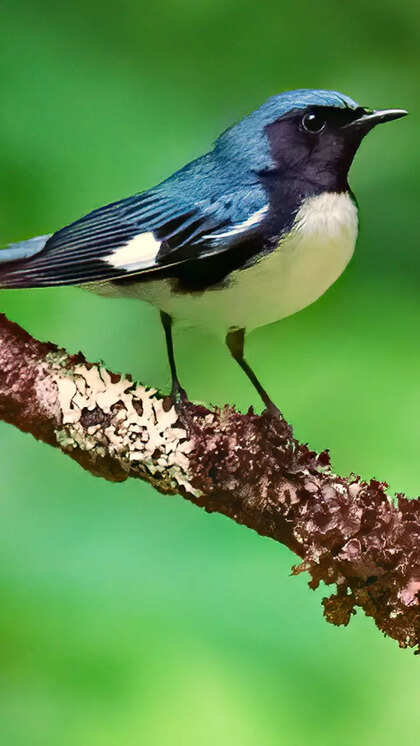
Blue feathers do not have blue pigment. Their color comes from how light reflects.
Feathers have tiny structures that scatter light. This scattering makes the feathers look blue.
Light And Pigment Interaction
Blue color appears when light hits feathers and bounces back. Pigments absorb other colors.
Birds have pigments like melanin that absorb red and yellow. Blue light reflects more to our eyes.
- Light hits feather surface
- Feather structures scatter blue light
- Other colors get absorbed by pigments
- Blue light reflects back to us
Evolutionary Benefits
Blue feathers help birds find mates. Bright colors show good health and strong genes.
Blue also helps birds hide in some places. It blends with the sky and water.
- Attract mates with bright colors
- Signal health and strength
- Camouflage in blue environments
- Stand out for social communication
Popular Blue Bird Species
Blue birds are known for their bright and beautiful feathers. They live in many parts of the world. People love to watch these birds because of their striking blue color.
This article talks about some popular blue bird species. Each bird has unique features and habits that make it special.
Blue Jay
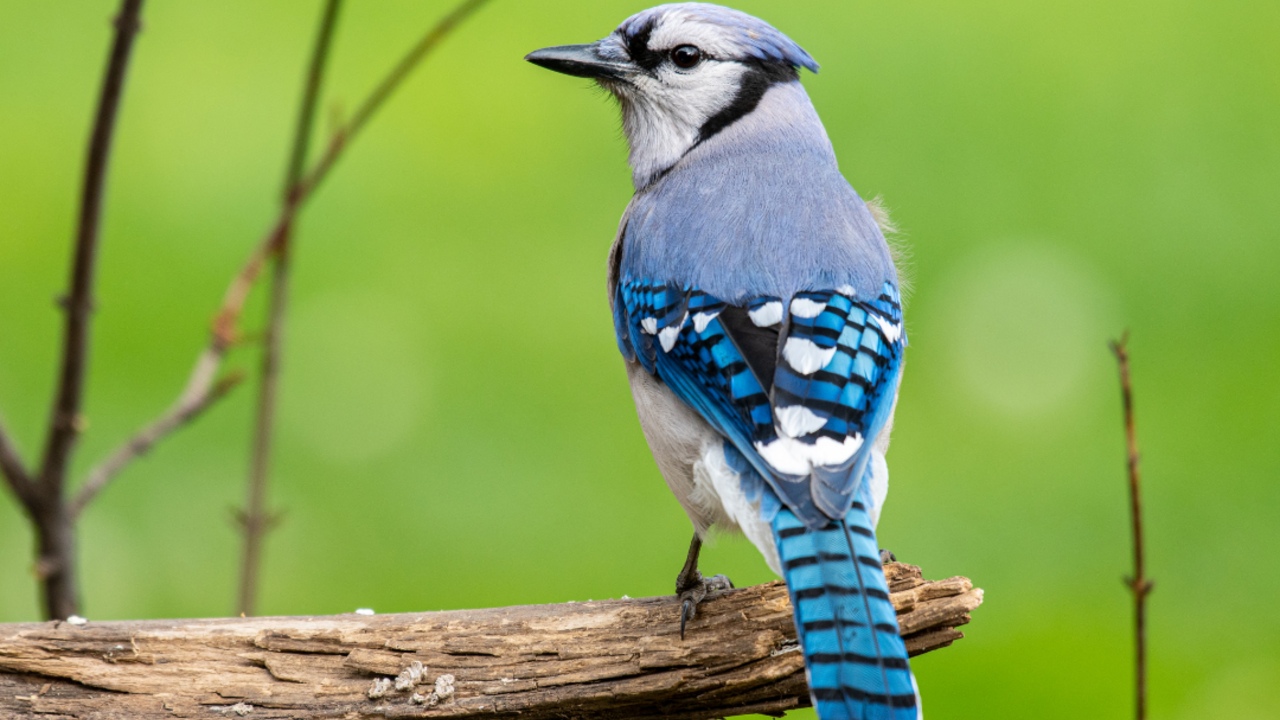
The Blue Jay is a common bird in North America. It has bright blue feathers with white and black patterns. It is a noisy bird and often mimics other sounds.
Blue Jays eat nuts, seeds, and small insects. They are smart and can use tools to get food.
Eastern Bluebird
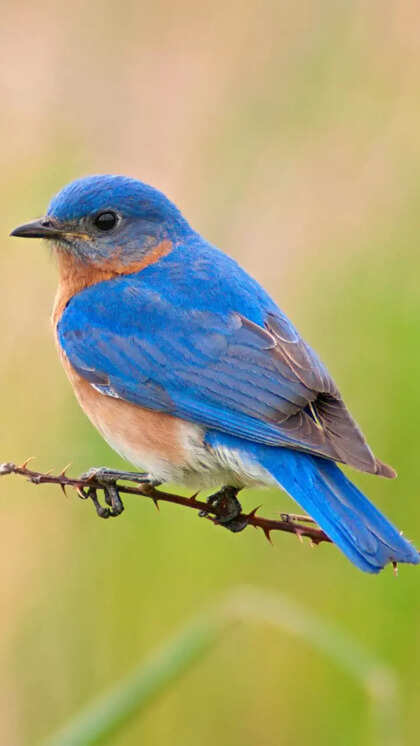
The Eastern Bluebird is smaller and has a lighter blue color. It lives in open fields and forests. This bird eats mostly insects and berries.
It builds nests in tree holes or birdhouses. The male is brighter blue than the female.
Indian Roller
The Indian Roller is found in South Asia. It has bright blue wings and a strong body. This bird is known for its colorful flight displays.
Indian Rollers catch insects and small reptiles. They often sit on wires or trees to watch for prey.
- Bright blue wings with green and brown body
- Makes loud rolling calls
- Often seen during the breeding season
Hyacinth Macaw
The Hyacinth Macaw is the largest blue parrot in the world. It has deep blue feathers and a strong yellow patch near its eyes. It lives in South American forests.
This bird eats nuts, fruits, and seeds. It is very social and lives in pairs or small groups.
Habitat And Distribution
Blue-colored birds live in many places around the world. Their habitats depend on the species and food sources.
They can be found in forests, wetlands, and even cities. Each area provides different needs for these birds.
Forests And Woodlands
Many blue birds live in forests and woodlands. These areas offer plenty of trees for shelter and food.
They find insects, fruits, and seeds in these habitats. The thick trees help protect them from predators.
- Blue jays often live in deciduous forests.
- Indigo buntings prefer dense woodlands.
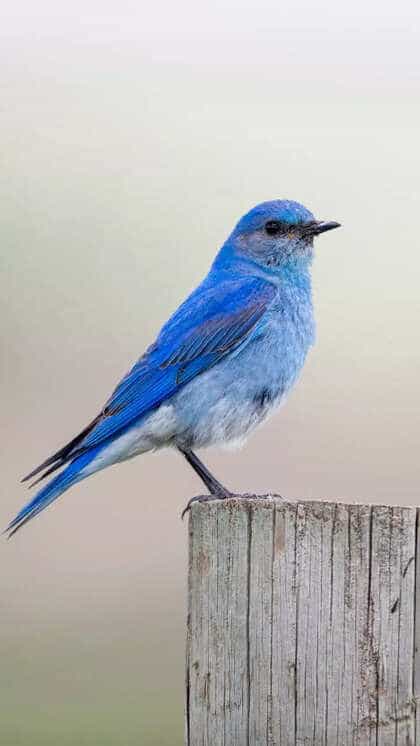
- Mountain bluebirds choose open forest edges.
Wetlands And Coastal Areas
Some blue birds live near water in wetlands and coastal areas. These places provide food like fish and insects.
These birds use reeds and bushes to build nests safely. Water sources also help them stay cool and hydrated.
- Blue herons are common in wetlands.
- Kingfishers hunt fish near rivers and coasts.
- Swallows nest close to water bodies.
Urban Environments
Some blue birds adapt well to cities and towns. They find food in parks, gardens, and feeders.
Buildings and trees in cities offer places to rest and hide. These birds can live near people with little trouble.
- Steller’s jays visit urban parks.
- Bluebirds sometimes nest in city gardens.
- House sparrows with blue feathers live near humans.
Credit: extension.msstate.edu
Behavior And Adaptations
Blue-colored birds show unique behaviors that help them survive. Their color plays a role in how they interact with others.
These birds have special ways to find mates, defend their space, and travel long distances. Their adaptations suit their blue feathers well.
Mating Displays
Blue birds use bright feathers to attract mates. Males often show off their blue colors by puffing up or spreading wings.
They perform dances or sing songs to catch the attention of females. These displays show the bird’s health and strength.
- Flashing blue feathers in sunlight
- Elaborate wing and tail movements
- Singing unique songs during the breeding season
Territorial Calls
Blue birds use loud calls to mark their territory. These calls warn other birds to stay away from their area.
They often call from high places to be heard far. This behavior helps them protect food and nesting spots.
- Sharp, clear calls during early morning
- Repeated sounds to signal territory ownership
- Calls vary by species but serve the same purpose
Migration Patterns
Some blue birds migrate to find better food or warmer weather. They travel in groups for safety and navigation.
These birds use the sun and stars to guide their way. Migration helps them survive seasonal changes in their habitats.
- Travel hundreds or thousands of miles
- Rest in safe places during long trips
- Follow the same routes every year
Conservation Status
Blue birds are known for their bright and beautiful feathers. Many species face risks that affect their survival. Understanding their conservation status helps protect these birds.
Some blue bird species are stable, but others are endangered. Protecting their habitats and reducing threats is important for their future.
Threats To Blue Birds
Blue birds face many dangers that harm their populations. Loss of habitat is one of the biggest problems. Forest cutting and land development reduce places where they live.
Pollution and climate change also affect blue birds. Pesticides can poison their food, and warmer temperatures change their habitats. Predators and illegal trapping add more risks.
- Habitat loss from deforestation
- Pollution and pesticide exposure
- Climate change effects
- Predation by other animals
- Illegal hunting and trapping
Conservation Efforts
Many groups work to protect blue birds and their homes. They create protected areas to save forests and wetlands. These places give birds safe spaces to live and breed.
Scientists study blue birds to learn what they need. They track bird numbers and health. This helps guide actions to protect them better.
- Establishing wildlife reserves
- Researching bird populations
- Raising awareness about threats
- Promoting laws to protect birds
How To Help
People can help blue birds by planting native trees and flowers. This provides food and shelter. Avoid using pesticides that harm birds and their insects.
Support local conservation groups and follow rules that protect wildlife. Watching birds without disturbing them also helps keep them safe.
- Plant native plants to provide habitat
- Use fewer chemicals in gardens
- Support bird conservation groups
- Follow wildlife protection laws
- Observe birds without disturbing them
Capturing Blue Birds In Photography
Blue birds are stunning subjects for photographers. Their vibrant color stands out in nature.
Capturing their beauty needs patience and some good techniques. Knowing when and where to find them helps a lot.
Best Times And Locations
Early morning and late afternoon offer soft light that makes blue birds shine. These times also have less wind and noise.
Look for blue birds near water, forests, and gardens. Many species like open spaces with trees or bushes.
- Morning and late afternoon for best lighting
- Near lakes, rivers, or streams
- Wooded areas and parks with dense trees
- Gardens with flowering plants
Techniques For Vibrant Shots
Use a fast shutter speed to freeze the bird’s movement. This helps get sharp images of quick motions.
Choose a wide aperture to blur the background. This makes the blue color pop against soft shapes.
- Fast shutter speed (1/1000s or faster)
- Wide aperture (f/2.8 to f/5.6)
- Use natural light for true colors
- Focus on the bird’s eyes for sharpness
Ethical Birdwatching Tips
Keep a safe distance to avoid scaring the birds. Use zoom lenses to get close without disturbing them.
Do not touch nests or feed birds. Let them act naturally for the best photos and their safety.
- Stay quiet and move slowly
- Use zoom lenses instead of getting too close
- Avoid touching nests or eggs
- Do not feed birds to prevent dependency
Credit: timesofindia.indiatimes.com
Frequently Asked Questions
What Birds Are Naturally Blue?
Many birds exhibit natural blue hues due to light refraction. Notable species include the Blue Jay, Eastern Bluebird, and Indigo Bunting. Their feathers contain microscopic structures that scatter light, creating a vibrant blue appearance. This phenomenon is known as structural coloration, and it’s different from pigmentation found in other colored birds.
Why Are Some Birds Blue?
Birds appear blue due to structural coloration, not pigmentation. Microscopic structures in their feathers scatter light, producing blue hues. This optical illusion results from the Tyndall effect, similar to why the sky looks blue. Structural coloration is common in species like Blue Jays and Mountain Bluebirds, enhancing their visual appeal.
Do Blue Birds Change Color?
Blue birds do not change their color due to structural coloration. Their blue appearance results from microscopic feather structures that scatter light. Unlike pigmentation, this structural coloration remains constant. However, lighting conditions or feather wear can slightly alter their perceived color, but the birds themselves remain unchanged.
Are Blue Birds Rare?
While some blue birds are common, others are rare depending on the region. Species like the Blue Jay are widespread in North America. Conversely, the Spix’s Macaw is rare and endangered. Habitat, climate, and human activities influence their rarity, impacting their distribution and conservation status.
Conclusion
Blue birds bring beauty to nature’s scenes. Their colors catch the eye and calm the mind. Seeing them can brighten any day. They remind us of peace and freedom. Many people enjoy watching and learning about these birds. They live in many places around the world.
Blue birds show how nature uses color in cool ways. Keep an eye out for them on your next walk. Their bright feathers tell a quiet story. Blue birds add joy to our world.