
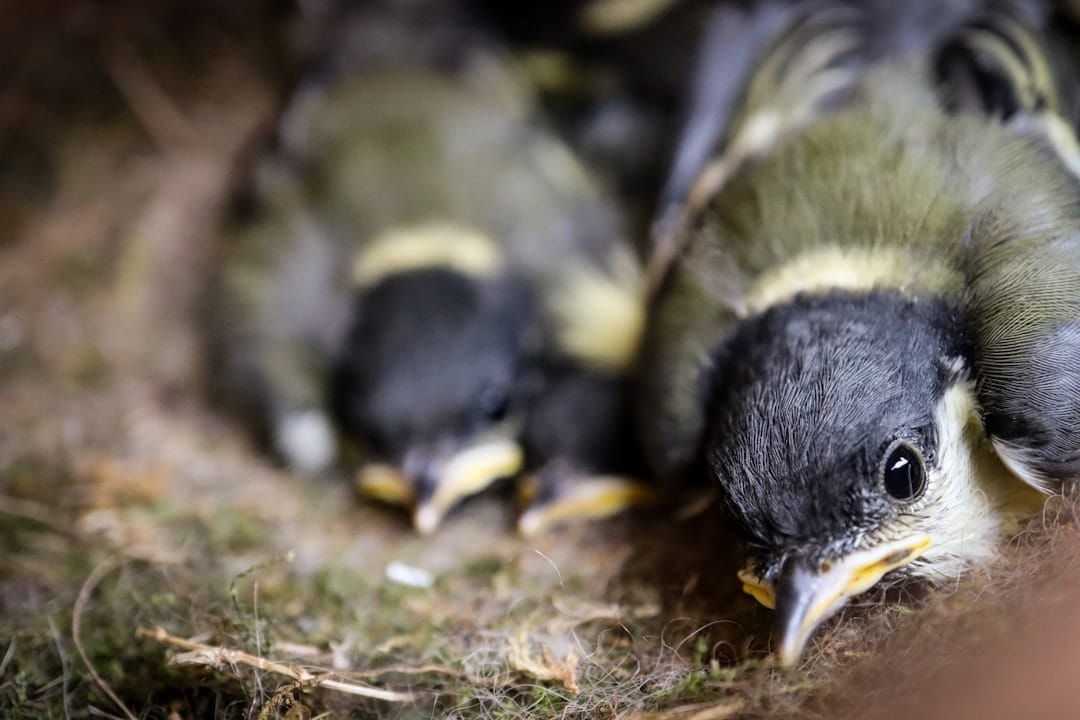
Have you ever stopped to think about the birds outside your window? The songs you hear in the morning might one day be gone forever.
Birds are disappearing at an alarming rate, and it’s not just a distant problem—it affects your world, your environment, and your future. Understanding why birds are going extinct can help you make choices that protect these beautiful creatures. Keep reading to discover the surprising reasons behind this crisis and what you can do to help save the birds we all love.

Credit: news.mongabay.com
Current State Of Bird Extinction
Birds face a growing risk of extinction worldwide. Many species are losing their homes due to human actions.
Climate change and habitat loss are main reasons birds disappear. Protecting birds is urgent to keep nature balanced.
Species At Highest Risk
Some bird species are closer to extinction than others. These birds have small populations and limited habitats.
Birds that live on islands or in very specific areas face the greatest dangers.
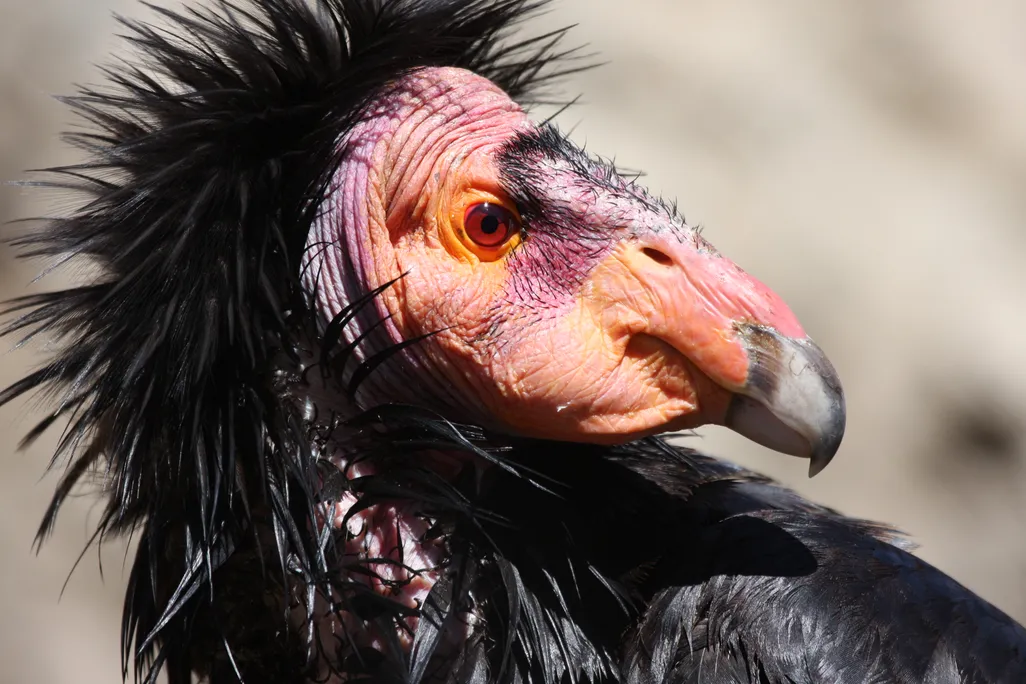
- California Condor
- Javan Hawk-Eagle
- Forest Owlet
- Pink Pigeon
- Yellow-eyed Penguin
Regions Most Affected
Tropical forests and islands are the hardest hit areas for bird extinction. These places have many unique species.
Deforestation and invasive species harm bird populations in these regions.
- Amazon Rainforest
- Hawaiian Islands
- Southeast Asia
- Madagascar
- Caribbean Islands
Recent Extinction Cases
Some bird species have gone extinct in recent years. Their loss shows how fragile bird populations can be.
Extinction often happens before enough action is taken to save these birds.
| Bird Species | Year Declared Extinct | Region |
|---|---|---|
| Poo-uli | 2004 | Hawaiian Islands |
| Spix’s Macaw (in the wild) | 2018 | Brazil |
| Alagoas Foliage-gleaner | 2011 | Brazil |
Major Threats To Bird Populations
Bird populations around the world face many dangers. These threats cause some bird species to become extinct.
Understanding these threats helps us protect birds better. Here are the main problems birds face today.
Habitat Loss And Fragmentation
Birds lose their homes when forests and wetlands are cut down. Cities and farms break large habitats into smaller pieces.
Small and isolated habitats make it hard for birds to find food and mates. This lowers their chances of survival.
- Deforestation for farming and cities
- Roads dividing natural areas
- Wetlands drained for buildings
Climate Change Impacts
Changing weather patterns affect bird migration and breeding. Some birds cannot adapt quickly to new temperatures.
Rising sea levels also destroy coastal habitats where many birds live and nest.
- Shifts in food availability
- Changes in migration timing
- Loss of breeding grounds
Pollution And Contaminants
Birds are harmed by pollution in water, air, and soil. Chemicals and plastics can poison them or block their digestion.
Oil spills and pesticides reduce bird populations by damaging their health and habitats.
- Plastic waste causing injuries
- Oil spills coating feathers
- Pesticides poisoning food sources
Invasive Predators And Species
Non-native animals can eat bird eggs and chicks. They compete for food and space with native birds.
Invasive plants can also change habitats, making them less suitable for birds.
- Cats and rats eating eggs
- Competition from non-native birds
- Plants changing food availability
Illegal Wildlife Trade
Many birds are captured and sold illegally as pets or decorations. This reduces wild populations quickly.
Illegal trade often targets rare and endangered species, pushing them closer to extinction.
- Birds caught for the pet trade
- Trade in feathers and eggs
- Hunting for trophies
Effects On Ecosystems And Humans
Birds play a big role in nature. They help keep the environment balanced.
When birds go extinct, it harms both nature and people. The effects can be serious and wide.
Loss Of Biodiversity
Birds add to the variety of life on Earth. They help plants grow by spreading seeds.
Without birds, some plants and animals may disappear too. This lowers biodiversity.
- Fewer bird species means fewer plants growing well
- Other animals lose food and shelter
- Nature becomes less healthy and less stable
Impact On Food Chains
Birds are part of many food chains. They eat insects and small animals.
When birds vanish, insect populations can grow too much. This can harm crops and trees.
- Birds control pests that damage plants
- Predators lose a food source if birds disappear
- Food chains become unbalanced and weak
Economic And Cultural Consequences
Birds attract tourists and bird watchers. This helps local economies with jobs and money.
Many cultures value birds in stories and traditions. Losing birds means losing part of that culture.
- Fewer birds reduce income from nature tourism
- Farmers may lose natural pest control
- Communities lose important cultural symbols
Conservation Strategies In Action
Birds are disappearing fast. Many species face extinction due to habitat loss and climate change. Conservation helps protect these birds and their homes.
Different strategies work to save birds. These include protecting habitats, breeding birds in captivity, educating people, and making laws to help.
Protected Areas And Reserves
Protected areas keep bird habitats safe from harm. Reserves stop hunting and farming that damage nature. Birds can live and breed without danger here.
These areas help many bird species survive. They also keep ecosystems healthy and clean. Protecting land is a key way to stop extinction.
Captive Breeding And Reintroduction
Captive breeding means raising birds in safe places like zoos. This helps increase their numbers. Once strong, birds go back to wild homes.
Reintroduction adds birds to areas where they once lived. It helps rebuild populations and restore nature. Careful planning makes this work well.
- Choose healthy birds for breeding
- Provide natural-like habitats
- Prepare birds for wild life
- Monitor birds after release
Community Engagement And Education
People living near birds can help protect them. Education teaches why birds matter and how to care for them. Communities join efforts to save birds.
Local groups watch bird areas and report threats. Schools and media spread messages about bird safety. Involving people creates strong support for conservation.
- Hold workshops about bird protection
- Encourage bird-friendly farming
- Support local monitoring groups
- Use media to raise awareness
Legislation And Policy Measures
Laws help stop bird hunting and habitat destruction. Governments set rules to protect bird species and their homes. Strong policies support long-term survival.
International agreements also protect migratory birds. Enforcing laws and penalties makes sure people follow rules. Policies guide actions to save birds worldwide.
- Ban hunting of endangered birds
- Protect forests and wetlands by law
- Regulate pesticide use near habitats
- Join global bird conservation treaties
Innovative Technologies For Bird Protection
Birds face many dangers that put them at risk of extinction. Technology helps protect these species in new ways.
Scientists and conservationists use tools to watch birds and keep their homes safe. These tools make saving birds easier and more effective.
Tracking And Monitoring Tools
Tracking devices help scientists follow birds on their journeys. Small GPS trackers show where birds fly and rest.
Monitoring tools give data about bird numbers and health. This helps experts know which birds need help most.
- GPS and radio trackers follow bird movements
- Remote cameras record bird activities
- Acoustic sensors detect bird calls and presence
- Satellite images monitor bird habitats
Artificial Intelligence In Conservation
Artificial intelligence (AI) helps analyze data quickly. It finds patterns in bird behavior and threats.
AI tools can identify bird species from photos or sounds. This saves time and improves data accuracy.
- AI detects bird species from images and sounds
- Machine learning predicts migration changes
- AI models assess risks to bird populations
- Automated alerts help stop poaching or habitat loss
Habitat Restoration Techniques
Restoring habitats brings back safe places for birds to live and breed. Technology guides these restoration efforts.
Drones and mapping tools help plant trees and remove harmful plants. This creates better environments for birds.
- Drones plant native trees and plants
- GIS mapping tracks habitat changes
- Soil sensors check land health
- Water management systems improve wetlands
Credit: www.smithsonianmag.com
How Individuals Can Help
Many bird species are disappearing fast. People can take small actions to protect these birds.
Helping birds is easier than it seems. Everyone can make a difference at home and in the community.
Supporting Conservation Groups
Conservation groups work to save birds and their homes. You can support them by donating money or time.
Volunteering helps these groups do more. Even small gifts can fund important projects for birds.
- Donate to bird protection organizations
- Join local bird rescue or monitoring groups
- Attend events to raise awareness
- Share information about bird conservation
Creating Bird-friendly Habitats
You can make your yard safe and welcoming for birds. Plant native trees and shrubs for food and shelter.
Remove harmful chemicals and avoid cutting down natural habitats. Provide water and nesting spots for birds.
- Grow native plants that produce seeds and berries
- Set up bird feeders with safe food
- Keep water dishes clean and filled
- Build or buy birdhouses for shelter
Reducing Environmental Footprint
Birds lose homes because of pollution and climate change. Reducing waste helps protect their environment.
Use less plastic, save energy, and recycle. These actions reduce harm to birds and their habitats.
- Use reusable bags and bottles
- Turn off lights and electronics when not in use
- Recycle paper, plastic, and glass
- Choose eco-friendly products
Participating In Citizen Science
Citizen science lets people help researchers by watching and reporting birds. This data helps protect species.
Anyone can join bird counts or use apps to record sightings. This helps track bird health and population trends.
- Join local bird watching groups
- Participate in annual bird counts
- Use apps to log bird sightings
- Share observations with scientists

Credit: birdsnways.com
Frequently Asked Questions
Why Are Birds Going Extinct?
Birds are going extinct due to habitat loss, climate change, and pollution. Deforestation reduces their living spaces. Climate change affects migration patterns and food availability. Pollution harms their health and breeding. Human activities like hunting and urbanization also contribute. Protecting habitats and reducing pollution can help save them.
How Many Bird Species Are Endangered?
Over 1,400 bird species are currently endangered. Human activities and environmental changes threaten their survival. Conservation efforts are crucial to protect them. Many organizations work globally to monitor and support endangered species. Without action, more birds face extinction, impacting ecosystems and biodiversity.
What Can Be Done To Save Birds?
To save birds, protect their habitats and reduce pollution. Support conservation programs and laws that safeguard bird species. Plant native trees and shrubs to provide shelter and food. Reduce pesticide use in gardens. Raise awareness about the importance of bird conservation.
Collective efforts can make a significant difference.
How Does Climate Change Affect Bird Extinction?
Climate change disrupts bird migration, breeding, and feeding patterns. Warmer temperatures alter habitats and food availability. Birds struggle to adapt quickly, leading to population declines. Rising sea levels threaten coastal species. To mitigate these impacts, reduce carbon emissions and support climate-friendly initiatives.
Protecting birds helps maintain ecological balance.
Conclusion
Birds face serious risks of extinction worldwide. Many species lose their homes and food sources. Humans can help by protecting habitats and reducing pollution. Small actions, like planting trees, make a big difference. Saving birds means saving nature’s balance. Let’s act now to keep birds singing tomorrow.
The future depends on the choices we make today.



