Have you ever stopped to wonder about the amazing variety of birds around you? From colorful parrots to graceful eagles, bird species fill our world with beauty and mystery.
Knowing more about these creatures can change the way you see nature and inspire your curiosity. You’ll discover fascinating facts about different bird species that will keep you hooked and eager to learn more. Ready to explore the incredible world of birds?
Let’s dive in!
Diverse Bird Species
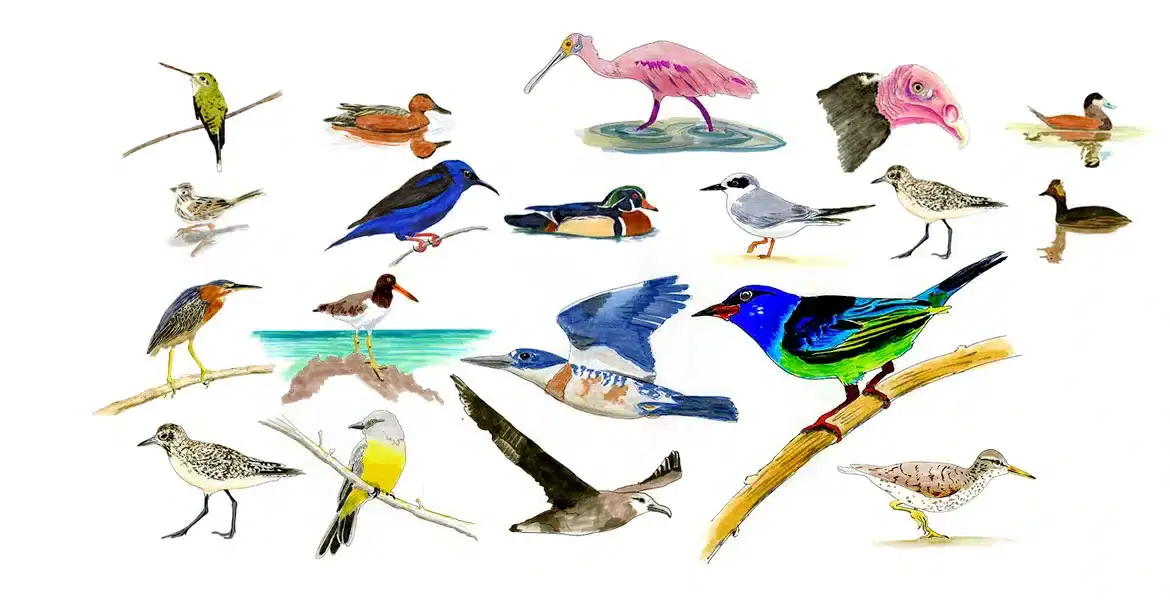
Birds come in many shapes and sizes. They live all over the world, from forests to deserts.
Each bird species has unique colors, sounds, and habits. Learning about them shows nature’s beauty.
Common Birds Worldwide
Many birds are easy to find in cities and parks. These common birds are familiar to most people.
Examples include pigeons, sparrows, and crows. They adapt well to places where people live.
- Pigeon: Found in almost every city worldwide
- Sparrow: Small birds that live near homes
- Crow: Intelligent birds with loud calls
- Robin: Known for its red chest
Exotic Birds To Discover
Exotic birds have bright colors and unique shapes. They often live in tropical forests or islands.
These birds can have long tails or unusual beaks. They attract bird watchers from around the world.
- Macaw: Large parrots with blue and yellow feathers
- Bird of Paradise: Known for its bright colors and dances
- Flamingo: Pink birds that live near water
- Peacock: Famous for its colorful tail feathers
Endangered Bird Species
Some bird species are at risk of disappearing. They face threats like habitat loss and hunting.
Protecting these birds helps keep the earth balanced. Many groups work to save them from extinction.
| Bird Species | Reason for Endangerment | Habitat |
|---|---|---|
| California Condor | Poisoning and habitat loss | North American mountains |
| Spix’s Macaw | Illegal pet trade | Brazilian forests |
| Whooping Crane | Wetland destruction | North American wetlands |
| Philippine Eagle | Deforestation | Philippine rainforests |

Credit: www.birdsandblooms.com
Feather Colors And Patterns
Bird feathers come in many colors and patterns. These colors help birds survive and communicate.
Feather colors can be bright or dull. Patterns may help birds hide or attract mates.
Bright And Vibrant Feathers
Some birds have bright feathers to attract mates. These colors show health and strength.
Colors like red, blue, and yellow often appear in tropical birds. These colors can also warn predators.
- Peacocks display bright blue and green feathers.
- Cardinals have vivid red feathers.
- Parrots show many colors like green, red, and yellow.
Camouflage And Adaptation
Many birds have feathers that help them blend into their homes. This protects them from predators.
Patterns like spots, stripes, or mottled colors match the birds’ environment. This makes them hard to see.
- Owls have mottled feathers to hide in trees.
- Sandpipers have brown and gray colors to match sand.
- Leaf warblers have green feathers to blend with leaves.
Seasonal Plumage Changes
Some birds change feather colors with the seasons. This helps with mating or staying hidden.
Breeding colors are often brighter. Non-breeding colors tend to be duller for camouflage.
- Male ducks show bright feathers in spring to attract females.
- Many songbirds have dull feathers in winter for safety.
- Ptarmigans turn white in winter to hide in snow.
Bird Habitats And Distribution
Birds live in many different places all over the world. Their homes depend on the type of bird and the food they eat.
Understanding where birds live helps us learn about their behavior and how to protect them.
Forest And Woodland Birds
Many birds live in forests and woodlands. These areas have many trees and plants. Birds find food and shelter here.
Forest birds include woodpeckers, owls, and songbirds. They use trees for nesting and hiding from predators.
- Woodpeckers look for insects in tree bark
- Owls use dense tree cover for nesting
- Songbirds build nests in branches and shrubs
Wetland And Waterfowl Species
Wetlands are watery places like marshes and swamps. Waterfowl birds live here and need water to survive.
Ducks, herons, and cranes are common wetland birds. They eat fish, plants, and small animals found in the water.
- Ducks swim and dive for food in ponds
- Herons hunt fish in shallow water
- Cranes use wetlands for feeding and nesting
Urban And Suburban Birds
Some birds live near people in cities and towns. These birds adapt to human environments and use buildings and parks.
Pigeons, sparrows, and crows are common urban birds. They find food from humans and use structures for nests.
- Pigeons nest on building ledges and bridges
- Sparrows live in gardens and backyard trees
- Crows are smart and use many urban spaces
Behavior And Communication
Birds use many ways to show their feelings and needs. Their behavior helps them live and survive.
Communication is key for birds. They send signals to find mates, warn of danger, and mark territory.
Birdsong And Calls
Birdsong is a complex sound made mostly by male birds. It helps attract females and defend areas.
Calls are shorter sounds. Birds use calls to warn others or keep in touch with their group.
- Song: Long and musical, often used in mating
- Call: Short and simple, used for alarms or contact
- Different species have unique songs and calls
Mating Rituals And Displays
Birds show off to find a mate. They use colors, dances, and sounds to get attention.
Some birds build nests or give gifts to impress partners. These actions show they are good parents.
- Colorful feathers signal health and strength
- Dance moves show agility and fitness
- Nest building proves ability to care for young
Migration Patterns
Many birds travel long distances to find food or better climate. This is called migration.
Birds use the sun, stars, and Earth’s magnetic field to navigate during migration.
- Migration helps birds survive harsh weather
- Some birds fly thousands of miles each year
- Young birds learn migration routes from parents
Bird Watching Tips
Bird watching is a fun hobby for all ages. It helps you enjoy nature and learn about birds.
With the right tips, you can see more birds and have a better experience outside.
Essential Gear For Birding
Good gear makes bird watching easier and more enjoyable. You do not need many items to start.
Binoculars help you see birds far away. A field guide shows pictures and facts about birds.
- Binoculars with 8x or 10x magnification
- Bird field guide or app
- Comfortable walking shoes
- Notebook to record your sightings
- Hat and sunscreen for sun protection
Best Times And Locations
Birds are more active at certain times. Early morning is usually the best time to watch birds.
Look for birds near water, trees, or open fields. Parks and nature reserves often have many bird species.
- Visit at dawn or just after sunrise
- Check wetlands, lakes, and rivers
- Explore forests and woodlands
- Try open fields and meadows
- Go during spring and fall migrations
Identifying Birds In The Wild
Look at a bird’s size, color, and shape to identify it. Notice the bird’s beak and tail.
Listen to bird songs. Each bird has a unique call that helps you know which bird it is.
- Observe size: small, medium, or large
- Note colors and patterns on feathers
- Watch how the bird moves and flies
- Hear and try to remember bird songs
- Use a guide to compare your notes

Credit: soliom.net
Conservation Efforts
Bird species face many threats like habitat loss and pollution. Conservation efforts help protect these birds.
People and groups work together to save birds and their homes. These actions help bird numbers grow.
Protecting Bird Habitats
Bird habitats include forests, wetlands, and grasslands. Protecting these areas keeps birds safe and healthy.
Many groups create protected areas and parks. They stop harmful activities like logging and pollution.
- Creating nature reserves
- Restoring damaged habitats
- Limiting construction near bird homes
- Controlling pollution and pesticides
Community Involvement
Local people help by watching birds and reporting problems. They join clean-up and tree planting events.
Schools teach children about birds and nature. Volunteers build birdhouses and feeders to support birds.
- Bird watching groups
- School education programs
- Volunteer habitat restoration
- Community clean-up days
Success Stories In Bird Conservation
Some bird species have improved thanks to conservation. The bald eagle is one well-known success story.
Efforts like banning harmful chemicals and protecting nests helped many birds return. These stories show hope.
- Bald eagle numbers grew after pesticide bans
- California condors increased with captive breeding
- Whooping cranes recovered from near extinction
- Many songbirds benefit from habitat protection

Credit: www.wildlifenomads.com
Frequently Asked Questions
What Are The Most Common Bird Species?
The most common bird species include sparrows, pigeons, and robins. Sparrows are small and brown, often seen in urban areas. Pigeons are larger and thrive in cities, while robins are known for their red breasts and melodic songs. These birds are widely distributed and easily recognizable.
How Many Bird Species Exist Worldwide?
There are approximately 10,000 bird species worldwide. These species vary greatly in size, color, and habitat. Birds inhabit every continent, from the polar regions to tropical rainforests. This diversity makes birds one of the most varied groups of animals on Earth.
Why Are Birds Important To Ecosystems?
Birds play crucial roles in ecosystems. They control insect populations, pollinate plants, and disperse seeds. Birds also act as indicators of environmental health. Their presence often signifies a balanced ecosystem. This makes them essential for maintaining biodiversity and ecological stability.
How Do Birds Communicate?
Birds communicate through songs, calls, and body language. Songs are often complex and used to attract mates or defend territory. Calls are simpler sounds for alerting danger or coordinating with flock members. Body language includes displays of feathers or postures to convey messages.
Conclusion
Bird species show amazing variety and beauty in nature. Each bird plays a role in the environment. Watching birds can bring joy and calm to your day. Learning about them helps us protect their homes. Small actions can make a big difference for birds.
Keep exploring and enjoy the world of birds around you. Nature’s colors and sounds are worth noticing every day. Birds remind us to appreciate life’s simple wonders.