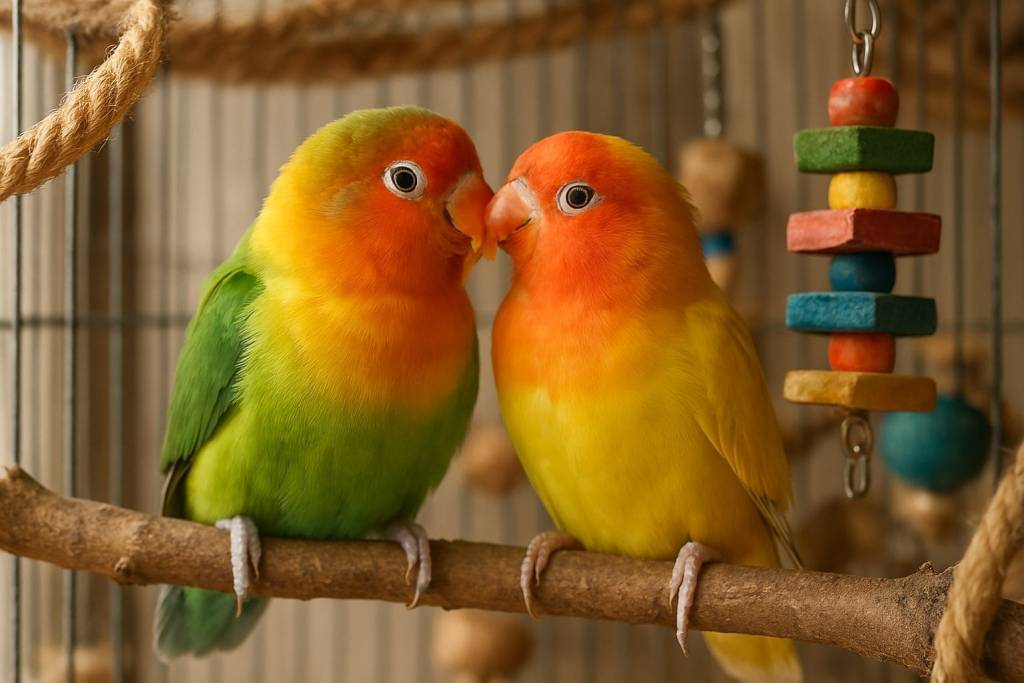
Are you fascinated by the vibrant colors and unique behaviors of exotic birds? Breeding these stunning creatures can be a rewarding experience that brings beauty and excitement into your life.
But it’s not just about having beautiful birds—it’s about understanding their needs, creating the right environment, and watching new life take flight. If you want to learn how to successfully breed exotic birds and make sure your feathered friends thrive, this guide is made just for you.
Keep reading to discover insider tips that will help you become a confident and caring breeder.

Credit: www.exotic-birdsfarm.com
Choosing The Right Species
Breeding exotic birds needs careful species selection. The right choice affects success and care.
Consider the bird's needs, space, and your experience before deciding.
Popular Exotic Birds For Breeding
Some exotic birds are easier to breed than others. Popular choices include parrots and finches.
- Budgerigars: small, social, and breed well in captivity
- Lovebirds: colorful and active breeders
- Canaries: known for singing and easy care
- Macaws: large and require more space and care
- Parakeets: friendly and adapt well to breeding
Assessing Temperament And Compatibility
Temperament affects bird pairing and breeding success. Some birds are calm, others are aggressive.
Choose species that get along well and show good breeding behavior.
- Check if the species is social or prefers solitude
- Observe how birds interact in groups or pairs
- Match birds with similar temperaments for better breeding
- Avoid species known for fighting or stress easily
Legal Considerations And Permits
Many exotic birds need permits for breeding and ownership. Laws protect wild populations.
Research local and national rules before starting. Follow all regulations carefully.
- Check if the species is protected or endangered
- Apply for breeding permits if required
- Keep records of bird origins and breeding activities
- Comply with transport and sale laws for exotic birds
Setting Up The Ideal Habitat
Breeding exotic birds requires a habitat that meets their specific needs. A well-prepared space helps birds stay healthy and breed successfully.
Pay attention to cage size, temperature, lighting, and safety. Each factor plays a key role in creating a good environment for your birds.
Cage Size And Design
Choose a cage that is large enough for the birds to move freely. Small cages can cause stress and health problems.
Use cages with smooth bars and secure locks. This prevents injury and keeps birds safe inside.
- Provide space for flying and climbing
- Use natural wood or metal bars
- Include perches of different sizes
- Avoid sharp edges or loose parts
Temperature And Lighting Needs
Exotic birds need stable temperatures that match their natural habitat. Avoid sudden changes to prevent stress.
Provide natural or full-spectrum lighting. Proper light helps birds regulate their daily rhythm and supports breeding.
- Keep temperature between 65°F and 85°F
- Use heat lamps if needed in colder areas
- Give 10–12 hours of light daily
- Ensure darkness during night hours
Safe And Stimulating Environment
Create an environment that is both safe and interesting for your birds. This encourages natural behaviors and reduces boredom.
Add toys, branches, and nesting materials. Keep the area clean and free from harmful substances or predators.
- Use bird-safe toys for mental stimulation
- Provide fresh nesting materials regularly
- Place the cage away from drafts and loud noises
- Clean the habitat daily to prevent illness
Nutrition For Breeding Birds
Breeding exotic birds needs good nutrition. Healthy food helps birds lay eggs and raise chicks well.
Birds need a mix of nutrients to stay strong during breeding. Feeding them right can prevent health problems.
Balanced Diet Essentials
A balanced diet for breeding birds includes seeds, fruits, vegetables, and protein. Each bird species may need different foods.
Protein helps birds build strong muscles and feathers. Fresh fruits and vegetables give vitamins and minerals.
- High-quality seeds or pellets as a base
- Fresh fruits like apples, berries, and bananas
- Vegetables such as spinach, carrots, and peas
- Protein from cooked eggs or mealworms
Supplementing With Vitamins And Minerals
Breeding birds need extra vitamins and minerals. These help support egg production and chick growth.
Calcium is very important for strong eggshells. Vitamin D helps birds absorb calcium well.
- Offer cuttlebone or mineral blocks for calcium
- Add vitamin supplements if diet lacks variety
- Use fresh foods rich in vitamins A and E
- Check with a vet before adding supplements
Feeding Schedules And Water Quality
Keep a regular feeding schedule for breeding birds. Consistent meals reduce stress and support breeding success.
Clean, fresh water is key for all birds. Change water daily and clean containers often to prevent illness.
- Feed birds twice a day at set times
- Remove uneaten food after a few hours
- Provide fresh water every day
- Clean feeding and water dishes weekly
Breeding Preparation
Breeding exotic birds needs careful planning. Proper preparation helps birds stay healthy and happy.
Good preparation also improves the chance of successful breeding and healthy chicks.
Pair Bonding Techniques
Pair bonding is important for breeding success. Birds need time to get used to each other.
Keep pairs in a quiet place with enough space. Let them interact daily to build trust.
- Place cages near each other but separate at first
- Allow supervised time together outside cages
- Provide shared food and water spots
- Watch for friendly behaviors like preening
Signs Of Readiness To Breed
Birds show clear signs when ready to breed. Recognize these to know the right time to start.
Look for changes in behavior and physical condition that mean readiness.
- Increased singing or calling
- Feather fluffing and courtship dances
- More active and alert behavior
- Female may show brood patch on belly
- Pair spends more time close together
Nesting Materials And Sites
Provide proper nesting materials and a safe site. Birds need comfort and privacy to lay eggs.
Use natural materials and place nests in quiet, sheltered areas.
- Soft wood shavings or dried grass
- Leaves or coconut fiber
- Clean nesting boxes or baskets
- Place nests away from direct sunlight
- Keep nesting area free from predators
Monitoring The Breeding Process
Breeding exotic birds requires close attention. Monitoring helps ensure healthy eggs and chicks.
Careful observation can prevent problems and improve breeding success.
Egg Laying And Incubation
Female birds lay eggs in nests they choose or build. Eggs must stay warm to develop well.
Incubation is the time when parents keep eggs warm until hatching. It usually lasts days or weeks.
Caring For Incubating Eggs
Keep eggs clean and warm. Avoid moving them too much during incubation.
Check eggs daily for cracks or signs of damage. Keep the nest quiet and safe.
- Maintain stable temperature between 99°F and 102°F
- Ensure proper humidity levels to prevent drying out
- Turn eggs gently several times a day
- Limit handling to reduce stress on parents
Handling Common Breeding Challenges
Breeding birds may face problems like egg rejection or poor incubation. Watch for these signs.
Stress, illness, or poor diet can cause issues. Act quickly to fix the problem.
- Remove broken or infertile eggs to prevent infection
- Provide fresh food and clean water daily
- Keep the breeding area calm and quiet
- Consult a vet if birds show signs of illness
Raising Healthy Chicks
Breeding exotic birds needs careful attention to raising healthy chicks. Strong chicks grow into healthy adult birds.
Good care starts from the first days. Proper feeding, health checks, and socialization help chicks thrive.
Feeding And Nutrition For Chicks
Chicks need a balanced diet to grow well. Feed them with species-specific formulas or hand-feeding mixes.
Provide fresh water and clean feeding tools daily. Avoid giving adult bird food to chicks.
- Use hand-rearing formula for orphaned chicks
- Feed small amounts frequently, about every 2-3 hours
- Keep food warm but not hot
- Introduce soft fruits and vegetables as they grow
Health Checks And Common Illnesses
Check chicks daily for signs of illness. Look for changes in behavior, appetite, or droppings.
Common problems include respiratory infections, crop infections, and parasites. Early detection helps treatment.
- Keep the brooder clean and dry
- Watch for sneezing or wheezing
- Check the crop for fullness and softness
- Consult a vet if you see swelling or lethargy
Weaning And Socialization
Weaning begins when chicks eat on their own. Offer soft seeds and pellets alongside formula.
Socialize chicks by handling them gently. This helps tame the birds and reduces stress.
- Gradually reduce formula feeding over 2-3 weeks
- Provide a safe space for chicks to explore
- Spend time talking and holding chicks daily
- Introduce other birds carefully during weaning
Maintaining Bird Health
Breeding exotic birds requires careful attention to their health. Healthy birds grow well and breed successfully.
Good care helps prevent illness and keeps birds active and happy.
Regular Vet Visits
Take your birds to a vet who knows exotic species. Regular checkups catch problems early.
Vets can provide vaccines, check for parasites, and give advice on bird care.
Preventing Diseases
Keep cages clean and dry to stop bacteria and fungi from growing. Change water and food daily.
Quarantine new birds before mixing them with your flock to avoid spreading illness.
- Clean cages weekly with bird-safe disinfectant
- Use fresh food and water every day
- Isolate sick birds immediately
- Wash hands before and after handling birds
Stress Reduction Techniques
Stress weakens birds’ immune systems. Provide a calm and safe environment for them.
Give birds enough space and quiet time. Avoid loud noises and sudden changes.
- Place cages away from noisy areas
- Keep a regular feeding and cleaning schedule
- Use natural light and avoid bright artificial lights
- Offer toys and perches for mental stimulation
Ethical Breeding Practices
Breeding exotic birds requires care and respect. Ethical breeding means putting birds' health first.
Good practices help keep bird populations strong and happy. Breeders should follow guidelines that protect birds.
Avoiding Inbreeding
Inbreeding happens when close relatives mate. It can cause health problems in birds.
Breeders should track family trees to prevent inbreeding. This keeps birds healthy and strong.
- Keep detailed records of each bird’s lineage
- Pair birds from different families
- Use new bloodlines when possible
Ensuring Genetic Diversity
Genetic diversity helps birds resist diseases and adapt to changes. It is important for healthy populations.
Breeders should select birds from various backgrounds. This increases the variety of genes in the group.
- Introduce birds from different regions
- Avoid breeding the same pairs repeatedly
- Work with other breeders to share birds
Promoting Bird Welfare
Bird welfare means meeting all their needs. Good care leads to happy and healthy birds.
Breeders should provide clean spaces, proper food, and regular health checks. Stress-free environments help birds thrive.
- Keep cages clean and safe
- Feed birds a balanced diet
- Check birds for illness often
- Give birds enough space to fly and exercise
Troubleshooting Common Issues
Breeding exotic birds can be rewarding but challenging. Many breeders face common problems that affect bird health and breeding success.
Understanding these issues helps improve care and increase the chance of healthy offspring. This guide covers behavioral problems, breeding failures, and environmental stress factors.
Behavioral Problems
Exotic birds may show aggression, fear, or mating refusal. These behaviors disrupt breeding and cause stress for birds and owners.
Causes include lack of socialization, poor diet, and unsuitable cage setup. Birds need a calm environment and proper handling to behave well.
- Provide daily interaction and gentle handling
- Ensure birds have enough space to move
- Offer a balanced diet with fresh food
- Remove stress triggers like loud noises or predators
Breeding Failures
Breeding failures happen if birds do not mate or eggs do not hatch. Fertility issues and poor nesting habits are common causes.
Check that birds are healthy and mature enough to breed. Provide a clean, safe nesting box with proper materials.
- Use good quality breeding pairs
- Monitor eggs for fertility and cleanliness
- Keep nesting areas dry and quiet
- Consult a vet if repeated failures occur
Environmental Stress Factors
Stress can stop birds from breeding and cause health problems. Noise, temperature changes, and poor lighting increase stress levels.
Keep the bird area stable and comfortable. Avoid sudden changes and provide natural light cycles for best results.
- Maintain steady temperature between 65-80°F (18-27°C)
- Reduce loud sounds and vibrations near cages
- Provide fresh water and clean cages daily
- Use natural daylight or full-spectrum lighting

Credit: www.youtube.com

Credit: www.youtube.com
Frequently Asked Questions
How To Start Breeding Exotic Birds?
To start breeding exotic birds, research is essential. Learn about specific species, their habitats, and requirements. Create a suitable environment with the right temperature and humidity. Provide a balanced diet and proper nesting materials. Consult with experts or join avian communities for guidance and support.
What Are The Best Exotic Birds To Breed?
Popular exotic birds for breeding include African Grey Parrots, Cockatiels, and Lovebirds. These species are known for their vibrant colors, intelligence, and social nature. They have a high demand in the pet market. Ensure you understand their specific care requirements before starting the breeding process.
How To Care For Exotic Bird Eggs?
Caring for exotic bird eggs requires a controlled environment. Maintain a stable temperature and humidity in the incubator. Regularly check and turn the eggs to ensure even development. Monitor for signs of hatching and be prepared to assist if necessary.
Follow expert advice for best results.
What Challenges Arise In Breeding Exotic Birds?
Breeding exotic birds presents challenges such as maintaining proper environmental conditions and ensuring a balanced diet. Genetic diversity and health concerns can affect breeding success. Behavioral issues may arise, requiring expert intervention. Consistent care, observation, and expert guidance are crucial for overcoming these challenges.
Conclusion
Breeding exotic birds takes patience and care. Each bird needs a safe, quiet space to feel calm. Healthy food and clean water are musts. Watch for signs of stress or illness. Learning about each species helps avoid mistakes. Breeding can bring great joy and reward.
Remember, respect and kindness go a long way. Enjoy the process and the beauty of these birds. Small steps lead to successful breeding. Keep trying, and you will see progress.