Have you ever wondered if bird droppings could be more than just a messy nuisance? What if those tiny splatters lurking on your car or porch could actually affect your health?
You might be surprised to learn that bird droppings can carry harmful bacteria and fungi that could make you sick. Understanding the risks and how to protect yourself is important for your well-being. Keep reading to find out what dangers bird droppings pose and what simple steps you can take to stay safe.

Credit: www.reddit.com
Health Risks From Bird Droppings
Bird droppings can carry harmful germs and cause illness. People exposed to these droppings may face health problems.
It is important to understand the risks and how to stay safe around bird droppings.
Common Diseases Linked To Droppings
Bird droppings may spread diseases that affect the lungs and other parts of the body. Some of these diseases are serious.
- Histoplasmosis: A lung infection caused by fungal spores in droppings
- Cryptococcosis: A fungal disease affecting lungs and brain
- Psittacosis: A bacterial infection from inhaling dried droppings
- Salmonellosis: A bacterial infection from contact with fresh droppings
How Infections Occur
Infections happen when people breathe in dust from dry bird droppings. The dust contains germs that cause illness.
Touching droppings and then touching your face can also spread germs. Poor cleaning or removal increases risk.
- Inhaling dust from dried droppings
- Direct contact with fresh droppings
- Touching contaminated surfaces
- Poor hand hygiene after exposure
Symptoms To Watch For
Symptoms of illness from bird droppings can vary. Many affect the lungs and may look like the flu.
People should seek medical help if they notice these signs after exposure to bird droppings.
- Fever and chills
- Cough and chest pain
- Shortness of breath
- Fatigue and muscle aches
- Headache and confusion (in severe cases)

Credit: www.reddit.com
Types Of Harmful Pathogens
Bird droppings can carry germs that make people sick. These germs include bacteria, fungi, and viruses. Knowing about these pathogens helps us stay safe.
Each type of pathogen can cause different illnesses. Some are mild, but others can be serious. It is important to avoid contact with bird droppings.
Bacteria Found In Droppings
Bird droppings often contain harmful bacteria. These bacteria can cause infections if they enter the body. Some common types include Salmonella and E. coli.
- Salmonella:Causes diarrhea, fever, and stomach cramps.
- E. coli:Can lead to severe stomach pain and vomiting.
- Campylobacter:Leads to diarrhea and abdominal pain.
Fungal Threats
Fungi grow well in dried bird droppings. These fungi release spores that people can breathe in. This can cause lung infections like histoplasmosis.
| Fungus | Health Risk |
| Histoplasma capsulatum | Causes lung infection histoplasmosis |
| Cryptococcus neoformans | Leads to cryptococcosis, affecting lungs and brain |
| Aspergillus species | Can cause aspergillosis, a respiratory illness |
Viruses Associated With Birds
Bird droppings can carry viruses harmful to humans. These viruses spread diseases like avian influenza and psittacosis.
- Avian Influenza Virus:Causes flu-like symptoms and breathing problems.
- Psittacosis (Chlamydia psittaci):Leads to fever, chills, and pneumonia.
High-risk Environments
Bird droppings can carry harmful germs and fungi. Some places have a higher risk of exposure to these droppings.
People in these areas need to be careful to avoid getting sick from bird droppings.
Urban Areas And Bird Populations
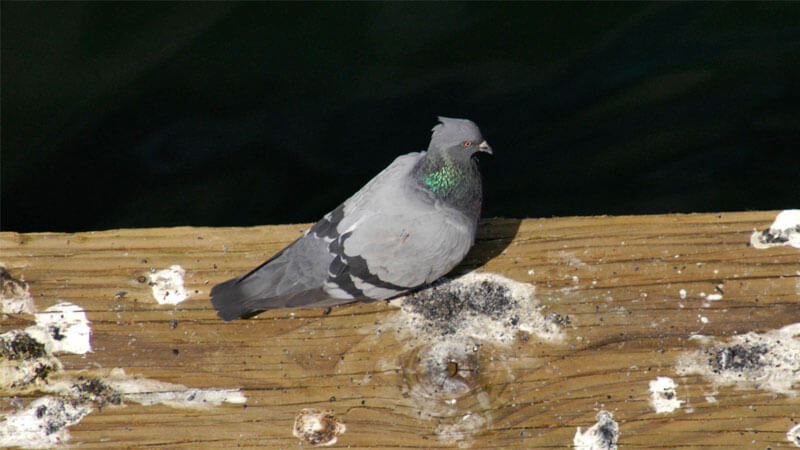
City areas have many birds like pigeons and sparrows. These birds often gather in large groups.
Bird droppings can build up on sidewalks, roofs, and parks. This increases the chance of germs spreading.
- Public parks with many birds
- Busy streets with pigeons
- Outdoor seating areas near bird gatherings
Workplaces Exposed To Droppings
Some jobs have a higher risk of bird droppings exposure. Workers in these jobs need to protect themselves well.
Cleaning crews, construction workers, and pest control staff often work near bird droppings. They can breathe in harmful dust from dried droppings.
- Cleaning bird droppings on buildings
- Working on rooftops with bird nests
- Handling bird control and removal
Homes And Bird Infestations
Bird droppings inside homes can cause health problems. Bird nests in attics or vents bring droppings close to living spaces.
Homes with bird infestations may have dust with fungi and bacteria. This dust can spread in the air and cause illness.
- Attics with bird nests
- Vents and chimneys blocked by birds
- Balconies or porches where birds roost
Credit: www.canr.msu.edu
Preventing Exposure
Bird droppings can carry harmful germs. These germs might make people sick. Avoiding contact is the best way to stay safe.
Taking simple steps can reduce your risk of illness from bird droppings. Learn how to protect yourself and your family.
Safe Cleaning Practices
Clean bird droppings carefully to avoid breathing dust. Wet the droppings before cleaning to keep dust down. Use disposable towels to pick up waste.
Do not sweep or vacuum dry droppings. This can spread germs in the air. After cleaning, wash your hands well with soap and water.
- Spray droppings with water before cleaning
- Use disposable gloves and towels
- Dispose of waste in sealed bags
- Wash hands thoroughly after cleaning
Protective Gear Essentials
Wear protective gear when handling bird droppings. Masks help prevent breathing in harmful dust. Gloves protect your skin from germs.
Use eye protection if dust might blow into your face. Choose gear that fits well and covers all needed areas. Clean or dispose of gear after use.
- Use a mask rated N95 or higher
- Wear disposable gloves
- Wear safety goggles or glasses
- Wear long sleeves and pants
Bird Control Measures
Stop birds from nesting near your home. Remove food sources like open trash or pet food. Use bird spikes or nets to keep birds away.
Keep your property clean to lower bird visits. Regularly check for nests and droppings. Control helps reduce health risks linked to bird waste.
- Remove bird feeders if possible
- Use bird spikes on ledges and roofs
- Cover trash bins securely
- Clean areas where birds gather often
When To Seek Medical Help
Bird droppings can carry harmful germs. Sometimes, these germs cause health problems. Knowing when to get medical help is important.
Listen to your body and watch for serious signs. Early care can stop the sickness from getting worse.
Recognizing Serious Symptoms
Symptoms from bird droppings exposure can be mild or severe. See a doctor right away if you have serious symptoms.
- High fever over 101°F (38.3°C)
- Persistent cough or coughing up blood
- Shortness of breath or chest pain
- Severe headache or stiff neck
- Confusion or dizziness
- Skin rash or unusual wounds
Diagnostic Tests And Procedures
Doctors use tests to find out if bird droppings caused illness. These tests help guide the right treatment.
| Test Name | Purpose | How It Works |
| Chest X-ray | Check lung infection | Shows images of lungs |
| Blood Test | Detect infection or inflammation | Analyzes blood samples |
| Sputum Culture | Identify bacteria or fungi | Tests mucus from lungs |
| Skin Biopsy | Check skin infections | Samples skin tissue |
Treatment Options Available
Treatment depends on the illness caused by bird droppings. Doctors may use medicines and other care methods.
- Antibiotics for bacterial infections
- Antifungal drugs for fungal diseases
- Rest and fluids to support recovery
- Oxygen therapy for breathing problems
- Wound care for skin infections
Frequently Asked Questions
Can Bird Droppings Cause Diseases In Humans?
Yes, bird droppings can carry harmful bacteria and fungi. These pathogens may cause respiratory and other infections if inhaled or contacted.
What Illnesses Can Bird Droppings Transmit?
Bird droppings may transmit histoplasmosis, cryptococcosis, and psittacosis. These infections primarily affect the lungs and can be serious.
How To Protect Yourself From Bird Droppings Risks?
Avoid direct contact with bird droppings. Use gloves and masks when cleaning droppings. Wash hands thoroughly afterward to reduce infection risk.
Are All Bird Droppings Equally Dangerous?
No, droppings from certain bird species pose higher risks. Pigeons, starlings, and sparrows are common carriers of harmful pathogens.
Conclusion
Bird droppings can pose health risks. They carry harmful bacteria and fungi. It's crucial to clean them properly. Wear protective gear during cleanup. Always wash hands thoroughly afterwards. Consider professional cleaning for large areas. Regular maintenance prevents buildup. Keep your environment safe and healthy.
Awareness helps in minimizing risks. Stay informed and vigilant. Your health matters. Protect yourself and those around you.