Have you ever wondered if the bird seed scattered in your yard could be harmful to your dog? If you’re a pet owner, keeping your furry friend safe is always a top priority.
But when it comes to bird seed, the risks aren’t always clear. Could a simple snack meant for birds actually cause problems for your dog? You’ll discover the surprising facts about bird seed and your dog’s health. By the end, you’ll know exactly what to watch out for and how to protect your best friend from hidden dangers.
Keep reading—your dog’s safety might depend on it.

Credit: www.reddit.com
Bird Seed Ingredients
Bird seed mixes contain many ingredients. Some are safe for dogs, while others may cause harm.
Understanding what seeds and additives are in bird seed helps keep your dog safe.
Common Seeds In Mixes
Bird seed mixes often include various seeds that attract different birds. Some seeds can upset your dog’s stomach.
- Sunflower seeds: These are common and mostly safe but can cause choking if not chewed well.
- Millet: Small and usually harmless but can cause mild digestion issues in some dogs.
- Safflower seeds: Less common but may cause allergies in some dogs.
- Nyjer seeds: Very small and unlikely to cause harm but may irritate if eaten in large amounts.
- Cracked corn: Can be hard for dogs to digest and cause stomach upset.
Additives And Preservatives
Many bird seed mixes include additives to keep seeds fresh and free from pests. Some additives can be dangerous to dogs.
| Additive | Purpose | Effect on Dogs |
| Fungicides | Prevent mold growth | May cause vomiting or diarrhea |
| Insecticides | Kill bugs on seeds | Can be toxic and cause poisoning |
| Salt | Enhance flavor | Too much salt can lead to salt poisoning |
| Preservatives | Extend shelf life | Some may cause allergic reactions |
Toxicity Risks For Dogs
Bird seed is a common household item. Many dog owners wonder if it can harm their pets. Some seeds contain substances that are risky for dogs.
Understanding which seeds may cause problems helps keep dogs safe. This guide covers seeds that can harm dogs and possible allergic reactions.
Seeds That Can Harm
Not all bird seeds are safe for dogs. Some seeds contain toxins that affect dogs’ health. Eating these seeds can cause vomiting, diarrhea, or worse.
- Apple seeds: Contain cyanide which is toxic to dogs.
- Cherry pits: Also contain cyanide and can cause choking.
- Peach pits: Hard and toxic if swallowed.
- Apricot kernels: Contain harmful chemicals.
- Sunflower seeds: Safe only if shelled and unsalted.
Always check the seed type before letting your dog near bird feed. Keep harmful seeds out of reach to avoid accidents.
Potential Allergic Reactions
Dogs can have allergies to certain seeds in bird feed. Allergic reactions range from mild to severe and need quick attention.
| Symptom | Description |
| Itching | Dogs may scratch their skin often. |
| Swelling | Face, ears, or paws may become puffy. |
| Vomiting | Repeated throwing up after eating seeds. |
| Difficulty Breathing | Wheezing or coughing may occur. |
| Diarrhea | Loose or watery stools. |
If you see these signs, stop feeding seeds and call your vet. Early care can prevent serious problems.
Digestive Issues From Bird Seed
Bird seed can cause digestive problems if dogs eat it. Many bird seeds have ingredients hard for dogs to digest. Eating bird seed may upset your dog’s stomach.
Some seeds contain oils and fibers that can lead to discomfort. Dogs may eat bird seed out of curiosity or boredom. It is important to watch for signs of illness after they eat it.
Symptoms To Watch For
Look for signs that your dog is having stomach trouble. These symptoms show your dog may not digest the bird seed well.
- Vomiting or retching
- Diarrhea or loose stools
- Lack of appetite
- Excessive drooling
- Abdominal pain or bloating
- Weakness or lethargy
When To Seek Veterinary Help
Contact a vet if your dog shows strong or lasting symptoms. Early care can prevent serious health issues.
Seek help if your dog:
- Vomits more than twice in 24 hours
- Has diarrhea lasting over a day
- Shows signs of severe pain or bloating
- Is very weak or unresponsive
- Refuses to drink water
Credit: petsloungeuae.com
Bird Seed Vs Dog Food
Bird seed and dog food look similar but serve different purposes. Dogs need food made for their health.
Bird seed is for birds and has nutrients birds need. Dog food has nutrients to keep dogs strong and healthy.
Nutritional Differences
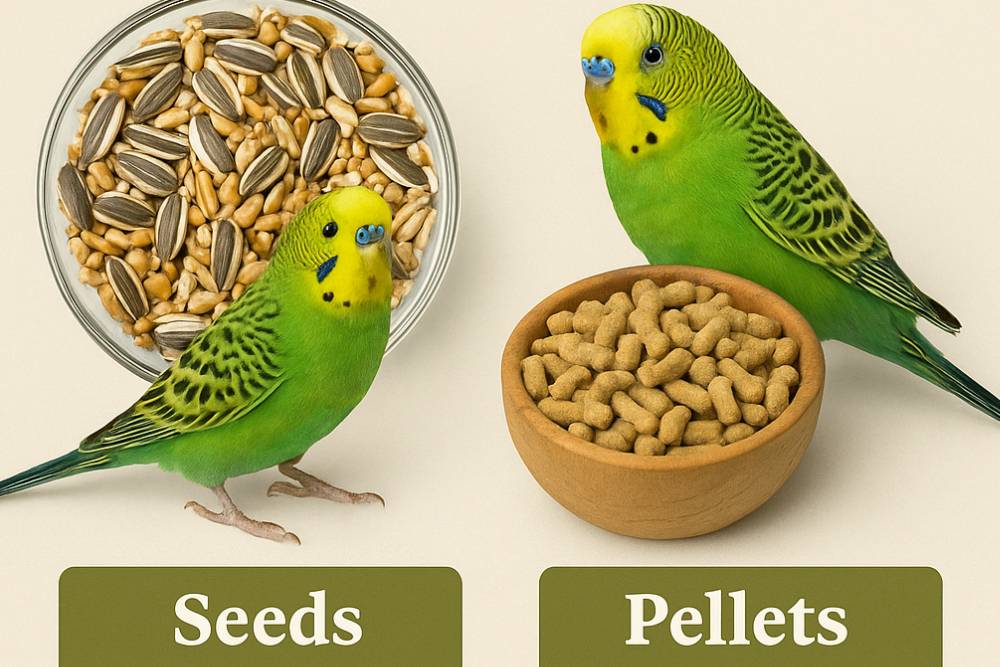
Bird seed mostly contains seeds like sunflower, millet, and corn. These seeds are good for birds but not enough for dogs.
Dog food has protein, fat, vitamins, and minerals. These help dogs grow muscles and stay active.
- Bird seed lacks enough protein for dogs
- Dog food has balanced vitamins and minerals
- Bird seed is high in fat and carbs but low in essential nutrients for dogs
Why Dogs Should Avoid Bird Seed
Bird seed can upset a dog’s stomach. Some seeds may cause choking or blockages in dogs.
Bird seed may contain mold or pesticides. These can be harmful or toxic to dogs.
- Risk of digestive problems
- Possible choking hazard
- May contain harmful chemicals or mold
- Does not support dogs’ health needs
Preventing Accidental Ingestion
Bird seed can sometimes be harmful to dogs if they eat it by accident. Some seeds and additives may cause stomach upset or other health problems.
Keeping bird seed away from dogs is important to keep them safe. This guide shows how to prevent dogs from eating bird seed accidentally.
Safe Storage Tips
Store bird seed in a place where dogs cannot reach it. Use strong containers with tight lids to keep seeds secure.
Keep bird seed containers off the floor and away from open areas. This reduces the chance of your dog finding and eating the seed.
- Use sealed, dog-proof containers
- Place containers on high shelves or locked cabinets
- Clean up spilled seeds immediately
- Store seeds in a dry, cool spot to avoid pests
Training To Avoid Eating Bird Seed
Train your dog to understand that bird seed is not food for them. Use simple commands like “leave it” to stop your dog from eating seeds.
Reward your dog when they obey commands and ignore bird seed. Consistent training helps your dog learn what is safe to eat.
- Teach “leave it” and “no” commands clearly
- Practice commands around bird seed safely
- Use treats to reward good behavior
- Supervise your dog near bird feeders or seed storage

Credit: shootingsportsman.com
Safe Alternatives For Dogs
Bird seed can harm dogs if eaten in large amounts. It may cause stomach upset or blockages. It is best to give dogs safe snacks instead.
Choosing dog-friendly treats helps keep pets healthy and happy. These treats provide good nutrition without risks.
Dog-friendly Treats
Many fruits and vegetables make great treats for dogs. These options are natural and low in calories.
- Carrot sticks
- Apple slices (without seeds)
- Blueberries
- Green beans
- Sweet potato chews
These treats are easy to prepare at home. They offer vitamins and fiber to support your dog’s health.
Healthy Snacks For Canines
Commercial dog treats can be healthy too. Look for ones with natural ingredients and no fillers.
- Freeze-dried meat treats
- Dental chews that clean teeth
- Low-fat biscuits made for dogs
- Plain cooked chicken or turkey
- Rice cakes without salt or sugar
Always give treats in moderation. Check with your vet if you try new foods for your dog.
Frequently Asked Questions
Can Bird Seed Cause Poisoning In Dogs?
Bird seed itself is not toxic but may contain harmful mold or pesticides. Ingesting large amounts can cause digestive upset or choking hazards. Always check seed quality and keep it out of reach to prevent health risks.
What Symptoms Show If Dogs Eat Bird Seed?
Dogs may experience vomiting, diarrhea, or lethargy after eating bird seed. Allergic reactions or choking can also occur. If symptoms appear, consult a vet immediately for proper diagnosis and treatment.
Is Sunflower Seed Safe For Dogs To Eat?
Sunflower seeds are generally safe for dogs if unsalted and shelled. Excessive consumption can cause digestive issues or pancreatitis due to high fat. Offer in moderation and avoid flavored or salted varieties.
How To Prevent Dogs From Eating Bird Seed?
Keep bird seed containers sealed and stored in high places. Use barriers or training to discourage dogs from accessing feeding areas. Monitoring your dog around bird feeders reduces accidental ingestion risks.
Conclusion
Bird seed can indeed pose risks to dogs. Seeds might cause digestive issues. Some seeds even contain toxins harmful to dogs. Owners should monitor their pets closely. Watch for signs like vomiting or diarrhea. Always keep bird seed out of reach.
Consult a vet if your dog ingests bird seed. Careful attention ensures your dog’s safety. Being informed protects your furry friend. Prioritize their health by being cautious. Simple steps make a big difference. Protect your dog from unnecessary harm. Stay vigilant and keep your pet safe.
Your dog’s well-being is always worth the effort.