Have you ever found moldy bird seed in your feeder and wondered if it’s safe for your feathered friends? You want to keep your backyard birds healthy and happy, but moldy food might put that at risk.
Knowing whether birds can eat moldy seed is important for their safety and your peace of mind. You’ll discover the facts about moldy bird seed and learn how to protect your birds from potential harm. Keep reading to find out what you need to do next.
Moldy Bird Seed And Birds
Moldy bird seed can be harmful to birds. Birds eat seeds as their main food. Mold grows on seeds that are old or wet.
It is important to understand mold types and how mold forms on bird seed. This helps keep birds safe and healthy.
Common Types Of Mold On Seeds
Several molds can grow on bird seed. They often appear as fuzzy spots or discoloration. Some molds are toxic to birds.
- Aspergillus: A green or black mold that can cause lung problems in birds.
- Penicillium: Blue or green mold that spoils seeds and can be harmful.
- Cladosporium: Black or dark brown mold that grows on damp seeds.
- Rhizopus: White or gray fuzzy mold that breaks down seed material.
How Mold Develops In Bird Seed
Mold grows on bird seed when conditions are right. Moisture, warmth, and time help mold form and spread.
| Factor | Description |
| Moisture | Wet or damp seed encourages mold growth. |
| Warmth | Warm temperatures speed up mold development. |
| Poor Storage | Seeds stored in open or humid places mold faster. |
| Old Seed | Older seed is more likely to have mold. |
Health Risks For Birds
Moldy bird seed can harm birds in many ways. Birds may eat moldy seeds without noticing the danger.
It is important to understand the health risks moldy seed brings to birds. Mold produces toxins that are harmful to them.
Toxins Produced By Mold
Mold grows on old or damp bird seed and produces poisons called mycotoxins. These toxins can affect a bird’s body and organs.
- Aflatoxins: Harm the liver and weaken the immune system
- Ochratoxins: Damage kidneys and cause kidney failure
- Trichothecenes: Cause skin irritation and breathing problems
- Fumonisins: Affect the nervous system and cause brain damage
Symptoms Of Mold Poisoning In Birds
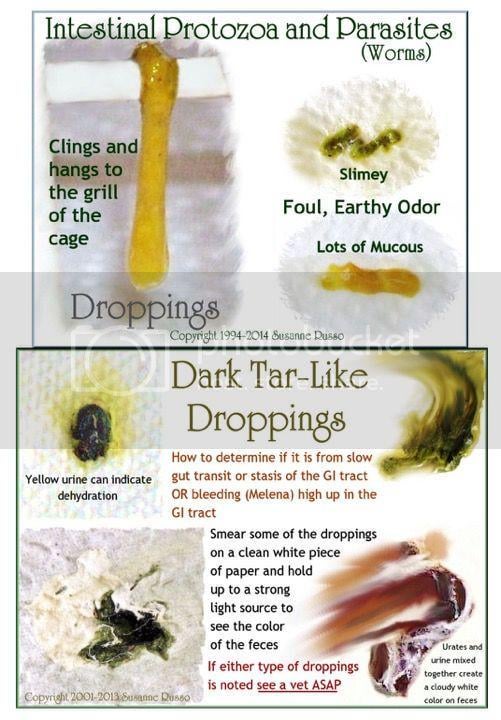
Birds eating moldy seed may show signs of illness. Symptoms often appear within hours or days.
- Loss of appetite and weight
- Weakness and lethargy
- Difficulty breathing or coughing
- Diarrhea or vomiting
- Swollen eyes or skin irritation
- Seizures or unusual behavior
Long-term Effects On Bird Health
Eating moldy seed over time causes lasting damage to birds. Their body organs may fail, and their immune system weakens.
| Health Issue | Effect on Bird |
| Liver Damage | Reduced ability to process toxins |
| Kidney Failure | Loss of kidney function and dehydration |
| Respiratory Problems | Chronic breathing issues and infections |
| Immune Suppression | Higher risk of infections and disease |
| Neurological Damage | Behavior changes and movement problems |
Safe Feeding Practices
Feeding wild birds is a fun and helpful activity. It is important to give them safe food. Moldy bird seed can harm birds and cause illness.
Knowing how to spot mold and store seeds properly keeps birds healthy. Choosing good quality seed also makes a big difference.
Identifying Fresh Vs. Moldy Seeds
Fresh bird seed looks dry and clean. Moldy seed often has a fuzzy or powdery coating. It may smell bad or sour. Birds should never eat moldy seed.
- Fresh seeds are firm and dry
- Moldy seeds may look white, gray, or green
- Check for bad smells like mildew
- Discard any seeds with visible mold
Proper Storage To Prevent Mold
Store bird seed in a cool, dry place. Keep the seed in a sealed container to stop moisture. Moisture helps mold grow quickly.
- Use airtight containers made of plastic or metal
- Keep seed off the ground and away from humidity
- Buy seed in small amounts to use quickly
- Check stored seed regularly for signs of mold
Choosing Quality Bird Seed
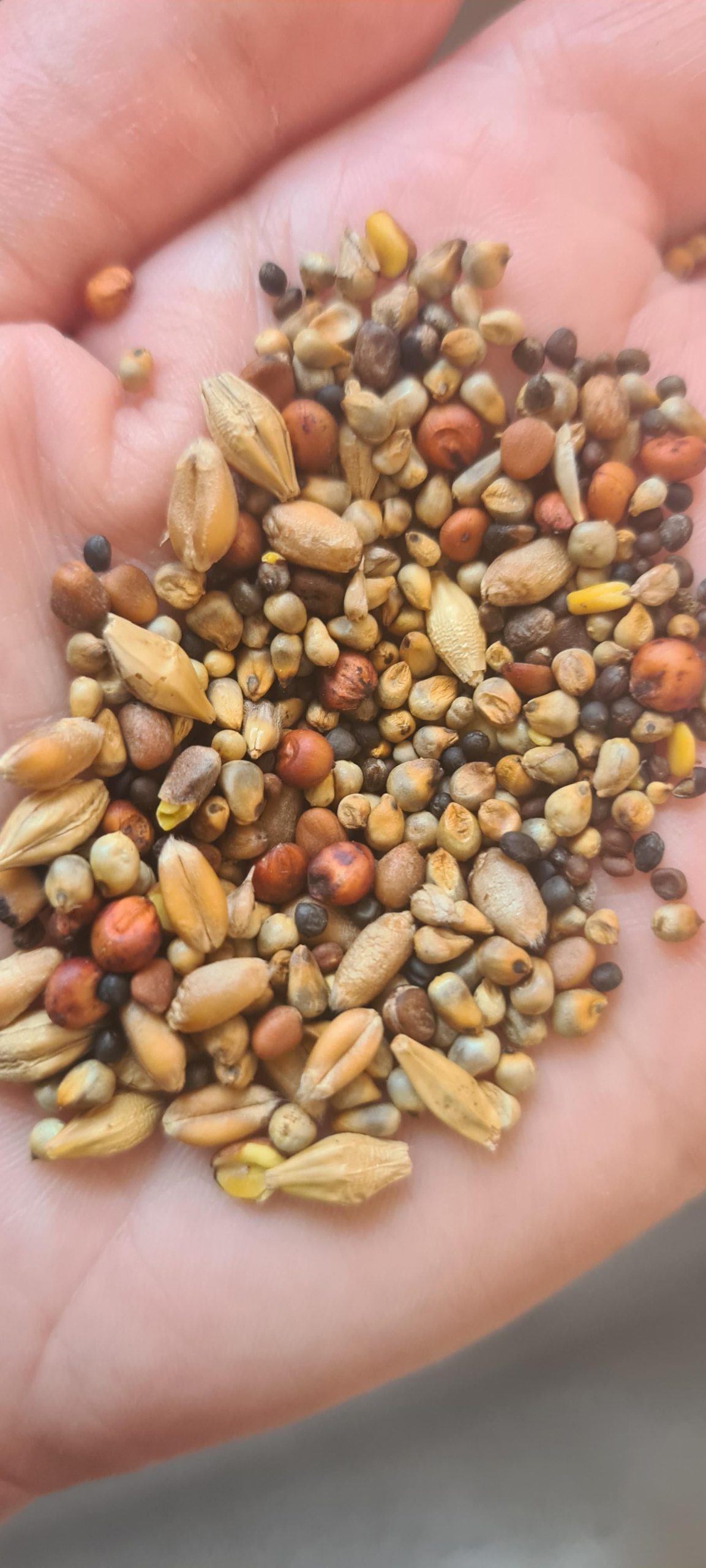
Pick bird seed that looks fresh and clean. Avoid seed with broken shells or dust. High-quality seed attracts more birds and keeps them healthy.
- Look for seed with whole grains and no debris
- Buy seed from trusted sellers
- Select seed types that local birds like
- Avoid seed mixes with fillers like red millet

Credit: www.wildlifenomads.com
Alternatives To Moldy Seed
Moldy bird seed can harm birds and should not be fed to them. It is important to find safe alternatives that keep birds healthy and happy.
This guide shares safe seed options and fresh foods you can give birds instead of moldy seed.
Safe Seed Options
Choose fresh and clean seeds for your birds. Seeds that are dry and free from mold are safe to use. Here are good seed choices:
- Sunflower seeds
- Safflower seeds
- Millet
- Nyjer (thistle) seeds
- Cracked corn
Store seeds in airtight containers to prevent moisture and mold growth. Check seeds often for freshness.
Supplementing With Fresh Foods
Fresh foods add variety and nutrients to birds' diets. They help keep birds strong and active.
| Fresh Food | Benefits |
| Chopped fruits (apples, berries) | Vitamins and hydration |
| Vegetables (carrots, peas) | Fiber and minerals |
| Cooked rice or pasta | Energy and carbohydrates |
| Hard-boiled eggs | Protein |
Offer fresh foods in small amounts and remove leftovers to avoid mold growth.
When To Discard Bird Seed
Bird seed can spoil and become unsafe for birds to eat. Knowing when to throw it away helps keep birds healthy.
Old or moldy seed can cause illness in wild and pet birds. Watch for signs that seed is no longer safe.
Signs Seed Is Unsafe
Look carefully at your bird seed before feeding it. These signs show the seed is unsafe:
- Visible mold growth, such as fuzzy white or green spots
- A sour or musty smell coming from the seed
- Seed that feels damp or clumped together
- Discoloration or dark patches on the seed
- Insect damage or presence of bugs
Do not feed seed with any of these signs to your birds. Moldy seed can cause serious health problems.
Disposal Methods To Avoid Contamination
Throw away bad bird seed carefully to stop mold and germs from spreading. Use these safe disposal methods:
| Disposal Method | Why It Is Safe |
| Seal seed in a plastic bag | Keeps mold spores contained |
| Throw seed in outdoor trash bin | Prevents mold from spreading indoors |
| Do not compost moldy seed | Can spread mold to garden plants |
| Clean feeders after discarding seed | Removes leftover mold and bacteria |
Always wash your hands after handling moldy seed. Keep bird feeding areas clean to protect birds from illness.

Credit: seabrookeleckie.com

Credit: www.birdsandblooms.com
Frequently Asked Questions
Can Birds Eat Moldy Bird Seed Safely?
No, birds should not eat moldy bird seed. Mold can produce toxins harmful to birds. Always provide fresh, clean seed to keep birds healthy and safe.
What Happens If Birds Eat Moldy Seed?
Eating moldy seed can cause illness in birds. Symptoms include digestive issues, weakness, and respiratory problems. Mold toxins can be fatal in severe cases.
How Can I Prevent Bird Seed Mold Growth?
Store bird seed in a cool, dry place with airtight containers. Avoid moisture exposure and clean feeders regularly to prevent mold growth and protect birds.
Are All Molds On Bird Seed Harmful To Birds?
Most molds on bird seed produce harmful toxins. Even small amounts can affect bird health. It’s best to discard any moldy seed immediately to avoid risks.
Conclusion
Birds should not eat moldy bird seed. Mold harms their health. It can cause illness or even death. Always check bird seed before feeding. Fresh seed is best for birds. Store seed in a dry, cool place. This prevents mold growth.
Regularly clean feeders and storage bins. Keep your feathered friends safe. Healthy birds need safe food. Prioritize their well-being. A little care ensures their happiness. Remember, fresh is always better. Your birds will thank you. Keep them chirping and healthy!