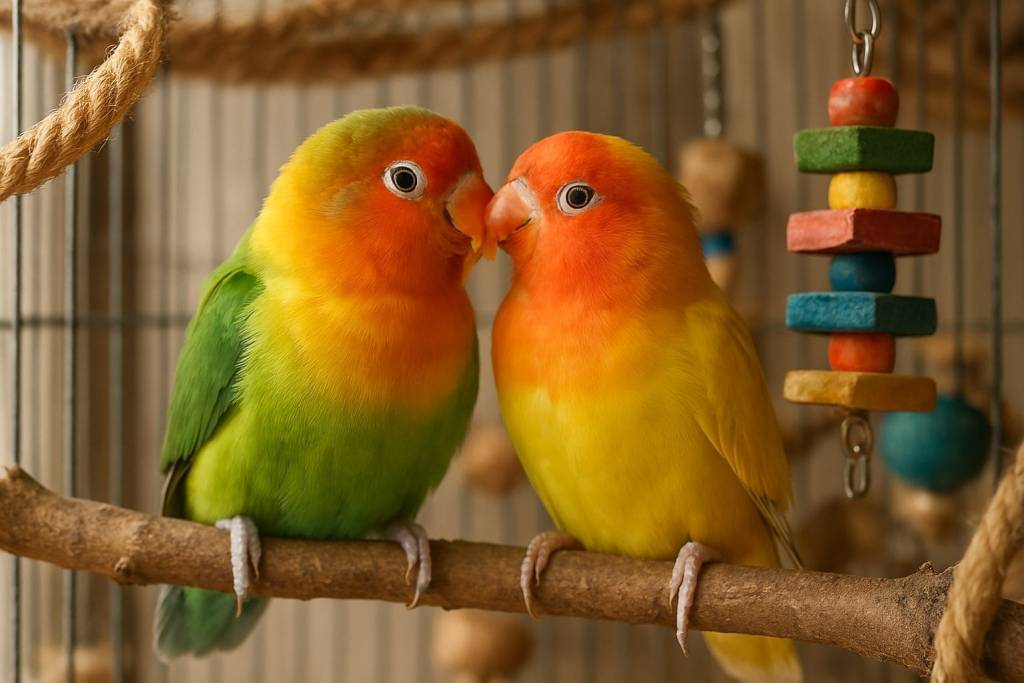
Have you ever wondered if birds see the world the same way you do? When you watch a colorful parrot or a bright blue jay, do they notice those colors as vividly as you see them?
Understanding whether birds can see in color is more than just a fun fact—it can change how you experience nature and connect with wildlife. Keep reading, and you’ll discover surprising truths about birds’ vision that might make you look at them—and the world—completely differently.
Bird Vision Basics
Birds have very good eyesight. They can see things far away and in great detail.
One interesting question is if birds can see colors like humans do.
Eye Structure In Birds
Bird eyes are different from human eyes. They are bigger compared to their head size.
Birds have a very clear lens and a large retina. This helps them see sharp images.
- Birds have a nictitating membrane for eye protection
- Their eyes are positioned to give wide vision
- Many birds have a high number of light-sensitive cells
Types Of Photoreceptors
Photoreceptors are cells that detect light. Birds have more types than humans.
Birds have four types of cone cells, allowing them to see more colors.
- Rod cells: help see in dim light
- Red cones: detect red colors
- Green cones: detect green colors
- Blue cones: detect blue colors
- Ultraviolet cones: see ultraviolet light
Credit: medium.com
Color Perception In Birds
Birds can see many colors, even more than humans. Their vision helps them find food and choose mates.
Understanding how birds see colors gives us insight into their world. It shows how they interact with nature.
How Birds Detect Colors
Birds have special cells in their eyes called cones. These cones help them detect different colors.
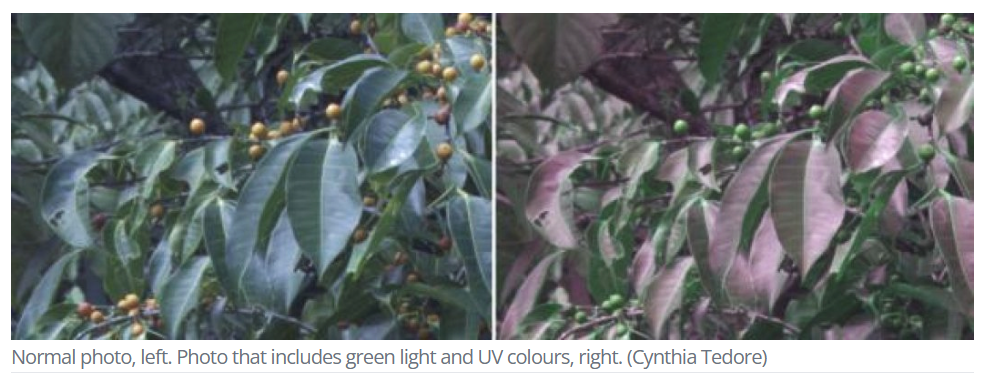
Birds have four types of cones. One of these cones lets them see ultraviolet light. This light is invisible to humans.
- Cones detect colors by sensing light waves
- Extra cone allows birds to see ultraviolet colors
- Oil droplets in cones improve color clarity
- More cones mean better color discrimination
Comparison With Human Vision
Humans have three types of cones to see colors. We see red, green, and blue light.
Birds see more colors because they have four cones. They can see colors beyond human vision, like ultraviolet.
| Feature | Birds | Humans |
|---|---|---|
| Number of Cone Types | 4 | 3 |
| Ultraviolet Light Detection | Yes | No |
| Color Range | Wider | Narrower |
| Oil Droplets in Eyes | Yes, enhances color | No |
Vividness Of Bird Colors
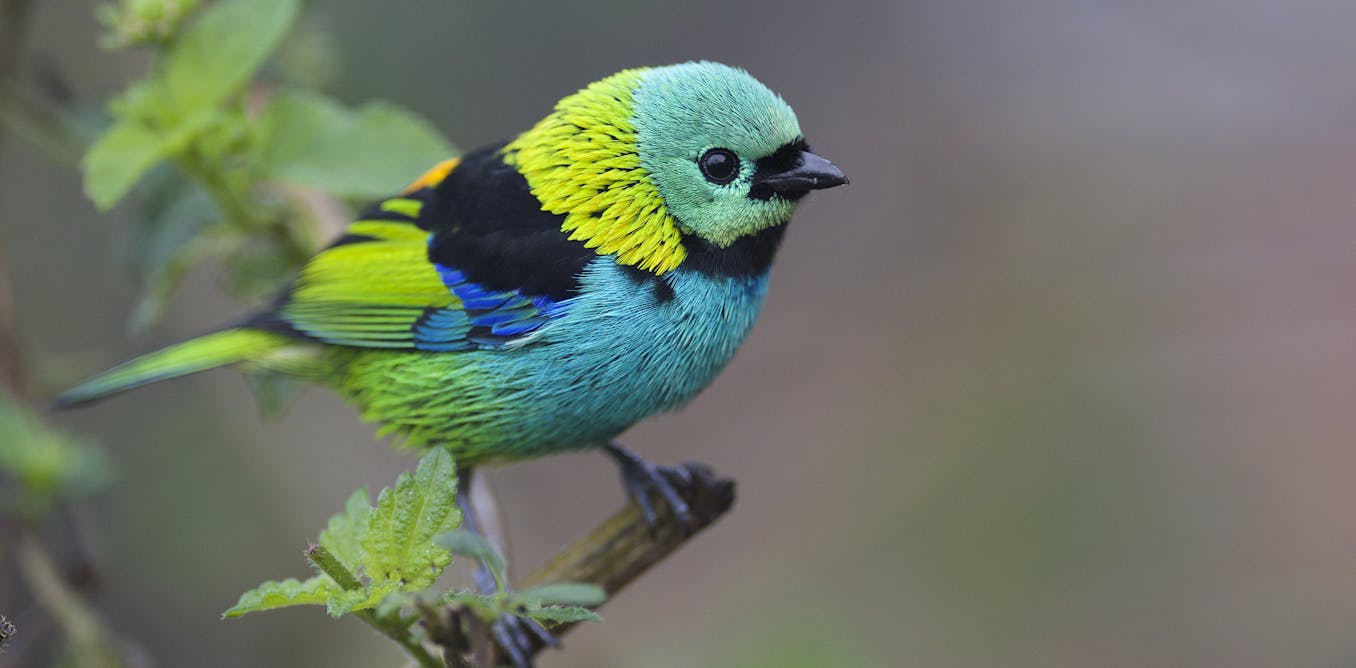
Birds have some of the most colorful feathers in nature. Their colors are bright and varied. This makes birds easy to spot and admire.
Birds see colors more vividly than humans do. They can see a wider range of colors. This helps them in many ways.
Role Of Uv Light
Birds can see ultraviolet (UV) light. Humans cannot see UV light. This lets birds see colors that look different to us.
UV light changes how bird feathers appear. Some feathers reflect UV light strongly. This makes the colors look brighter and more vivid.
- UV reflection helps birds find mates
- It aids in identifying other birds
- UV patterns can signal health and strength
Colorful Plumage And Signaling
Birds use colorful feathers to send signals. Bright colors can show a bird's fitness to others. This is important during mating season.
Colors help birds recognize each other. They also warn predators or rivals. The vividness of the plumage plays a key role in communication.
- Bright colors attract mates
- Patterns can show social status
- Colors can scare off enemies
Bird Species And Color Vision
Birds see colors differently than humans do. Their color vision helps them find food and mates.
Some bird species see many colors very well. Others have weaker color vision.
Birds With Exceptional Color Sight
Many birds see colors in more detail than humans. They can see ultraviolet light too.
Birds like parrots and pigeons have excellent color vision. It helps them find ripe fruits and colorful mates.
- Parrots see a wide range of colors, including ultraviolet.
- Pigeons use color to recognize each other.
- Hummingbirds spot bright flowers using color cues.
- Owls have good color vision in daylight.
Species With Limited Color Perception
Some birds see fewer colors. They rely more on shapes and movement.
Birds like owls and some night birds have limited color vision. Their eyes focus on seeing well in the dark.
- Owls see less color but see well in low light.
- Nightjars have limited color sight for night hunting.
- Some seabirds see fewer colors but detect movement easily.
Impact Of Color Vision On Bird Behavior
Birds can see many colors that humans cannot. This ability helps them in many ways every day.
Color vision affects how birds find food and choose mates. It also helps them talk to other birds.
Foraging And Food Selection
Birds use color to find ripe fruits and healthy plants. Bright colors show which foods are good to eat.
Some birds spot insects by noticing color differences. This skill helps them catch prey quickly.
- Bright fruits attract birds for easy feeding
- Color helps birds avoid toxic plants
- Birds spot camouflaged insects by color contrast
Mating And Social Interaction
Birds use bright colors to attract mates. Colorful feathers show health and strength to others.
Color also helps birds recognize friends and rivals. This keeps their social groups organized and safe.
- Male birds display bright feathers to attract females
- Color signals status in bird groups
- Birds use color to identify family members
Credit: theconversation.com
Scientific Methods To Study Bird Vision
Scientists use different methods to learn if birds see in color. These methods help us understand bird vision better.
Studying bird vision involves observing behavior and examining their eyes and genes. This shows how birds process colors.
Behavioral Experiments
Behavioral experiments test how birds respond to colors. Scientists train birds to pick certain colors for rewards.
These tests show if birds can tell colors apart. Researchers watch how birds react to different colored objects.
- Birds choose colored cards to get food
- Scientists change colors to test recognition
- Birds’ choices reveal their color vision abilities
Anatomical And Genetic Analysis
Scientists study bird eyes under microscopes to see color receptors. These receptors help birds detect colors.
Genetic tests find the genes that control color vision. These genes tell how well birds can see different colors.
- Examine bird retina cells for color receptors
- Identify genes linked to color vision
- Compare genes across bird species
Credit: frisellagiuseppe.medium.com
Frequently Asked Questions
Do Birds Perceive Colors Like Humans?
Yes, birds can see colors, often better than humans. They possess additional cone cells in their eyes. These cells enable them to perceive ultraviolet light. This enhances their ability to see a broader spectrum of colors. This ability aids them in finding food and choosing mates.
How Does Bird Color Vision Differ From Humans?
Birds have superior color vision compared to humans. They have four types of cone cells in their eyes. These cones allow them to see ultraviolet light. This means birds can perceive more colors than humans. This enhanced vision helps in navigation and survival.
Can All Bird Species See In Color?
Most bird species can see in color, but the range varies. Birds have different numbers of cone cells. Species with more cone cells see a broader spectrum of colors. This ability helps them in various tasks like finding food and mates.
Why Is Color Vision Important For Birds?
Color vision is crucial for birds in their daily activities. It helps them identify ripe fruits and flowers. It also aids in spotting predators and selecting mates. Their ability to see colors enhances their survival and reproductive success.
Conclusion
Birds see colors differently than humans do. Their eyes can detect more colors, including ultraviolet light. This ability helps them find food and mates. It also keeps them safe from predators. Color vision plays a big role in their daily life.
Understanding this shows how amazing birds truly are. Next time you see a bird, remember its world is full of colors you cannot see. Nature’s design is truly fascinating.