Have you ever wondered if your feathered friends could be more than just delightful companions? Birds are fascinating creatures, bringing joy and a touch of the wild into our homes.
But have you ever considered the hidden health risks they might pose? Can humans get bacterial infections from birds? This is a question that might raise concerns, especially for bird owners and enthusiasts like yourself. Imagine the peace of mind you'll have once you know the facts! By understanding the potential risks and how to prevent them, you can ensure your interactions with birds remain both safe and enjoyable.
Dive in to uncover the truth about bacterial infections from birds and learn how to protect yourself and your loved ones. Your well-being could depend on it!

Credit: www.mdpi.com
Birds As Bacterial Carriers
Birds can carry many types of bacteria without getting sick. These bacteria can sometimes spread to humans and cause infections.
It is important to understand how birds carry and spread bacteria. This helps us stay safe around birds and their environments.
Common Bacteria Found In Birds
Birds often carry bacteria that live in their guts, feathers, or droppings. Some of these bacteria can cause illnesses in people.
- Salmonella:Causes stomach infections and diarrhea.
- Campylobacter:Leads to food poisoning symptoms.
- Chlamydia psittaci:Causes psittacosis, a lung infection.
- E. coli:Can cause serious intestinal problems.
- Mycobacterium avium:May cause lung disease.
How Birds Spread Bacteria
Birds spread bacteria through their droppings, feathers, and direct contact. Bacteria can contaminate surfaces and the air around them.
People can get infections by touching bird droppings or breathing in dust from dried droppings. Close contact with birds also raises the risk.
- Contact with bird droppings on surfaces
- Inhaling dust from dried droppings
- Handling birds or their nests
- Eating food or water contaminated by birds

Credit: lowerbuckshosp.com
Types Of Bacterial Infections From Birds
Birds can carry several types of bacteria that may infect humans. These infections happen when people touch birds or their droppings. It is important to know about these diseases to stay safe.
This article explains three common bacterial infections from birds. Each infection has different symptoms and risks. Learning about them helps with prevention and treatment.
Psittacosis: The Parrot Fever
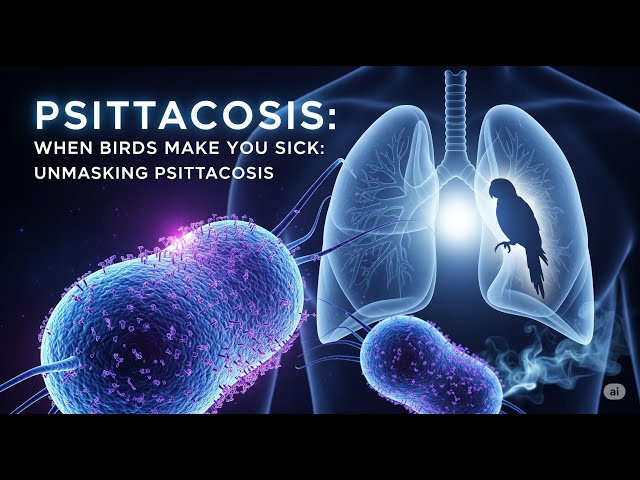
Psittacosis is also called parrot fever. It comes from a bacteria named Chlamydia psittaci. This infection spreads from parrots, pigeons, and other birds to humans.
People get sick by breathing dust from bird droppings or secretions. Symptoms include fever, chills, headache, and cough. It can cause serious lung problems if not treated.
Salmonella And Its Risks
Salmonella bacteria live in many birds, especially poultry. Humans catch it by touching birds or eating food that has bacteria from bird droppings.
This infection causes stomach pain, diarrhea, fever, and vomiting. It can be dangerous for children, elderly, and people with weak immune systems.
- Keep bird areas clean
- Wash hands after contact
- Cook poultry thoroughly
Campylobacter Infections
Campylobacter bacteria are found in wild and domestic birds. People get infected by handling birds or drinking contaminated water.
Symptoms include diarrhea, cramps, fever, and nausea. Most people recover quickly, but some may have long-term effects.
Transmission To Humans
Bacterial infections from birds can sometimes spread to humans. Knowing how this happens helps people stay safe. Birds carry bacteria that may cause illness.
These bacteria can pass through different ways. Some are easy to catch, while others need close contact. Understanding the risks helps prevent infections.
Direct Contact Risks
Touching birds or their droppings can spread bacteria. Handling sick or dead birds is especially risky. Bacteria can enter through cuts or eyes.
- Petting or feeding birds without gloves
- Cleaning bird cages or nests
- Contact with bird droppings or feathers
- Handling injured or dead birds
Airborne Bacterial Transmission
Bacteria can travel in tiny dust particles from bird droppings. People can breathe these in, causing lung infections. This is common in places with many birds.
| Source | Transmission Method | Risk |
| Dry bird droppings | Dust inhalation | High |
| Bird feathers | Airborne particles | Medium |
| Close bird contact | Respiratory droplets | Low |
Contaminated Surfaces And Food
Bacteria can live on surfaces where birds land or roost. People touching these surfaces then touching their mouth or food can get infected. Eating food contaminated by birds is also risky.
Common contaminated sources include:
- Outdoor tables and benches
- Food left uncovered near birds
- Water bowls or bird feeders
- Kitchen counters with bird droppings
Symptoms To Watch For
Bacterial infections from birds can affect humans in different ways. It is important to know the symptoms early. Early detection helps in getting proper treatment fast.
Not all symptoms mean infection, but watching closely can prevent serious illness. Some symptoms start mild and then get worse over time.
Early Signs Of Infection
Early symptoms often look like common illnesses. These signs usually appear within days after contact with birds or their droppings.
- Fever and chills
- Headache and muscle aches
- Fatigue or feeling very tired
- Cough or sore throat
- Shortness of breath or chest discomfort
- Diarrhea or stomach pain
Severe Symptoms And Complications
If infection is not treated, symptoms can become serious. The bacteria may spread and cause more health problems.
| Symptom | Possible Complication |
| High fever over 102°F (39°C) | Sepsis or blood infection |
| Severe cough with green or bloody mucus | Lung infection or pneumonia |
| Chest pain or difficulty breathing | Respiratory failure |
| Confusion or dizziness | Brain infection or meningitis |
| Swelling or redness around wounds | Skin infection or abscess |
Preventive Measures
Bacterial infections can pass from birds to humans if care is not taken. Preventing this needs simple but careful actions.
Following clear steps keeps both humans and birds safe. Learn how to handle birds, keep clean, and use the right gear.
Safe Handling Of Birds
Handle birds gently to reduce stress and risk of infection. Avoid sudden moves and loud noises that scare birds.
- Hold birds calmly and support their bodies well.
- Keep birds in clean cages or areas.
- Do not touch your face after handling birds.
- Isolate sick birds from healthy ones.
Hygiene Practices
Cleanliness stops bacteria from spreading. Wash hands and clean bird spaces often.
| Hygiene Task | Frequency |
| Hand washing | Before and after handling birds |
| Cleaning cages | At least twice a week |
| Disinfecting surfaces | Weekly or after spills |
| Laundering bird cloths | Weekly |
Protective Gear For Bird Handlers
Wear the right gear to stop germs from reaching your skin or clothes. This lowers infection risks.
- Use disposable gloves when touching birds or cleaning.
- Wear masks to avoid breathing in dust or droppings.
- Put on long sleeves and pants to cover skin.
- Clean gear after each use to avoid cross-contamination.
Treatment Options
Bacterial infections from birds can be serious. Proper treatment helps you get better fast.
Doctors use different treatments based on the infection type and severity.
Antibiotics For Bacterial Infections
Antibiotics kill bacteria causing the infection. They are the main treatment for these infections.
Common antibiotics include doxycycline, azithromycin, and ciprofloxacin. Your doctor will choose one.
- Take all antibiotics as the doctor says
- Do not stop treatment early, even if you feel better
- Report any side effects to your doctor
When To Seek Medical Help
See a doctor if you have bird contact and symptoms like fever, cough, or chest pain.
Early medical care can prevent serious problems and speed up recovery.
- High fever lasting more than 2 days
- Difficulty breathing or chest pain
- Severe fatigue or weakness
- Worsening symptoms despite home care
Myths And Facts About Bird-borne Bacteria
Many people worry about catching bacteria from birds. Birds can carry germs, but not all are harmful to humans.
It is important to know which risks are real and which are myths. This helps keep you safe without fear.
Common Misconceptions
Some think all birds spread dangerous bacteria to humans. Others believe touching birds always causes infections.
- Birds always carry harmful bacteria that infect humans.
- Feathers and droppings are deadly sources of disease.
- Handling birds without gloves is very risky.
- All bird-borne bacteria cause severe illness in people.
Scientific Evidence
Scientists study bacteria from birds to find real risks. Most bird bacteria do not harm humans.
| Type of Bacteria | Risk to Humans | Common Source |
| Chlamydia psittaci | Can cause psittacosis (rare) | Droppings and feathers |
| Salmonella | Possible but uncommon | Contaminated bird feeders |
| E. coli | Low risk | Contact with droppings |
| General bird bacteria | Minimal to no risk | Feathers and skin |
Good hygiene lowers any risk. Wash hands after touching birds or cleaning cages.

Credit: www.tandfonline.com
Frequently Asked Questions
Can Birds Transmit Bacterial Infections To Humans?
Yes, some birds can carry bacteria that infect humans. Common bacteria include Salmonella and Chlamydia psittaci. Close contact or exposure to droppings increases the risk of infection.
What Symptoms Indicate A Bird-related Bacterial Infection?
Symptoms often include fever, cough, fatigue, and respiratory issues. In some cases, gastrointestinal problems may occur. Prompt medical attention is important if you suspect infection from birds.
How Can I Prevent Bacterial Infections From Birds?
Avoid direct contact with wild birds and their droppings. Wash hands thoroughly after handling birds or cleaning cages. Use protective gear when cleaning bird habitats to reduce infection risk.
Are Pet Birds A Risk For Bacterial Infections?
Pet birds can carry bacteria, but risk is lower with proper hygiene. Regular veterinary checks and cage cleaning help prevent bacterial transmission to humans.
Conclusion
Birds can carry bacteria that sometimes infect humans. Close contact or poor hygiene raises the risk. Washing hands often helps stop germs from spreading. Avoid touching bird droppings or nests directly. Knowing these facts keeps you safer around birds. Stay aware and take simple steps to protect health.
This way, you enjoy birds without worry.