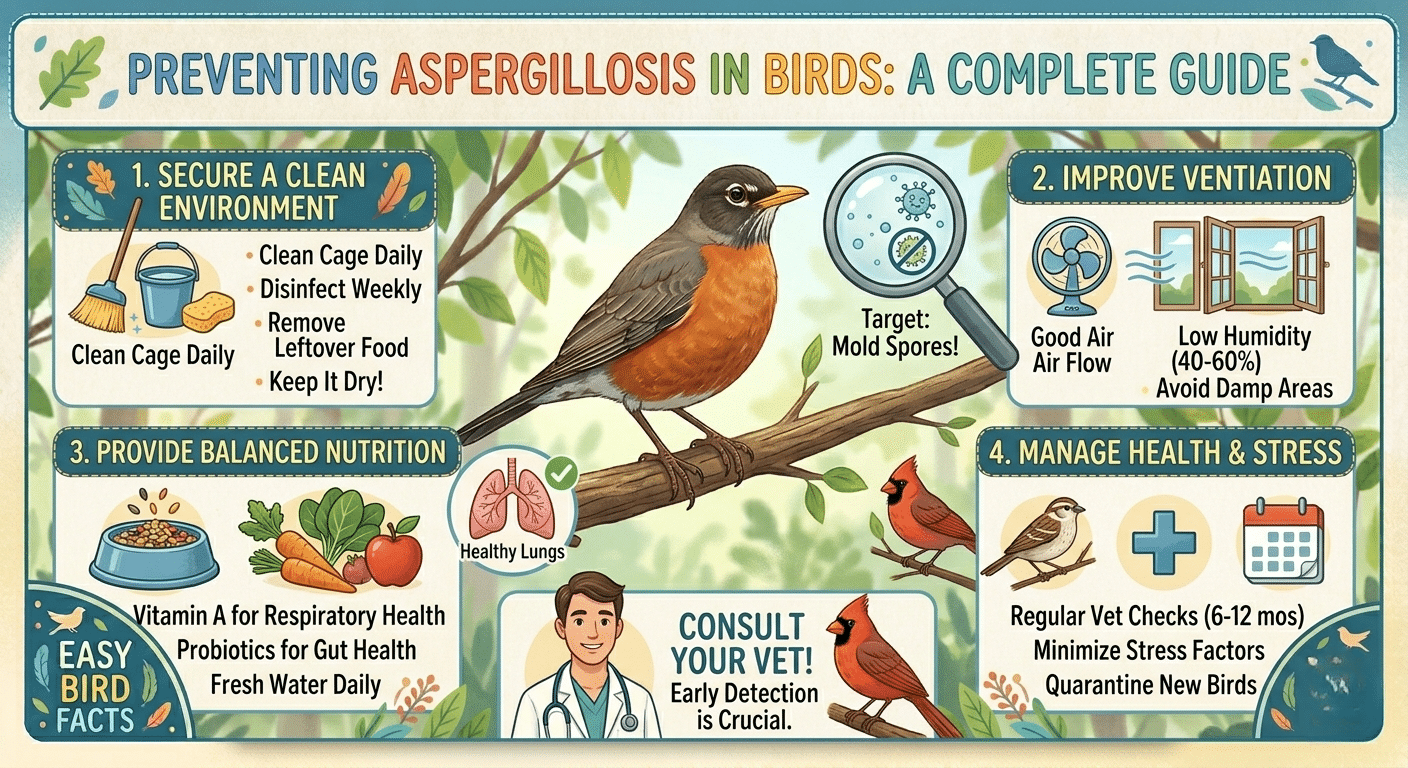
Have you ever wondered if the birds around you could be carrying something harmful? Birds are beautiful and fascinating creatures, but can they pass on fungal infections to you?
Understanding this can protect your health and keep you safe. You’ll discover how fungal infections from birds happen, what signs to watch for, and simple steps you can take to avoid them. Keep reading to learn what every bird lover or passerby should know about staying healthy.

Credit: www.homeocareclinic.in
Common Bird-related Fungal Infections
Birds can carry fungi that cause infections in humans. These infections happen when people breathe in fungal spores. Knowing about these fungi helps keep you safe.
Fungal infections from birds affect the lungs and other parts of the body. People with weak immune systems are more at risk.
Types Of Fungi In Birds
Several fungi live in bird droppings and feathers. These fungi can cause illness if they spread to humans.
- Histoplasma capsulatum:Found in soil mixed with bird droppings. Causes histoplasmosis.
- Cryptococcus neoformans:Lives in pigeon droppings. Leads to cryptococcosis, a lung and brain infection.
- Aspergillus species:Common in decaying plant material and bird droppings. Causes aspergillosis.
How Fungal Spores Spread
Fungal spores spread through the air and can enter human lungs. They come from dry bird droppings and nesting areas.
| Source | How Spores Spread |
| Dry Bird Droppings | Spores become airborne when droppings dry and crumble. |
| Bird Nests | Disturbing nests releases spores into the air. |
| Soil with Bird Feces | Walking or digging stirs spores into the air. |
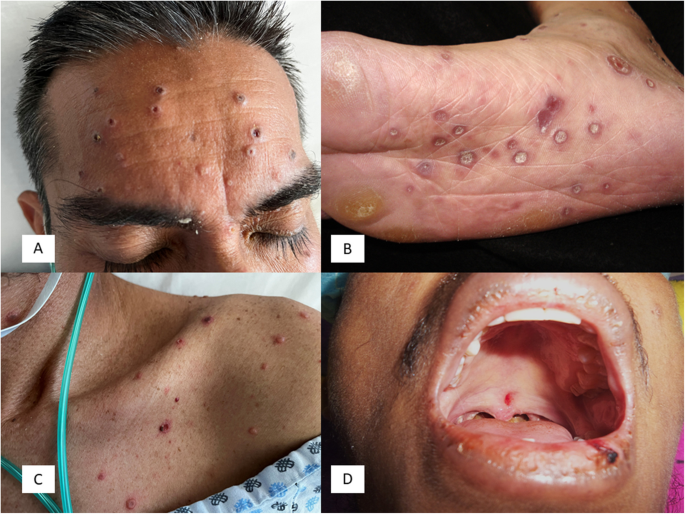
Credit: link.springer.com
Transmission Routes To Humans
Birds can carry fungal infections that may spread to humans. Understanding how these infections pass helps prevent illness. People often ask if they can catch fungi from birds.
This article explains the main ways fungal infections move from birds to humans. We focus on direct contact and environmental exposure as key routes.
Direct Contact Risks
Touching birds or their droppings can cause fungal infections. Bird feathers, skin, and nests may hold fungal spores. These spores can enter the body through cuts or breathing.
- Handling wild or pet birds without gloves
- Cleaning bird cages or nests
- Contact with bird droppings on surfaces or clothes
- Being scratched or bitten by infected birds
Environmental Exposure
Fungal spores from birds can spread in the environment. These spores stay in soil, dust, and air near bird habitats. People can breathe spores unknowingly, leading to infection.
| Source | How Spores Spread |
| Bird droppings | Drying and becoming airborne dust |
| Bird nests | Breaking apart and releasing spores |
| Soil near bird sites | Disturbance by wind or human activity |
| Old bird feathers | Decomposing and spreading spores |
Symptoms In Humans
Fungal infections from birds can affect people in different ways. These infections happen when fungi from bird droppings or feathers enter the body. Symptoms vary depending on which part of the body is infected.
It is important to know the signs to get help early. People who work with birds or live near them may have a higher risk.
Respiratory Issues
Breathing problems are common in fungal infections from birds. The fungi can cause lung irritation and infection. This can make it hard to breathe and cause coughing.
People may feel chest pain or tightness. Some may have wheezing or shortness of breath. These symptoms can look like other lung diseases.
- Cough that does not go away
- Chest pain or tightness
- Shortness of breath or wheezing
- Fever and chills in some cases
Skin Infections
Fungi from birds can also cause skin problems. The infection may start as red, itchy spots. These spots can grow and become painful.
Sometimes blisters or sores appear on the skin. The infection can spread if not treated. Skin infections often happen after touching bird droppings or feathers.
- Red, itchy patches on the skin
- Blisters or sores
- Swelling around the infected area
- Pain or discomfort
Other Health Effects
Fungal infections from birds can affect other parts of the body too. Some people may have fever and feel very tired. The infection can spread to organs in rare cases.
Headaches, muscle pain, and joint pain can also occur. People with weak immune systems may have more severe symptoms. It is important to see a doctor if symptoms worsen.
- Fever and fatigue
- Headaches and muscle pain
- Joint pain
- Possible spread to internal organs
High-risk Groups
Some people have a higher chance of getting fungal infections from birds. This is because their bodies may not fight infections well. It is important to know who is at risk.
We will look at two groups who need to be careful around birds. These groups include people with weak immune systems and those who work with birds often.
Immunocompromised Individuals
People with weak immune systems face more danger from fungal infections from birds. Their bodies cannot stop fungi easily. This group includes:
- People with HIV or AIDS
- Cancer patients on chemotherapy
- Organ transplant recipients
- People taking steroids or immune-suppressing drugs
- Those with chronic illnesses like diabetes
These people should avoid contact with bird droppings and dusty bird areas. They must keep their living spaces clean and dry.
Bird Handlers And Enthusiasts
Bird handlers and enthusiasts often spend time near birds and their droppings. This can raise their risk of fungal infections. Examples include:
| Group | Risk Factor |
| Pigeon keepers | Frequent contact with droppings |
| Bird breeders | Close contact during feeding and cleaning |
| Zoo and aviary workers | Exposure to many bird species |
| Wild bird watchers | Visiting places with bird droppings |
These people should wear masks and gloves when cleaning bird cages. They must wash hands well after touching birds or their droppings.
Preventive Measures
Fungal infections from birds can affect humans, especially in certain environments. Taking preventive steps reduces the risk of catching these infections.
Simple actions and proper equipment help keep you safe when handling birds or cleaning bird areas.
Hygiene Practices
Good hygiene is key to stopping fungal infections from spreading. Wash your hands often after touching birds or their droppings.
- Use soap and warm water to clean your hands well
- Avoid touching your face before washing your hands
- Clean bird cages and feeders regularly
- Dispose of bird waste safely in sealed bags
Protective Equipment
Wear protective gear to avoid direct contact with bird droppings and dust. This reduces your chance of breathing in fungal spores.
- Wear gloves when cleaning bird cages or handling droppings
- Use a dust mask or respirator in dusty areas
- Wear long sleeves and pants to cover your skin
- Clean protective gear after each use
Environmental Controls
Keeping bird areas clean and dry lowers fungal growth. Good ventilation helps clear airborne spores.
| Control Method | Purpose |
| Regular cleaning | Remove droppings and reduce spores |
| Dry environment | Stop fungal growth |
| Good airflow | Reduce airborne spores |
| Proper waste disposal | Prevent spread of fungi |
Treatment Options
Fungal infections from birds can affect humans. Treating these infections early helps prevent serious problems.
There are several ways to treat fungal infections. Proper medicine and care are important for healing.
Antifungal Medications
Doctors often prescribe antifungal medicines to fight fungal infections. These medicines stop the fungus from growing.
Some common antifungal medications include creams, pills, and sprays. The type depends on the infection location and severity.
- Topical creams for skin infections
- Oral pills for deeper or widespread infections
- Inhaled medications if lungs are affected
When To See A Doctor
See a doctor if you notice symptoms like redness, swelling, or pain after contact with birds. Early diagnosis helps recovery.
Seek medical help if symptoms get worse or do not improve with basic care. A doctor can provide the right treatment.
- Persistent skin rash or sores
- Difficulty breathing or coughing
- Fever or feeling very tired
Case Studies And Real-life Incidents
Birds can carry fungi that sometimes cause infections in humans. These infections are rare but possible. Scientists have studied cases where people caught fungal infections from birds.
We will look at some real-life incidents and case studies. These examples show how fungi spread from birds to humans and the health effects.
Cryptococcosis In A Bird Handler
A man who worked with pigeons developed a fungal infection called cryptococcosis. The fungi Cryptococcus neoformans is found in bird droppings. The man had breathing problems and skin sores.
Doctors confirmed the infection came from exposure to pigeon droppings. The man got treated with antifungal medicines and recovered after months.
Histoplasmosis Outbreak Linked To Bird Droppings
In a small town, several people fell ill with lung infections. Health officials found the cause was Histoplasma capsulatum fungus. This fungus grows in soil mixed with bird droppings.
The outbreak started after cleaning an old barn full of bird droppings. Many workers had symptoms like cough and fever. They needed medical care and antifungal treatment.
- Fungus grows in bird droppings and soil
- Cleaning bird droppings can release spores
- Inhaled spores cause lung infection
- Symptoms include cough, fever, and tiredness
Aspergillosis In A Pet Bird Owner
A woman who kept pet parrots developed aspergillosis. Aspergillus fungi live in decaying plants and bird droppings. The woman had breathing trouble and chest pain.
Doctors found fungal growth in her lungs. She was treated with antifungal drugs and had to keep the birds outside her home. This case shows pet birds can sometimes spread fungi.
Fungal Infection In A Bird Sanctuary Worker
A worker at a bird sanctuary developed a fungal skin infection. The fungus grew from contact with bird feathers and droppings. The worker had red, itchy skin patches.
Doctors treated the infection with topical antifungal creams. They advised the worker to use gloves and masks when cleaning bird cages. This helped stop future infections.

Credit: en.wikipedia.org
Myths And Facts
Many people wonder if they can catch fungal infections from birds. Birds can carry fungi, but not all cause illness in humans.
This article clears up common myths and shares facts about fungal infections from birds.
Myth: Birds Always Spread Fungal Infections To Humans
People often believe that all birds carry dangerous fungi. This is not true. Only some birds may carry fungi that can cause infections.
Most healthy birds do not spread fungal infections. Birds kept in clean conditions are less risky.
Fact: Certain Fungi From Birds Can Cause Illness
Some fungi, like Histoplasma capsulatum, can grow in bird droppings. When dry, spores can become airborne and inhaled by people.
This can cause a lung infection called histoplasmosis. It is rare and mostly affects people with weak immune systems.
Myth: You Can Get A Fungal Infection Just By Touching Birds
Touching birds does not usually cause fungal infections. The fungi spread through spores in the air, not by direct contact.
Good hygiene after handling birds or cleaning cages lowers infection risk.
Fact: Cleaning Bird Areas Safely Prevents Infection
Cleaning bird droppings safely helps avoid fungal infections. Use a mask and wet the droppings before cleaning.
- Wear gloves and a mask
- Wet droppings to stop dust
- Use proper cleaning tools
- Wash hands thoroughly after
Myth: Fungal Infections From Birds Are Common
Fungal infections from birds are not common. They happen mostly in places with large amounts of droppings.
People who work with birds or in bird droppings areas have higher chances but most people do not get infected.
Fact: Healthy People Usually Resist Bird-related Fungal Infections
Healthy immune systems fight off fungi from birds well. Infections mainly affect those with weak immunity.
Taking care with bird droppings and hygiene keeps risks very low.
Frequently Asked Questions
Can Humans Get Fungal Infections From Birds?
Yes, humans can get fungal infections from birds. Certain fungi, like Cryptococcus, live in bird droppings. When inhaled, these spores may cause respiratory infections, especially in immunocompromised people. Proper hygiene and avoiding contact with bird droppings reduce risk.
What Are Common Bird-related Fungal Infections?
Cryptococcosis is the most common fungal infection linked to birds. It originates from inhaling Cryptococcus spores found in pigeon droppings. Symptoms include cough, fever, and headache. Early diagnosis and treatment are crucial for recovery.
How Do Fungal Spores Spread From Birds To Humans?
Fungal spores spread through airborne dust contaminated with bird droppings. When dried droppings break apart, spores become airborne. Humans inhale these spores, which may lead to infection. Avoiding dusty bird habitats lowers exposure risk.
Who Is At Risk Of Fungal Infections From Birds?
People with weakened immune systems are most at risk. This includes individuals with HIV, cancer, or those on immunosuppressive drugs. Healthy people have a lower risk but should still practice caution around bird droppings.
Conclusion
Fungal infections from birds to humans are rare but possible. Proper hygiene helps prevent transmission. Always wash hands after handling birds or cleaning cages. Use protective gear if needed. Maintain clean bird environments to reduce risk. Awareness is key to prevention.
Seek medical advice if symptoms appear. Early treatment can prevent complications. Stay informed and protect yourself. Your health matters.