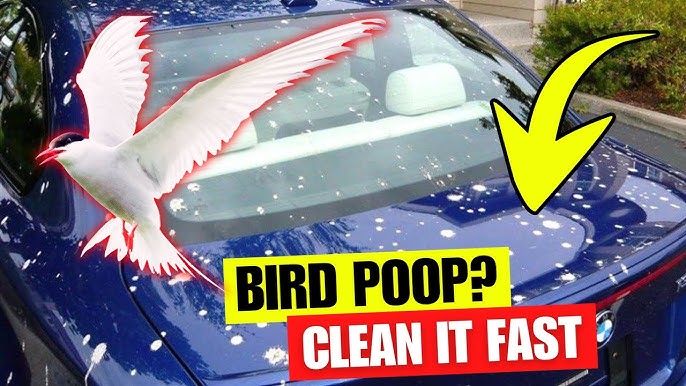
Have you ever wondered if those colorful birds outside your window could make you sick? Salmonella is a common concern when it comes to food safety, but what about the risk from birds?
Understanding whether you can get salmonella from birds is important for protecting your health and your family’s well-being. You’ll discover the facts about how salmonella spreads, what signs to watch for, and simple steps you can take to stay safe.
Keep reading to learn what you need to know and avoid unnecessary risks around birds.
Salmonella And Birds
Salmonella is a type of bacteria that can cause illness in humans. Birds can carry this bacteria without looking sick.
This makes it important to understand how birds spread Salmonella and how it can affect people.
How Birds Carry Salmonella
Birds can carry Salmonella in their intestines. They pass it in their droppings. The bacteria can live on feathers and beaks too.
Healthy birds often spread Salmonella without showing symptoms. This makes it hard to know which birds carry the bacteria.
Common Bird Species Involved
- Wild pigeons
- House sparrows
- Starlings
- Seagulls
- Pet birds like parrots and finches
These birds often live near humans or in cities. They can spread Salmonella through their droppings and contact.
Transmission To Humans
| Transmission Method | Description |
|---|---|
| Direct Contact | Touching birds or their droppings can spread Salmonella. |
| Contaminated Surfaces | Bacteria on bird droppings can infect surfaces like benches or tables. |
| Food Contamination | Bird droppings can contaminate food or water sources. |
| Inhalation | Breathing dust with dried droppings may cause infection. |
Good hygiene and avoiding contact with wild bird droppings reduce infection risk.

Credit: www.reddit.com
Symptoms Of Salmonella Infection
Salmonella infection can cause various signs in humans. These symptoms usually appear within a few hours to two days after exposure. Knowing the symptoms helps in early detection and treatment.
This infection often comes from contaminated food or contact with infected birds. Understanding the severity and possible complications is important for health safety.
Signs In Humans
People infected with Salmonella may experience a range of symptoms. The signs can vary from mild to more intense depending on the person’s health.
- Diarrhea, sometimes with blood
- Fever
- Stomach cramps
- Nausea and vomiting
- Headache
- Muscle pain
- Chills
Severity And Complications
Most people recover without treatment in about a week. But some cases become severe. Young children, older adults, and people with weak immune systems face higher risks.
| Possible Complications | Description |
|---|---|
| Dehydration | Loss of fluids from diarrhea and vomiting |
| Bacteremia | Infection spreads to the bloodstream |
| Joint Pain | Inflammation in joints after infection |
| Severe Intestinal Issues | Intestinal blockage or perforation |
| Death | Rare, but possible in very severe cases |
Risk Factors For Infection
Salmonella infection can happen if people contact birds or areas birds visit. Some birds carry salmonella without being sick. This makes it easy for the bacteria to spread.
Knowing the risk factors helps to avoid infection. Birds and their environment can cause contamination. It is important to learn how these risks happen.
Contact With Wild Birds
Wild birds often carry salmonella in their droppings. People who feed, touch, or clean areas with wild birds face higher risks. The bacteria can spread to hands or clothes easily.
- Handling wild bird feeders or nests
- Cleaning bird cages or birdbaths
- Walking in areas with bird droppings
- Touching injured or dead wild birds
Pet Birds And Salmonella
Pet birds can also carry salmonella without signs. Close contact with pet birds raises infection chances. Poor hygiene or dirty cages increase the risk further.
| Risk Factor | Description |
| Direct Contact | Touching birds or their feathers |
| Cage Cleaning | Handling bird droppings and waste |
| Bird Health | Sick birds may shed more bacteria |
| Hand Washing | Not washing hands after handling |
Environmental Contamination
Salmonella bacteria can survive in soil and water. Areas where birds gather may become contaminated. People can get infected by touching these places or consuming contaminated food or water.
Common contaminated sites include:
- Bird feeders and baths
- Outdoor patios and decks
- Garden soil and mulch
- Water sources like ponds or puddles
Cleaning and disinfecting these areas lowers risk.
Preventing Salmonella Transmission
Salmonella is a bacteria that can spread from birds to people. It can cause stomach illness and fever. Taking simple steps helps keep you safe.
Preventing Salmonella means handling birds and food carefully. Clean hands and surfaces stop the bacteria from spreading.
Safe Handling Of Birds
Always handle birds gently and avoid touching your face. Keep birds away from your mouth and eyes. Use gloves if possible when touching birds or their droppings.
Do not let birds roam in food preparation areas. Keep their cages clean and change bedding often to reduce bacteria.
- Wear gloves when handling birds
- Keep birds out of kitchens
- Clean cages regularly
- Wash hands after bird contact
Hygiene Practices
Wash your hands with soap and water after touching birds or their environment. Use warm water and scrub for at least 20 seconds.
Keep bird supplies separate from food tools. Clean and disinfect surfaces that birds or their droppings touch.
- Wash hands well after bird contact
- Use separate cleaning tools for birds
- Disinfect cages and surfaces often
- Avoid touching your face during bird care
Proper Food Preparation
Cook poultry and eggs fully to kill Salmonella bacteria. Use a food thermometer to check the right temperature.
Keep raw bird products away from other foods. Clean cutting boards, knives, and counters after use.
- Cook poultry to 165°F (74°C)
- Separate raw and cooked foods
- Clean utensils and surfaces after use
- Store food properly to avoid contamination
When To Seek Medical Help
Salmonella infection from birds can cause mild to severe symptoms. Knowing when to get medical help is important.
Most people recover without treatment, but some need medical care to avoid complications.
Recognizing Serious Symptoms
Watch for signs that show the infection is getting worse. These symptoms need urgent care.
- High fever above 102°F (39°C) lasting more than two days
- Severe stomach cramps or pain
- Persistent vomiting that prevents keeping fluids down
- Signs of dehydration like dry mouth or little urination
- Blood in stool or black, tarry stools
- Confusion or dizziness
Treatment Options
Doctors treat salmonella infections based on symptoms and severity. Mild cases often need simple care.
| Treatment | Description |
| Hydration | Drink plenty of fluids to prevent dehydration |
| Rest | Get enough rest to help the body fight infection |
| Antibiotics | Used only in severe cases or for high-risk patients |
| Hospital Care | Needed for serious symptoms or complications |
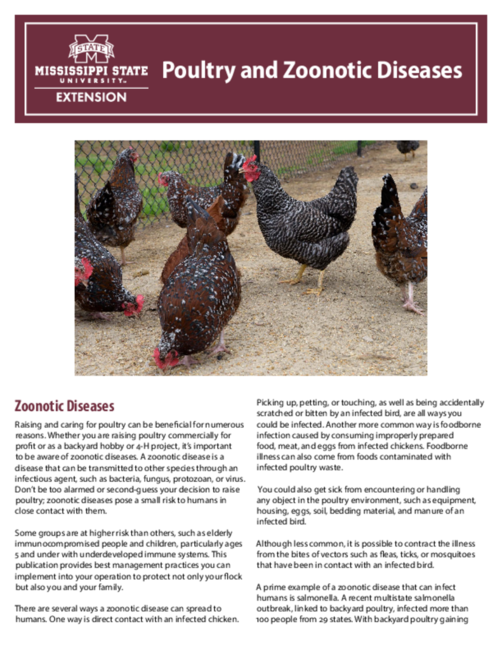
Credit: extension.msstate.edu

Credit: wdfw.medium.com
Frequently Asked Questions
Can Birds Transmit Salmonella To Humans?
Yes, birds can carry Salmonella bacteria and transmit it to humans. Contact with bird droppings or contaminated surfaces can cause infection. Proper hygiene and avoiding direct contact with wild birds reduce the risk of transmission.
What Are Common Symptoms Of Salmonella Infection?
Symptoms include diarrhea, fever, stomach cramps, and vomiting. These usually appear 6 to 72 hours after exposure. Most people recover within a week, but severe cases may require medical attention.
How Can I Prevent Salmonella From Birds?
Wash hands thoroughly after handling birds or cleaning cages. Avoid touching your face or eating without washing hands. Keep bird habitats clean and avoid contact with wild birds to minimize infection risk.
Are Pet Birds Safe From Salmonella?
Pet birds can carry Salmonella without showing symptoms. Regular vet check-ups and good hygiene practices help reduce the risk. Always wash hands after handling pet birds or their cages.
Conclusion
Humans can catch salmonella from birds through contact. Simple as that. Handling birds or their droppings increases risk. Wash hands thoroughly after touching birds. Always clean bird cages regularly. Cook poultry and eggs properly to avoid infection. Stay informed about salmonella symptoms.
Early detection helps in quick treatment. Protect yourself and your family. Simple preventive steps make a difference. Safe practices keep everyone healthy. Keep learning about bird-related risks. Knowledge is key to prevention. Stay safe, stay informed, and enjoy your feathered friends responsibly.