
Have you ever wondered if giving your birds vitamin D drops is safe or even helpful? If you care about your feathered friends, you want to make sure they get the right nutrients without any risk.
Vitamin D is important, but how do you know if drops are the best way to provide it? Keep reading to find out the truth about feeding birds vitamin D drops and how it can impact their health. This simple guide will help you make the best choice for your birds’ well-being.

Credit: www.ebay.ca
Role Of Vitamin D In Birds
Vitamin D is important for birds to stay healthy. It helps their bodies work well in many ways.
Birds get vitamin D from sunlight or from food supplements. Some people give birds vitamin D drops to support their health.
Importance For Bone Health
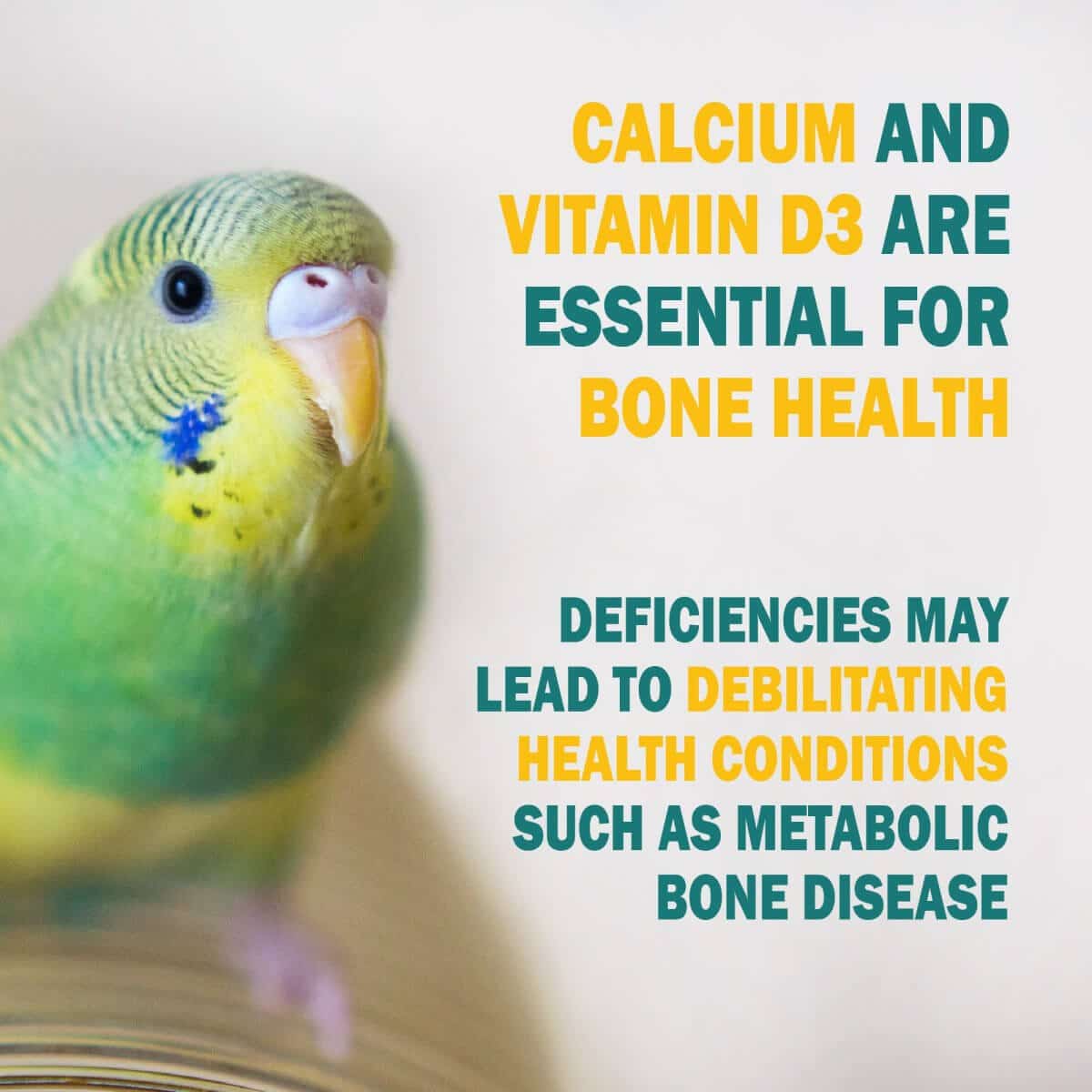
Vitamin D helps birds absorb calcium and phosphorus. These minerals build strong bones and keep them from breaking.
- Supports bone growth in young birds
- Prevents bone diseases like rickets
- Maintains bone strength in older birds
Impact On Immune System
Vitamin D helps birds fight infections. It improves the immune system by activating special cells that kill germs.
Birds with enough vitamin D recover faster from illness and stay healthier longer.
Effects On Feather Quality
Vitamin D supports healthy feathers. It helps in the growth and repair of feathers, keeping them strong and shiny.
| Feather Quality | Vitamin D Role |
| Growth | Supports new feather development |
| Strength | Prevents weak and brittle feathers |
| Appearance | Maintains shine and color |
Sources Of Vitamin D For Birds
Vitamin D is essential for birds to build strong bones and stay healthy. Birds get this vitamin in a few different ways. Knowing these sources helps keep pet birds and wild birds well-nourished.
This guide covers natural sunlight, diet, and supplements as sources of vitamin D for birds.
Natural Sunlight Exposure
Sunlight is the best natural source of vitamin D for birds. When birds are in the sun, their skin makes vitamin D. This process is very effective and helps birds get enough of this nutrient.
Birds should spend some time outside or near windows with sunlight. Too much sun can harm them, so balance is important.
Dietary Sources
Birds can also get vitamin D from the food they eat. Some foods naturally have vitamin D or are fortified with it. Including these foods supports their health.
- Egg yolks
- Fatty fish like salmon and sardines
- Fortified bird seed mixes
- Dairy products in small amounts
- Insects such as mealworms
Vitamin D Supplements
Sometimes birds need extra vitamin D. Supplements can help if they do not get enough from sunlight or food. Vitamin D drops are a common form given to birds.
| Type of Supplement | Use | Notes |
| Vitamin D Drops | Added to water or food | Follow vet dosage advice |
| Powdered Supplements | Mixed with seed or pellets | Ensure proper mixing |
| Commercial Fortified Mixes | Daily feeding | Check vitamin D levels |
Using Vitamin D Drops Safely
Vitamin D drops can help birds stay healthy by supporting their bones and immune system. Giving these drops safely is important to avoid harm.
This guide explains how to choose the right product, use the correct dose, and watch for signs of overdose in birds.
Choosing The Right Product
Select vitamin D drops made for birds or small animals. Products for humans may have too much vitamin D.
Look for drops that list the vitamin D amount per drop. This helps give the right dose safely.
- Use vitamin D3 (cholecalciferol), the best form for birds
- Avoid products with added ingredients that may harm birds
- Check expiration date and storage instructions
Correct Dosage And Administration
Give vitamin D drops according to your vet’s advice or product instructions. Too much can be harmful.
Use a dropper to measure the dose exactly. Mix drops with bird food or water for easy feeding.
- Start with the lowest dose recommended
- Give drops once a day or as directed
- Watch your bird to make sure it takes the drops
Signs Of Overdose
Too much vitamin D can cause serious health problems in birds. Watch for any unusual behavior or symptoms.
Call a vet if you see these signs after giving vitamin D drops:
- Loss of appetite
- Weakness or lethargy
- Excessive thirst or urination
- Vomiting or diarrhea
- Swollen joints or difficulty moving
Benefits Of Vitamin D Drops
Vitamin D drops can be given to birds to help their health. These drops provide a simple way to add extra nutrients.
Birds need vitamin D to stay strong and active. Feeding them vitamin D drops supports their daily needs.
Enhanced Bone Strength
Vitamin D helps birds absorb calcium from their food. Calcium is important for building strong bones and beaks.
Giving vitamin D drops can reduce the risk of bone problems and fractures in birds.
Improved Immune Response
Vitamin D supports the immune system in birds. It helps them fight off infections and stay healthy.
Birds with enough vitamin D are less likely to get sick from common diseases.
Support During Illness
Vitamin D drops can help birds recover faster from illness. It supports healing and keeps their body strong.
Birds that are sick or weak may benefit from extra vitamin D as part of their care.
Potential Risks And Precautions
Giving birds vitamin D drops can help with their health. But it is important to know the risks. Too much vitamin D can harm birds.
Careful use and understanding how vitamin D affects birds is needed. This guide explains the main risks and precautions.
Toxicity Concerns
Vitamin D is fat-soluble, so it stays in the bird’s body longer. Too much can cause toxicity. Signs include vomiting, weakness, and loss of appetite.
High doses can cause calcium build-up in organs. This can lead to kidney damage or heart problems. Always use the correct dose to avoid these issues.
Interactions With Other Supplements
Vitamin D interacts with calcium and phosphorus supplements. Too much vitamin D can increase calcium levels too much. This may cause health problems.
Check all supplements given to your bird. Avoid giving multiple products with vitamin D. Balance is important for safe feeding.
- Do not combine several vitamin D sources
- Watch calcium supplements when using vitamin D
- Keep track of all vitamins and minerals given
When To Consult A Vet
Always talk to a vet before starting vitamin D drops. They can recommend the right dose and check bird health.
Contact a vet if you see any signs of illness. Early help can prevent serious problems from vitamin D overdose.
- Before adding vitamin D drops to diet
- If bird shows vomiting or weakness
- If bird stops eating or changes behavior

Credit: www.ebay.com
Tips For Feeding Birds Vitamin D Drops
Vitamin D drops help keep birds healthy. They support bone strength and immune systems. Feeding these drops properly is important for your bird’s well-being.
Follow simple tips to add vitamin D drops safely. Watch your bird’s health closely. Adjust doses as needed to avoid problems.
Integrating Drops Into Daily Routine
Add vitamin D drops to your bird’s food or water once a day. Do it at the same time each day for consistency. Use a dropper for easy measurement.
- Mix drops into fresh water or soft food
- Offer drops during feeding times only
- Keep a daily log to track usage
- Clean feeding areas regularly
Monitoring Bird Health
Watch your bird for signs of good or poor health. Look for changes in behavior, feathers, and energy. Report any concerns to a vet.
| Sign | What to Check |
| Feather Condition | Shiny and smooth feathers show good health |
| Activity Level | Active birds usually feel well |
| Eating Habits | Normal eating means no problems |
| Droppings | Check for normal color and consistency |
Adjusting Dosage Over Time
Start with the lowest dose recommended for your bird’s size. Increase slowly if needed. Never give more than the suggested amount.
- Consult a vet before changing doses
- Watch for signs of overdose like weakness or vomiting
- Reduce dose if side effects appear
- Keep doses steady once the right amount is found

Credit: www.ebay.com
Frequently Asked Questions
Can Birds Safely Consume Vitamin D Drops?
Yes, birds can safely consume Vitamin D drops when given in correct doses. Overdosing can cause toxicity. Always follow vet guidelines for proper administration.
Why Do Birds Need Vitamin D Supplements?
Vitamin D supports birds’ bone health and calcium absorption. It helps prevent deficiencies, especially for indoor or captive birds with limited sunlight exposure.
How Often Should I Give Vitamin D Drops To Birds?
Frequency depends on species, diet, and sunlight exposure. Typically, a vet recommends daily or weekly doses to maintain healthy Vitamin D levels.
Can Vitamin D Drops Improve Bird Feather Quality?
Vitamin D indirectly supports feather health by promoting overall nutrition. It aids calcium metabolism, which is vital for strong feathers and proper molting.
Conclusion
Feeding birds vitamin D drops requires careful consideration. Birds need vitamin D for health. Yet, too much can harm them. Always consult a vet before adding supplements. They can guide dosage and frequency. Remember, natural sunlight is a great vitamin D source.
Ensure birds have access to safe, direct sunlight. Observe your birds for any changes. Healthy birds are active and alert. Any unusual behavior might indicate a problem. Proper care keeps your feathered friends thriving. Stay informed and attentive for happy, healthy birds.



