
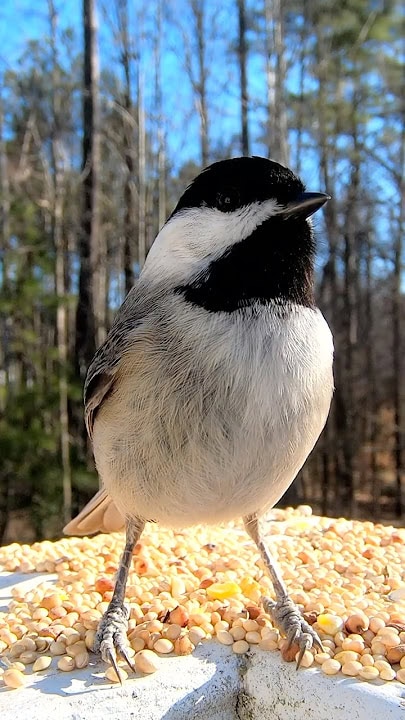
Have you ever heard a tiny bird’s cheerful call and wondered what it was? The chickadee bird call is one of nature’s most recognizable and charming sounds.
If you want to know how to identify this little bird by its unique voice, you’re in the right place. Understanding the chickadee’s call will make your time outdoors more exciting and help you connect with nature on a deeper level.
Keep reading, and soon you’ll be able to spot this delightful bird just by listening.
Chickadee Species And Habitats
Chickadees are small, friendly birds known for their distinctive calls. They live in many parts of North America.
This article explores common types of chickadees and where they like to live.
Common Chickadee Types
There are several chickadee species. Each has its own look and call.
- Black-capped Chickadee: The most common type with a black cap and bib.
- Carolina Chickadee: Found in the southeastern U.S., smaller than the black-capped.
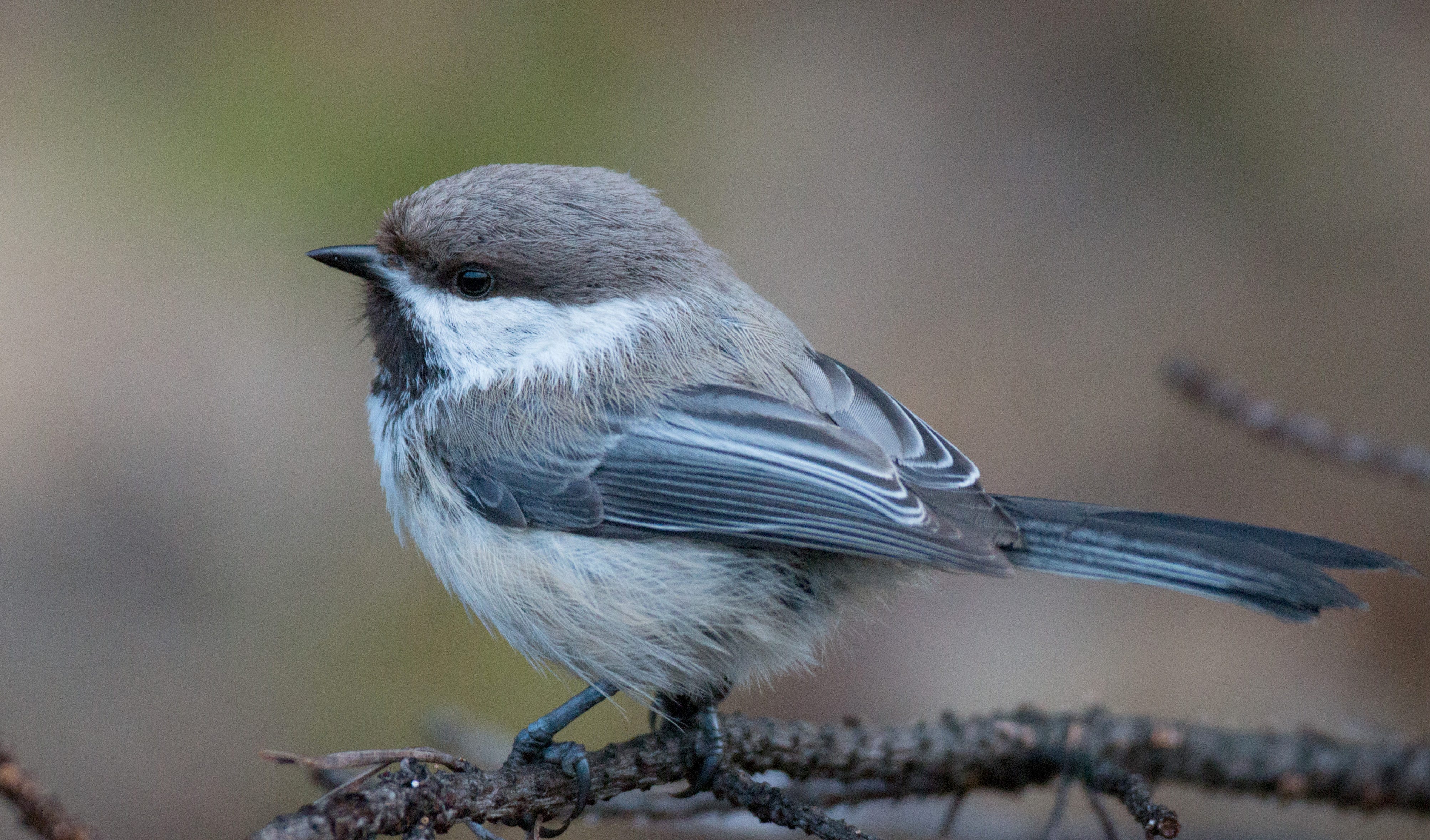
- Boreal Chickadee: Lives in northern forests with a brown cap and gray body.
- Chestnut-backed Chickadee: Has a chestnut-colored back and lives on the West Coast.
- Mexican Chickadee: Found in the mountains of Mexico and the southwestern U.S.
Preferred Living Environments
Chickadees live in forests, woodlands, and gardens. They like places with many trees.
Different species prefer different habitats based on climate and tree types.
- Black-capped Chickadee: Prefers mixed and deciduous forests.
- Carolina Chickadee: Likes oak and pine forests in warmer areas.
- Boreal Chickadee: Found in cold, coniferous forests.
- Chestnut-backed Chickadee: Lives near coastal rainforests.
- Mexican Chickadee: Lives in pine and fir forests at high elevations.
Distinctive Chickadee Calls
Chickadees are small birds known for their clear and sharp calls. Their calls help them communicate with each other.
Each chickadee has unique sounds that can tell us about their mood and environment.
Basic Call Patterns
The most common chickadee call sounds like “chick-a-dee-dee-dee.” This call warns others of danger.
They also use a clear “fee-bee” whistle, mostly during mating season to attract partners.
- “Chick-a-dee” call signals alertness or threat
- “Fee-bee” whistle is a mating call
- Calls vary in speed and tone to show different messages
Variations Across Regions
Chickadee calls change depending on where the birds live. Different areas have slightly different sounds.
Birds in northern regions tend to have more complex calls than those in the south.
- Northern chickadees use longer “dee” notes
- Southern chickadees have shorter, simpler calls
- Regional calls help birds recognize neighbors
Purpose Behind The Calls
Chickadee birds use their calls for different reasons. These sounds help them survive and live together.
Their calls can tell other birds about food, danger, or their mood. Each call has a clear meaning.
Communication And Social Interaction
Chickadees use calls to talk with other birds. These sounds help keep the group connected.
They call to find mates, keep friends close, and share news about food or weather.
- Calling to attract a mate
- Keeping in touch with flock members
- Sharing information about food sources
Warning Signals And Alarm Calls
Chickadees use special calls to warn about danger. These alarm calls help protect the group.
The calls can mean different threats, like a predator nearby or other risks.
- High-pitched calls signal flying predators
- Sharp sounds warn of ground threats
- Alarm calls cause birds to hide or watch closely
Credit: alaskausfws.medium.com
How To Identify Chickadee Calls
Chickadees are small birds with clear, distinct calls. Learning their sounds helps you spot them in nature.
Their calls are simple but unique. Recognizing these sounds is a fun skill for bird watchers.
Listening Tips For Beginners
Start by finding a quiet outdoor spot where chickadees live. Close your eyes and listen carefully.
Focus on short, clear sounds. Chickadees often say “chick-a-dee-dee-dee” or a simple “fee-bee.”
- Listen for repeated patterns in their calls
- Try to hear the different tones and notes
- Practice listening daily to get familiar with their sounds
Tools For Bird Call Recognition
Use apps and websites that play bird calls. These tools help you compare sounds in the wild.
Some tools show visual sound waves. These help you see the pitch and rhythm of chickadee calls.
- Bird call apps with recorded chickadee sounds
- Audio recorders to capture calls yourself
- Field guides with sound descriptions and images
Seasonal Changes In Bird Calls
Chickadee birds change their calls with the seasons. These changes help them communicate for different needs.
Bird calls vary in sound and purpose during the year. Understanding these changes helps us learn about their behavior.
Mating Season Songs
During mating season, chickadees sing more to attract mates. Their songs become longer and more complex.
The male chickadee uses different notes to show strength and health. This helps females choose a good partner.
- Songs include varied pitches and rhythms
- Calls signal territory to other males
- Singing increases in early spring
Calls During Winter Months
In winter, chickadee calls are short and simple. They use calls to keep the flock together and find food.
These calls warn of danger and help birds stay safe in cold weather. The tone is sharper and more direct.
- Short “chick-a-dee” calls for group communication
- Warning calls for predators
- Calls help with keeping warm by staying close

Credit: www.eastsideaudubon.org
Impact Of Environment On Calls
Chickadee bird calls change depending on their surroundings. The environment affects how they communicate.
Different factors like noise and habitat quality shape their calls. These changes help chickadees survive.
Effect Of Urban Noise
Urban noise makes it hard for chickadees to hear each other. They change their calls to be louder and higher.
These changes help calls stand out against traffic and city sounds. Still, noise can make communication less clear.
- Calls become louder to compete with noise
- Pitch rises to avoid low-frequency sounds
- Calls may be shorter or repeated more
Role Of Habitat Quality
Good habitat means more safe places and food for chickadees. This helps them use normal calls.
Poor habitats force birds to change calls. They may call more to stay in touch or warn about dangers.
- Healthy habitat supports clear, natural calls
- Damaged habitat causes frequent and urgent calls
- Dense trees improve call clarity by reducing noise
Enjoying Chickadee Songs In Nature
Chickadees are small birds known for their clear, cheerful calls. Listening to their songs can bring calm and joy. These birds sing many different sounds that are easy to recognize.
Spending time outdoors to hear chickadee calls helps you connect with nature. Their sounds often signal safety and make the forest feel alive.
Best Times And Places To Listen
Early morning is the best time to hear chickadees sing. They are most active at sunrise and during cool parts of the day. Listen in quiet places with many trees.
Look for chickadees in parks, forests, and gardens. They like areas with dense shrubs and tall trees. Avoid noisy spots to hear their calls clearly.
- Early morning or late afternoon
- Woodlands and forest edges
- Backyards with feeders and trees
- Quiet parks and natural reserves
Recording And Sharing Bird Calls
You can record chickadee songs using a smartphone or a small recorder. Stay still and quiet to capture clear sounds. Use a windscreen on your microphone if possible.
Sharing bird calls helps others enjoy nature too. You can upload recordings to birdwatching websites or social media. Always respect wildlife and do not disturb the birds.

Credit: extension.msstate.edu
Frequently Asked Questions
What Does A Chickadee Bird Call Sound Like?
A chickadee bird call is a clear “chick-a-dee-dee-dee” sound. It varies in tone and speed. This call helps communicate warnings and social interactions among chickadees.
Why Do Chickadees Repeat Their Calls?
Chickadees repeat calls to warn others of danger. The number of “dee” notes increases with threat level. This repetition helps their flock stay alert and safe.
How Can I Identify A Chickadee By Its Call?
Listen for a distinctive “chick-a-dee-dee-dee” call. It’s sharp, clear, and rhythmic. This unique pattern distinguishes chickadees from other small birds nearby.
When Are Chickadee Calls Most Frequent?
Chickadees call most during early mornings and late afternoons. These times are active for feeding and socializing. Calls also increase during breeding and when predators are near.
Conclusion
Chickadee bird calls are easy to recognize once you listen closely. These small birds use different sounds to talk to each other. Their calls can tell you about danger or where to find food. Paying attention to their sounds makes bird watching more fun.
Next time you hear a chickadee, try to identify its call. It helps you connect with nature in a simple way. Keep practicing, and you will enjoy the peaceful sounds of these lively birds.



