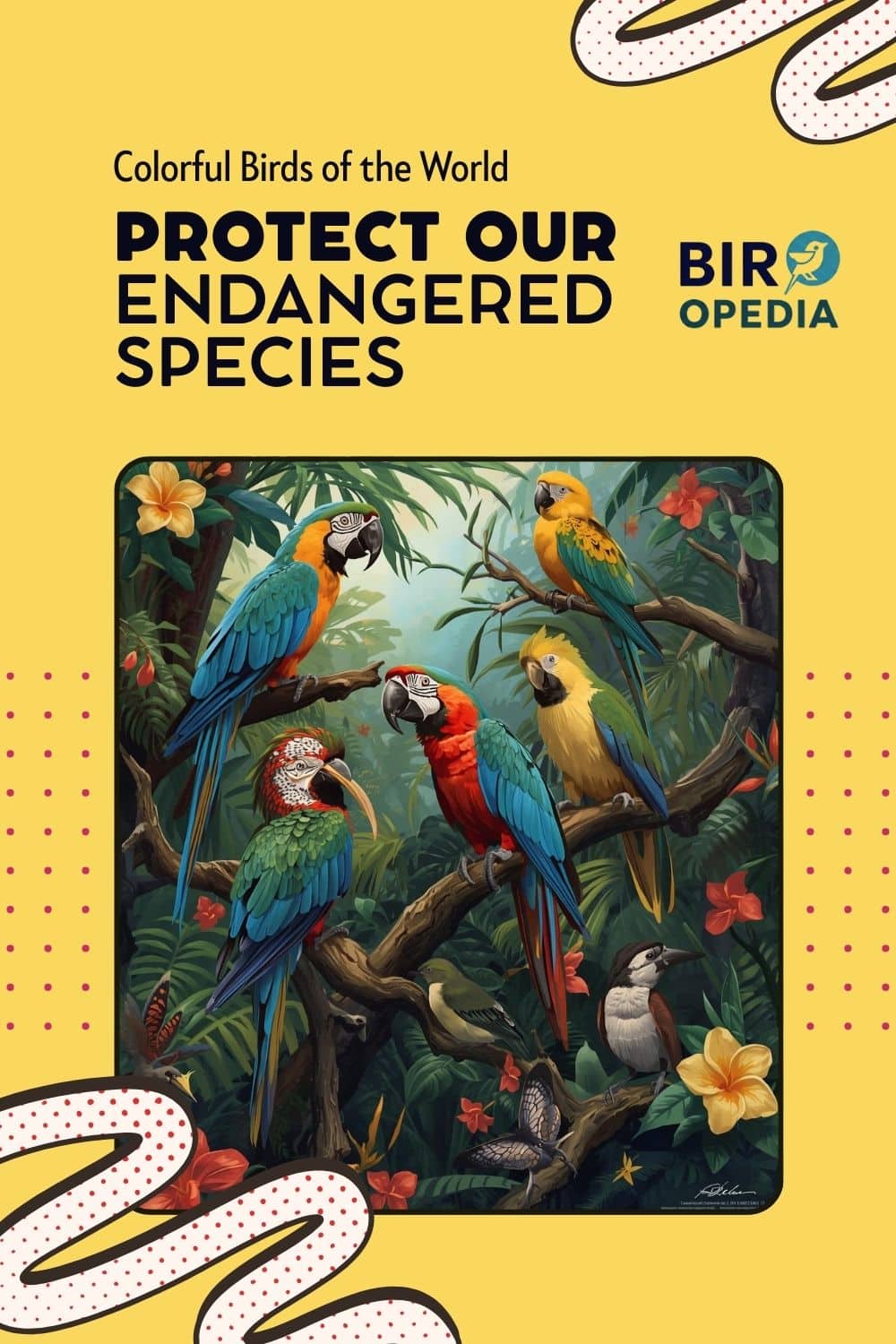
Have you ever stopped to admire the bright feathers of a bird and wondered if it might disappear one day? Colorful endangered birds are some of nature’s most stunning creatures, yet many are at risk of vanishing forever.
You might be surprised to learn how close we are to losing these vibrant symbols of beauty and life. You’ll discover which birds need your attention and why protecting them matters more than you think. Keep reading to find out how these dazzling birds can inspire you to make a difference.
Vibrant Feathers Of Endangered Birds
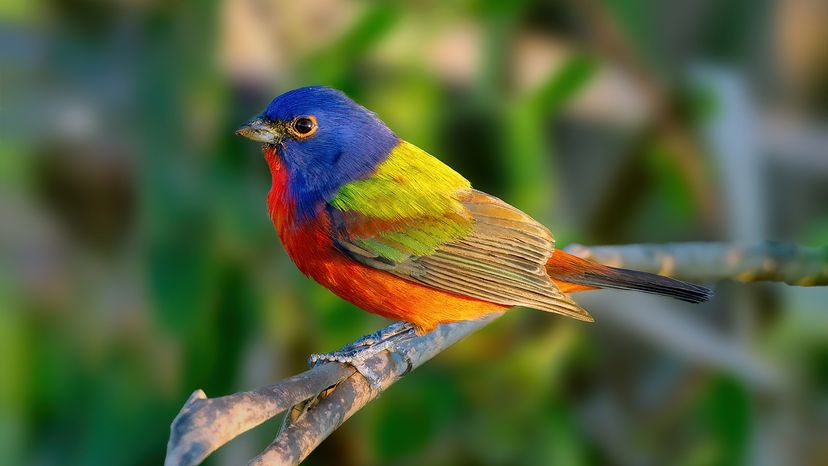
Endangered birds often have bright and colorful feathers. These colors make them unique and beautiful. Many people admire their vibrant looks.
These colors are not just for beauty. They help birds survive in many ways. Let’s explore their special color patterns and why colors matter.
Unique Color Patterns
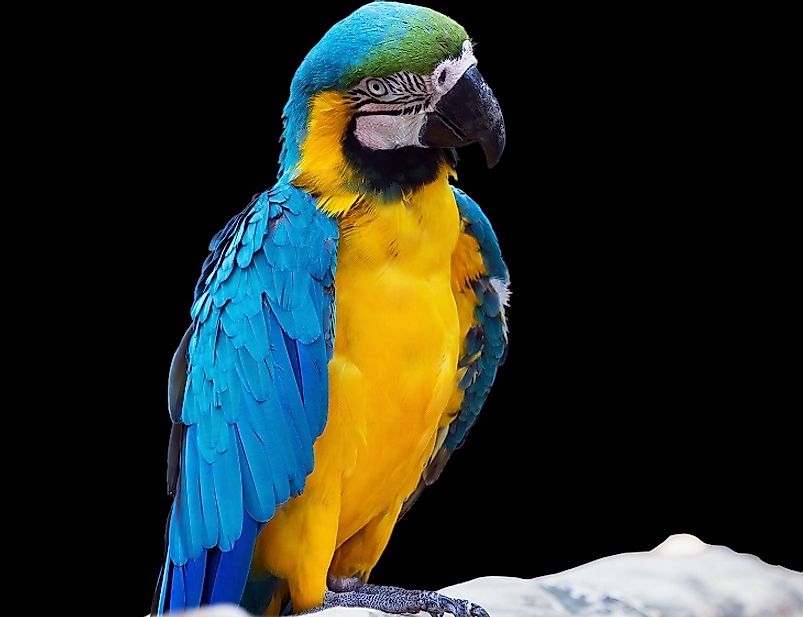
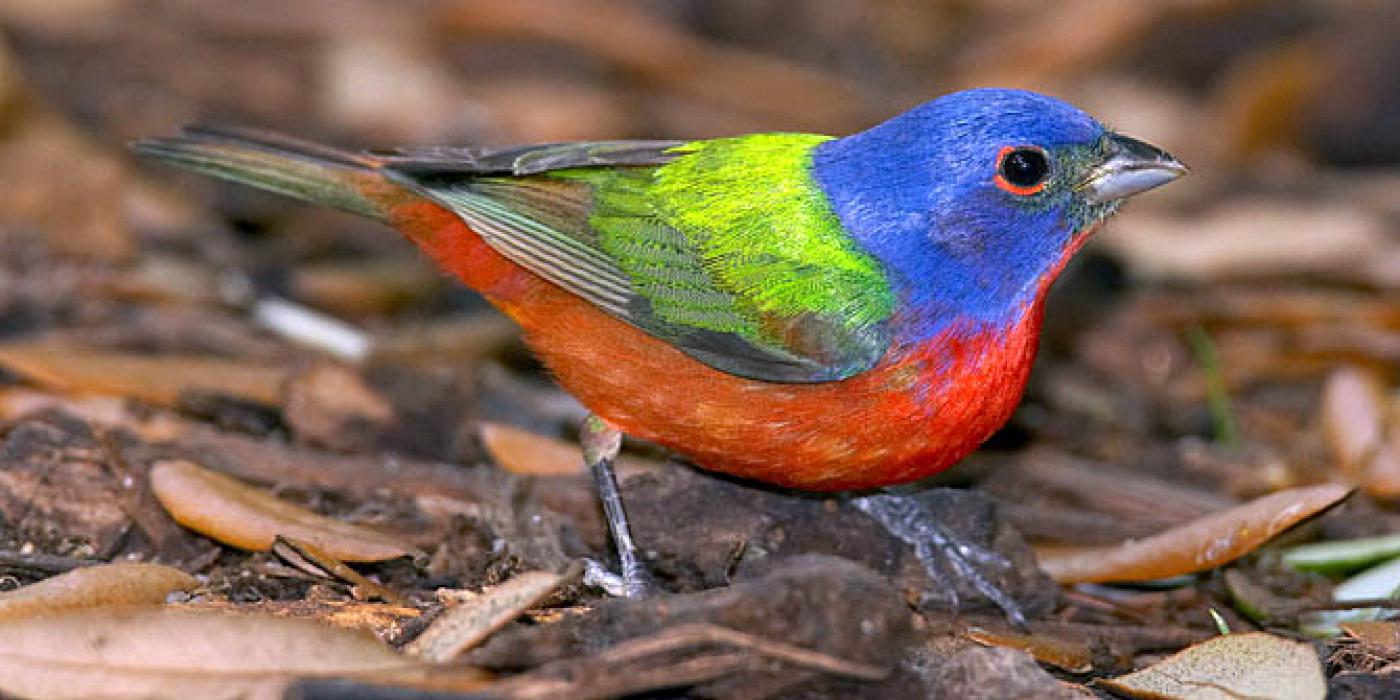
Each endangered bird has its own color pattern. Some have bright reds, blues, or yellows. Others mix many colors in a unique way.
These patterns help birds stand out or blend in. The mix of colors can show where a bird lives or what kind it is. Some patterns are found only in certain species.
- Scarlet Macaw: bright red, yellow, and blue feathers
- Resplendent Quetzal: green with red and blue highlights
- Golden Pheasant: golden yellow with red and blue spots
- Palila: yellow and brown with dark markings
Role Of Colors In Survival
Colors help birds stay safe from danger. Bright colors can warn predators that a bird is not easy to catch. Some colors help birds hide in trees or flowers.
Colors also attract mates. Birds with brighter feathers often find partners more easily. This helps the species continue to live and grow.
- Warning colors scare off enemies
- Camouflage colors hide birds from predators
- Bright feathers attract mates
- Color changes can show health or mood
Credit: www.worldatlas.com
Famous Colorful Endangered Species
Many birds show bright colors to attract mates or hide in nature. Some colorful birds are now endangered. Protecting them helps keep nature healthy.
This article talks about four famous colorful endangered birds. Each bird has unique colors and lives in special places.
Resplendent Quetzal
The Resplendent Quetzal lives in Central American forests. It has bright green and red feathers. Males have long tail feathers that shine in the sun.
This bird is a symbol of freedom and beauty. It needs old forests to live well. Cutting trees threatens its home and survival.
Hyacinth Macaw
The Hyacinth Macaw is the largest flying parrot. It has bright blue feathers and a yellow ring around its eyes. It lives in South America.
This bird eats nuts and uses strong beaks to crack them. Loss of habitat and illegal pet trade put it at risk. Conservation helps keep their numbers up.
Golden Pheasant
The Golden Pheasant is known for its bright yellow and red feathers. It lives in forests of China. Males show off bright colors to attract females.
Its colorful feathers make it a target for hunters. Protecting its forest home is important for its survival.
Wilson’s Bird-of-paradise
Wilson’s Bird-of-Paradise lives in Indonesian rainforests. It has a mix of bright blue, red, green, and yellow feathers. Its colors shine during courtship dances.
This bird needs clean forest areas. Logging and habitat loss cause its numbers to fall. Protecting forests helps this bird thrive.
Threats Facing Colorful Birds
Colorful endangered birds face many dangers. These threats put their survival at risk.
Understanding these threats helps us protect these beautiful birds better.
Habitat Loss
Many colorful birds lose their homes because forests are cut down. This leaves them with less space to live and find food.
Urban growth and farming also destroy important bird habitats. Without safe places, birds cannot breed well.
- Deforestation reduces nesting areas
- Farming replaces natural plants
- Urban areas force birds to move
Illegal Trade
Some colorful birds are captured to sell as pets. This illegal trade lowers their wild population fast.
Birds taken from the wild often suffer and die. This trade also harms the whole ecosystem.
- Birds are caught for their feathers
- Pet trade removes breeding birds
- Illegal sales often happen in secret
Climate Change Effects
Climate change changes the weather and food availability for birds. Some birds cannot adapt quickly enough.
Rising temperatures and storms destroy nests and reduce survival rates. This causes fewer young birds to grow up.
- Changing seasons affect food supply
- Extreme weather harms nests and eggs
- Birds move to new areas, facing risks
Credit: nationalzoo.si.edu
Conservation Success Stories
Many colorful endangered birds are making a strong comeback. Efforts by people worldwide help protect these birds.
Saving these birds takes care, time, and teamwork. Different actions help bring their numbers up again.
Breeding Programs
Breeding programs help increase bird numbers in safe places. Scientists raise birds in captivity to protect them.
These programs release young birds into the wild. This helps rebuild wild populations slowly but surely.
- Careful selection of healthy birds
- Safe breeding environments
- Monitoring bird health
- Releasing birds to natural habitats
Habitat Restoration
Birds need safe homes with food and shelter. Habitat restoration fixes damaged areas where birds live.
Planting native trees and cleaning waterways helps birds find food. Restored habitats support more bird families.
- Removing invasive plants
- Replanting native trees and shrubs
- Cleaning rivers and lakes
- Protecting nesting areas
Community Involvement
Local people play a big role in saving birds. They watch birds and report problems to experts.
Communities join in planting trees and stopping hunting. Their care helps birds live safely near homes.
- Bird watching and reporting
- Helping plant trees and flowers
- Stopping illegal hunting
- Teaching children about birds
How You Can Help
Colorful endangered birds need our help to survive. Many of these birds face threats like habitat loss and pollution.
Everyone can play a part in protecting these beautiful birds. Small actions can make a big difference.
Supporting Conservation Groups
Conservation groups work hard to save endangered birds. They protect habitats and run breeding programs.
You can support these groups by donating money or volunteering your time. Your help allows them to keep their work going.
- Donate to trusted bird conservation organizations
- Volunteer in local bird protection projects
- Participate in bird monitoring and data collection
Promoting Awareness
Sharing information about endangered birds helps others learn why they matter. Awareness can inspire more people to help.
You can talk about birds on social media, at school, or with friends. Teaching children about birds creates future protectors.
- Share facts and photos of colorful endangered birds
- Organize or join local bird education events
- Encourage others to respect bird habitats
Responsible Ecotourism
Visiting bird habitats can support local economies. It also encourages people to keep these places safe.
When you go birdwatching, follow rules to protect the birds. Stay on paths and avoid loud noises.
- Choose eco-friendly tours with trained guides
- Respect wildlife and do not disturb nests
- Support local communities that protect birds
Credit: animals.howstuffworks.com
Frequently Asked Questions
What Are Some Colorful Endangered Birds?
Colorful endangered birds include the Kakapo, Hyacinth Macaw, and Spix’s Macaw. These birds are known for their vibrant plumage and unique appearances. Habitat loss and poaching are major threats to their survival. Conservation efforts are crucial to protecting these stunning species and ensuring their future in the wild.
Why Are Colorful Birds Endangered?
Colorful birds are endangered due to habitat destruction, illegal trade, and climate change. Deforestation and urbanization reduce their natural habitats. Poaching for the pet trade is another significant threat. Climate change affects their food sources and nesting sites. Conservation efforts are essential to preserving these species.
How Can We Protect Endangered Birds?
We can protect endangered birds by supporting conservation efforts and habitat restoration projects. Reducing deforestation and enforcing anti-poaching laws are crucial steps. Educating communities about the importance of biodiversity helps raise awareness. Supporting organizations that work to protect bird habitats also makes a significant impact.
Where Can You See Colorful Endangered Birds?
Colorful endangered birds can be seen in protected reserves and national parks worldwide. Some zoos and aviaries also have breeding programs for these species. Visiting these places supports conservation efforts. Always choose ethical wildlife tours that prioritize the well-being of the animals and their habitats.
Conclusion
Colorful endangered birds show nature’s beauty and fragility. Protecting their homes helps save many species. Each bird lost means less color in our world. Small actions by people can make big changes. Protect their forests, stop pollution, and spread awareness.
These birds need our care to survive and thrive. Let’s keep their colors bright for future generations. Everyone can help protect these amazing creatures today.