
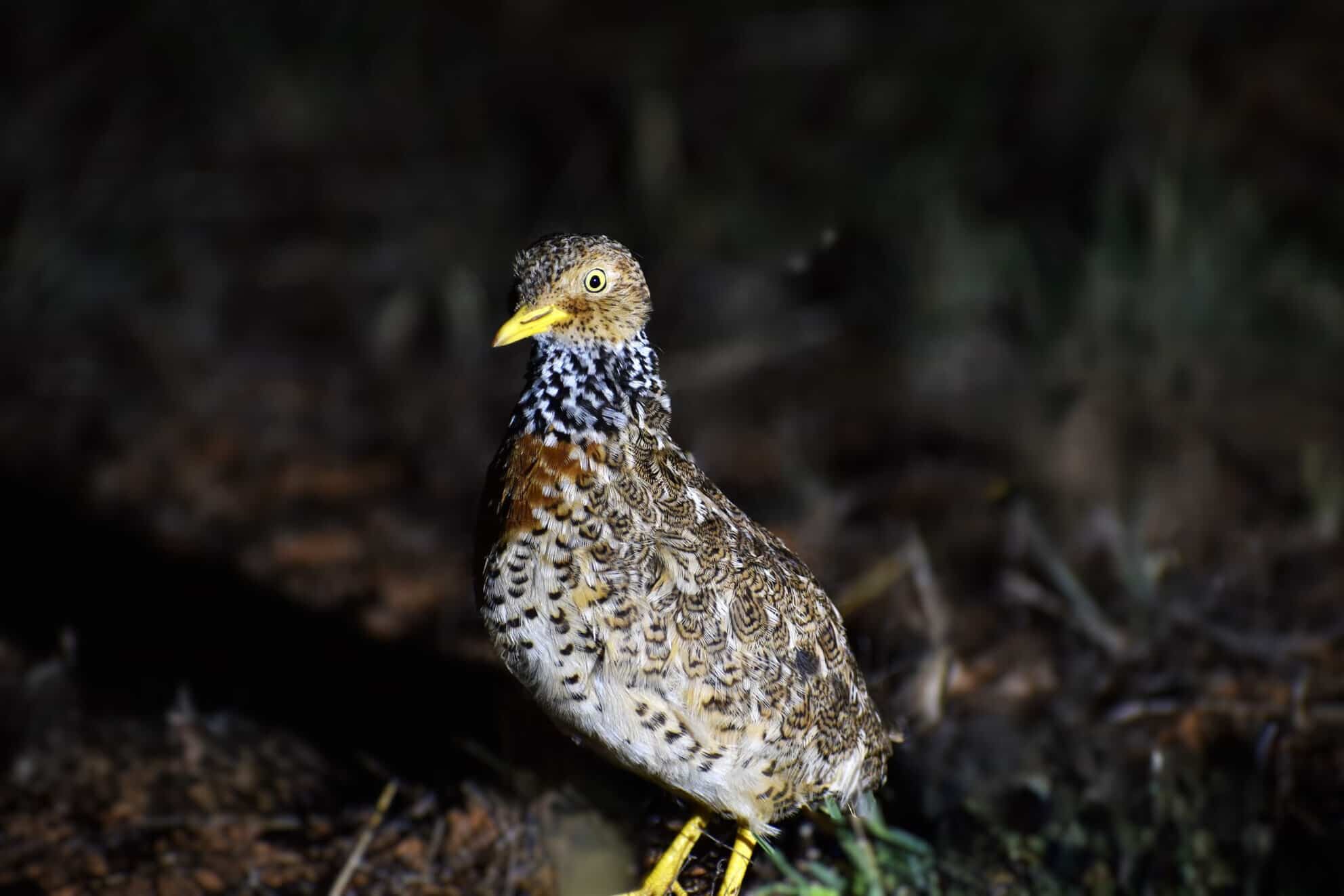
Have you ever wondered which birds are hanging by a thread, fighting for survival right now? The world’s most endangered birds are closer to disappearing than you might think.
These fragile creatures need your attention because their loss isn’t just a loss for nature—it’s a warning sign for all of us. By learning about these rare birds, you’ll discover why they matter and how your actions can make a real difference.
Keep reading to find out which beautiful birds need your help the most.
Rare Birds On The Brink
Many bird species face the risk of extinction today. These rare birds live in small numbers and struggle to survive.
Protecting these birds is important to keep nature balanced. We must understand what harms them the most.
Critically Endangered Species
Critically endangered birds have very few individuals left. Some live only in small areas or special habitats.
Examples include the Kakapo from New Zealand and the California Condor in the USA. Both need urgent care to survive.
- Kakapo: A flightless parrot with less than 250 birds left.
- California Condor: A large vulture with around 500 birds remaining.
- Spoon-billed Sandpiper: A small shorebird with under 800 birds left.
Factors Driving Decline
Bird populations drop because of many human actions and natural causes. Habitat loss is the biggest threat.
Other problems include hunting, pollution, and climate change. These make survival harder for rare birds.
- Deforestation destroys homes and food sources.
- Illegal hunting reduces bird numbers quickly.
- Pollution poisons water and air birds depend on.
- Climate change alters weather and breeding seasons.

Credit: theconversation.com
Habitats At Risk
Many birds face danger because their homes are disappearing. Habitats provide food, shelter, and breeding areas.
When habitats shrink or change, birds struggle to survive. Understanding these risks helps protect them.
Loss Of Natural Habitats
Human activities destroy forests, wetlands, and grasslands. This loss leaves birds with fewer places to live.
Building cities, farming, and logging reduce natural areas quickly. Birds lose food sources and safe nests.
- Deforestation removes tree homes
- Wetland drainage cuts water supply
- Urban growth fragments bird habitats
Impact Of Climate Change
Climate change shifts weather patterns and seasons. Birds may not find food or nesting sites at the right times.
Rising temperatures also change habitats. Some birds must move far to survive or face extinction.
- Warmer temperatures affect breeding cycles
- Storms and droughts destroy habitats
- Sea level rise floods coastal bird areas
Conservation Success Stories
Many bird species face extinction due to habitat loss and hunting. Conservation efforts help save these birds from disappearing forever.
People and organizations work hard to protect endangered birds. Some methods show great results and bring hope for the future.
Captive Breeding Programs
Captive breeding means raising birds in safe places like zoos or special centers. This helps increase their numbers.
Once there are enough birds, some are released back into the wild. This helps rebuild wild populations.
- The California Condor population grew from just 27 birds in 1987.
- The Mauritius Kestrel rose from less than 10 birds in the 1970s.
- Many rare parrots, like the Kakapo, benefit from captive breeding.
Community-led Efforts
Local communities protect birds by watching their nests and stopping hunters. They learn why birds are important.
People plant trees and restore habitats. They also teach others to care for nature and birds.
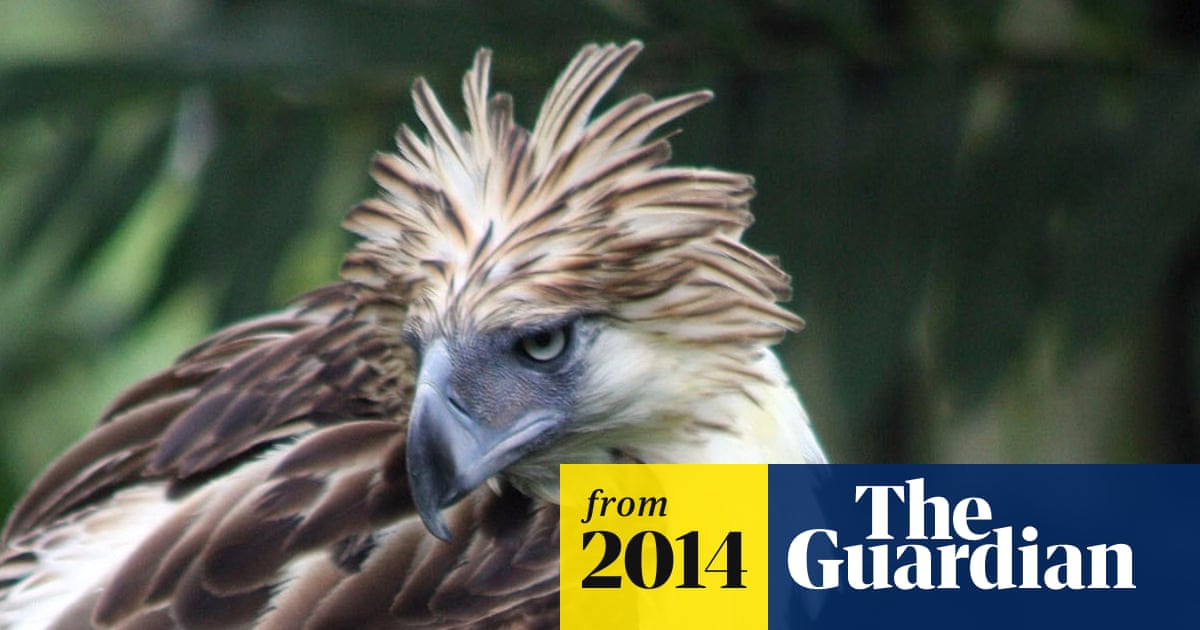
- In the Philippines, villagers protect the Philippine Eagle nests.
- In New Zealand, Maori groups help save the Kiwi bird.
- In Africa, communities guard the Grey Crowned Crane.

Credit: www.wildlifenomads.com
Threats From Human Activity
Many bird species face danger because of human actions. These actions hurt their homes and lives.
People often do not see the harm they cause. This makes birds more at risk of extinction.
Illegal Wildlife Trade
The illegal wildlife trade means buying and selling birds without permission. This trade harms many rare birds.
Birds are caught for pets, feathers, or food. This reduces their wild populations quickly.
- Rare birds become harder to find in nature
- Many birds die during capture or transport
- Illegal trade breaks natural breeding cycles
- It encourages more crime and corruption
Pollution And Pesticides
Pollution in air, water, and soil can poison birds. Pesticides kill insects birds eat, causing food shortages.
Birds can also eat poisoned prey or drink dirty water. This weakens their health and lowers survival rates.
- Air pollution damages bird lungs and feathers
- Water pollution harms fish and amphibians birds eat
- Pesticides reduce insect food sources
- Toxic chemicals build up in bird bodies
How Technology Helps
Many bird species face danger and risk extinction. Technology helps scientists protect these birds. It gives new tools to study and save them.
With smart devices and data, people can watch birds closely. This makes it easier to know what birds need to survive and grow.
Tracking And Monitoring
Technology allows researchers to track birds in real time. Small GPS devices attached to birds show their movement and habits.
This helps find important places like nesting spots and feeding areas. It also shows if birds face dangers like predators or habitat loss.
- GPS trackers follow bird migration routes
- Motion sensors detect bird activity
- Camera traps record bird behavior secretly
Data-driven Conservation
Big data helps scientists understand bird populations and threats. They use computers to analyze large amounts of information.
This data shows patterns like population decline or effects of climate change. It helps plan actions to protect birds more effectively.
- Data models predict future bird populations
- Satellite images show habitat changes
- Databases store bird sighting records
Ways To Support Bird Protection
Many bird species face the risk of extinction. People can help protect these birds in different ways.
Supporting bird protection helps keep nature balanced and beautiful for future generations.
Supporting Conservation Groups
Conservation groups work hard to save endangered birds. They protect habitats and run rescue programs.
You can support these groups by donating money or volunteering your time. Your help can fund important projects.
- Donate to trusted bird conservation organizations
- Volunteer for local bird protection activities
- Share information about endangered birds with others
- Attend events that raise awareness for bird safety
Promoting Sustainable Practices
Sustainable practices reduce harm to bird habitats. They help keep the environment safe for birds to live.
Using natural resources carefully and avoiding pollution can protect bird homes and food sources.
- Use less plastic to prevent pollution
- Support farms that protect wildlife
- Plant native trees and flowers in your garden
- Reduce pesticide use to keep insects safe for birds
Credit: www.theguardian.com
Frequently Asked Questions
What Causes Birds To Become Endangered?
Habitat loss, climate change, hunting, and pollution are main causes. These factors reduce food and nesting areas. Conservation efforts focus on protecting habitats and controlling threats to prevent extinction.
Which Are The Most Endangered Bird Species?
Some critically endangered birds include the Kakapo, California Condor, and Philippine Eagle. These species face severe population decline and need urgent protection to survive.
How Can We Help Protect Endangered Birds?
Supporting wildlife reserves, reducing pollution, and raising awareness helps. Avoiding habitat destruction and illegal trade also plays a crucial role in bird conservation.
Why Is Bird Conservation Important For Ecosystems?
Birds contribute to pest control, pollination, and seed dispersal. Their loss disrupts ecological balance and affects other species, including humans. Protecting birds preserves biodiversity and healthy ecosystems.
Conclusion
Protecting endangered birds matters to us all. These birds need safe homes and clean environments. Small actions can help save their lives. Plant trees, reduce pollution, and respect nature. Every effort counts, no matter how small. Together, we can keep these birds flying free.
Let’s care for our planet and its creatures. The future of many birds depends on us. Act now to make a difference today.



