
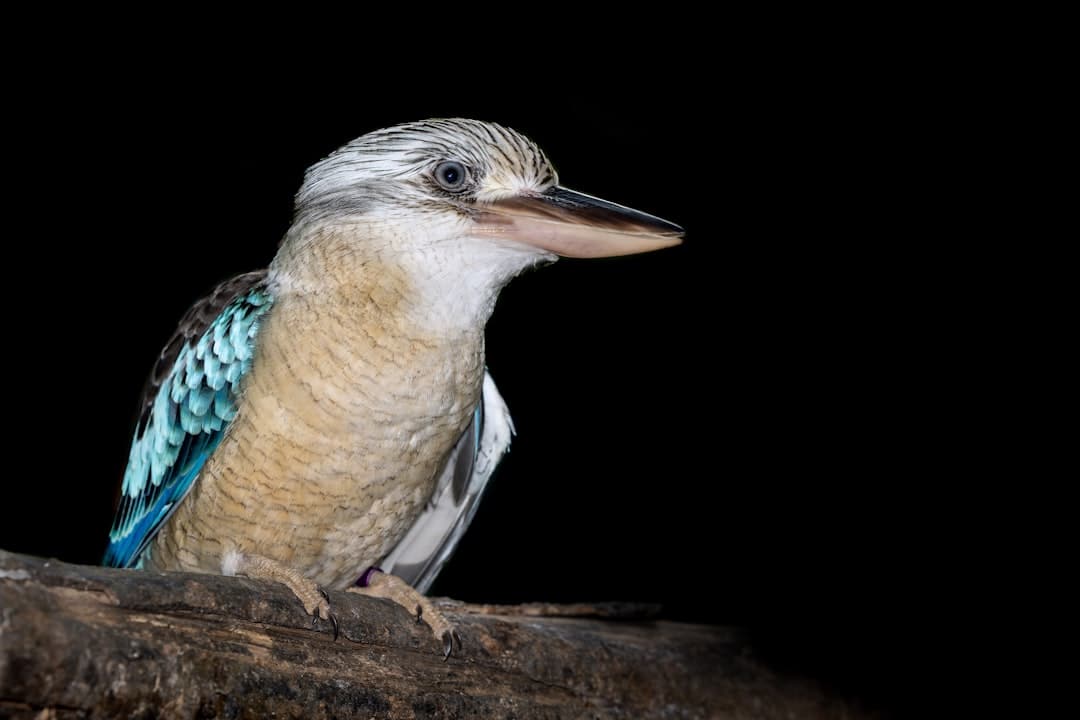
Have you ever wondered what it would feel like to see a bird that might vanish forever? Critically endangered birds are on the edge of disappearing from our planet.
These unique creatures need your attention now more than ever. You’ll discover which birds are in the most danger, why their survival matters, and how you can help protect them. Keep reading—your awareness could make a real difference.

Credit: www.wildlifenomads.com
Global Status Of Critically Endangered Birds
Critically endangered birds face an extremely high risk of extinction. These birds are found worldwide but are very few in number. Protecting them is important for biodiversity.
Many species have lost most of their habitat. Conservation efforts are urgent to save these birds from disappearing forever.
Current Population Trends
Most critically endangered birds have declining populations. Their numbers drop each year due to various pressures. Some species have fewer than 50 individuals left.
- Small populations limit breeding success
- Some birds face local extinction
- Population recovery is slow without help
Key Threat Factors
Habitat loss is the main threat to these birds. Deforestation, farming, and urban growth destroy their homes. Illegal hunting also harms some species.
Pollution and climate change create additional problems. These threats reduce food supply and nesting areas. Invasive species can also compete or prey on native birds.
- Habitat destruction
- Illegal hunting and trade
- Pollution and climate change
- Invasive species
Regions With Highest Risks
Tropical rainforests in South America and Southeast Asia have many critically endangered birds. Islands also have high risks due to limited habitats and invasive species.
Africa and Oceania regions show growing threats from human activities. Conservation focus in these areas can help protect many species.
- South America tropical forests
- Southeast Asia rainforests
- Island ecosystems worldwide
- Africa and Oceania regions
Iconic Critically Endangered Bird Species
Many bird species face the risk of extinction. Some are well known for their unique traits and critical status.
This article highlights three iconic birds that are critically endangered. Each bird has a special story and place in the world.
The Kakapo Of New Zealand
The Kakapo is a large, flightless parrot found only in New Zealand. It is known for its green feathers and owl-like face.
This bird is nocturnal and very rare, with fewer than 250 alive today. Conservation efforts help protect and increase its numbers.
The California Condor
The California Condor is one of the largest flying birds in North America. It has a wingspan up to 10 feet wide.
This vulture helps clean the environment by eating dead animals. Its population dropped to just 27 in the 1980s.
- Wingspan: up to 3 meters (10 feet)
- Diet: carrion (dead animals)
- Habitat: western United States
- Population recovery ongoing
The Spix’s Macaw
The Spix’s Macaw is a bright blue parrot from Brazil. It is famous for its striking color and rarity.
This bird is extinct in the wild but survives in captivity. Efforts focus on breeding and reintroducing it to nature.
Human Impact And Habitat Loss
Many bird species face danger because humans change their homes. These changes make it hard for birds to live and find food.
Habitat loss and pollution cause many birds to become critically endangered. We must understand these issues to help protect them.
Deforestation Effects
Cutting down trees removes the homes of many birds. Forest birds lose places to nest and find food. This makes their survival hard.
Deforestation also breaks large forests into small patches. Birds may not travel between these patches, reducing their chance to survive.
- Loss of nesting sites
- Less food available
- Smaller, isolated habitats
- Higher risk of predators
Urbanization And Pollution
Building cities replaces natural lands with concrete. Birds lose their natural homes and food sources. Noise and light pollution also disturb birds.
Pollution from cars and factories poisons air and water. Birds breathe polluted air and eat contaminated food. This harms their health and breeding success.
- Habitat destruction by buildings
- Noise and light disturb birds
- Air and water pollution harm health
- Less food and clean water
Climate Change Consequences
Climate change changes weather patterns and temperatures. Birds may find their habitats too hot or dry. This forces them to move or face death.
Some birds rely on specific seasons for breeding and feeding. Climate change can change these seasons, causing food shortages and fewer chicks.
- Loss of suitable habitat
- Changes in food availability
- Shifted breeding seasons
- Increased risk of extreme weather

Credit: theconversation.com
Conservation Efforts In Action
Many bird species face the risk of extinction. Conservation helps protect these critically endangered birds.
People and groups work hard to save these birds and their habitats. Efforts include protected areas, breeding, and education.
Protected Areas And Reserves
Protected areas keep bird habitats safe from harm. These places stop hunting and habitat destruction.
Reserves give birds space to live and breed. They help keep bird populations stable.
- National parks and wildlife reserves
- Strict rules to prevent logging and farming
- Monitoring bird populations regularly
Captive Breeding Programs
Captive breeding helps increase bird numbers. Birds are raised safely in zoos or centers.
Once strong, birds return to the wild. This method saves birds that might disappear forever.
- Careful breeding of endangered species
- Training birds to survive in nature
- Releasing birds into protected habitats
Community Involvement And Education
People learn why birds need help. Education spreads awareness about endangered birds.
Communities join to protect birds. Local support improves conservation success.
- Workshops and school programs about birds
- Community bird watching and reporting
- Encouraging local rules to protect birds
Challenges In Bird Conservation
Many bird species face serious risks of extinction. Protecting these birds is difficult because of many challenges.
Understanding these problems helps us find better ways to save critically endangered birds.
Funding And Resource Limitations
Money for bird conservation is often scarce. Many projects lack enough funds to work well.
Without enough resources, it is hard to protect habitats or run education programs.
- Limited funds reduce habitat restoration efforts
- Staff and equipment shortages slow down research
- Conservation groups compete for the same money
Illegal Wildlife Trade
Many endangered birds are hunted or captured illegally. This trade harms wild populations greatly.
Trading birds can be very profitable, making it hard to stop the criminals involved.
- Birds are sold as pets or for decoration
- Illegal trade spreads diseases to wild birds
- Law enforcement often lacks the tools to stop trade
Balancing Development And Preservation
Building roads, farms, and cities destroys bird habitats. People need land, but birds need homes.
Finding ways to grow while saving nature is a big challenge in bird conservation.
- Urban growth often removes important nesting areas
- Farming can change the food sources for birds
- Planning is needed to protect key habitats during development
How Individuals Can Help
Many bird species face the risk of extinction. People can make a difference in saving these birds. Small actions add up to big impacts for nature.
Everyone can help protect critically endangered birds by supporting efforts to save them. Learning and acting is the first step.
Supporting Conservation Organizations
Conservation groups work hard to protect birds and their homes. These groups need support from individuals to continue their work.
You can help by donating money or volunteering your time. Even small donations help fund important projects that save birds.
- Donate to trustworthy bird conservation groups
- Volunteer for bird counts or habitat restoration
- Join local or online bird protection communities
Creating Bird-friendly Habitats
Birds need safe places to live and find food. You can help by making your garden or yard bird-friendly.
Plant native trees and shrubs that provide shelter and food. Avoid using harmful pesticides that hurt birds and insects.
- Grow native plants and flowers for food and cover
- Provide fresh water for drinking and bathing
- Keep cats indoors or supervised to protect birds
- Build or install birdhouses for nesting
Promoting Awareness And Advocacy
Sharing information about endangered birds helps others learn why they need protection. Awareness leads to action.
Talk to friends, family, and community members about bird conservation. Support laws and policies that protect birds and their habitats.
- Share facts about birds on social media or in your community
- Attend or organize talks and events about bird conservation
- Contact local leaders to support bird-friendly policies
- Encourage schools to include bird education programs
Credit: owlcation.com
Frequently Asked Questions
What Does “critically Endangered” Mean For Birds?
“Critically endangered” is the highest risk category for wild species. It means a bird faces an extremely high risk of extinction in the wild. Such species have drastically reduced populations or habitats, making conservation efforts crucial for their survival.
How Many Critically Endangered Birds Exist Today?
As of 2023, there are approximately 220 bird species listed as critically endangered. This number varies as new assessments are made. Conservation organizations like BirdLife International update this list regularly, highlighting the urgent need for protective measures.
What Causes Birds To Become Critically Endangered?
Habitat loss, climate change, and poaching are major causes of endangerment. Deforestation and urbanization destroy natural habitats. Climate change alters ecosystems, affecting food sources. Illegal hunting and trade further threaten their survival.
How Can We Help Critically Endangered Birds?
Supporting conservation efforts and spreading awareness can help. Donate to organizations working to protect these species. Participate in local conservation projects. Reducing plastic use and advocating for sustainable practices also contribute to preserving bird habitats.
Conclusion
Protecting critically endangered birds is urgent and important. These birds face many dangers every day. Loss of homes and hunting hurt their numbers. We can help by saving their habitats and spreading awareness. Small actions make a big difference for these birds.
Each species plays a role in nature’s balance. Saving them means saving our planet’s health. Let’s act now to keep these birds alive. Their future depends on our care and effort. Together, we can give these birds a better chance.



