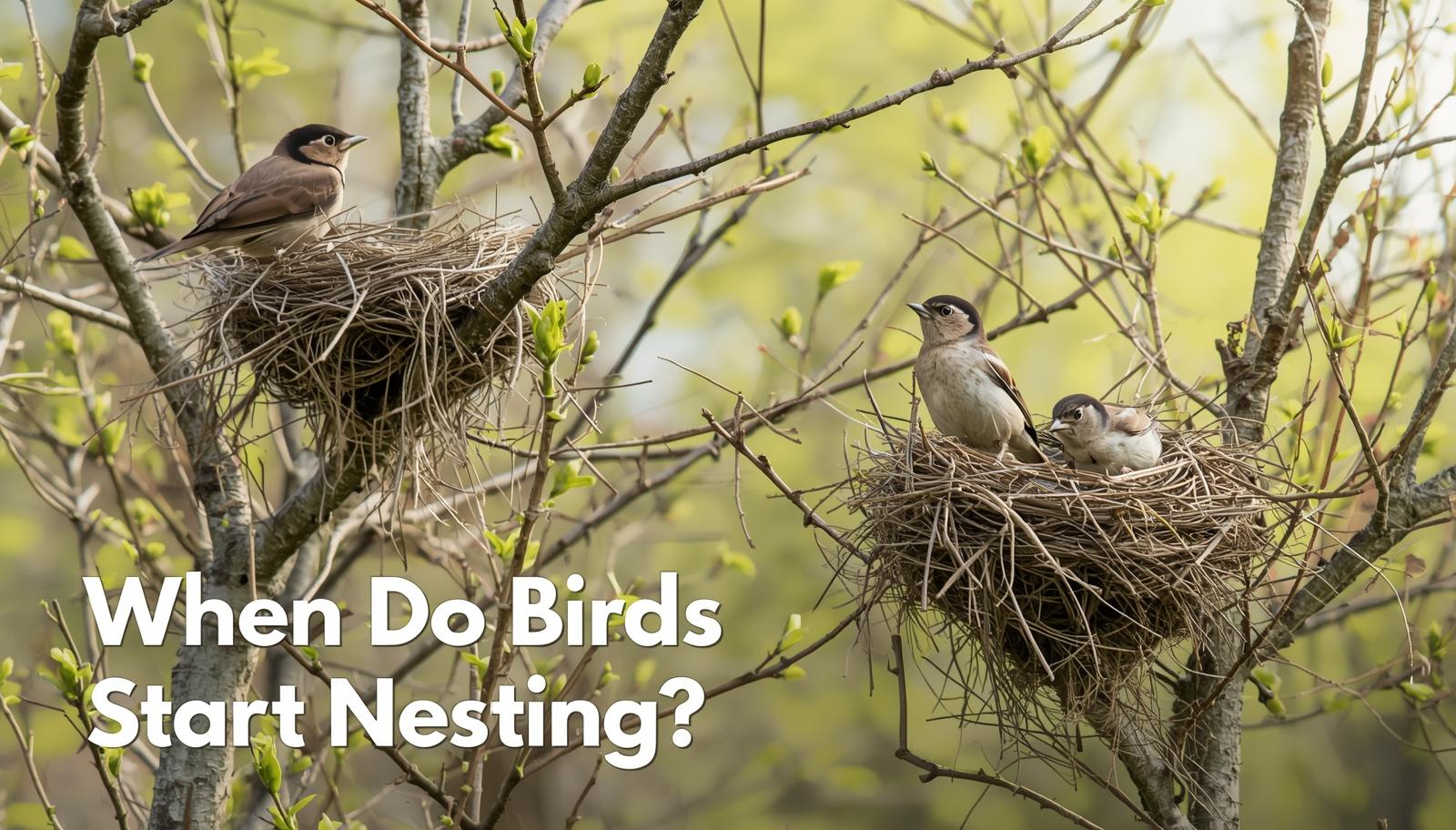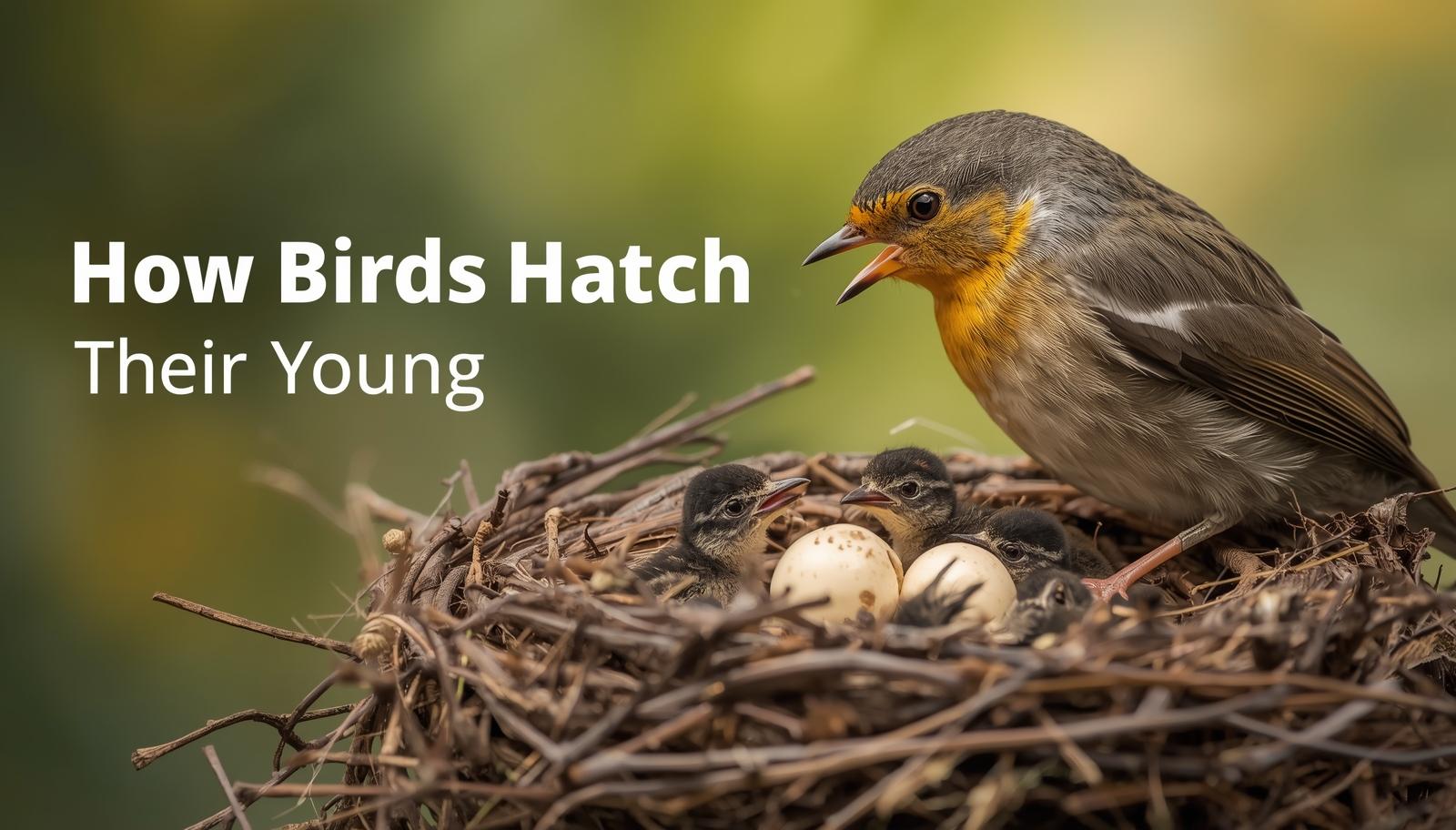
Have you ever wondered how some birds build their homes high above the ground, safe and secure? Platform nesting birds create impressive nests that act like sturdy platforms, providing a perfect place for their eggs and chicks.
If you’re curious about these fascinating builders and want to learn why their nesting habits are so unique, this article is made for you. Discover how these birds protect their young, choose their spots, and what you can do to spot or even help them.
Keep reading, and you’ll see the incredible world of platform nesting birds like never before.

Credit: www.amazon.com
Choosing The Right Nesting Platforms
Nesting platforms help birds build safe homes. Picking the right platform supports bird survival and comfort.
Good platforms last long and attract more birds. Consider key features before setting up a platform.
Material Selection For Durability
Choose strong materials that resist weather and wear. Durable materials keep platforms safe for many years.
Wood, metal, and recycled plastic are good options. Avoid materials that rot or break easily.
- Wood: natural and sturdy but needs treatment
- Metal: very durable but may get hot in sun
- Recycled plastic: weatherproof and low maintenance
Ideal Size And Shape
Platforms must fit the bird species you want to help. Size and shape affect bird comfort and safety.
Some birds prefer flat platforms, others like covered edges. Check the bird type for best results.
- Small platforms suit small birds like wrens
- Large platforms attract bigger birds like hawks
- Square or round shapes depend on bird preference
Location Considerations
Pick a spot safe from predators and harsh weather. Good location helps birds feel secure and build nests.
Place platforms high enough to avoid ground threats. Avoid busy areas to reduce stress on birds.
- Mount platforms on sturdy poles or trees
- Face platforms away from strong winds
- Keep platforms near food and water sources
Installation Best Practices
Installing platform nesting birds requires careful planning. Proper installation helps keep birds safe and comfortable.
Follow simple guidelines to ensure your nesting platforms last long and provide good shelter.
Safe Mounting Techniques
Mount platforms securely to avoid falling or shaking. Use strong brackets or straps that hold tight.
- Use corrosion-resistant screws or bolts
- Attach platforms to sturdy trees or poles
- Check mounting points regularly for wear
- Keep platforms level to prevent water pooling
Height And Orientation Tips
Place nesting platforms at the right height and direction. This protects birds from weather and predators.
| Height | Orientation |
| 6 to 15 feet above ground | Face away from prevailing winds |
| Keep clear of human traffic | Avoid direct sun in hot climates |
| Near natural cover like trees or shrubs | Ensure easy access for birds |
Avoiding Predator Access
Protect nests from predators by adding barriers or choosing safe locations.
- Use metal baffles on poles to block climbing animals
- Keep platforms away from low branches or fences
- Trim nearby branches that predators can jump from
- Avoid placing nests near dense brush where predators hide
Maintaining Nesting Platforms
Nesting platforms help birds build safe homes. Keeping these platforms in good shape is important.
Regular care makes sure birds use the platforms each season. It also keeps the area clean and safe.
Regular Cleaning Schedules
Cleaning nesting platforms often removes old nests and debris. This helps prevent disease and pests.
Plan to clean the platforms after birds leave for the season. Use gentle tools to avoid damage.
- Remove old nests and feathers
- Clear away leaves and dirt
- Check for signs of pests
Repairing Damages Promptly
Fix broken parts of the platform as soon as you notice them. This keeps the platform strong and safe.
Look for loose boards, rust, or cracks. Use weatherproof materials for repairs to last longer.
- Tighten loose screws and nails
- Replace cracked or broken wood
- Apply waterproof paint or sealant
Seasonal Adjustments
Change the platform setup with the seasons. This helps birds stay comfortable and safe year-round.
In colder months, add extra insulation. In warmer months, ensure good ventilation and shade.
- Add straw or dry grass for warmth in fall and winter
- Remove insulation in spring and summer
- Trim nearby branches to provide shade in summer

Credit: www.amazon.com
Protecting Habitats From Threats
Platform nesting birds build their nests on ledges, cliffs, and man-made structures. These habitats are sensitive and face many dangers.
Protecting these habitats helps keep bird populations safe and supports their breeding success.
Minimizing Human Disturbance
Human activities near nesting sites can scare birds away. This stops them from laying eggs or feeding chicks.
To protect nests, limit access to nesting areas during breeding seasons. Use signs and barriers to keep people away.
- Close paths near nests temporarily
- Educate visitors about the importance of quiet
- Monitor nesting sites regularly
Controlling Invasive Species
Invasive animals can eat eggs or compete for space. This harms platform nesting birds and reduces their chances to raise chicks.
Removing or managing invasive species helps native birds keep their nests safe and healthy.
- Remove invasive predators like rats or cats
- Prevent invasive plants from taking over nesting areas
- Use traps or barriers to protect nests
Managing Environmental Risks
Weather changes and pollution can damage nesting sites. Floods or strong winds may destroy nests on platforms.
Taking steps to reduce risks helps keep the habitats stable and safe for birds.
- Build artificial platforms to replace lost natural sites
- Clean areas to reduce pollution impacts
- Monitor weather and prepare for storms
Encouraging Bird Activity
Platform nesting birds need the right environment to thrive. Encouraging their activity helps support local wildlife.
Providing food, water, and shelter near nesting platforms creates a safe space. Watching their success helps improve efforts.
Providing Food And Water Sources
Birds need food and water close to their nests. This keeps them healthy and active during nesting season.
Offer a variety of seeds, fruits, and clean water. Place feeders and water dishes where birds feel safe.
- Use fresh water daily
- Provide native seeds and fruits
- Keep feeding areas clean
- Place food away from predators
Creating Nearby Shelter
Shelter protects birds from bad weather and predators. Nearby trees and shrubs offer safe hiding places.
Plant native bushes or install birdhouses near nesting platforms. Avoid disturbing these areas during nesting.
- Choose dense shrubs or small trees
- Keep shelters close to nesting sites
- Do not prune or trim during nesting
- Provide natural cover for resting
Monitoring Nesting Success
Check nests regularly but gently. Watching helps understand bird behavior and nesting health.
Record the number of eggs and chicks. Note any threats or problems to improve future support.
- Use binoculars to avoid disturbance
- Keep a notebook for observations
- Note dates of egg laying and hatching
- Report any predator activity

Credit: www.ebay.com
Frequently Asked Questions
What Are Platform Nesting Birds?
Platform nesting birds build large, flat nests using sticks and branches. These nests are often reused and can support multiple eggs or chicks. Common examples include eagles, ospreys, and herons. The sturdy design helps protect young birds from predators and harsh weather conditions.
Why Do Birds Choose Platform Nests?
Birds select platform nests for stability and safety. These nests offer strong support for eggs and chicks. Elevated platforms reduce risks from ground predators and flooding. The open structure allows parents to monitor surroundings easily. This nesting style suits large birds that need extra space.
Where Are Platform Nests Usually Located?
Platform nests are often built in tall trees, cliffs, or man-made structures. Birds prefer high, secluded spots to avoid predators. Locations near water bodies are common for species like ospreys. Nest height enhances visibility and safety for the birds and their young.
How Do Birds Build Platform Nests?
Birds gather sticks, twigs, and branches to form a flat base. They layer materials tightly for durability and insulation. Soft lining like moss or grass is added inside for egg comfort. Construction can take days or weeks, depending on species and environment.
Conclusion
Platform nesting birds play a vital role in our ecosystem. They find safety and security on these platforms. This ensures their survival. Observing these birds can teach us much. About nature's wonders and balance. Protecting these habitats is essential. For their survival and our planet's health.
Simple actions can make a difference. Like supporting conservation efforts and spreading awareness. As we learn more, we appreciate their beauty. And the importance of their existence. Every bird counts. And each platform is a sanctuary. Let's cherish and protect these incredible creatures.
For today and future generations.