

Have you ever wondered who steps in to save the rare birds you might never see in the wild? These incredible creatures face threats every day, and without help, many could disappear forever.
You have the power to learn about the groups working hard behind the scenes to protect endangered birds and how their efforts impact the world you live in. Keep reading to discover the organizations making a real difference—and how you can be part of this vital mission.
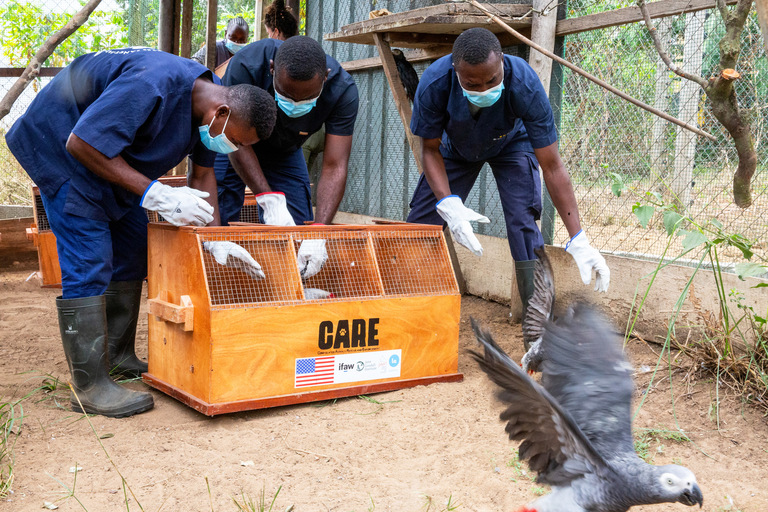
Credit: www.ifaw.org
Key Threats To Endangered Birds
Many organizations work hard to protect endangered birds. These birds face many dangers in their habitats.
Understanding these threats helps us protect birds better. Here are the main threats to endangered birds today.
Habitat Loss And Fragmentation
Birds need safe places to live, feed, and breed. When forests or wetlands are destroyed, birds lose their homes.
Breaking large habitats into small pieces makes it hard for birds to find food and mates. This lowers their chance to survive.
- Deforestation for farming or cities removes nesting sites
- Roads and buildings divide habitats into smaller patches
- Fragmented habitats increase bird exposure to predators
Climate Change Impacts
Climate change changes temperature and weather patterns. This affects bird migration, breeding, and food supply.
Some birds cannot adapt fast enough to these changes. They may lose their feeding grounds or face new diseases.
- Warmer temperatures shift bird habitats to new areas
- Changes in rainfall affect insect and plant food sources
- Extreme weather events destroy nests and reduce survival
Poaching And Illegal Trade
Many endangered birds are hunted for their feathers, meat, or as pets. This illegal trade reduces wild populations.
Poaching can cause rapid declines, especially for rare species. It also harms bird communities by removing key members.
- Birds are captured for the pet trade worldwide
- Some birds are hunted for traditional medicines or decorations
- Illegal trade often happens in remote areas with weak law enforcement
Pollution And Pesticides
Pollution from chemicals and waste harms birds directly and indirectly. Pesticides reduce insects that birds eat.
Birds can also suffer from poisoning when they eat contaminated food or water. Pollution weakens their immune systems.
- Pesticides kill insects that many birds depend on for food
- Chemicals can poison birds through water or soil
- Plastic waste causes injury or death when ingested

Credit: medium.com
Major Organizations Leading Conservation
Many organizations work hard to protect endangered birds around the world. They help save bird species that face the risk of extinction. These groups use science, education, and habitat protection to support bird life.
By focusing on endangered birds, these organizations help keep nature balanced. Their work benefits not only birds but also entire ecosystems and future generations.
Birdlife International
BirdLife International is a global partnership of bird conservation groups. It works in over 100 countries to protect birds and their habitats. The organization identifies important bird areas and fights to keep them safe.
BirdLife International uses research and community help. They create plans to save endangered birds. Their efforts support many species at risk from habitat loss and climate change.
Audubon Society
The Audubon Society focuses on protecting birds in North America. It runs programs to save bird habitats and educate people about birds. The group also tracks bird populations to understand their needs.
Audubon works with local communities to create bird-friendly environments. Their efforts include protecting wetlands, forests, and other important places for birds.
Wildlife Conservation Society
The Wildlife Conservation Society (WCS) protects wildlife and wild places worldwide. It studies birds and their habitats to guide conservation actions. WCS focuses on endangered species and helps restore their homes.
WCS works in parks and protected areas. The organization trains local people to help watch and protect birds. They use science to make smart decisions for bird conservation.
Royal Society For The Protection Of Birds
The Royal Society for the Protection of Birds (RSPB) is one of the largest bird conservation groups. It focuses mainly on birds in the UK. RSPB protects habitats and runs education campaigns to raise awareness.
RSPB manages nature reserves where birds can live safely. The society also works with governments to create laws that protect birds and their environments.
Conservation Strategies Employed
Organizations work hard to save endangered birds. They use many ways to help these birds survive.
These strategies focus on keeping birds safe and bringing their numbers back up.
Habitat Restoration Projects
Many birds lose their homes because of human activities. Habitat restoration helps bring back safe places for birds.
Organizations plant native trees and remove harmful plants. They clean wetlands and protect forests to create good homes.
- Planting native trees and plants
- Removing invasive species
- Cleaning and protecting wetlands
- Creating safe nesting areas
Breeding And Reintroduction Programs
Some birds are very few in number. Breeding programs help increase their population in safe places.
Birds bred in captivity are later released into the wild. This helps bring back birds to their natural homes.
- Captive breeding of endangered species
- Raising young birds in safe environments
- Releasing birds into protected habitats
- Monitoring released birds for survival
Community Engagement And Education
People living near bird habitats learn how to protect birds. Education helps reduce harm to birds and their homes.
Communities join projects like bird watching and habitat care. This builds respect and care for nature.
- Teaching about bird protection
- Involving locals in conservation work
- Organizing bird watching and clean-ups
- Promoting eco-friendly habits
Policy Advocacy And Legal Protection
Groups work to make laws that protect birds and their homes. Strong rules help keep birds safe from harm.
They also check that laws are followed. This stops illegal hunting and habitat destruction.
- Promoting laws for bird protection
- Fighting illegal hunting and trade
- Protecting important bird habitats
- Working with governments and agencies
Technology In Bird Conservation
Technology helps protect endangered birds in many ways. It makes tracking and studying birds easier and more accurate.
New tools allow organizations to gather data and monitor birds without disturbing them.
Tracking And Monitoring Tools
Tracking devices help scientists follow birds' movements and habits. Small GPS trackers attach to birds safely.
These tools show where birds fly and where they build nests. This information helps protect important habitats.
- GPS trackers record location data
- Radio tags send signals to receivers
- Geolocators track migration routes
Data Collection And Research
Technology allows researchers to collect large amounts of data on bird populations. This data helps find patterns and changes.
Data software organizes and analyzes information quickly. This helps experts understand threats and plan actions.
- Automated recording devices capture bird sounds
- Database systems store bird observations
- Software tools analyze migration and breeding
Use Of Drones And Satellites
Drones fly over bird habitats to take photos and videos. They help check nests and count birds without disturbance.
Satellites provide large-scale images to track environmental changes. This helps spot risks like deforestation or fires.
- Drones monitor hard-to-reach areas
- Satellites track habitat changes over time
- Both tools support quick response to threats
Success Stories And Case Studies
Many organizations work hard to protect endangered birds. Their efforts help save species from extinction. These success stories show how teamwork and care make a difference.
We will look at three cases. They show how different projects help birds survive and grow in the wild.
Revival Of The California Condor
The California Condor faced extinction in the 1980s. Only 27 were left in the wild. Organizations captured them to start a breeding program.
Today, hundreds of California Condors live in the wild again. Careful monitoring and habitat protection helped this huge bird return.
- Started captive breeding in 1987
- Released birds back into California and Arizona
- Monitored nests and health closely
- Educated people to reduce lead poisoning
Saving The Kakapo In New Zealand
The Kakapo is a rare, flightless parrot from New Zealand. It was almost gone due to predators and habitat loss. Conservation groups stepped in to save it.
They moved Kakapos to predator-free islands. They also helped with breeding by hand and tracking each bird closely. The number of Kakapos is growing slowly.
- Moved birds to safe islands
- Used special breeding programs
- Tracked birds with radio tags
- Shared updates with the public
Restoring Wetlands For Migratory Birds
Wetlands are homes for many migratory birds. Pollution and land use reduced these areas. Groups worked to restore wetlands to help birds survive.
Restoration includes cleaning water, planting native plants, and protecting bird habitats. Migratory birds now have safe places to rest and feed during their long journeys.
- Removed invasive plants
- Planted native wetland vegetation
- Monitored bird populations
- Created protected wetland areas

Credit: www.wildlifenomads.com
How Individuals Can Help
Protecting endangered birds is important for nature and our planet. Everyone can help keep these birds safe.
Simple actions by individuals support big changes in bird conservation efforts.
Supporting Conservation Groups
Conservation groups work hard to protect endangered birds. They need help from people like you.
You can support these groups by donating money or volunteering your time. Even small support helps.
- Donate to trusted bird conservation organizations
- Volunteer for local bird protection projects
- Join fundraising events to support bird habitats
Creating Bird-friendly Spaces
Making your yard or community friendly to birds helps them live safely. Birds need food, water, and shelter.
Plant native trees and shrubs. Avoid using harmful pesticides. Provide fresh water in birdbaths.
- Grow plants that produce berries and seeds
- Build or buy birdhouses for shelter
- Keep cats indoors to protect birds
Participating In Citizen Science
Citizen science lets regular people help scientists learn about birds. You can watch and report bird sightings.
This information helps track bird populations and protect their habitats better.
- Join bird counting events and surveys
- Use apps to record bird observations
- Share photos and notes with researchers
Promoting Awareness And Advocacy
Talking about endangered birds helps others understand why protection matters. You can spread this message in your community.
Advocate for laws that protect birds and their habitats. Support policies that reduce pollution and deforestation.
- Share facts about endangered birds with friends and family
- Attend or organize talks and workshops
- Write to local leaders about bird protection
Frequently Asked Questions
What Organizations Work To Protect Endangered Birds?
Many organizations like BirdLife International, Audubon Society, and WWF focus on saving endangered birds. They conduct research, habitat restoration, and public education to protect bird species globally.
How Do These Organizations Help Endangered Birds?
They protect habitats, enforce wildlife laws, and run breeding programs. These efforts increase bird populations and reduce threats like habitat loss and poaching.
Why Is Protecting Endangered Birds Important?
Endangered birds maintain ecosystem balance and biodiversity. Their protection helps preserve nature’s health and supports human well-being by keeping ecosystems functional.
How Can Individuals Support Bird Conservation Groups?
People can donate, volunteer, or spread awareness about endangered birds. Participating in citizen science and adopting sustainable practices also helps conservation efforts.
Conclusion
Protecting endangered birds matters for nature and people. Many groups work hard to save these birds. They clean habitats, stop hunting, and teach others. Every small action helps birds live longer. You can support by learning and sharing their stories.
Together, we keep bird songs alive for future generations. Saving birds means saving our world too.


