
Have you ever wondered what protects the beautiful birds you see during your morning walk? International bird conservation laws play a crucial role in keeping these creatures safe across borders.
These laws are more than just rules—they are your shield for the vibrant wings that brighten our skies. Understanding how these protections work not only helps you appreciate nature more but also empowers you to become a part of this global effort.
Keep reading to discover how these laws affect the birds you love and what you can do to support their survival.
Global Treaties For Bird Protection
Birds face many threats worldwide. Global laws help protect them and their habitats. Countries work together to save bird species.
These treaties guide how nations protect birds during migration and in their homes. They also help keep ecosystems healthy.
Migratory Bird Agreements
Migratory Bird Agreements protect birds that travel between countries. These agreements stop hunting and habitat loss along their routes.
They promote safe resting and feeding places for birds during migration. Many countries share responsibility for these birds.
- Protect birds in multiple countries
- Limit hunting during migration
- Preserve important stopover sites
- Encourage research and monitoring
Convention On Biological Diversity
The Convention on Biological Diversity (CBD) is a global treaty. It aims to protect all life forms, including birds.
Countries agree to keep nature safe and use resources wisely. The CBD supports bird conservation through habitat protection and sustainable use.
- Protects ecosystems where birds live
- Supports sustainable land and water use
- Promotes sharing of benefits from genetic resources
- Encourages national action plans
Ramsar Wetlands And Bird Habitat
The Ramsar Convention focuses on wetlands that are vital for birds. Wetlands provide food and shelter for many bird species.
This treaty helps protect these wetlands from damage and destruction. It also promotes wise use of wetland areas.
- Designates important wetlands worldwide
- Protects habitats for water birds
- Supports wetland restoration efforts
- Raises awareness about wetland importance
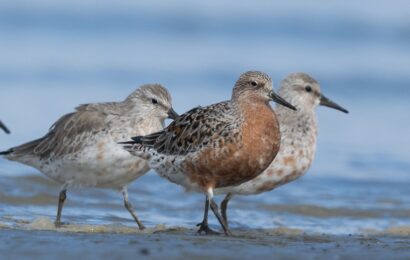
Credit: www.birdwatchingdaily.com
Key National Bird Conservation Laws
Bird conservation laws protect bird species and their habitats. These laws help prevent birds from becoming endangered or extinct.
Different countries have created laws to save birds. These laws focus on hunting limits, habitat protection, and trade controls.
United States Migratory Bird Treaty Act
The Migratory Bird Treaty Act (MBTA) protects over 1,000 bird species in the U.S. It stops people from hunting, capturing, or killing these birds without permission.
The MBTA also protects bird nests and eggs. This law helps keep bird populations healthy and safe from harm.
- Prohibits hunting protected birds without a permit
- Bans selling or trading migratory birds illegally
- Protects bird habitats from destruction
European Union Birds Directive
The EU Birds Directive protects wild birds across member countries. It creates rules for hunting, trading, and conserving birds and their habitats.
The directive requires member states to set up special protected areas. These areas help birds live and breed safely.
- Controls hunting seasons and methods
- Establishes protected bird habitats
- Supports research and monitoring of bird species
Laws In Emerging Economies
Many emerging economies are creating bird conservation laws. These laws aim to balance growth with nature protection.
These countries focus on stopping illegal bird trade and protecting important bird areas. Some laws also involve local communities in conservation.
- Ban on illegal capture and trade of wild birds
- Protection of key bird habitats and nesting sites
- Community programs to support bird conservation
Enforcement Challenges Worldwide
International bird conservation laws aim to protect bird species. These laws face many challenges in enforcement worldwide.
Bird protection is hard because of illegal activities and weak cooperation among countries. These problems slow down conservation efforts.
Illegal Hunting And Trade
Illegal hunting kills many birds each year. Poachers hunt birds for food, feathers, or pets.
Illegal trade spreads birds across borders without permission. This trade is hard to track and stop.
- Weak law enforcement in some countries
- High profits encourage poachers
- Limited resources for monitoring and patrol
- Corruption can block enforcement efforts
Habitat Destruction Issues
Many bird habitats are destroyed by farming, logging, and building. Loss of habitat reduces bird populations.
Enforcing laws against habitat destruction is hard. Some areas lack clear rules or staff to protect them.
- Illegal land use for farming or construction
- Poor monitoring of protected areas
- Conflicts between development and conservation
Cross-border Cooperation
Birds migrate across countries, needing cooperation for protection. Laws must be enforced together to be effective.
Many countries have different rules and priorities. This makes joint efforts difficult and slow.
- Different legal systems and enforcement levels
- Limited sharing of information between countries
- Political tensions can block cooperation
- Need for international treaties and agreements
Role Of International Organizations
International organizations play a key role in saving birds worldwide. They create and enforce laws to protect bird species and their homes.
These groups work with countries to share knowledge and fund projects. They help stop threats like hunting, habitat loss, and pollution.
Birdlife International
BirdLife International is a global network that helps protect birds and nature. It works in over 100 countries to save endangered birds.
The group collects data on bird populations and habitats. It advises governments on bird protection laws and conservation plans.
- Monitors bird species worldwide
- Supports local conservation groups
- Promotes sustainable land use
World Wildlife Fund Initiatives
The World Wildlife Fund (WWF) runs many programs to protect birds and their environments. WWF focuses on important bird areas and wetlands.
WWF also works to stop illegal hunting and trade of birds. It helps create laws and trains people to follow them.
- Protects critical bird habitats
- Fights illegal bird trade
- Raises awareness on bird conservation
Un Environment Programme
The UN Environment Programme (UNEP) supports global efforts to protect birds and the environment. It helps countries meet international bird protection agreements.
UNEP promotes policies to reduce pollution and habitat loss. It also funds research on the impact of climate change on birds.
- Supports international bird treaties
- Helps reduce pollution and habitat damage
- Funds climate change studies affecting birds
Community Involvement In Bird Protection
Protecting birds is a shared responsibility. Communities play a big role in keeping birds safe.
Local groups help enforce laws and raise awareness about bird conservation.
Local Conservation Projects
Communities start projects to protect bird habitats. These projects help birds find food and shelter.
People plant trees, clean wetlands, and build birdhouses to support birds near them.
- Restoring natural habitats
- Creating safe nesting areas
- Removing invasive species
- Monitoring local bird populations
Education And Awareness Campaigns
Teaching people about birds helps protect them. Schools and groups share simple facts about birds.
Campaigns show how to avoid harming birds and why they matter to the environment.
- Workshops and talks for all ages
- Birdwatching events to spark interest
- Distributing flyers and posters
- Using social media for sharing tips
Citizen Science Contributions
Community members help scientists by watching and reporting bird activity. This data supports laws.
Apps and websites make it easy for anyone to join in and track bird sightings near them.
- Counting birds during migration seasons
- Reporting injured or endangered birds
- Sharing photos and notes online
- Helping map bird habitats

Credit: www.allaboutbirds.org
Technological Advances In Bird Conservation
Technology helps protect birds worldwide. New tools track bird movements and study their habits.
These advances support laws that save bird species. Scientists and conservationists work together using technology.
Satellite Tracking And Monitoring
Satellites track birds over long distances. Tiny devices send data about their locations and paths.
This information helps protect important bird areas. It also shows migration routes and nesting sites.
Data Sharing Platforms
Data platforms let scientists share bird information worldwide. This creates a large pool of knowledge.
Many countries use these platforms to follow bird laws. They track bird numbers and threats faster.
- Open access to bird tracking data
- Real-time updates on bird populations
- Collaboration across nations
Use Of Drones And Ai
Drones fly over hard-to-reach bird habitats. They take photos and videos without disturbing birds.
Artificial intelligence analyzes images and sounds. AI helps identify bird species and count their numbers quickly.
Future Directions In Bird Conservation Laws
Bird conservation laws protect birds and their habitats worldwide. These laws help keep bird populations safe and healthy.
New challenges need new solutions. Future laws must address global changes and work with local knowledge.
Strengthening International Cooperation
Birds migrate across many countries. Laws must work together across borders to protect them.
Countries can share data, resources, and strategies. This helps protect birds in all parts of their journey.
- Create common rules for bird protection worldwide
- Share research and bird tracking information
- Work together to stop illegal hunting and trade
- Coordinate habitat protection across borders
Adapting To Climate Change
Climate change changes where birds can live. Laws must adjust to these new patterns.
Protecting new habitats and migration routes is important. Laws should support bird survival in changing climates.
- Update protected areas as bird habitats shift
- Include climate risks in conservation plans
- Support research on climate effects on birds
- Promote habitat restoration in vulnerable areas
Incorporating Indigenous Knowledge
Indigenous peoples have long cared for birds and nature. Their knowledge can improve conservation laws.
Working with Indigenous communities helps create respectful and effective protections for birds.
- Include Indigenous voices in law-making
- Respect traditional bird management practices
- Use Indigenous knowledge for habitat protection
- Build partnerships with local communities

Credit: www.birdrescue.org
Frequently Asked Questions
What Are International Bird Conservation Laws?
International bird conservation laws are agreements between countries to protect bird species. These laws aim to prevent extinction and promote biodiversity. They regulate hunting, habitat preservation, and trade of birds. Organizations like the Convention on Migratory Species (CMS) and CITES play key roles in implementing these laws globally.
Why Are Bird Conservation Laws Important?
Bird conservation laws are vital for maintaining ecological balance and biodiversity. Birds play crucial roles in ecosystems, such as pollination and pest control. Laws protect endangered species and their habitats, ensuring their survival. They also address threats like habitat loss, climate change, and illegal trade.
How Do Countries Enforce Bird Conservation Laws?
Countries enforce bird conservation laws through national legislation and international cooperation. They establish protected areas, regulate hunting, and monitor bird populations. Governments collaborate with organizations like BirdLife International to implement conservation strategies. Enforcement includes penalties for illegal activities, such as poaching and habitat destruction.
What Role Do Ngos Play In Bird Conservation?
Non-Governmental Organizations (NGOs) play a crucial role in bird conservation. They conduct research, raise awareness, and advocate for policy changes. NGOs collaborate with governments and communities to implement conservation projects. They also monitor bird populations and habitats, providing data to inform international conservation efforts.
Conclusion
Protecting birds is essential for a healthy planet. International laws help stop illegal hunting and trade. They also preserve bird habitats worldwide. Countries must work together to keep these laws strong. Everyone can support bird conservation by spreading awareness. Small actions make a big difference over time.
Saving birds means saving nature and our future. Let’s keep fighting for bird protection everywhere.