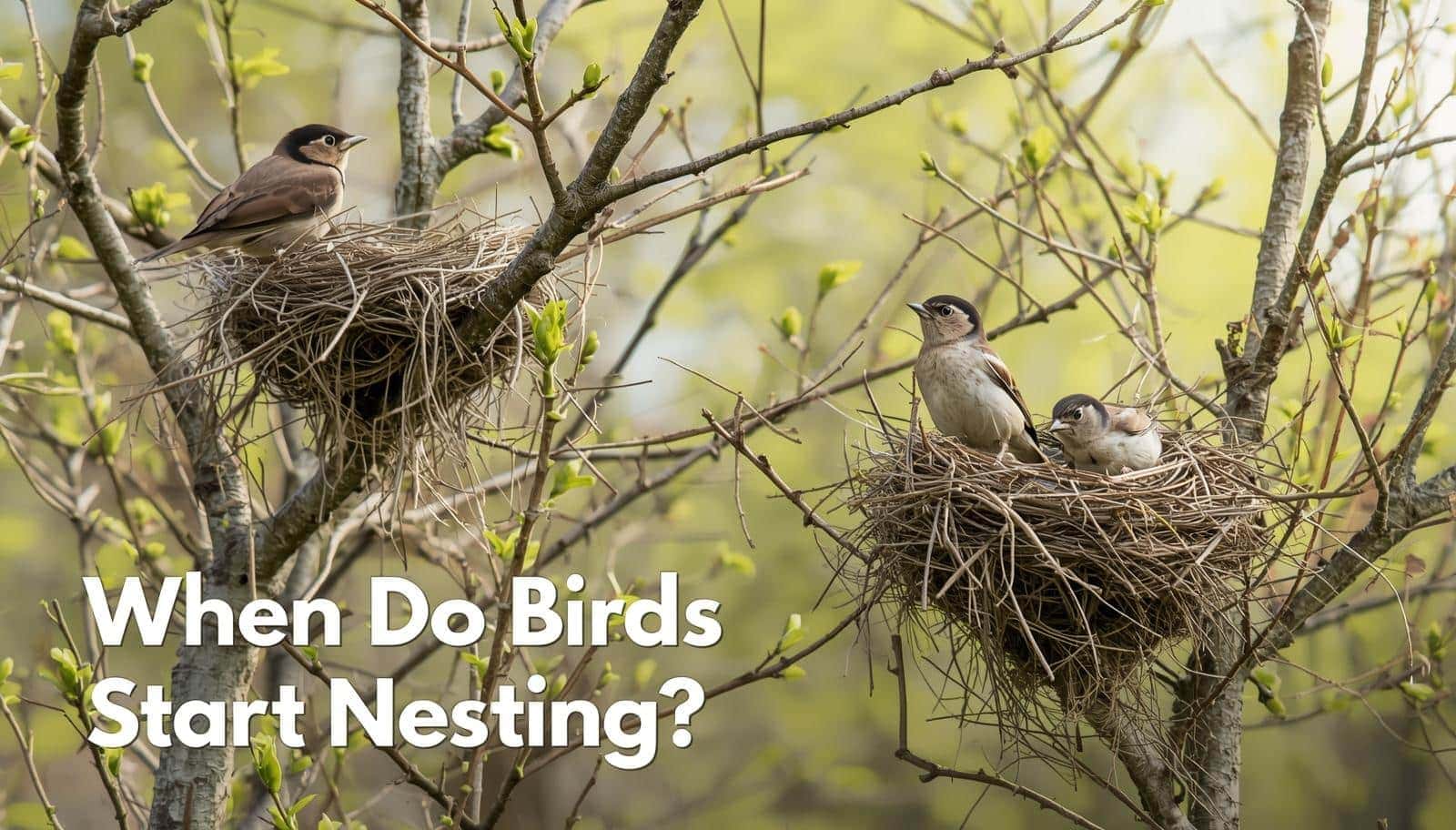
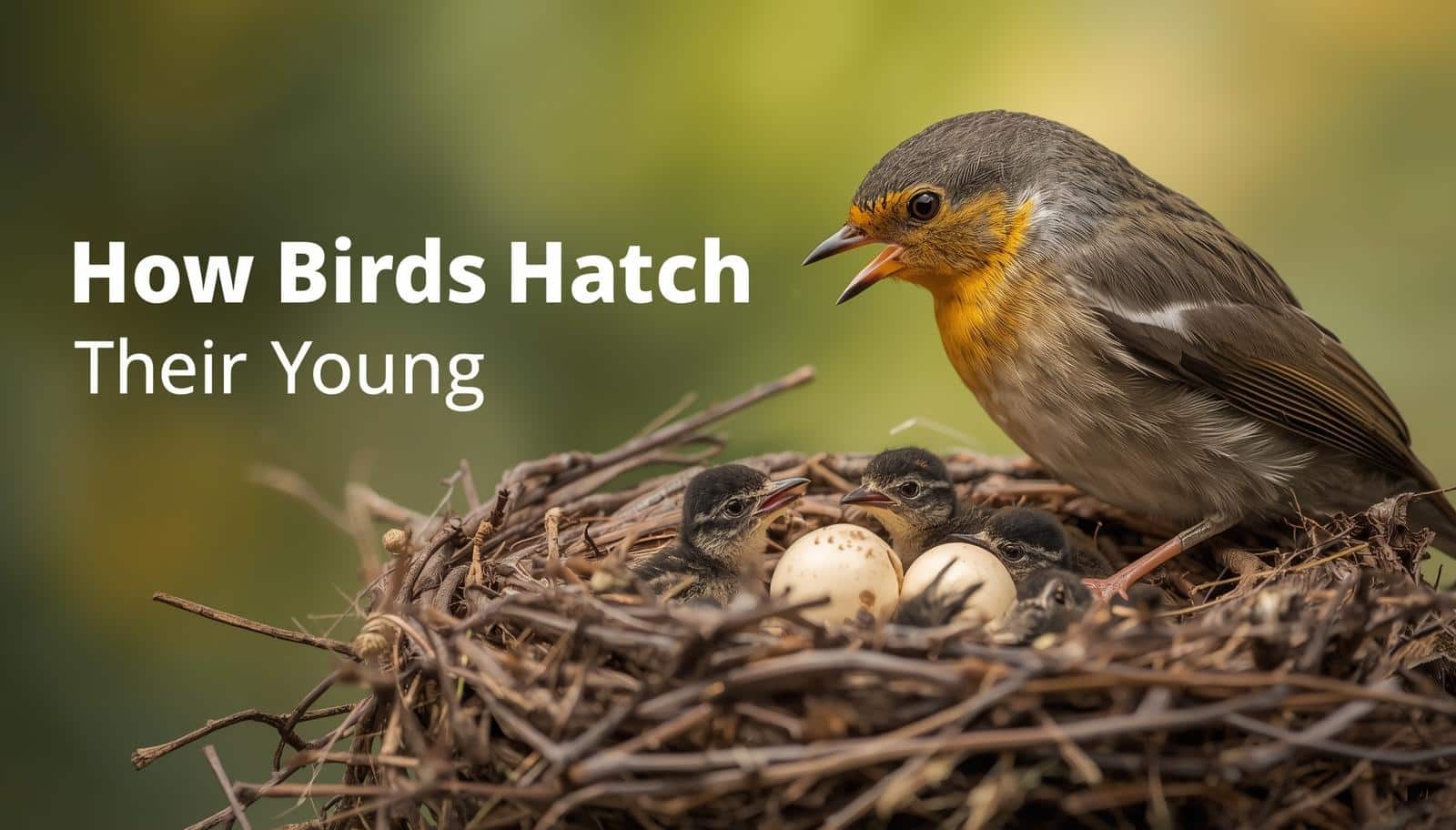
Have you ever stopped to think about the tiny nests tucked away in trees or bushes around you? These little homes are crucial for nesting birds to raise their young safely.
But did you know that many of these birds face serious threats every day? If you care about nature and want to make a difference, understanding the conservation of nesting birds is key. By learning how to protect their nests and habitats, you can help ensure these beautiful creatures continue to thrive.
Keep reading to discover simple yet powerful ways you can support nesting birds and be a part of their survival story.

Credit: swibirds.org
Importance Of Nesting Bird Conservation
Nesting birds are vital for nature. They help keep the environment healthy.
Protecting where birds nest helps many other plants and animals live well.
Role Of Birds In Ecosystems
Birds spread seeds and pollen. This helps plants grow and forests stay strong.
They eat insects and small animals. This controls pests and balances nature.
- Seed dispersal helps plants spread
- Pollination supports flower growth
- Pest control reduces harmful insects
- Birds are food for other wildlife
Threats To Nesting Birds
Birds lose nests because of cutting down trees and building in nature.
Pollution and chemicals can harm birds and their young in nests.
- Deforestation removes nesting places
- Urban growth destroys habitats
- Pollution poisons birds and eggs
- Predators and invasive species attack nests
Impact Of Nest Loss On Biodiversity
When birds lose nests, fewer young birds survive. This lowers bird numbers.
Less bird variety can hurt plants and animals that depend on them.
- Bird population drops reduce natural pest control
- Less seed spreading harms plant growth
- Food chains become weaker
- Overall ecosystem health declines
Habitat Protection And Restoration
Protecting and restoring habitats is very important for nesting birds. Birds need safe places to build nests and raise their young.
Many bird species face threats because their natural homes are lost or damaged. We can help by caring for their habitats.
Preserving Natural Nesting Sites
Natural nesting sites include trees, shrubs, and ground areas where birds build nests. These places must stay safe and undisturbed.
Protecting these sites means stopping logging, development, and pollution. Keeping these areas helps many birds survive and thrive.
Restoring Degraded Habitats
Some habitats are damaged by human activities or natural events. Restoring these places helps birds return and nest safely.
Restoration can include planting native trees and plants, removing invasive species, and cleaning polluted areas.
- Plant native vegetation
- Remove harmful invasive plants
- Clean water sources
- Rebuild natural ground cover
Creating Safe Nesting Environments
Safe nesting environments protect birds from predators and human disturbance. Creating these areas helps bird populations grow.
Ways to create safe places include setting up nest boxes, limiting access during breeding seasons, and reducing pollution.
- Install bird nest boxes
- Restrict human activities near nests
- Control pets like cats near nesting areas
- Reduce use of harmful chemicals
Minimizing Human Disturbance
Human activity near nesting birds can cause stress and harm to their young. Protecting these areas helps birds breed safely. Simple actions can reduce disturbances and support bird populations.
Understanding how to limit human impact is key. This guide covers ways to regulate access, reduce noise and light, and raise community awareness.
Regulating Access To Nesting Areas
Keeping people away from nesting sites is important. Signs and barriers can help limit entry. Designated paths guide visitors without disturbing birds.
- Set up clear signs near nesting zones
- Use fences or ropes to mark protected areas
- Limit visitor numbers during breeding seasons
- Create safe viewing spots at a distance
Reducing Noise And Light Pollution
Loud sounds and bright lights can scare nesting birds. Reducing these helps birds stay calm and focused on raising their young.
| Type of Pollution | Effect on Birds | Ways to Reduce |
| Noise | Causes stress, interrupts communication | Limit loud activities, use quiet equipment |
| Light | Disrupts sleep and feeding patterns | Use dim lights, shield bright sources |
Community Awareness And Education
Teaching people about bird nesting helps protect these areas. Awareness encourages respect and care for wildlife habitats.
Ways to engage the community:
- Organize talks and workshops
- Distribute flyers with key tips
- Involve schools in bird-friendly projects
- Use social media to share important messages
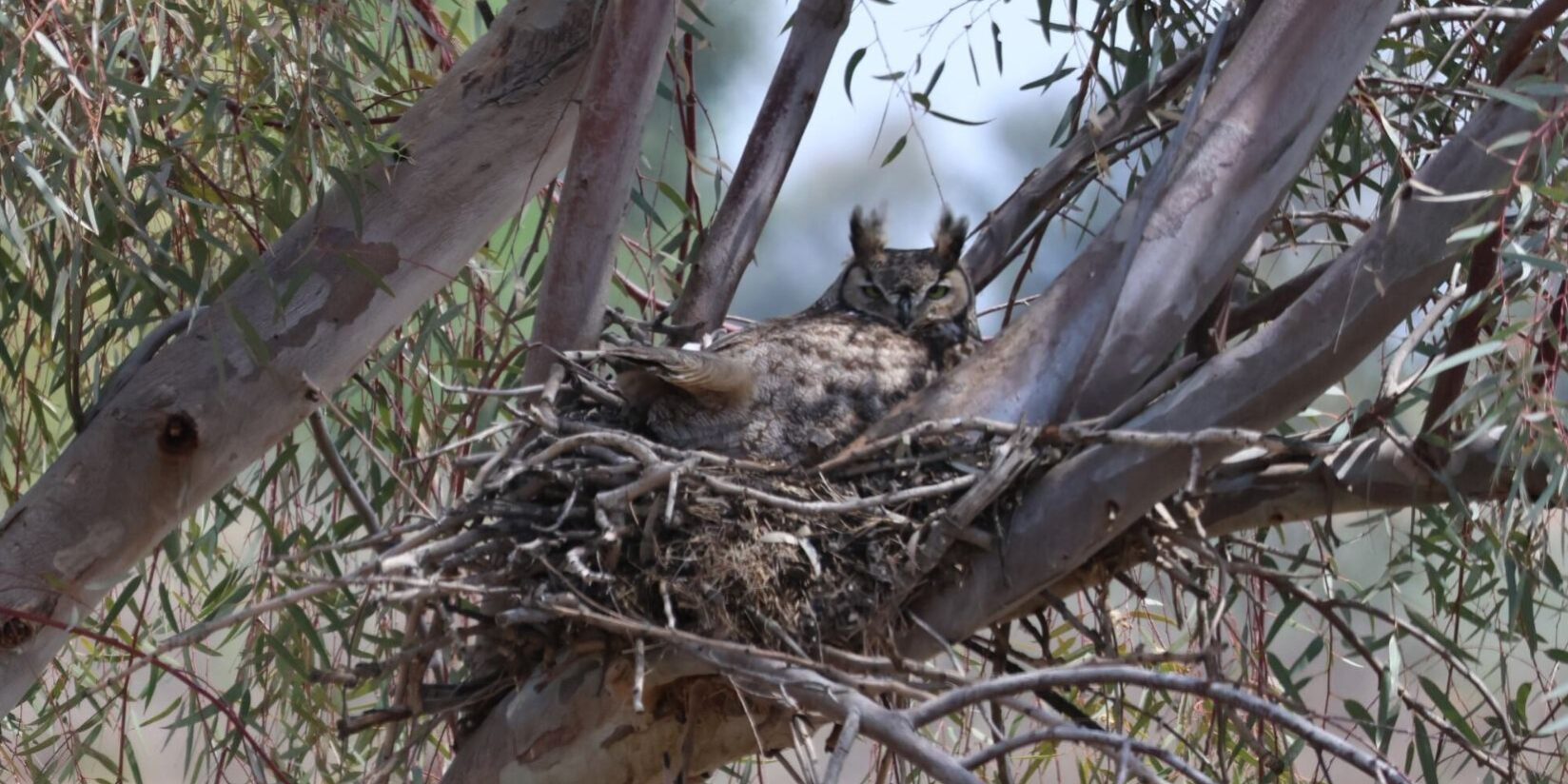
Credit: krcd.org
Controlling Predators And Invasive Species
Protecting nesting birds is important for their survival. Predators and invasive species can harm bird populations by eating eggs and chicks.
Controlling these threats helps keep bird nests safe and supports healthy ecosystems.
Managing Native Predators
Native predators like raccoons, snakes, and crows often prey on bird nests. Managing these animals can reduce risks to nesting birds.
- Remove food sources that attract predators near nesting areas.
- Use protective barriers, such as nest boxes with predator guards.
- Monitor predator activity and take action if populations grow too large.
Eradicating Or Controlling Invasive Species
Invasive species like rats, feral cats, and certain plants disrupt bird habitats. Controlling them improves nesting success.
| Invasive Species | Control Method | Effect on Birds |
| Rats | Trapping and baiting | Reduces egg predation |
| Feral Cats | Removal programs | Protects chicks from being hunted |
| Invasive Plants | Manual removal or herbicides | Restores native nesting habitat |
Using Safe Deterrent Methods
Safe deterrent methods keep predators away without harming them or birds. These methods support long-term conservation.
Common safe deterrents include:
- Visual scare devices like reflective tape or fake predators
- Ultrasonic sound emitters that do not disturb birds
- Physical barriers such as mesh or netting around nests
Supporting Nesting Through Artificial Structures
Birds need safe places to build their nests. Natural sites are often lost to development. Artificial structures help provide new homes for nesting birds.
Installing nest boxes and platforms can support bird populations. Careful monitoring and maintenance keep these aids effective. Success stories show how these efforts help birds thrive.
Installing Nest Boxes And Platforms
Nest boxes and platforms offer birds a place to raise their young. They can be placed in parks, gardens, and forests. Different bird species prefer different designs and heights.
- Choose materials that resist weather and last long.
- Place boxes away from predators like cats and raccoons.
- Mount boxes at the right height for the bird species.
- Ensure boxes have drainage holes and ventilation.
- Use platforms for larger birds or species that nest on flat surfaces.
Monitoring And Maintenance Of Nesting Aids
Regular checks keep nest boxes safe and clean. Remove old nests after breeding season. Check for damage and repair or replace parts if needed.
| Task | Frequency | Reason |
| Clean out old nests | Once a year | Prevent parasites and diseases |
| Inspect box condition | Twice a year | Fix damage to protect birds |
| Check mounting stability | Once a year | Keep boxes safe from falling |
| Monitor bird activity | During breeding season | Track success and adjust as needed |
Success Stories And Case Studies
Many projects show positive results from nest box programs. Local communities often join efforts to help birds. These stories inspire others to act.
- Location:Urban park in New York
- Species helped:Eastern Bluebird and Tree Swallow
- Outcome:Nesting pairs increased by 40% in three years
- Community role:Volunteers built and maintained 50 boxes
Policy And Legislation For Bird Protection
Protecting nesting birds is crucial for maintaining nature's balance. Laws and policies help safeguard these birds and their homes.
Governments and groups work together to create rules that stop harm and support bird populations.
Key Wildlife Protection Laws
Many countries have laws that protect birds and their nests. These laws set clear rules to stop hunting, disturbing, or destroying nests.
- The Migratory Bird Treaty Act protects birds that travel across countries.
- The Endangered Species Act helps birds at risk of extinction.
- Local wildlife protection laws often forbid nest destruction during breeding seasons.
- International agreements encourage countries to work together to save bird habitats.
Enforcement Challenges
Enforcing bird protection laws faces many challenges. Lack of resources and awareness can weaken efforts.
| Challenge | Description |
| Limited Patrols | Few officers can monitor large bird habitats. |
| Illegal Activities | Poaching and nest destruction happen in hidden areas. |
| Low Awareness | People may not know laws or the importance of birds. |
| Funding | Insufficient money limits enforcement and education. |
Role Of Conservation Organizations
Conservation groups support bird protection by educating people and helping enforce laws.
- They run campaigns to inform the public about nesting birds.
- They work with governments to improve policies.
- They monitor bird populations and report illegal activities.
- They provide resources and training to local enforcers.
Research And Monitoring Techniques
Research and monitoring help protect nesting birds. Scientists use different methods to study bird populations and behavior. These methods provide data that guide conservation efforts.
Understanding how birds nest and survive helps improve habitats. Technology also plays a key role in tracking and protecting birds. This section covers important research techniques.
Tracking Bird Populations
Tracking bird numbers shows changes in their populations. Researchers count birds at different times of the year. This helps find if numbers go up or down.
- Bird banding to identify individuals
- Point counts to estimate population size
- Transect walks for habitat surveys
- Citizen science programs for data collection
Studying Nesting Behavior
Studying how birds build nests and care for eggs is important. Researchers watch nests to learn about breeding success. They record data such as clutch size and hatch rates.
| Observation Type | Details |
| Nest Location | Where the nest is built |
| Clutch Size | Number of eggs laid |
| Hatch Rate | Percentage of eggs that hatch |
| Fledging Success | Young birds leaving the nest |
Using Technology For Conservation
Technology helps track birds without disturbing them. GPS trackers and cameras provide detailed data. Drones can survey large areas quickly and safely.
- GPS tracking devices to follow bird movements
- Remote cameras to observe nests
- Drones for habitat mapping
- Acoustic recorders to monitor bird calls
Credit: tpwmagazine.com
Frequently Asked Questions
What Is The Importance Of Conserving Nesting Birds?
Conserving nesting birds protects biodiversity and maintains ecological balance. Birds control pests, pollinate plants, and spread seeds. Their survival supports healthy ecosystems and benefits agriculture and human life.
How Can We Protect Bird Nesting Habitats?
Protect bird habitats by preserving natural areas and planting native vegetation. Avoid disturbing nests and reduce pesticide use. Support local conservation efforts and create bird-friendly environments in gardens and parks.
Why Do Nesting Birds Face Threats Today?
Nesting birds face habitat loss, pollution, climate change, and human disturbances. Urbanization and deforestation reduce nesting sites. Illegal hunting and pesticide use also harm bird populations.
What Role Do Humans Play In Bird Conservation?
Humans can protect birds by supporting conservation laws and habitat restoration. Educating communities and reducing environmental impact helps. Participating in bird monitoring and creating safe nesting spaces also aids conservation.
Conclusion
Protecting nesting birds benefits our planet. Their survival ensures a balanced ecosystem. Everyone can help. Plant native trees and shrubs. Provide clean water sources. Avoid disturbing nesting areas. Report any illegal activities harming birds. Spread awareness in your community. Small actions lead to big changes.
Support local wildlife organizations. They work tirelessly to conserve bird habitats. Together, we can make a difference. Bird conservation is vital for future generations. Let's act now and preserve nature's beauty. Every effort counts. Birds need our help to thrive.
Conservation starts with understanding and caring. Let's protect these incredible creatures today.