
Endangered Bird Conservation: Causes, Solutions, and How You Can Help Protect Rare Species
Have you ever wondered what it would feel like to hear the songs of rare birds before they vanish forever? Endangered bird conservation is more than just a cause—it’s a chance for you to make a real difference in protecting some of the most beautiful and unique creatures on our planet.
Endangered Bird Conservation efforts are vital for preserving biodiversity and ensuring the survival of our planet’s unique avian species.
Every bird lost means a piece of nature’s magic disappears. But here’s the good news: your awareness and actions can help turn the tide. Keep reading to discover how you can be part of saving these incredible birds and why your role matters more than you might think.
By participating in Endangered Bird Conservation, you can play a part in safeguarding our environment.
Causes Of Bird Endangerment
Many birds face the risk of extinction today. Several reasons cause their numbers to drop fast.
Endangered Bird Conservation is critical as it addresses various threats facing avian populations.
Understanding these causes helps us protect birds better. We need to know what harms them most.
Habitat Loss
Birds lose their homes when forests and wetlands are cut down. Cities and farms take over their land.
Endangered Bird Conservation initiatives focus on preventing habitat loss and promoting sustainable practices.
Without safe places to live and find food, birds cannot survive or reproduce well.
- Deforestation reduces forest areas
Endangered Bird Conservation measures include establishing protected zones where birds can thrive.
- Wetland drainage destroys nesting sites
- Urban growth replaces natural habitats
Climate Change
Engaging in Endangered Bird Conservation helps create resilience against climate challenges for vulnerable species.
Changing weather patterns affect bird migration and breeding. Some birds cannot adapt quickly enough.
Rising temperatures can also change food availability and cause habitat shifts.
- Unpredictable seasons affect nesting times
- Food sources may disappear or move
- Extreme weather harms young birds
Pollution Effects
Pollution harms birds through poisoned water and air. Chemicals can build up in their bodies.
Through Endangered Bird Conservation efforts, we can mitigate pollution’s effects on bird populations.
Plastic waste causes injuries and blocks digestive tracts. Oil spills cover feathers and reduce flying ability.
- Water pollution contaminates drinking sources
- Air pollution damages lungs and feathers
- Plastic ingestion causes starvation or death
Illegal Hunting
Understanding the impact of illegal hunting on bird species is essential for effective Endangered Bird Conservation.
Some birds are hunted illegally for food, feathers, or pets. This reduces their populations quickly.
Poaching affects rare species most. Many birds cannot recover from heavy hunting pressure.
- Hunting for traditional medicine
- Capture for the pet trade
- Poaching for feathers or trophies

Habitat Protection Methods
Collaboration in Endangered Bird Conservation is crucial for implementing successful habitat protection methods.
Protecting the homes of endangered birds is very important. Birds need safe places to live, eat, and raise their young.
We use different ways to keep their habitats safe. These methods help birds survive and grow their populations.
Establishing Reserves
Reserves are special areas set aside to protect nature. These places keep birds safe from dangers like hunting and building.
Reserves give birds space to live without human disturbance. They help keep bird numbers stable and healthy.
- Choose areas where endangered birds live
- Stop harmful activities like logging
- Monitor bird health inside reserves
Restoring Ecosystems
Restoring means fixing damaged habitats. It helps birds find food and shelter again.
Planting native trees and plants brings back the natural home for birds. Cleaning rivers and wetlands also helps.
- Remove trash and harmful plants
- Plant trees that native birds need
- Fix wetland water flow for better living
Controlling Invasive Species
Invasive species are animals or plants that harm native birds. Controlling them keeps bird habitats safe.
Removing invasive plants and animals helps native birds get food and space. It supports their survival and growth.
- Identify harmful invasive species in the area
- Use safe ways to remove or reduce them
- Watch the habitat to prevent new invasions
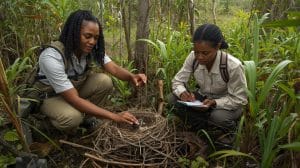
Breeding And Rehabilitation
Endangered birds face many challenges in the wild. Breeding and rehabilitation help increase their numbers.
These efforts support the survival of species at risk of extinction.
Captive Breeding Programs
Captive breeding programs raise endangered birds in safe places. They help produce healthy chicks for release.
These programs keep birds away from predators and disease while they grow strong.
- Provide proper diet and care
- Create natural-like habitats
- Match mates to keep diversity
- Train birds for survival skills
Release Techniques
Releasing birds back into the wild needs careful planning. It gives birds the best chance to live freely.
Techniques include soft releases where birds adjust slowly and hard releases where birds are set free all at once.
- Choose safe release sites with food and shelter
- Use soft release cages to help birds adapt
- Release in groups to support social bonds
- Avoid releasing during bad weather
Monitoring Post-release
After release, monitoring tracks bird survival and behavior. It helps experts learn what works best.
Tracking tools include radio tags and field observations to check health and movement.
- Check if birds find food and shelter
- Watch for signs of illness or injury
- Record breeding success in the wild
- Adjust future releases based on data
Community Involvement
Participating in Endangered Bird Conservation initiatives can foster a deeper connection with nature.
Protecting endangered birds depends on the support of local communities. People who live near bird habitats play a big role in saving these species.
Community involvement helps raise awareness and encourages action to protect birds and their homes.
Education Campaigns
Education campaigns teach people about the importance of endangered birds. They explain how birds help nature and why they need protection.
Schools, community centers, and events are good places to share this information. Clear messages help everyone understand how to help.
- Workshops for students and adults
- Informational flyers and posters
- Public talks and presentations
Local Stewardship
Local stewardship means people take care of nearby bird habitats. Communities can protect nesting sites and reduce pollution.
Residents can organize cleanups and watch for threats to birds. This hands-on work helps keep habitats safe and healthy.
- Protecting nesting areas from disturbance
- Planting native trees and shrubs
- Removing trash and invasive plants
Citizen Science Initiatives
Citizen science invites people to help collect data about birds. This information helps scientists track bird numbers and health.
Volunteers can record bird sightings and behaviors. Their work adds valuable knowledge to conservation efforts.
- Counting birds during migration seasons
- Reporting bird nesting and feeding habits
- Using apps to submit bird data
Policy And Legislation
Protecting endangered birds requires strong laws and policies. These rules help conserve habitats and stop illegal activities.
Strong policies are fundamental to the success of Endangered Bird Conservation and legal protections.
Governments and groups work together to create laws. These laws guide how we protect birds around the world.
Wildlife Protection Laws
Wildlife protection laws stop hunting and trading of endangered birds. They also protect bird habitats from damage.
Many countries have laws that make it illegal to harm or capture these birds. These laws help keep bird numbers safe.
- Ban on hunting endangered bird species
- Restrictions on land use to protect habitats
- Rules against selling bird feathers or eggs
International Agreements
International agreements help countries work together to save endangered birds. Birds often travel across many countries.
These agreements set common rules to protect birds in different places. They also share information about bird conservation.
- CITES controls trade of endangered species worldwide
- Ramsar Convention protects important wetlands
- Convention on Migratory Species helps migratory birds
Enforcement Challenges
Many laws exist, but enforcement can be hard. Limited resources and lack of training reduce law effectiveness.
Illegal hunting and trade still happen. Cooperation between countries and agencies is needed to improve enforcement.
- Insufficient funding for wildlife protection
- Weak monitoring and patrolling in remote areas
- Corruption and lack of legal penalties
- Need for better public awareness and education
Technology In Conservation
Technology helps protect endangered birds. It gives scientists tools to study and save them.
New gadgets make tracking and data analysis easier. They improve how we watch bird habits and health.
Tracking And Monitoring
Tracking devices help follow birds in the wild. Scientists attach small GPS tags to birds.
These devices show where birds fly and rest. This information helps protect their habitats.
Data Analysis Tools
Data tools process information from tracking devices. They find patterns in bird movements and behavior.
Scientists use software to study large data sets. This helps identify threats and plan conservation efforts.
- Analyzing migration paths
- Detecting population changes
- Predicting environmental impacts
Drones And Remote Sensing
Drones fly over bird areas to take photos and videos. They reach places hard for people to visit.
Remote sensing uses satellites to monitor large habitats. It helps track changes in forests and wetlands.
- Surveying nesting sites safely
- Checking habitat health
- Spotting illegal activities like logging
Success Stories
Many endangered birds have made strong recoveries. Conservation efforts have saved some species from extinction.
These success stories show that careful work helps nature heal. They inspire future protection plans.
Recovered Species
The California Condor was once near extinction. Now, thanks to efforts, its numbers are growing.
The Mauritius Kestrel also bounced back from very low numbers. Conservation saved it from disappearing.
- California Condor population rose from 27 birds to over 400
- Mauritius Kestrel recovered from only 4 individuals
- Whooping Crane numbers increased through captive breeding
Effective Programs
Captive breeding programs helped boost bird populations safely. Birds were raised in zoos and then released.
Habitat protection stopped destruction of nesting and feeding areas. This gave birds safe places to live.
- Captive breeding and release
- Protecting and restoring habitats
- Monitoring bird health and numbers
- Educating the public about conservation
Lessons Learned
Early action is key to saving endangered birds. Delaying help makes recovery harder or impossible.
Community support helps protect birds. People who care can stop threats like hunting and pollution.
- Act quickly to protect endangered species
Understanding the challenges in Endangered Bird Conservation is crucial for guiding future initiatives.
- Involve local communities in conservation
- Use science to guide protection efforts
- Keep monitoring to check progress

Frequently Asked Questions
What Defines An Endangered Bird Species?
An endangered bird species faces a high risk of extinction in the wild. Factors include habitat loss, climate change, and human activities. Conservation efforts focus on habitat protection, breeding programs, and legal measures to prevent extinction. Public awareness and support are crucial for effective conservation strategies.
How Can We Help In Bird Conservation?
You can help by supporting conservation organizations and participating in local habitat restoration projects. Educate yourself and others about the importance of bird conservation. Reduce your carbon footprint and avoid products contributing to habitat destruction. Advocate for policies protecting wildlife and natural habitats.
Why Is Bird Conservation Important For Biodiversity?
Bird conservation helps maintain ecological balance and supports biodiversity. Birds play crucial roles, such as pollination, seed dispersal, and pest control. Protecting bird species ensures the health of ecosystems. Biodiverse ecosystems provide resources and benefits essential for all life forms, including humans.
Which Birds Are Most At Risk Of Extinction?
Birds facing the highest risk include those with limited ranges and specialized habitats. Species like the Kakapo, California Condor, and Spoon-billed Sandpiper are critically endangered. Conservation efforts focus on protecting these species’ habitats and increasing their populations through breeding programs and legal protections.
Conclusion
Protecting endangered birds helps keep nature healthy and strong. Every small action counts, from saving habitats to reducing pollution. Communities working together can make a big difference. These birds need our care to survive and thrive. Let’s act now to protect their future.
Nature’s balance depends on their survival. We all share the responsibility to keep our skies full of life. Saving endangered birds means saving our world too.