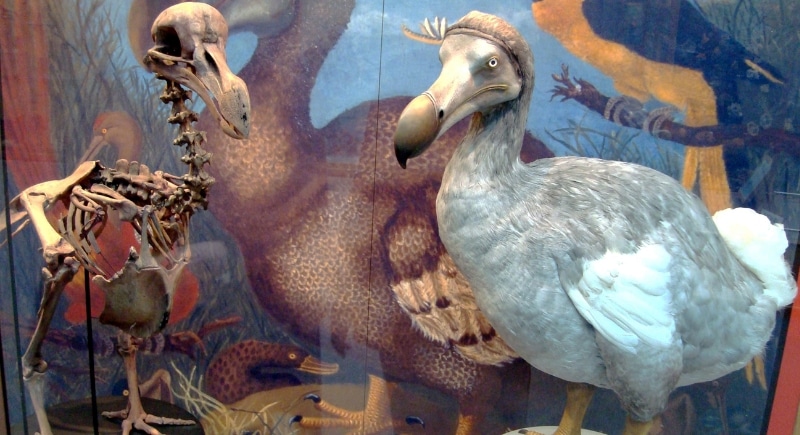
Have you ever wondered if the dodo bird had any natural predators before it disappeared forever? You might think this strange, flightless bird was easy prey, but the truth could surprise you.
Understanding what threats the dodo faced helps you see why it vanished so quickly and what lessons we can learn for today’s wildlife. Keep reading to uncover the hidden dangers that shaped the dodo’s fate and why its story still matters to you.
Dodo Bird Habitat
The dodo bird lived only on Mauritius Island. It was a remote place in the Indian Ocean. The island's environment shaped how the dodo lived and survived.
This article explores the dodo's habitat. We look at the island's ecosystem and the dodo's lifestyle in its home.
Mauritius Island Ecosystem
Mauritius Island had a rich ecosystem. It included dense forests, rivers, and coastal areas. These areas provided food and shelter for many animals, including the dodo.
- Tropical forests with tall trees
- Wetlands and rivers supporting plants and animals
- Coastal zones with sandy beaches and coral reefs
- Varied plant life, such as palms, ferns, and fruit trees
Dodo's Environment And Lifestyle
The dodo lived mostly in the forested areas of Mauritius. It was a flightless bird that fed on fruits, seeds, and roots. The dodo's slow movements matched the calm environment of the island.
| Aspect | Description |
| Habitat | Dense forests and coastal areas |
| Diet | Fruits, seeds, roots |
| Behavior | Ground-dwelling, slow-moving |
| Predators | None before humans arrived |

Credit: www.nhm.ac.uk
Dodo's Physical Traits
The dodo bird was a unique creature with special physical traits. These traits shaped how it lived on its island home.
Understanding the dodo's body helps us learn about its strengths and weaknesses.
Size And Strength
The dodo was a large bird, about three feet tall and weighed 10 to 20 stone. This made it heavy and strong compared to many birds.
Its strong legs helped it walk and run, but its body was bulky. The dodo’s size gave it some protection from smaller predators.
- Height: About 3 feet tall
- Weight: Between 20 and 40 kilograms (44 to 88 pounds)
- Strong legs for walking and defense
- Bulky body, not suited for flying
Flightlessness And Vulnerabilities
The dodo could not fly. Its wings were small and weak. This made it easy prey for animals that could reach it.
Being flightless also meant the dodo could not escape quickly from danger. It lived safely because it had no natural predators before humans arrived.
- Small, weak wings not used for flying
- Could not escape predators by flying away
- Relied on size and strength for protection
- Vulnerable to new predators like humans and introduced animals
Natural Predators Before Humans
The dodo bird lived on the island of Mauritius. Before humans arrived, it faced few threats. This made the dodo confident and slow.
Understanding its natural predators helps explain why the dodo became easy prey later. Let's look at the predators before humans came.
Absence Of Major Predators
The dodo had almost no large predators on Mauritius. No big land animals hunted it. This lack of danger allowed the dodo to grow large and lose fear.
- No large carnivores on the island
- Few birds of prey able to catch adult dodos
- Only small predators targeted eggs or chicks
Role Of Native Wildlife
Native animals played a small role in hunting dodos. They mostly threatened eggs and young birds. The adult dodo was mostly safe.
| Native Predator | Target | Threat Level |
| Giant Tortoise | None | None |
| Crabs | Eggs | Low |
| Boas (large snakes) | Chicks | Moderate |
| Birds of prey | Rarely adults | Low |

Credit: www.nhm.ac.uk
Impact Of Human Arrival
The dodo bird lived on Mauritius island without many threats. It had no natural predators before humans arrived. Humans changed the dodo’s environment quickly and deeply.
Human arrival brought new animals and hunting. These changes harmed the dodo population fast. We will look at how new predators and habitat changes affected them.
Introduction Of New Predators
Humans brought animals like rats, pigs, and monkeys to Mauritius. These animals ate dodo eggs and young birds. The dodo had no defense against these new threats.
The new predators hunted dodo nests and made it hard for them to survive. Before humans, the dodo only faced natural challenges from the island environment.
- Rats ate dodo eggs and chicks
- Pigs destroyed nests while searching for food
- Monkeys competed for food and preyed on young dodos
Hunting And Habitat Disruption
Humans hunted dodos for food and killed many birds. The dodo was easy to catch because it could not fly. Hunting reduced their numbers quickly.
Humans also cleared forests for farming and settlements. This destroyed the dodo’s home and food sources. Loss of habitat made it harder for dodos to find shelter.
- Direct hunting decreased dodo population
- Forest clearing reduced nesting areas
- Food sources became scarce due to habitat loss
Invasive Species And Threats
The dodo bird lived on Mauritius island with no natural predators. Its safety changed when humans brought invasive species. These animals caused many problems for the dodo.
Invasive species attacked the dodo’s eggs and destroyed their nests. This made it hard for the dodo to survive and reproduce.
Rats, Pigs, And Monkeys
Rats, pigs, and monkeys were not native to Mauritius. They came with sailors and settlers. These animals ate dodo eggs and young birds.
- Rats climbed trees and ate eggs inside nests.
- Pigs dug up nests to find eggs and chicks.
- Monkeys stole eggs and sometimes attacked adult dodos.
Egg Predation And Nesting Risks
The dodo’s nesting sites were vulnerable to many threats. Without strong defenses, eggs often did not survive to hatch. This lowered the dodo population over time.
| Threat | Effect on Dodo |
|---|---|
| Rats | Ate eggs and young chicks in nests. |
| Pigs | Destroyed nests by digging and eating eggs. |
| Monkeys | Stole eggs and sometimes attacked dodo adults. |
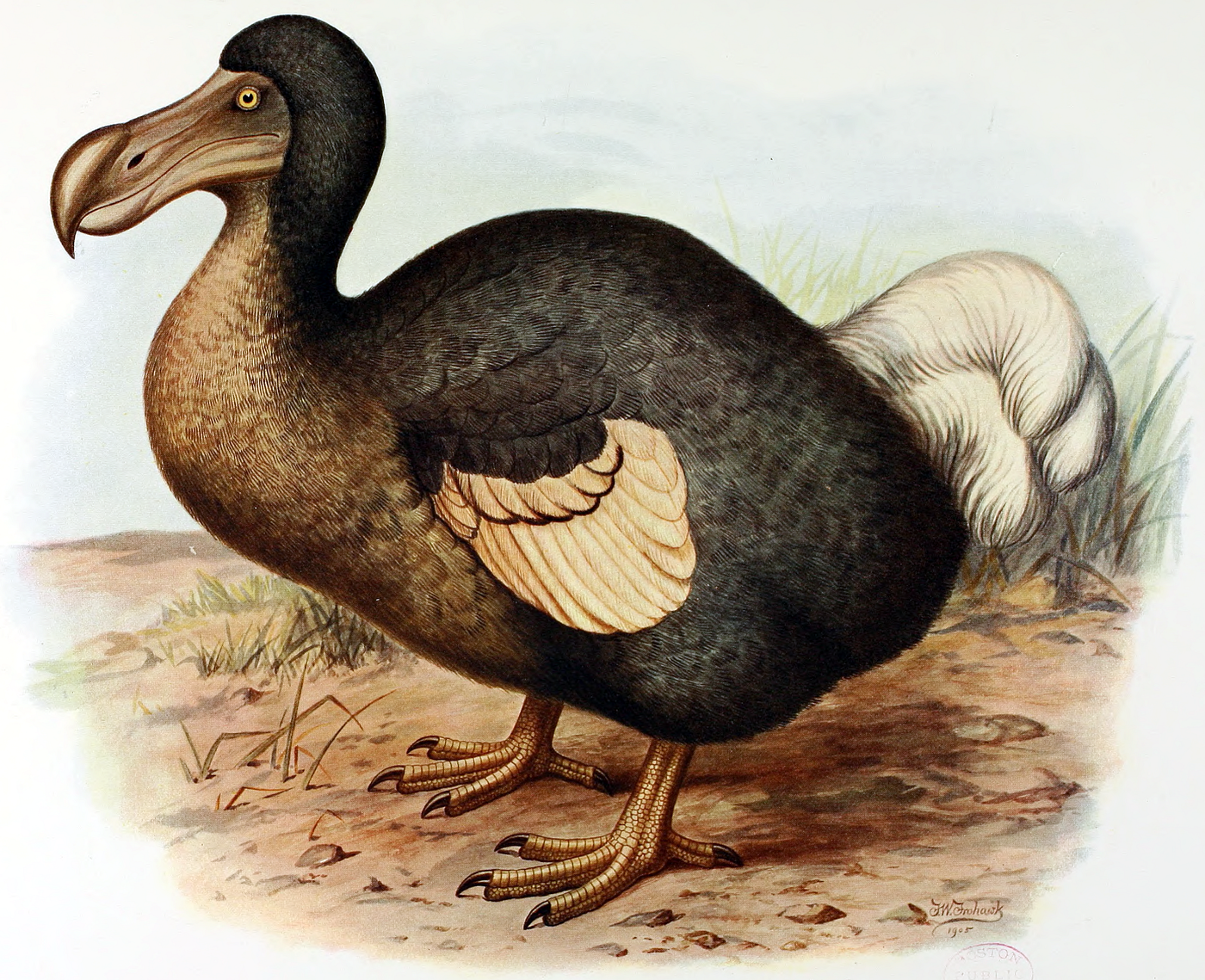
Credit: medium.com
Extinction Factors
The dodo bird is famous for going extinct many years ago. Scientists wonder if it had natural predators. This helps us understand why it disappeared.
Two main reasons link to the dodo's extinction: predation pressure and environmental changes. Both played important roles in its survival.
Predation Pressure
The dodo lived on Mauritius island where it had few natural enemies. Before humans arrived, no big animals hunted it. Its size and lack of fear made it easy prey later.
- Introduced animals like rats ate dodo eggs.
- Pigs and monkeys preyed on young dodos.
- Humans hunted adult dodos for food.
Environmental Changes
Changes in the dodo’s habitat also affected its survival. Forests were cut down for farming and settlements. This reduced food and shelter for the dodo.
| Environmental Factor | Impact on Dodo |
| Deforestation | Lost habitat and food sources |
| New species | Increased competition and predators |
| Human activity | Hunting and habitat destruction |
Lessons From The Dodo's Fate
The dodo bird lived only on Mauritius island. It had no natural predators before humans arrived. This made it easy prey for new threats.
The dodo’s extinction shows what happens when an animal faces new dangers. We learn important lessons about protecting wildlife.
Conservation Implications
The dodo’s extinction warns us about the risks of introducing new animals. Predators like rats, pigs, and monkeys harmed dodos and their eggs.
Conservation must focus on stopping invasive species. Protecting native animals needs careful planning and action.
- Prevent new predators from arriving on islands
- Control or remove invasive species already present
- Educate people about the dangers of bringing animals to new places
Protecting Island Species
Island animals often have no defenses against predators. The dodo shows how fragile island life can be.
Protecting island species means keeping their environment safe. It also means acting fast if new threats appear.
- Keep islands free from invasive animals
- Restore habitats damaged by humans or pests
- Support breeding programs for endangered island animals
Frequently Asked Questions
Did The Dodo Bird Have Natural Predators In The Wild?
The dodo bird had no significant natural predators before humans arrived. Its isolated habitat on Mauritius lacked large carnivores. This absence made the dodo vulnerable to new threats introduced by humans and invasive species.
What Animals Threatened The Dodo Bird After Human Arrival?
After humans settled on Mauritius, introduced animals like rats, pigs, and monkeys preyed on dodo eggs and chicks. These invasive species disrupted the dodo’s reproductive cycle, contributing to its extinction.
Why Couldn’t The Dodo Bird Defend Itself Effectively?
The dodo bird was flightless and unafraid of predators due to isolation. It lacked natural defense mechanisms, making it easy prey for new predators introduced by humans.
How Did Human Activity Impact Dodo Predators?
Humans hunted dodos for food and destroyed their habitat. They also brought invasive species, which became new predators. This human impact drastically increased dodo mortality.
Conclusion
The dodo bird lived without many threats for a long time. It thrived in Mauritius, an island with few predators. But humans arrived, bringing change. They hunted the dodo and brought other animals. These new animals ate dodo eggs and competed for food.
The dodo's peaceful life quickly altered. Without strong defenses, it couldn't survive these new dangers. Its story teaches us about the impact of humans on nature. Conservation is crucial to protect today's vulnerable species. Learning from the past can guide us to a better future.
Let's ensure no more species share the dodo's fate.