Have you ever wondered if bears are sneaking into your backyard just to eat the bird seed you put out? If you’re a bird lover or a homeowner, this question might be on your mind—especially if you’ve noticed your bird feeders looking emptier than usual.
Understanding whether bears are attracted to bird seed can help you protect your property and keep those feathered friends safe. Keep reading to discover the surprising truth about bears and bird seed, and learn what you can do to keep your outdoor space secure.

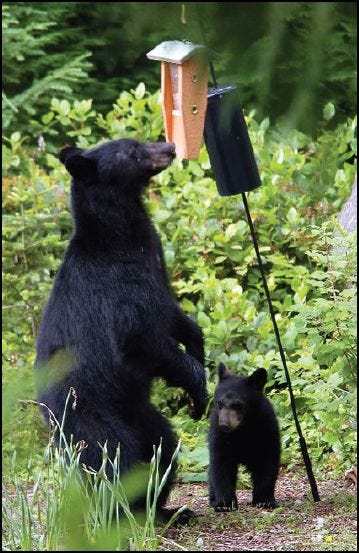
Credit: www.gazettenet.com
Bears And Their Diet
Bears eat many types of food depending on where they live. Their diet changes with the seasons and food availability.
People often wonder if bears eat bird seed. This question helps us learn more about what bears like to eat.
Typical Bear Food Choices
Bears eat plants, insects, fish, and small animals. They also like fruits, nuts, and roots. Bears eat what they find near their home.
Bird seed can attract bears because it has seeds and grains. Bears are curious and may eat bird seed if they find it.
- Berries and fruits
- Roots and plants
- Fish and small mammals
- Insects and larvae
- Bird seed and grains
Nutritional Needs Of Bears
Bears need fats, proteins, and carbohydrates to stay healthy. These help them build energy and keep warm in winter.
Bird seed can provide some nutrients, but bears get most nutrition from natural foods. They eat a mix to balance their diet.
| Nutrient | Purpose for Bears |
|---|---|
| Fats | Energy storage and warmth |
| Proteins | Muscle repair and growth |
| Carbohydrates | Quick energy |
| Vitamins and Minerals | Overall health and immune system |
Bird Seed Components
Bird seed is a mix of many seeds that feed wild birds. It helps birds get energy and stay healthy.
Different seeds provide different nutrients. Knowing these helps us understand what animals like bears might eat.
Common Seeds In Bird Feed
Bird feed often has several common seeds. Each seed type attracts different birds and offers unique nutrients.
- Sunflower seeds
- Millet
- Safflower seeds
- Cracked corn
- Nyjer (thistle) seeds
- Peanuts
Nutritional Value For Wildlife
Seeds in bird feed provide fats, proteins, and carbohydrates. These nutrients help wildlife stay strong and active.
| Seed Type | Main Nutrients | Wildlife Benefits |
| Sunflower Seeds | Fat, Protein | Energy for birds and small mammals |
| Millet | Carbohydrates, Protein | Easy to digest, good for small birds |
| Safflower Seeds | Fat, Protein | Supports feather growth and energy |
| Cracked Corn | Carbohydrates | Provides quick energy to ground-feeding birds |
| Nyjer Seeds | Fat, Protein | Favored by finches for energy |
| Peanuts | Fat, Protein | High energy source for many birds |
Why Bears Are Attracted To Bird Seed
Bears have a strong sense of smell and taste. This makes bird seed very tempting to them.
Bird seed is easy for bears to find and eat, especially near homes or feeders.
Scent And Taste Factors
Bird seed has a strong smell that attracts bears from far away. Seeds often have oils and fats that bears like.
Bears enjoy the taste of many bird seeds. Sunflower seeds, for example, are high in fat and very tasty to bears.
- Bird seed smells strong and sweet
- Seeds have fats and oils that bears crave
- Bears like the crunchy texture
Availability And Convenience
Bird seed is easy for bears to find near bird feeders. It is often left outside and unprotected.
Bears choose bird seed because it is a quick and easy food source. It requires no hunting or digging.
- Bird seed is often left in open containers
- Feeders attract birds and also bears
- Bears can eat bird seed anytime
Incidents Of Bears Eating Bird Seed
Bears are curious animals that explore many food sources. Bird seed is one such unusual food they may try.
People often wonder if bears really eat bird seed and what causes this behavior.
Real-life Sightings And Reports
Many reports show bears visiting bird feeders to eat the seed. This often happens in areas near forests or mountains.
- Residents in rural areas report bears knocking down feeders.
- Wildlife cameras capture bears eating mixed seeds from feeders.
- Some bears prefer high-fat seeds like sunflower seeds.
- Reports show bears visiting feeders mostly in late summer and fall.
Patterns In Bear Behavior
Bears eat bird seed when natural food is scarce or easy food is near. This behavior links to their need to store fat for winter.
| Behavior Pattern | Description |
| Opportunistic Feeding | Bears try easy food like bird seed when available. |
| Seasonal Timing | Bears eat more bird seed in late summer and fall. |
| Preference for Fatty Seeds | Sunflower and safflower seeds attract bears more. |
| Repeated Visits | Bears may return to feeders multiple times in one season. |
Risks Of Feeding Bears Bird Seed
Bears are curious animals and may eat bird seed if they find it. People often put bird seed outside for birds, not knowing bears might come. Feeding bears bird seed can cause problems for both bears and humans.
It is important to understand the risks before leaving bird seed where bears can reach it. This helps keep bears healthy and people safe.
Impact On Bear Health
Bears need natural foods to stay healthy. Bird seed is not part of their normal diet. Eating bird seed can cause bears to get sick or have poor nutrition.
Bird seed often contains salt and fats that can harm bears. It may also cause bears to become dependent on human food. This changes their natural behavior and diet.
- Risk of obesity and poor nutrition
- Dependence on human food sources
- Possible digestive problems
- Disruption of natural foraging habits
Safety Concerns For Humans
Bears that eat bird seed may come closer to homes and people. This increases the chance of dangerous encounters. Bears can become aggressive if they expect food from humans.
Feeding bears, even unintentionally, can lead to property damage and injuries. It is safer to keep bird seed out of reach from bears.
- Bears may approach people for food
- Increased risk of bear attacks
- Damage to gardens and property
- Need for wildlife control or removal

Credit: www.bearteam.info
Preventing Bears From Accessing Bird Seed
Bears are strong and smart animals. They can easily break into bird feeders. This can be dangerous for both bears and people.
Keeping bird seed safe from bears helps protect wildlife. It also keeps your yard clean and safe.
Bear-proof Feeders And Storage
Use bird feeders made with strong metal or heavy plastic. These feeders are hard for bears to damage. Some feeders have special locks to keep bears out.
Store bird seed in heavy metal containers with tight lids. Keep these containers inside a locked shed or garage. This stops bears from smelling and reaching the seed.
- Choose feeders labeled bear-resistant
- Use metal or thick plastic feeders
- Lock feeders securely to poles or trees
- Store seed in sealed metal containers
- Keep seed containers indoors or in locked areas
Best Practices For Bird Feeding
Feed birds only during daylight hours. Remove feeders at night to avoid attracting bears. Clean up spilled seed daily to reduce smells.
Place feeders away from your house and garbage bins. This lowers the chance that bears will come near your home.
- Feed birds in the morning and remove feeders at night
- Clean up spilled seed under feeders every day
- Keep feeders away from houses and trash cans
- Do not leave seed on the ground
Alternatives To Bird Seed For Feeding Wildlife
Bird seed attracts many types of birds to your yard. Some wildlife, like bears, also find bird seed tasty. This can cause problems for both the animals and you.
Using alternatives to bird seed helps feed birds safely. It also keeps other animals away from your feeding area.
Safe Options For Birds
Birds enjoy many natural foods besides bird seed. These options provide good nutrition and attract birds without inviting bears.
- Suet blocks made from animal fat and seeds
- Fresh fruits like apples, oranges, and berries
- Peanut butter spread on pine cones or tree bark
- Mealworms for insect-eating birds
- Chopped nuts such as walnuts and almonds
Keeping Bears At A Distance
Bears are attracted to bird seed and feeders. Use these tips to stop bears from visiting your yard.
| Method | Details |
| Remove Feeders at Night | Bears are active at night. Take feeders down after sunset. |
| Use Bear-Proof Feeders | Choose feeders designed to be hard for bears to open. |
| Place Feeders High | Mount feeders on poles or hang them from trees out of reach. |
| Clean Up Spilled Seed | Remove fallen seeds to avoid attracting bears. |
| Avoid Sweet or Fatty Foods | Do not offer foods that are especially tempting to bears. |

Credit: globalnews.ca
Frequently Asked Questions
Do Bears Actually Eat Bird Seed?
Yes, bears can eat bird seed, especially if other food is scarce. Bird seed contains nuts, grains, and fruits that attract bears. They are opportunistic feeders and will eat what is available, including bird seed from feeders.
Why Are Bears Attracted To Bird Feeders?
Bears are attracted to bird feeders because they contain high-calorie seeds and nuts. The easy access to food makes feeders an attractive source. Bears have a strong sense of smell and can detect bird seed from a distance.
How To Prevent Bears From Eating Bird Seed?
To prevent bears from eating bird seed, use bear-proof feeders or take feeders down at night. Clean up spilled seeds regularly to avoid attracting bears. Secure trash and compost bins to reduce food sources near your home.
Is Bird Seed Safe For Bears To Eat?
Bird seed is generally safe for bears but not a natural diet. It provides calories but lacks all essential nutrients bears need. Eating bird seed occasionally won’t harm bears but reliance on it can affect their natural foraging habits.
Conclusion
Bears do eat bird seed. They find it tasty and convenient. Bird feeders attract them, especially in spring and fall. To keep bears away, remove feeders at night. Use bear-proof containers for seed storage. Clean up spilled seed regularly. This helps prevent unwanted bear visits.
Always prioritize safety in bear-prone areas. Respect wildlife and their natural habits. Understanding bear behavior keeps both you and bears safe. Remember, coexisting peacefully is key.