Are you wondering Does a Bird House Need a Perch? It’s a common question for anyone who wants to create a safe and welcoming home for birds.
You might think a perch makes it easier for birds to land and rest, but is it always helpful? Understanding whether a perch is necessary can make a big difference in attracting the right birds and keeping them safe. Keep reading to find out the surprising truth about bird house perches and how you can make your bird house perfect for your feathered visitors.

Credit: studyfinds.org
Purpose Of A Bird House Perch
A bird house perch is a small stick or rod outside the entrance hole. It gives birds a place to land before entering. Many people wonder if a perch is necessary for birdhouses.
Some birdhouses have perches, while others do not. The perch’s main purpose is to help birds rest and enter the house safely. It also plays a role in bird comfort and behavior.
Role In Bird Comfort
A perch helps birds feel safe when they visit the birdhouse. It gives them a spot to land and look around before going inside. This makes the birdhouse more welcoming.
Birds can rest on the perch, especially if they are tired or watching for predators. A comfortable perch can encourage birds to use the birdhouse more often.
Perch And Bird Behavior
Birds use perches to communicate and observe their surroundings. They can sing or call from the perch to attract mates or warn others of danger. The perch acts as a small stage for these behaviors.
Some birds prefer birdhouses without perches because predators might use them too. It is important to know which birds you want to attract before adding a perch.
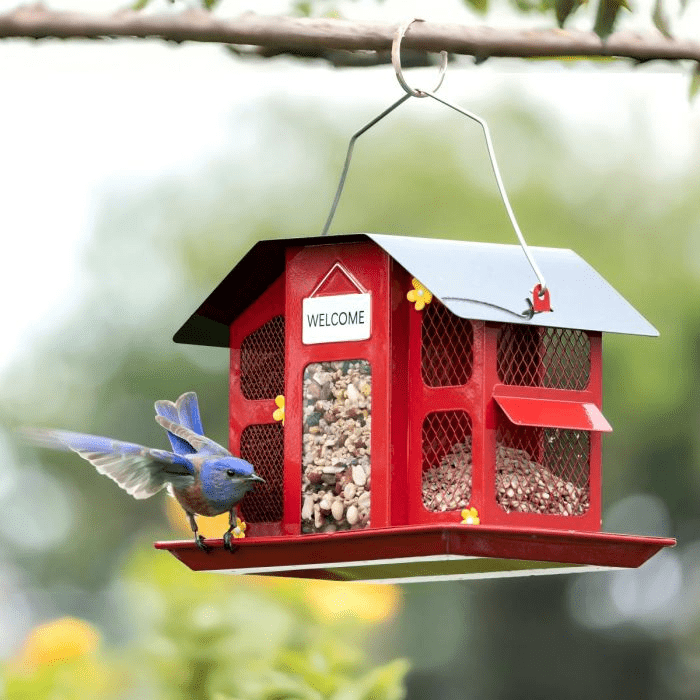
Credit: www.kingsyard.com
Types Of Perches For Bird Houses
Bird houses sometimes have perches outside the entrance. These perches give birds a place to rest. Choosing the right type of perch helps birds feel safe and comfortable.
Perches can be natural or artificial. Each type has its own benefits and drawbacks. Knowing the difference helps you pick the best perch for your bird house.
Natural Vs. Artificial Perches
Natural perches come from tree branches or sticks. Birds like them because they are rough and easy to grip. Natural perches blend well with the environment.
Artificial perches are made from plastic, metal, or wood dowels. They are easy to clean and last longer. Some birds may find them slippery or hard to hold.
- Natural perches: Rough texture, natural look, may wear out fast
- Artificial perches: Durable, easy to clean, may feel unnatural
Materials That Work Best
Picking the right material for a perch is important. The material must be safe and strong. It should allow birds to grip easily without slipping.
| Material | Pros | Cons |
| Wood | Natural feel, good grip | Can rot or splinter |
| Metal | Very strong, long-lasting | Slippery, can get hot in sun |
| Plastic | Easy to clean, durable | Slippery, less natural |
| Natural Branch | Best grip, natural look | Needs replacement often |
Pros And Cons Of Adding A Perch
Bird houses sometimes have a small perch near the entrance. People wonder if adding a perch is good or bad for birds. This article looks at the benefits and risks of putting a perch on a bird house.
We will explore how different bird species use perches and what problems might come from them. This helps you decide if a perch fits your bird house design.
Benefits For Different Bird Species
Some birds find perches helpful for landing or watching for predators. Perches can also make it easier for birds to enter and leave their nests.
- Songbirds like finches use perches to rest before entering the house.
- Woodpeckers and nuthatches may use a perch to hold food.
- Perches give birds a place to clean their feathers.
- Parents use perches to feed their chicks safely outside the nest.
Potential Risks And Drawbacks
Perches can sometimes attract predators or cause harm to the birds. They can also make the bird house less safe.
| Risk | Description |
| Predators | Perches give hawks or cats a place to wait for birds. |
| Accidents | Birds may fall or injure themselves on small or weak perches. |
| Increased dirt | Perches can collect droppings, making cleaning harder. |
| Space issues | Some birds do not need perches and may avoid houses that have them. |
Wildlife Conservationists warn about the “leverage effect”: “A perch acts as a literal handle for predators. Species like house cats, raccoons, and crows lack the natural ability to cling to a flat wooden surface. By providing a perch, you give these predators a steady platform to stand on while they reach their paws or beaks into the entrance hole to pull out eggs, nestlings, or even the brooding parent.”

Credit: www.amazon.sa
Alternatives To Traditional Perches
Many bird houses include small perches outside their entrances. These perches seem helpful, but they can cause problems. Some birds do not need perches to enter their homes.
There are ways to design bird houses without using traditional perches. These designs keep birds safe and comfortable without extra parts that can attract predators.
Designing Perch-free Bird Houses
Perch-free bird houses rely on the natural behavior of birds. Many species can cling to surfaces or hop directly inside without using a perch. This reduces risks from predators and prevents unwanted guests from taking over.
- Keep the entrance hole smooth and sized for the target bird.
- Place the bird house on a stable surface or hang it securely.
- Ensure the inside space is comfortable for nesting without extra ledges.
- Use materials that birds can grip easily, like rough wood.
Using Internal Structures
Inside the bird house, internal structures can help birds feel safe. Small ledges or textured walls give birds places to perch inside. These do not expose birds to outside threats like external perches do.
| Internal Feature | Purpose |
| Textured walls | Help birds grip easily |
| Small ledges | Offer resting spots inside |
| Ventilation holes | Keep air flowing without drafts |
| Drainage holes | Prevent water buildup inside |
Tips For Installing And Maintaining Perches
Adding a perch to a bird house can help birds land safely. It also gives them a place to rest. Proper installation and care keep the perch useful and safe.
Use the right size and place the perch well. Clean it often to keep birds healthy. Follow simple tips for best results.
Optimal Placement And Size
Place the perch near the entrance hole but not too close. It should be easy for birds to land and enter. The size of the perch matters. It must fit the bird species you want to attract.
- Keep perch length about 4 to 6 inches for small birds.
- Use smooth wood to avoid hurting birds’ feet.
- Attach the perch below or beside the entrance hole.
- Make sure the perch is sturdy and well fixed.
- Avoid perches that block the entrance.
Cleaning And Safety Measures
Clean the perch regularly to prevent dirt and parasites. Check for damage that could hurt birds. Use safe materials for repairs and avoid toxic chemicals.
| Cleaning Task | Frequency | Notes |
| Wipe perch surface | Weekly | Use mild soap and water |
| Inspect for cracks | Monthly | Replace if damaged |
| Remove debris | After heavy weather | Check after storms or wind |
| Apply bird-safe paint | Yearly | Optional, for weather protection |
Observing Bird Preferences
Birdhouses may or may not need perches. Watching birds helps you decide. Each bird species acts differently near perches.
Noticing how birds use or avoid perches can guide your birdhouse design. This helps create a safe and welcoming home.
Signs Birds Like Or Avoid Perches
Birds that use perches often sit or rest on them. They may also use them to look for food or watch for danger.
If birds avoid a perch, they might fly past or stay away from the birdhouse. They may also ignore the perch while entering or leaving.
- Birds sitting calmly on the perch show they like it
- Frequent use of perch for landing or takeoff is a good sign
- Avoidance of the perch means it may be unsafe or uncomfortable
- Birds entering the house without using the perch may prefer no perch
Adjusting Based On Bird Activity
Watch bird visits over days or weeks. Change the perch if birds seem unsure or do not use it.
You can try removing or adding a perch to see what works best. Small changes can make a big difference for bird comfort.
- Add a perch if birds land but do not enter
- Remove the perch if birds avoid the birdhouse
- Try different perch sizes to match bird species
- Place the birdhouse in a quiet spot to encourage visits
Frequently Asked Questions
Does A Birdhouse Need A Perch For Birds?
No, a birdhouse does not need a perch. Perches can help predators access nests easily. Birds usually land on the entrance hole directly, making perches unnecessary and sometimes harmful.
What Are The Risks Of Having A Perch On Birdhouses?
Perches can invite predators like cats and squirrels to attack nests. They also make it easier for competing birds to invade. Removing perches increases safety and encourages natural bird behavior.
How Do Birds Enter A Birdhouse Without A Perch?
Birds naturally cling to the entrance hole edges using their feet. They don’t require a perch to land or enter. The hole design itself supports their grip and access to the nest.
Can Removing The Perch Improve Birdhouse Safety?
Yes, removing the perch enhances birdhouse safety. It reduces predator access and discourages invasive species. This simple step creates a safer environment for nesting birds.
Conclusion
Birdhouses can work well without a perch. Many birds prefer no perch. Predators find it harder to reach inside. A clean design keeps birds safe and happy. Plus, birds can easily enter and exit. Consider the species you want to attract.
Some birds might not mind a perch. Others might avoid it. Think about your local birds’ needs. A simple, perch-free design often works best. Remember, a safe birdhouse keeps birds coming back. So, choose what suits your garden and bird visitors.
Happy birdwatching!