Have you ever wondered Does Kiwi Bird Eat Kiwi Fruit? This curious question might have popped into your mind during a trivia game or while enjoying a juicy slice of kiwi.
It’s easy to assume a connection between the two because of their shared name, but the reality might surprise you. We’ll dive into the eating habits of the quirky kiwi bird and explore whether it has a taste for the fruit that shares its name.
Get ready to uncover some fascinating facts about Does Kiwi Bird Eat Kiwi Fruit that might change the way you think about this unique bird and its potential fruity cravings. You’ll be amazed by what you discover, so stick around!

Credit: medium.com
Kiwi Bird Diet
The kiwi bird is a unique, flightless bird from New Zealand. It has a special diet that keeps it healthy and strong.
This diet is different from what many think. The kiwi bird does not eat kiwi fruit, even though they share the same name.
Natural Food Sources
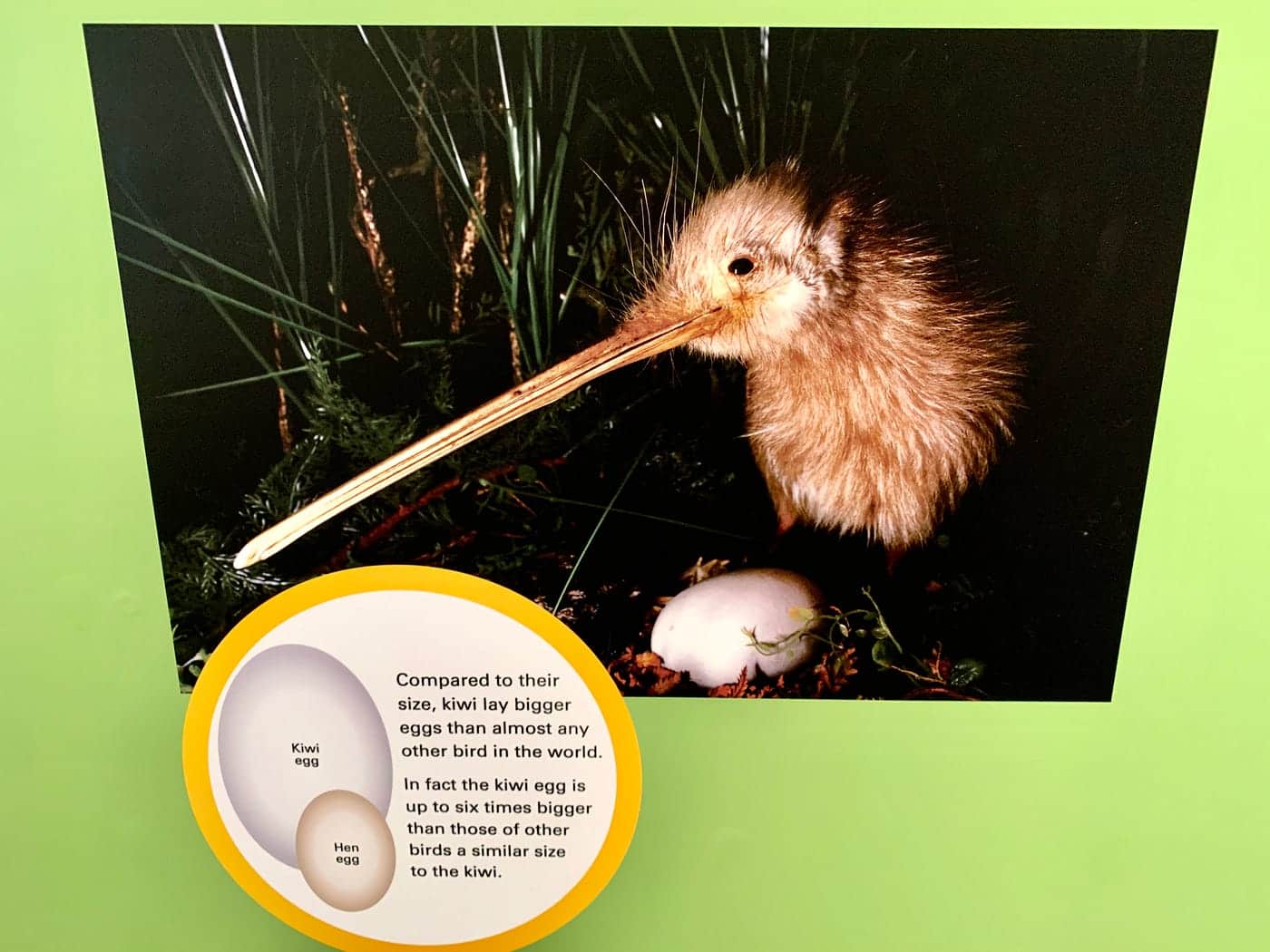
Kiwi birds eat food found on the forest floor. They use their long beaks to search in the soil and leaf litter. Their diet includes many natural items.
Insects And Invertebrates
Insects and small creatures make up the main part of the kiwi bird’s diet. They find worms, beetles, and other invertebrates under leaves and dirt.
- Earthworms
- Beetle larvae
- Spiders
- Centipedes
- Snails and slugs
Plant Matter In Diet
Kiwi birds also eat some plant matter. They enjoy seeds, berries, and fruits found in their habitat. This helps add variety to their diet.
| Plant Matter | Examples |
| Seeds | Native tree and shrub seeds |
| Berries | Wild berries found in forests |
| Fruits | Small native fruits, not kiwi fruit |

Credit: www.earthofbirds.com
Kiwi Fruit Characteristics
The kiwi fruit is a unique and tasty fruit known for its bright green flesh and tiny black seeds. It is popular worldwide for its flavor and health benefits.
This fruit grows on vines and has a fuzzy brown skin. It is often eaten fresh or used in desserts and salads.
Origin And Growth
Kiwi fruit originally comes from China, where it grew wild for centuries. It was called the Chinese gooseberry before getting the name kiwi.
Today, kiwi is grown in many countries like New Zealand, Italy, and the United States. The plant grows best in cool climates and needs plenty of water.
Nutritional Content
Kiwi fruit is rich in vitamins and minerals that support good health. It has a lot of vitamin C, which helps the body fight illness.
| Nutrient | Amount per 100g |
| Vitamin C | 92.7 mg |
| Vitamin K | 40.3 mcg |
| Fiber | 3 g |
| Potassium | 312 mg |
| Calories | 61 kcal |
Taste And Texture
The taste of kiwi fruit is a mix of sweet and tart. Many describe it as a blend of strawberry, banana, and melon flavors.
- The skin is brown and fuzzy but edible.
- The flesh is bright green with tiny black seeds.
- The texture is soft and juicy, easy to bite into.
Kiwi Birds And Kiwi Fruit Interaction
Kiwi birds and kiwi fruit share the same name, but they are very different. One is a bird, and the other is a fruit. People often wonder if kiwi birds eat kiwi fruit.
This topic looks at how kiwi birds and kiwi fruit relate. We explore whether these birds eat the fruit and what their diet usually includes.
Do Kiwi Birds Eat Kiwi Fruit?
Kiwi birds do not eat kiwi fruit. They mostly eat insects, worms, and small animals. Their diet is mostly made up of protein from these sources.
Kiwi fruit grows on vines, and kiwi birds live on the ground. This makes it hard for them to reach the fruit.
Reasons For Dietary Choices
Kiwi birds choose food that is easy to find on the forest floor. They have long beaks to dig for insects and worms in the soil.
Kiwi fruit is not part of their diet because it does not provide the nutrients they need. Protein is important for their survival and growth.
- Kiwi birds eat insects, worms, and small animals.
- They use their long beaks to find food in the soil.
- Kiwi fruit grows on vines, out of their reach.
- The fruit does not offer enough protein for their diet.
Observations In The Wild
Scientists have watched kiwi birds in the wild to learn about their eating habits. They rarely see kiwi birds eating fruit of any kind.
Kiwi birds mostly search the ground at night for insects and other small creatures. They avoid plants and fruits during their feeding time.
- Kiwi birds are nocturnal feeders.
- They search soil and leaf litter for insects.
- Fruit is not a common food in their natural diet.
- Kiwi fruit grows in places kiwi birds do not usually visit.

Credit: www.peckperk.com
Misconceptions About Kiwi Birds
Kiwi birds are unique animals found only in New Zealand. Many people have wrong ideas about them. These myths can confuse people about what kiwi birds really are.
This article clears up some common misunderstandings about kiwi birds. It explains why the name is confusing and what myths exist about them.
Name Confusion
The name “kiwi” refers to both a bird and a fruit. This causes mix-ups. Many think kiwi birds eat kiwi fruit. But they do not.
Kiwi birds eat insects, worms, and small animals. They do not eat the kiwi fruit, which is a plant product from another part of the world.
Cultural Associations
Kiwi birds are a symbol of New Zealand. People from New Zealand are often called “Kiwis” too. This link between the bird and people adds to the confusion.
The fruit was named after the bird because of its fuzzy brown skin. This naming connects the bird and fruit in the mind of many people.
Common Myths
Some myths say kiwi birds eat kiwi fruit or live in kiwi fruit trees. Neither is true. Kiwi birds live on the ground in forests and grasslands.
- Kiwi birds are nocturnal and shy.
- They use their long beaks to find food underground.
- Kiwi birds do not climb trees or eat fruit.
Conservation And Habitat
The kiwi bird is a unique and important species native to New Zealand. Protecting its habitat is key to its survival.
Understanding the kiwi’s habitat, threats, and diet helps in planning conservation efforts.
Kiwi Bird Habitat Needs
Kiwi birds need dense forests, scrublands, and grasslands to live safely. They prefer places with lots of leaf litter and soft soil.
- Thick vegetation for shelter and nesting
- Plenty of insects and worms for food
- Safe burrows or hollow logs for eggs
- Low predator presence
Threats To Survival
Kiwi birds face many dangers that reduce their numbers. These threats come from both nature and human actions.
| Threat | Impact |
| Predators like dogs, cats, and stoats | Attack adults and chicks |
| Habitat loss from deforestation | Reduces safe living space |
| Human activity and roads | Cause injury and death |
| Climate changes | Affect food availability |
Role Of Diet In Conservation
Kiwi birds mainly eat insects, worms, and small invertebrates. They do not eat kiwi fruit despite the name.
Diet supports conservation by:
- Keeping kiwi healthy and strong
- Helping them reproduce successfully
- Ensuring food sources are protected in habitats
Frequently Asked Questions
Does The Kiwi Bird Eat Kiwi Fruit?
No, kiwi birds do not eat kiwi fruit. They are native New Zealand birds that primarily eat insects, worms, and small invertebrates. Kiwi fruit is not part of their natural diet in the wild.
What Does The Kiwi Bird’s Diet Mainly Consist Of?
Kiwi birds mainly eat insects, worms, grubs, and other small invertebrates. They use their long beak to probe soil and leaf litter for food.
Can Kiwi Birds Digest Fruits Like Kiwi?
Kiwi birds are not adapted to digest fruits like kiwi. Their digestive systems are suited for protein-rich animal prey, not sugary fruits.
Is Kiwi Fruit Named After The Kiwi Bird?
Yes, the kiwi fruit is named after the kiwi bird due to its brown, fuzzy skin resembling the bird’s feathers.
Conclusion
Kiwi birds do not eat kiwi fruit in the wild. Their diet mostly includes insects, worms, and small creatures. Kiwi fruit grows in different areas from where kiwi birds live. People often confuse the bird’s name with the fruit. Both share the same name but are not connected in eating habits.
Understanding this helps clear up common myths. Nature has its own way of feeding each species. Learning about kiwi birds shows how unique they really are.