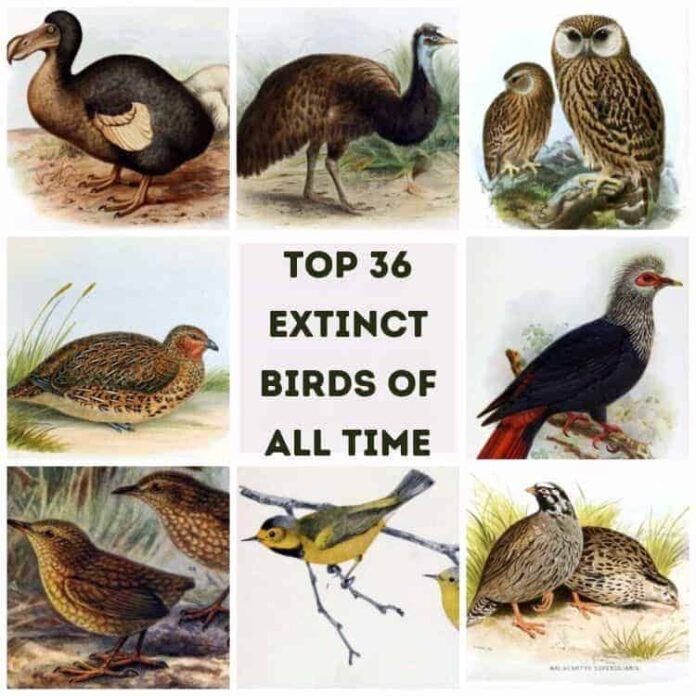
Have you ever wondered what happens when beautiful birds start disappearing from our skies? Endangered birds are facing a serious threat, and poaching is one of the biggest reasons behind their decline.
This isn't just about nature; it affects your world too. When these birds vanish, it disrupts the balance of life and weakens the environment you depend on. Keep reading to discover how poaching harms these precious creatures and what you can do to help protect them before it’s too late.
Endangered Bird Species At Risk
Many bird species around the world face serious threats to their survival. These birds are losing their homes and are hunted illegally. Protecting them is very important.
Poaching and habitat loss are the main reasons these birds are endangered. We must understand which species are most at risk.
Critically Endangered Birds
Critically endangered birds are at the highest risk of extinction. Their numbers are very low, often fewer than a hundred left.
Many of these birds are hunted for feathers or kept as pets. Their survival depends on strong protection efforts.
- California Condor
- Spix's Macaw
- Forest Owlet
- Imperial Amazon
Vulnerable Bird Populations
Vulnerable birds face a high risk of becoming endangered soon. Their populations are shrinking due to human activities.
Protecting vulnerable species helps stop their decline before it becomes critical.
- Snowy Plover
- Yellow-eyed Penguin
- Greater Sage-Grouse
- Mariana Fruit Dove
Habitats Under Threat
Birds depend on safe habitats to live and breed. Many habitats are shrinking due to deforestation and development.
Loss of wetlands, forests, and grasslands puts many birds in danger. Protecting these areas is key to saving species.
- Tropical rainforests
- Coastal wetlands
- Grasslands and savannas
- Mangrove forests

Credit: news.mongabay.com
Poaching And Illegal Trade
Many bird species face danger because of poaching. Poachers catch birds to sell them illegally.
Illegal trade harms bird populations worldwide. It pushes some species close to extinction.
Drivers Behind Poaching
People poach birds for money, pet trade, and traditional medicine. Some want rare birds as trophies.
Weak laws and poor enforcement make poaching easier. High demand in markets encourages poachers.
- Profit from selling birds or feathers
- Use in traditional medicine or rituals
- Keeping exotic birds as pets
- Lack of strict laws or enforcement
- High demand in local and global markets
Impact On Bird Populations
Poaching reduces bird numbers quickly. Some species lose so many that they cannot recover.
Loss of birds affects ecosystems. Birds help control insects and spread seeds for plants.
- Decline in species numbers
- Disruption of natural ecosystems
- Loss of biodiversity
- Threat to endangered species survival
Commonly Trafficked Species
Many birds are targets for illegal trade. Some are hunted for their feathers or beauty.
Here are some bird species often trafficked by poachers.
- Parrots and macaws
- Birds of paradise
- Hornbills
- Pheasants
- Eagles and other raptors
Conservation Strategies
Endangered birds face many dangers, including poaching. Conservation strategies help protect these birds and save their species.
These strategies focus on safe habitats, community work, and new tools to stop illegal hunting.
Protected Areas And Reserves
Protected areas and reserves keep birds safe by limiting human activities. These places provide homes where birds can live and breed.
Many countries set up parks and wildlife sanctuaries to stop poachers from entering. These areas also help keep the environment healthy.
- Limit hunting and logging inside reserves
- Create safe nesting spots for birds
- Monitor bird populations regularly
Community Involvement
Local people play a key role in protecting endangered birds. Communities can help by reporting poachers and caring for bird habitats.
Training and education programs teach people why birds matter and how to protect them. This creates support for conservation efforts.
- Educate villagers about bird protection
- Encourage local monitoring of wildlife
- Offer jobs linked to conservation work
Anti-poaching Technologies
New technologies help catch poachers before they harm birds. Tools like drones, cameras, and sensors watch protected areas.
These devices send alerts to rangers so they can act fast. Technology makes it harder for poachers to hide and helps keep birds safe.
- Drones monitor large and remote areas
- Motion cameras record illegal activities
- GPS trackers follow bird movements

Credit: www.wildlifenomads.com
Policy And Legal Actions
Endangered birds face many threats, including poaching. Strong policies and laws help protect these birds.
Legal actions work to stop illegal hunting and trade of rare birds. Governments and groups create rules to save them.
International Agreements
Many countries join global agreements to protect endangered birds. These agreements set rules for hunting and trade.
One key treaty is CITES. It controls trade of wild animals and plants. It helps stop poaching across borders.
- CITES bans trade of many endangered bird species
- Countries report their wildlife trade regularly
- Member countries work together to enforce rules
National Wildlife Laws
Countries have laws to protect birds inside their borders. These laws stop hunting and trading endangered birds.
Many laws include fines or jail time for poachers. They also create protected areas where birds can live safely.
- Ban on hunting endangered species
- Rules for keeping or trading wild birds
- Establishing bird reserves and parks
- Penalties for breaking wildlife laws
Enforcement Challenges
Enforcing laws against poaching is hard. Poachers often work in remote areas with little oversight.
Limited resources and corruption can slow down protection efforts. It needs more training and support for officers.
- Remote locations make patrolling difficult
- Illegal trade networks are secretive
- Limited funding for wildlife agencies
- Need for better cooperation between countries
Public Awareness And Education
Endangered birds face many dangers, including poaching. People need to know why these birds are important.
Education helps communities protect birds and stop illegal hunting. Awareness can save many species.
Role Of Media
Media shares stories about endangered birds and poaching. It helps spread facts to many people fast.
News, TV, and social media show why birds must be saved. They also warn about poaching dangers.
- Shows bird habitats and beauty
- Reports on poaching cases
- Shares expert interviews
- Encourages public to act
Educational Campaigns
Schools and groups run campaigns to teach about bird protection. These programs reach children and adults.
Campaigns use posters, talks, and videos. They explain how poaching harms birds and nature.
- Workshops for local communities
- School activities on bird facts
- Distribution of flyers and leaflets
- Events on International Bird Day
Citizen Science Initiatives
Citizen science invites people to help track and protect birds. Volunteers collect data on bird sightings.
These projects teach people about bird species and threats. They give real ways to help stop poaching.
- Bird watching and recording species
- Reporting illegal hunting activities
- Helping researchers gather data
- Building community care for birds
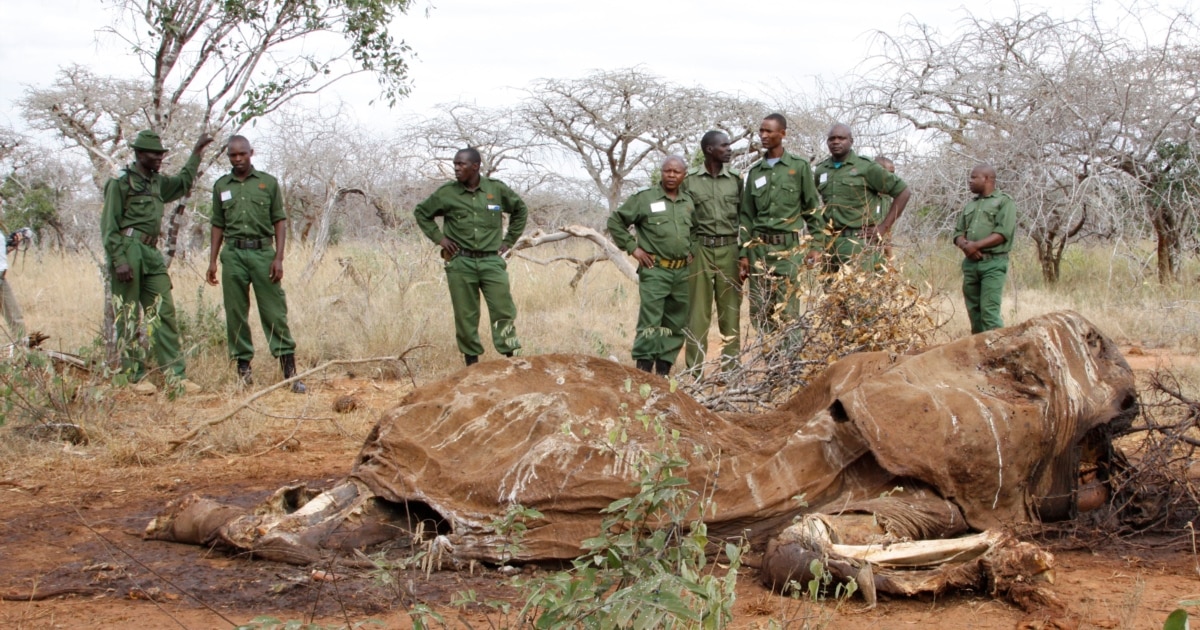
Credit: www.voanews.com
Success Stories And Case Studies
Many endangered birds face threats from poaching and habitat loss. Some species have recovered thanks to focused efforts. These success stories show how teamwork and care help save birds.
Studying these cases teaches us what works well. It also helps guide future conservation work to protect other species.
Species Recovery Examples
The California Condor was close to extinction in the 1980s. Captive breeding and careful release programs helped increase their numbers.
The Mauritius Kestrel was once the rarest bird. Protection of nesting sites and controlling predators helped its population grow.
- California Condor: from 27 birds to over 400 today
- Mauritius Kestrel: increased from 4 to hundreds in the wild
- Bald Eagle: saved by banning harmful pesticides and habitat protection
Effective Conservation Programs
Anti-poaching patrols help stop illegal hunting of birds. Local people join these teams to protect their wildlife.
Habitat restoration brings back places where birds can live and breed safely. Planting native trees and cleaning wetlands are common actions.
- Community patrols reduce poaching risks
- Captive breeding programs release healthy birds into nature
- Education raises awareness about the importance of birds
Lessons Learned
Protecting birds requires long-term work and funding. Quick fixes do not last without ongoing support.
Involving local communities helps create pride and responsibility for bird conservation. People care more when they benefit from protecting wildlife.
- Consistent funding is key to success
- Local involvement improves protection efforts
- Scientific monitoring tracks progress and guides actions
Frequently Asked Questions
What Is Poaching In Relation To Endangered Birds?
Poaching involves illegally hunting or capturing endangered birds for trade or personal use. This practice poses a severe threat to bird populations. It disrupts ecological balance and biodiversity. Many species face extinction due to poaching. Conservation efforts are crucial to combating this issue and protecting these vulnerable birds.
Why Are Birds Endangered By Poaching?
Birds are endangered by poaching due to illegal hunting and habitat destruction. Poaching reduces populations and threatens species survival. Many birds are targeted for their feathers, eggs, or as exotic pets. Conservation measures and stricter laws are vital to protect these endangered species from poachers.
How Does Poaching Impact Bird Populations?
Poaching drastically reduces bird populations by targeting rare and endangered species. It disrupts breeding patterns and ecological balance. Many birds face extinction due to continuous illegal hunting. Conservation efforts and legal actions are essential to mitigate these impacts and ensure the survival of vulnerable bird species.
What Are The Main Reasons For Bird Poaching?
Birds are poached mainly for their feathers, eggs, and as exotic pets. Some cultures value birds for traditional medicine or as status symbols. The illegal wildlife trade drives this demand. Combating poaching requires awareness, legal enforcement, and promoting sustainable alternatives to reduce demand for poached birds.
Conclusion
Endangered birds face a real threat from poaching today. Protecting these birds helps keep nature balanced. People must understand how important each bird is. Laws and education can stop illegal hunting. Communities can join efforts to save these species. Every small action counts in protecting wildlife.
Together, we can give these birds a safer future. Let's act now to preserve our planet’s beauty.