First Aid for Bleeding Bird: Emergency Care Guide
Imagine finding a bird in your yard that’s bleeding and needs your help right away. It’s natural to feel worried and unsure about what to do next.
You want to act fast but also carefully, so you don’t make things worse. Knowing the right steps for first aid can make a huge difference in saving that bird’s life. You’ll learn simple, practical tips to stop the bleeding and give your feathered friend the best chance to heal.
Understanding the basics of First Aid for Bleeding Bird is crucial for every bird lover.
Keep reading—you might be the reason a bird gets a second chance.
With knowledge of First Aid for Bleeding Bird, you can make a significant impact.
Credit: www.exoticwings.ca
Assess The Bird's Condition
When a bird is bleeding, it is important to act quickly and carefully. The first step is to check how serious the situation is.
Remember, First Aid for Bleeding Bird is about acting swiftly and effectively.
Look closely at the bird to understand what kind of help it needs. This helps you decide what to do next.
Check For Visible Wounds
Look carefully at the bird's body to find any open cuts or bleeding spots. Check the wings, legs, and feet too.
Note the size and depth of the wound. Small wounds may stop bleeding on their own. Large wounds need more care.
Identifying the type of injury is part of the First Aid for Bleeding Bird process.
- Look for fresh blood or dried blood on feathers
- Check if the skin is torn or missing feathers
- Watch for any swelling or redness around the wound
Observe Behavior And Breathing
Watch how the bird moves and breathes. Is it calm or restless? Is the breathing fast or slow?
Significant behavior changes may indicate the need for First Aid for Bleeding Bird.
These signs tell you if the bird is in shock or pain. It helps decide if you need a vet immediately.
- Look for unusual stillness or weakness
- Check if the bird is breathing quickly or with difficulty
- Notice if the bird is vocalizing more than usual
Control The Bleeding
Bleeding is a common injury in birds. It is important to stop the bleeding quickly. This helps the bird stay healthy and avoid more damage.
Effective First Aid for Bleeding Bird can prevent further complications.
Use safe and gentle ways to control the bleeding. Here are some key steps to follow.
Apply Gentle Pressure
Use your fingers or a soft cloth to press gently on the wound. This helps slow down and stop the bleeding.
Do not press too hard. Too much pressure can hurt the bird or cause more bleeding.
Use Clean Cloth Or Gauze
Cover the bleeding area with a clean cloth or sterile gauze. This keeps the wound clean and helps stop blood flow.
Change the cloth or gauze if it gets soaked with blood. Keep the wound covered until the bleeding stops.
Always ensure you are prepared with First Aid for Bleeding Bird supplies.
Avoid Tight Bandaging
Do not wrap the bandage too tightly around the bird. Tight bandages can stop blood flow to the rest of the body.
Make sure the bandage is snug but still allows the bird to move and breathe easily.
Clean The Wound
Cleaning the wound is a vital part of First Aid for Bleeding Bird.
Cleaning a bleeding bird's wound is very important. It helps stop infections and speeds healing.
Use gentle care to clean the wound without causing more pain or damage.
Use Saline Or Clean Water
Rinse the wound with saline solution or clean water. This removes dirt and debris safely.
Saline is best because it matches the bird’s natural body fluids. You can buy it or make it at home with salt and water.
- Use room temperature saline or clean water
- Gently flush the wound to clear dirt
- Do not scrub or use force
Avoid Harsh Chemicals
Do not use alcohol, hydrogen peroxide, or iodine on the bird’s wound. These chemicals can harm the tissue.
Be gentle during First Aid for Bleeding Bird to avoid causing pain.
Harsh chemicals may cause pain and delay healing. Stick to gentle cleaning with saline or water only.
Protect The Injured Area
When a bird is bleeding, it is important to protect the injured area quickly. This helps stop the bleeding and keeps the wound clean.
Protecting the area is essential in First Aid for Bleeding Bird procedures.
Handling the injured spot gently can prevent more damage and reduce pain for the bird.
Cover With Sterile Dressing
Use a sterile dressing to cover the bleeding area. This keeps dirt and germs away from the wound.
Make sure the dressing is clean and does not stick to the wound. This helps the bird heal faster.
Secure Without Restricting Movement
Secure any dressings to avoid movement, which is part of First Aid for Bleeding Bird.
Hold the dressing in place using gentle wraps or tape. Avoid making it too tight.
The bird must still be able to move its wing or leg. This prevents more stress and injury.
Keep The Bird Calm And Warm
When a bird is bleeding, it is important to keep it calm and warm. Stress can make the bleeding worse and slow down healing.
Providing a quiet and safe space helps the bird feel secure and reduces its fear. This care supports recovery after an injury.
Keeping the bird calm is an important aspect of First Aid for Bleeding Bird.
Minimize Stress And Handling
Handle the bird as little as possible. Rough or frequent handling causes stress and may increase bleeding.
- Use a soft towel to gently hold the bird if needed
- Keep your movements slow and calm
- Avoid loud noises and sudden actions
- Speak softly to help soothe the bird
- Do not try to fix the injury yourself unless trained
Provide A Quiet Environment
Place the bird in a warm, quiet area away from other pets and people. This lowers stress and keeps the bird comfortable.
Creating a tranquil environment can aid in First Aid for Bleeding Bird recovery.
| Environment | Why It Helps |
| Low noise | Reduces fear and agitation |
| Warm temperature | Prevents shock and aids healing |
| Soft bedding | Supports rest and comfort |
| Dim lighting | Calms the bird’s nerves |
When To Seek Veterinary Help
Bleeding in birds can be serious and needs quick attention. Knowing when to get help can save your bird’s life.
Knowing when to seek help is crucial in First Aid for Bleeding Bird scenarios.
Not all bleeding is an emergency. Watch your bird carefully to decide if a vet visit is needed right away.
Signs Of Severe Injury
Severe injuries cause more than a small cut. Watch for these signs to know if the injury is serious.
- Heavy bleeding that does not stop
- Deep wounds or torn skin
- Broken or hanging feathers with blood
- Bird is weak or cannot stand
- Rapid breathing or distress
- Swelling or deformity near the injury
If you see one or more of these signs, take your bird to a vet immediately.
Recognizing severe signs is part of First Aid for Bleeding Bird awareness.
Emergency Contact Tips
Keep emergency contacts ready before any accident happens. This saves time and stress.
Emergency contact tips enhance your readiness for First Aid for Bleeding Bird situations.
- Write down your avian vet’s phone number.
- Include the nearest emergency animal hospital.
- Have a contact for a wildlife rehabilitator if needed.
- Keep these numbers on your phone and visible at home.
- Know the fastest route to the vet clinic.
Call the vet right away if your bird shows signs of severe injury or if bleeding won’t stop.
Preventing Future Injuries
Taking care of a bleeding bird is important, but preventing injuries is even better. Proper care helps keep birds safe and healthy.
Setting up a safe environment and checking your bird’s health often can stop many accidents before they happen.
Safe Habitat Setup
Safe habitats contribute to the principle of First Aid for Bleeding Bird prevention.
A safe habitat keeps your bird from hurting itself. Use bird-safe materials and avoid sharp objects in the cage.
Make sure the cage has enough space to move freely. Keep it clean and away from harmful chemicals or pets.
- Use smooth perches to protect bird’s feet
- Remove any small objects bird can swallow
- Check for loose wires or sharp edges
- Place cage in a quiet, safe area
- Provide toys that are safe and not breakable
Regular Health Checks
Watch your bird daily for signs of injury or illness. Early detection helps prevent serious problems.
Regular checks align with the philosophy of First Aid for Bleeding Bird care.
Look for changes in feathers, skin, eyes, and behavior. Healthy birds are active and alert.
- Check for cuts or bleeding spots
- Observe eating and drinking habits
- Note any swelling or limping
- Clean feathers and skin regularly
- Consult a vet if you notice unusual signs

Credit: www.squirrelstore.com

Credit: www.amazon.com
Frequently Asked Questions
How To Stop Bleeding In A Bird Immediately?
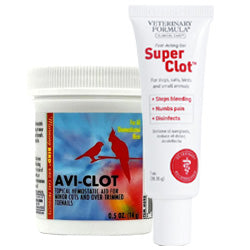
Apply gentle pressure with a clean cloth or gauze to the bleeding area. Use styptic powder or cornstarch to help clotting. Keep the bird calm and warm. Seek veterinary care if bleeding persists or is severe.
What Supplies Are Essential For Bird First Aid Bleeding Kit?
Include gauze pads, styptic powder, antiseptic wipes, tweezers, gloves, and a small towel. These items help control bleeding and keep wounds clean. Always have a bird emergency contact handy for quick professional help.
When Should I Take A Bleeding Bird To The Vet?
If bleeding is heavy, won’t stop after 10 minutes, or the wound is deep. Also visit the vet if the bird shows signs of shock, weakness, or severe distress. Early professional care prevents complications and promotes healing.
Understanding the signs is part of mastering First Aid for Bleeding Bird protocols.
Can I Use Human Medications On A Bleeding Bird?
Avoid human medications unless prescribed by a vet. Many human drugs are toxic to birds. Use bird-safe first aid supplies only. Always consult a vet before administering any medication to your bird.
Conclusion
Helping a bleeding bird can be crucial. Quick action saves lives. Always stay calm. Assess the situation first. Use clean cloth to stop bleeding. Gently wrap the bird. Contact a vet for guidance. Avoid feeding the bird immediately. Keep the bird safe and warm.
Every step in First Aid for Bleeding Bird can make a difference in outcomes.
Act with care and patience. Your actions make a difference. Birds need gentle handling. Stay informed and prepared. Your knowledge helps in emergencies. Protect and care for nature’s creatures. Every effort counts. Share this knowledge with friends. Encourage others to help birds in need.
Small steps lead to big impacts.
Ultimately, the knowledge of First Aid for Bleeding Bird empowers us all.