

Have you ever wondered what makes endangered birds so unique? These amazing creatures hold secrets that might surprise you.
Knowing fun facts about them not only sparks your curiosity but also helps you understand why protecting them matters. Keep reading, and you’ll discover fascinating details that will change the way you see these rare birds forever. Your next favorite bird fact is just a few lines away!
Credit: owlcation.com
Rare Species Spotlight
Endangered birds are special because they are rare and need help. Many birds face dangers from habitat loss and climate change. Learning about these birds helps us protect them.
This spotlight shares fun facts about some rare and colorful endangered birds. We also explore their unique behaviors that make them stand out.
Colorful Birds You Might Not Know
Some endangered birds have bright and beautiful colors. These colors help them attract mates or hide from predators. Many people do not know about these colorful birds.
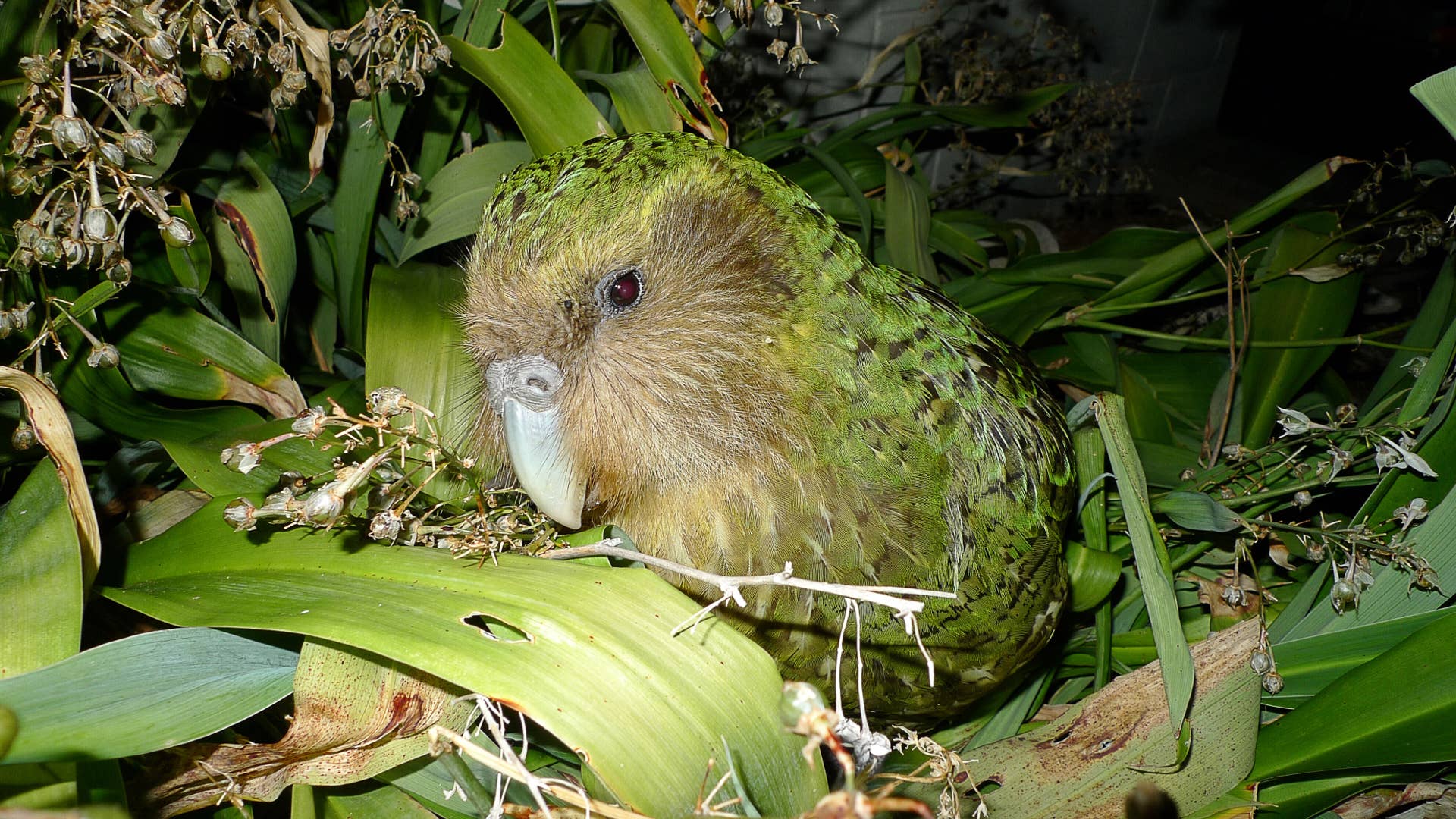
- The Kakapo from New Zealand is a green parrot that cannot fly.
- The Spix’s Macaw is bright blue and very rare in the wild.
- The Guam Kingfisher has orange and blue feathers and is almost extinct.
- The Philippine Eagle has a colorful crest that looks like a crown.
Unique Behaviors In Endangered Birds
Endangered birds often have special behaviors that help them survive. These behaviors can be surprising and show how smart birds are.
Some birds use tools, others dance to attract mates, and some sing beautiful songs to communicate. These actions help them live in their changing environments.
- The Kakapo uses scent to find mates at night.
- The California Condor soars high to find food over large areas.
- The Regent Honeyeater sings complex songs to attract partners.
- The Forest Owlet hunts during the day, which is rare for owls.
Habitat Challenges
Endangered birds face many problems in their homes. Their habitats are getting smaller and harder to live in.
These habitat challenges threaten their survival and make it difficult to find food and shelter.
Loss Of Natural Homes
Many birds lose their natural homes because of deforestation and land use changes. Trees and plants they need are cut down.
This loss forces birds to move to new areas. Some cannot adapt and their numbers drop.
- Logging removes important nesting sites
- Farming and cities replace wild lands
- Pollution damages water and soil quality
- Invasive plants change the habitat structure
Impact Of Climate Change
Climate change changes weather patterns and seasons. Birds may find food less available or arrive too early or late for breeding.
Rising temperatures and storms can destroy nests and reduce safe places for birds.
- Warmer weather shifts insect and plant life
- Storms damage habitats and nests
- Sea level rise floods coastal bird areas
- Changing seasons disrupt migration timing
Conservation Success Stories
Many endangered birds have made strong comebacks thanks to focused conservation efforts. These stories show hope for wildlife.
Saving birds requires teamwork between scientists, locals, and governments. Together, they protect habitats and stop threats.
Birds Brought Back From The Brink
The California condor once nearly disappeared with only 27 left in the 1980s. Conservationists captured them to breed in safe places.
Today, more than 400 condors live in the wild and captivity. Careful monitoring helps these birds survive and grow.
- California condor numbers rose due to captive breeding programs
- Peregrine falcons recovered after banning harmful pesticides
- Whooping cranes increased through habitat protection and breeding
Community Efforts Making A Difference
Local communities play a key role in saving endangered birds. They help by protecting nesting sites and sharing knowledge.
Many groups work to reduce hunting and stop pollution near bird habitats. This helps birds live safely and breed well.
- Volunteers monitor nests and report threats
- Educators teach about the importance of bird protection
- Farmers use bird-friendly methods on their land

Credit: www.wildlifenomads.com
Bird Adaptations
Endangered birds have special traits to survive. These traits help them live in tough places.
Bird adaptations include changes in their bodies and behaviors. These help them find food and stay safe.
Survival Tactics In Harsh Environments
Some endangered birds live where food is rare. They use smart ways to save energy and stay warm.
These birds might sleep during the day or hide in small places. Their feathers also protect them from cold or heat.
- Thick feathers keep them warm in cold places
- Strong claws help birds hold on in windy areas
- Slow movements save energy when food is scarce
Unusual Feeding Habits
Endangered birds often eat unusual foods. They adapt to what is available around them.
Some birds eat insects at night. Others use tools like sticks to get food from hard spots.
- Using sticks to pull insects from tree bark
- Eating seeds that other animals avoid
- Feeding on nectar with long, curved beaks
Human Interaction
Endangered birds face many challenges because of humans. People change their homes and the places they live.
Understanding how humans affect birds helps us protect them better. Some actions harm birds, but others can help.
How Humans Affect Bird Populations
Humans change the environment in ways that can hurt birds. Cutting down trees removes places where birds build nests.
Pollution, like chemicals and trash, can poison birds or make it hard for them to find food. Hunting and trapping also reduce bird numbers.
- Deforestation destroys bird habitats
- Pollution harms bird health
- Hunting decreases bird populations
- Urban growth reduces natural areas
Role Of Ecotourism In Protection
Ecotourism helps protect endangered birds by raising money for their homes. Visitors pay to see birds in safe places.
This money supports parks and bird research. It also teaches people why birds need care and respect.
- Funds habitat conservation
- Supports bird monitoring and research
- Educates visitors about bird protection
- Provides jobs that encourage preserving nature
Scientific Discoveries
Scientists keep learning new things about endangered birds. These findings help protect them better.
Studying birds also shows how nature changes over time. It reveals the challenges birds face today.
New Species Found Recently
Researchers sometimes find new bird species thought to be lost or unknown. These discoveries excite bird lovers and scientists.
Some new species live in remote forests or islands. They often have unique colors or sounds.
- The Himalayan Forest Thrush was discovered in 2016.
- A new type of owl was found in the Amazon in 2019.
- Scientists found a rare finch in Indonesia in 2021.
Technologies Helping Bird Research
New tools make studying birds easier and safer. They help track birds without disturbing them.
These technologies also collect data about bird habits and habitats. This helps protect endangered species.
- GPS trackers show where birds fly and rest.
- Drones help watch nests in hard-to-reach places.
- Bioacoustic devices record bird calls to study populations.
- DNA analysis reveals relationships between species.
Credit: owlcation.com
Frequently Asked Questions
What Are Some Endangered Bird Species?
Some endangered bird species include the Kakapo, Spix’s Macaw, and California Condor. These birds face threats like habitat loss and poaching. Conservation efforts are crucial for their survival. Protecting their habitats and breeding programs are essential to boost their populations and ensure their longevity.
Why Are Birds Becoming Endangered?
Birds become endangered due to habitat destruction, climate change, and illegal hunting. Human activities like deforestation and pollution also contribute. These factors reduce food sources and nesting areas. Conservation efforts and awareness are necessary to protect these birds and maintain biodiversity.
How Can We Help Endangered Birds?
We can help endangered birds by supporting conservation organizations and promoting habitat protection. Avoid using harmful pesticides and advocate for bird-friendly policies. Participate in birdwatching responsibly and educate others about the importance of biodiversity. Every small action can contribute to their survival.
What Is The Rarest Endangered Bird?
The Spix’s Macaw is one of the rarest endangered birds. Native to Brazil, it became famous from the movie “Rio. ” Conservation programs are trying to reintroduce them into the wild. Efforts focus on habitat restoration and captive breeding to increase their population.
Conclusion
Endangered birds hold many surprises and unique traits. Learning about them helps us care more. These birds face serious threats every day. Protecting their homes means saving their future. Each species plays a special role in nature. We all can help by spreading awareness.
Small actions make a big difference for wildlife. Let’s keep discovering and sharing these amazing facts. Together, we support a world where birds can thrive.



