Do you love watching colorful birds visit your garden? Imagine filling your outdoor space with cheerful chirps and fluttering wings every day.
Homemade Feeders to Attract Birds can make this dream come true, and the best part is—you can create them yourself! Not only will you save money, but you’ll also enjoy the satisfaction of attracting birds right to your doorstep. Ready to discover simple, creative ways to make feeders that birds can’t resist?
Keep reading, and let’s bring nature closer to you.
Benefits Of Homemade Bird Feeders
Making bird feeders at home is a fun way to attract birds. It helps you save money and enjoy nature.
Homemade feeders give you control over design and materials. This helps support local wildlife and the environment.
Cost Savings and Customization
Building bird feeders at home costs less than buying new ones. You can use recycled materials or things you already have.
- Use old jars, bottles, or cans as feeders
- Choose colors and shapes that suit your yard
- Make feeders the right size for local birds
- Fix and reuse feeders instead of buying new ones
Encouraging Local Wildlife
Homemade feeders attract birds native to your area. They provide food and shelter that local birds need.
- Choose seeds that local birds like
- Place feeders in safe, quiet spots
- Keep feeders clean to prevent diseases
- Watch and enjoy different bird species
Environmental Impact
Homemade feeders reduce waste and pollution. You use fewer new resources by recycling materials.
| Benefit | How It Helps Environment |
| Recycling | Keeps old items out of landfills |
| Less Plastic Use | Reduces new plastic production |
| Natural Materials | Break down safely if discarded |
| Supports Bird Health | Provides safe feeding options |
Essential Materials for Diy Feeders
Building homemade bird feeders is a fun way to bring birds closer to your garden. You need the right materials to create safe and inviting feeders.
This guide covers basic materials that you can use to make feeders at home. These include containers, natural parts, and simple tools.
Recyclable Containers
Many recyclable containers work well as bird feeders. They are easy to find and help reduce waste. Choose containers that can hold seeds and are safe for birds.
- Empty plastic bottles
- Milk cartons
- Glass jars with lids
- Cardboard boxes
- Metal cans (cleaned and rust-free)
Natural Elements
Natural materials add a nice touch to feeders and make birds feel comfortable. Use these to decorate or build parts of your feeder.
| Material | Use |
| Twigs | Frame or perch support |
| Pine cones | Seed holder |
| Leaves | Decoration or cover |
| Straw | Insulation or base |
| Bark pieces | Natural look and texture |
Basic Tools Needed
Simple tools make building feeders easier. Keep these handy before you start your project.
Here is a list of common tools for DIY feeders:
- Scissors or utility knife
- Glue gun or waterproof glue
- String or twine for hanging
- Hole punch or awl
- Sandpaper for smoothing edges
- Paintbrush for applying natural oils (optional)
Simple Feeder Designs
Making bird feeders at home is easy and fun. Simple designs attract many birds to your yard.
Use common materials and a little creativity to build feeders that birds will love.
Veterinarians recommend specific designs for health: “The safest homemade feeder is a screen-bottom tray feeder. Unlike solid wood or plastic bottoms that trap moisture and bacteria, a mesh screen allows rain to drain instantly and air to circulate, keeping the seeds dry and dramatically reducing the risk of mold and Salmonella outbreaks.”
Bottle Feeders
Bottle feeders are a great way to recycle old bottles. They keep seeds dry and safe from rain.
Cut small holes near the bottom and add perches for birds to sit on. Fill the bottle with seed and hang it outdoors.
Wooden Tray Feeders
Wooden tray feeders are simple flat platforms that hold seeds. They are easy to build and clean.
- Use untreated wood to avoid harming birds
- Make the tray deep enough to hold plenty of seeds
- Add small edges to keep seeds from falling out
- Place the feeder where birds feel safe
Pinecone Feeders
Pinecone feeders are natural and fun to make. Spread peanut butter on a pinecone and roll it in birdseed.
Hang the pinecone with a string from a tree branch. Birds will enjoy pecking at the seeds stuck to the pinecone.
| Material | Purpose |
|---|---|
| Pinecone | Base for seeds |
| Peanut Butter | Sticky layer for seeds |
| Birdseed | Food for birds |
| String | Hanging the feeder |

Credit: www.familyhandyman.com
Creative Feeder Ideas
Making homemade bird feeders can attract more birds to your garden. It is fun and helps you watch different bird species.
Try creative feeders using simple items. These ideas are easy to make and good for birds.
Teacup Feeders
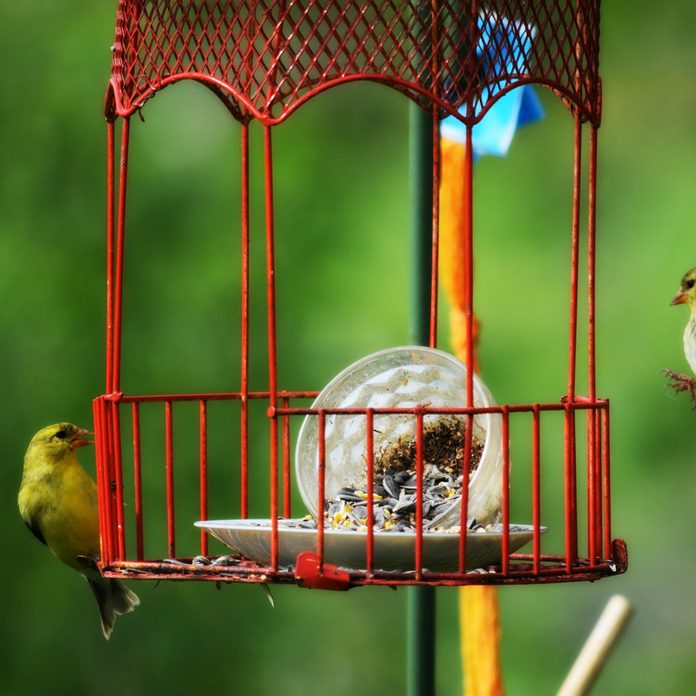
Old teacups make charming bird feeders. Fill them with seeds and hang them from a tree branch.
Use strong wire or twine to secure the cup and saucer. The saucer catches spilled seeds.
Gourd Feeders
Dried gourds turn into natural birdhouses and feeders. Cut a hole for birds to enter and add birdseed inside.
- Choose a clean, dry gourd
- Cut an entrance hole about two inches wide
- Remove seeds and dry the inside
- Paint or decorate if you like
- Hang it in a quiet spot
Hanging Fruit Feeders
Fresh fruit attracts many bird types. Hang slices of orange, apple, or pineapple with string or mesh bags.
| Fruit | Best Birds Attracted |
| Orange | Orioles, Woodpeckers |
| Apple | Thrushes, Grosbeaks |
| Pineapple | Tanagers, Orioles |
Choosing Seeds to Attract Birds
Making homemade feeders can bring many birds to your yard. Choosing the right seeds helps attract different bird types.
Each bird species prefers certain seeds. Knowing these preferences helps you feed more birds easily.
Popular Seed Types
Some seeds are favorites for many birds. These seeds work well in most homemade feeders.
- Black oil sunflower seeds: small, high in oil, loved by many birds
- Nyjer (thistle) seeds: tiny seeds that attract finches and siskins
- Millet: small round seeds that many ground-feeding birds enjoy
- Safflower seeds: disliked by squirrels, liked by cardinals and grosbeaks
- Peanuts: good for woodpeckers, jays, and titmice
Matching Seeds to Bird Species
Different birds eat different seeds. Pick seeds that match the birds you want to attract.
| Bird Species | Preferred Seeds |
|---|---|
| Finches | Nyjer, sunflower seeds |
| Sparrows | Millet, cracked corn |
| Cardinals | Safflower, sunflower seeds |
| Woodpeckers | Peanuts, sunflower seeds |
| Jays | Peanuts, sunflower seeds |
Seasonal Considerations
Bird seed needs change with the seasons. You can switch seeds to keep feeding birds all year.
In winter, offer high-fat seeds for energy. In spring, use seeds that support nesting and growth.
- Winter: black oil sunflower, peanuts, suet
- Spring: millet, nyjer, mixed seeds for young birds
- Summer: light feeding, fresh fruits, and insects
- Fall: sunflower seeds, cracked corn to build fat reserves
Credit: www.familyhandyman.com
Placement Tips for Feeders
Placing homemade bird feeders in the right spots helps attract more birds. Good placement makes birds feel safe and comfortable.
Consider where birds like to feed and rest. This helps your feeder become a favorite spot for them.
Safe Locations
Choose a place where birds feel protected from harsh weather. Avoid open areas with strong winds or heavy rain.
Near trees or shrubs is best. Birds can hide quickly if danger comes. Keep feeders away from busy roads and noisy places.
Visibility And Accessibility
Place feeders where birds can easily see them. Bright spots with sunlight help birds find food.
Make sure birds can reach the feeder without trouble. Avoid spots with obstacles like fences or wires nearby.
- Near windows with bird-safe glass
- Clear view from perches or branches
- Easy for you to refill and clean
Protecting Feeders from Predators
Keep feeders away from places where cats or squirrels can hide. Predators scare birds away.
Use baffles or guards to block predators. Place feeders at least five feet off the ground and three feet from jumping spots.
- Install squirrel baffles on poles
- Trim branches near feeders
- Place feeders where cats cannot climb
Habitat specialists use the ‘5-7-9 Rule’ for squirrel baffles: “Squirrels can jump 5 feet vertically and 7 feet horizontally. To make a pole-mounted feeder truly squirrel-proof, the baffle must be at least 5 feet off the ground, the feeder pole should be 7 feet away from any tree or roof, and the feeder itself should hang below a baffle that is at least 9 inches wide (for stovepipe styles). Anything less is just a challenge, not a barrier.”
Maintaining And Cleaning Feeders
Keeping homemade bird feeders clean is important. It helps birds stay healthy and happy.
Regular care stops disease and keeps feeders working well for a long time.
Preventing Mold and Disease
Mold grows quickly on old seeds and wet feeders. It can harm birds if they eat it.
Keep feeders dry and remove old seeds often to stop mold from growing.
- Use fresh seed every time you refill.
- Place feeders where they dry fast after rain.
- Check feeders daily for wet or clumped seed.
- Clean feeders well if mold appears.
Regular Cleaning Schedule
Clean feeders at least once every two weeks. More cleaning is better in wet weather.
Use warm water and mild soap to wash feeders. Rinse well to remove all soap.
- Remove all seed before washing.
- Scrub all parts with a brush.
- Dry feeders completely before refilling.
- Wear gloves to protect your hands.
Wildlife health experts insist on a disinfection step: “Soap and water only remove the visible dirt. To truly protect birds from contagious diseases, you must soak your cleaned feeder in a solution of one part bleach to nine parts water for 10 minutes, then rinse thoroughly and air dry. This kills the bacteria and viruses that soap leaves behind.”
Storage During Off-season
Store feeders in a dry, cool place when not in use. This keeps them clean and safe.
Remove all seeds and clean feeders before storage. Cover them to stop dust and pests.
- Empty feeders completely.
- Wash and dry thoroughly.
- Store in sealed bags or boxes.
- Keep away from rodents and insects.

Credit: www.youtube.com
Frequently Asked Questions
What Materials Are Best for Homemade Bird Feeders?
Wood, recycled plastic, and metal are ideal for durability and safety. Avoid toxic paints or treated wood to keep birds safe and healthy.
How Do I Attract More Birds to My Homemade Feeder?
Use a variety of seeds like sunflower and millet. Place feeders near shrubs and offer fresh water for drinking and bathing.
Can Homemade Feeders Prevent Squirrels from Stealing Bird Food?
Yes, using baffles or weight-sensitive feeders can deter squirrels effectively. Position feeders away from easy jumping points like trees.
How Often Should I Clean My Homemade Bird Feeder?
Clean feeders every two weeks with warm, soapy water. Regular cleaning prevents mold and disease, keeping birds healthy and safe.
Conclusion
Creating homemade feeders delights both you and the birds. It’s a simple joy. These feeders bring colorful visitors right to your backyard. Birds chirp happily as they enjoy the treats. This connection with nature is soothing. Plus, making feeders is budget-friendly and fun.
Gather materials and let creativity flow. Share the joy with family and friends. Teach kids about bird species and their habits. Watch as your yard becomes a lively bird haven. Enjoy these moments. They’ll leave you with memories and a peaceful heart. Happy birdwatching!