Have you ever wondered why birds can soar so effortlessly through the sky? It’s not just their wings that make flight possible—their body’s structure plays a huge role too.
Bird Bones Adapted for Flight are specially designed to help them take off, glide, and land with ease. Understanding these unique bone adaptations will change the way you see birds forever. Keep reading, and you’ll discover the fascinating secrets behind their incredible ability to fly.
Credit: communities.springernature.com
Lightweight Structure
Bird bones have special features that make flying easier. Their bones are light but strong enough to support flight.
This lightweight structure helps birds use less energy while flying and stay in the air longer.
Hollow Bones and Air Spaces
Many Bird Bones Adapted for Flight are hollow inside, which reduces their weight. These bones contain air spaces connected to the bird’s respiratory system.
-
Hollow bones lower the bird’s overall body weight.
-
Air spaces inside bones help birds breathe more efficiently.
-
These air pockets give bones strength without adding weight.
-
The design supports flight and quick movement in the air.
Bone Density and Strength Balance
Bird bones are less dense than mammal bones but remain very strong. This balance is key to flight.
| Bone Property | Birds | Mammals |
| Density | Low | High |
| Strength | High | High |
| Weight | Light | Heavy |
Bone Fusion and Rigidity
Bird Bones Adapted for Flight are specially built to help them fly. They are light but strong. One way they stay strong is through bone fusion and rigidity. These features help birds keep balance and reduce extra movement during flight. This makes flying easier and safer.
Fused Bones for Stability
Birds have some bones that are fused together. This means two or more bones join and act like one. Fused bones add stability to the bird’s body.
The fusion helps birds hold their shape while flying. It also makes their skeleton stronger without adding weight.
- Fused bones form a solid frame
- They reduce the risk of injury during flight
- Fusions help birds use less energy when flying
Reducing Bone Movement During Flight
Because Bird Bones Adapted for Flight are rigid, they limit unwanted movement. This rigidity helps birds keep control while flying fast or turning. Less bone movement means less energy wasted. Stiff bones support the muscles and wings during flight.
- Rigid bones prevent unwanted flexing
- They help maintain wing shape
- Rigid structure supports muscle power
Specialized Bone Shapes
Bird bones have unique shapes that help them fly. These shapes make flight easier and more efficient.
Two important bone types are the keel bone and the wing bones. Each has special features for flight.
Keel Bone For Muscle Attachment
The keel bone is a large, flat bone on a bird’s chest. It holds strong muscles needed for flying.
- Provides a large surface area for muscle attachment
- Supports the powerful flight muscles
- Keeps the bird balanced during flight
- Helps with the downstroke of wings
Wing Bones and Flexibility
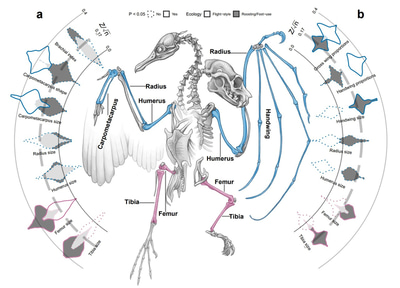
Wing bones are shaped to allow movement and strength. They must be light but strong.
| Wing Bone | Function | Adaptation |
|---|---|---|
| Humerus | Connects wing to body | Strong and slightly curved for support |
| Radius and Ulna | Allow wing bending | Thin and flexible for wing folding |
| Carpals and Metacarpals | Support feathers | Fused for strength and lightness |
Credit: medium.com
Bone Composition
Bird bones are special to help them fly. Their bone structure is light but strong.
The bones have unique features. These features help reduce weight and keep strength.
Pneumatization And Air Sacs
Bird bones have air spaces inside. This is called pneumatization. It makes bones lighter.
Air sacs connect to these spaces. They help with breathing and reduce bone weight.
- Pneumatized bones have hollow parts filled with air
- Air sacs help oxygen flow through bones
- This system lowers the bird’s body weight
Calcium And Collagen Adaptations
Bird bones contain calcium and collagen. Calcium makes bones hard and strong.
Collagen is a protein that makes bones flexible. This stops bones from breaking easily.
- Calcium gives bones strength to support flight
- Collagen provides flexibility during movement
- Together, they create light but tough bones
Comparisons With Non-Flying Animals
When we look at how Bird Bones Adapted for Flight, we see they differ from bones in animals that do not fly. Non-flying animals usually have heavier and denser bones. Birds have lighter bones that support flying without making their bodies too heavy.
| Feature | Birds | Non-Flying Animals |
| Bone Shape | Lightweight and fused | Thicker and not fused |
| Keel on Sternum | Large for muscle attachment | Absent or very small |
| Bone Texture | Porous with air cavities | Dense and solid |
Differences In Bone Density
Bird bones are less dense than those of many non-flying animals. This helps reduce their overall weight. The bones have air spaces inside, called pneumatic bones.
- Non-flying animals have solid, heavy bones.
- Birds have hollow bones with air pockets.
- Hollow bones make birds lighter and easier to lift.
- Air sacs connect to bones to help with breathing.
Structural Adaptations Unique to Birds
Bird bones have shapes and features that support flight muscles and wing movement. These structures are different from those in animals that walk or run.
| Feature | Birds | Non-Flying Animals |
| Bone Shape | Lightweight and fused for strength | Thicker and not fused |
| Keel on Sternum | Large for strong wing muscle attachment | Absent or very small |
| Wing Bones | Long and thin for flight | Short or absent |
| Bone Texture | Porous with air cavities | Dense and solid |

Credit: en.wikipedia.org
Evolutionary Impact on Bone Design
Bird bones have changed over millions of years. These changes help birds fly better. Evolution shaped their bones to be light and strong.
Studying how bird bones evolved shows us how natural selection works. It also helps us understand the link between birds and their dinosaur ancestors.
Adaptations Through Natural Selection
Natural selection made bird bones thin but tough. Birds with lighter bones used less energy during flight. This gave them an advantage to escape predators and find food.
- Bird bones became hollow with air spaces to reduce weight.
- Strong cross walls inside bones keep them from breaking.
- Fused bones provide extra strength and stability during flight.
- Reduced number of bones helps lower overall body weight.
Fossil Evidence of Bone Changes
Fossils show how bird bones changed over time. Early bird ancestors had heavier and solid bones. Later fossils show lighter, hollow bones for flight.
| Time Period | Bone Characteristics | Flight Ability |
| Jurassic (150 million years ago) | Solid and heavy bones | Limited or no flight |
| Cretaceous (100 million years ago) | Partly hollow bones | Gliding or short flight |
| Modern birds | Fully hollow bones with reinforcement | Strong, sustained flight |
Frequently Asked Questions
Why Are Bird Bones Lightweight?
Bird Bones Adapted for Flight have changed over millions of years. Evolution shaped their bones to be light and strong. Natural selection made bird bones thin but tough. Birds with lighter bones used less energy, giving them an advantage to escape predators.
How Do Bird Bones Support Flight?
Bird bones are strong and rigid, providing essential structural support. Their unique architecture, including fused bones and keel, aids muscle attachment. This enhances aerodynamic efficiency and flight stability.
What Is the Role of the Keel in Birds?
The keel is a specialized bone in the bird’s sternum. It provides a large surface area for muscle attachment. This is critical for the powerful wingbeats needed in flight.
Do All Birds Have the Same Bone Structure?
No, not all birds have the same bone structure. Birds like penguins have denser bones for diving. Flightless birds have adapted structures suited to their lifestyles.
Conclusion
Bird bones play a key role in helping birds fly. Their bones are light but strong, making flight easier. Hollow spaces reduce weight without losing strength. The shape of bones supports wing movement and balance. These special features work together to make flying possible.
Understanding bird bones helps us appreciate nature’s design. Flight depends on these clever bone adaptations. Birds show us how structure meets function perfectly. Their bones are small wonders of evolution. Flight is a result of many small changes. Bird bones prove nature’s skill in solving problems.